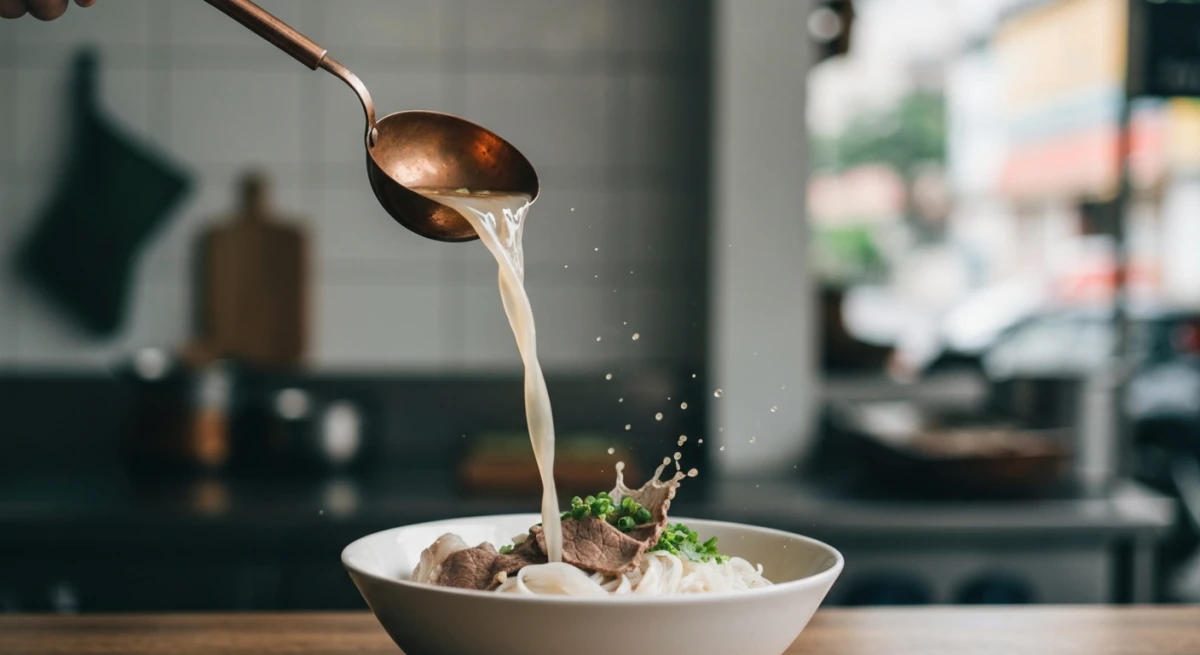
Stepping onto the buzzing streets of Saigon, your senses are instantly bombarded: the roar of a thousand motorbikes, the neon glare of street signs, and the irresistible aroma of beef bones simmering with star anise, cinnamon, and charred ginger. This intoxicating scent is the siren song of Pho, Vietnam's national dish. But in a city of over nine million people where nearly every street corner boasts a steaming cauldron, finding the absolute best pho in Ho Chi Minh City can feel like an overwhelming task.
While Hanoi is the birthplace of pho, Ho Chi Minh City (still fondly called "Saigon" by locals) is where the dish truly grew up, transforming into a flamboyant, herb-laden feast. To help you navigate this culinary wonderland, we have put together the ultimate insider's guide. From 70-year-old institutions that played secret roles in the Vietnam War to modern Michelin-selected spots serving up innovative stone bowls, this is your definitive roadmap to discovering the best pho in Ho Chi Minh City.
The Soul of Saigon’s Pho: Northern vs. Southern Style
Before you grab your chopsticks, it is crucial to understand that pho is not a singular, uniform dish. Instead, a fierce but friendly culinary rivalry exists between the North (Phở Bắc) and the South (Phở Nam). As a traveler in Ho Chi Minh City, you will find both styles, though the Southern version reigns supreme on most streets.
Northern Pho (Phở Bắc): Originating in Nam Dinh and Hanoi, Northern-style pho is characterized by its minimalist elegance. The focus is squarely on the clarity and purity of the broth. It is light, clean, and savory, relying on a delicate balance of beef bones, charred onion, and ginger, with minimal spices. The noodles (bánh phở) are typically wider, and the dish is served with little more than tender slices of beef and a handful of green scallions. You will search in vain for fresh herbs, bean sprouts, or sweet hoisin sauce here; at most, you might add a splash of rice vinegar, a squeeze of lime, or a few slices of fresh chili.
Southern Pho (Phở Nam): When Northern migrants fled south in 1954, they brought their beloved soup with them, but the abundance of the Mekong Delta quickly transformed it. Southern-style pho is a sensory explosion. The broth is darker, sweeter, and bolder, heavily spiced with star anise, cinnamon, cloves, coriander seeds, and cardamom.
But the true hallmark of Southern pho is the sheer volume of accompaniments. When you order a bowl in Saigon, it arrives with:
- A mountain of fresh herbs: Thai basil (rau húng quế), saw-tooth herb (ngò gai), and rice paddy herb (rau ôm).
- Blanched bean sprouts: Added for a refreshing, crispy texture.
- The sauce tray: Chili sauce (tương ớt) and sweet hoisin bean sauce (tương đen) are essential. Locals either squeeze them directly into the broth or create a dipping dish to dunk their beef.
Knowing these differences is key because the best pho in Ho Chi Minh City includes outstanding examples of both culinary philosophies.
The Hall of Fame: 6 Legendary Pho Shops in Ho Chi Minh City
To experience the apex of Saigon's noodle soup scene, you must visit the spots that have spent decades perfecting their craft. These six iconic restaurants represent the diverse flavors, history, and innovation of the city.
1. Phở Lệ (District 5) — The Sweet, Charcoal-Cooked Southern Icon
Located in the heart of District 5's Chinatown (Chợ Lớn), Phở Lệ has been serving up what many consider the quintessential Southern-style bowl since 1970. What sets Phở Lệ apart is its broth-making process. The family still simmers their enormous vats of beef bones over natural charcoal for up to 20 hours, giving the soup a distinct, caramelized depth.
The broth here is noticeably sweet and incredibly rich, shimmering with a thin layer of aromatic beef fat. If you prefer a lighter, less sweet soup, this might be intense, but for fans of traditional Southern flavor, it is paradise.
- Must-Order: Phở Thập Cẩm (The special combination bowl) or Phở Bò Viên. The beef meatballs here are legendary—made in-house, exceptionally springy, and bursting with garlic and black pepper.
- Address: 415 Nguyen Trai, Ward 7, District 5, Ho Chi Minh City.
2. Phở Hòa Pasteur (District 3) — The Grand Dame of Saigon Institutions
If there is one name synonymous with Saigon pho worldwide, it is Phở Hòa on Pasteur Street. Operating for over five decades, this multi-level restaurant is a bustling institution where tour groups rub shoulders with multi-generational local families.
The broth at Phở Hòa is beautifully balanced—not as sweet as Phở Lệ, but remarkably deep, with a fragrant wave of cinnamon and star anise. The table setup is half the experience: giant plates of raw mountain herbs, bowls of quẩy (deep-fried dough sticks), and small packages of chả lụa (Vietnamese pork sausage in banana leaves) cover the wooden tables. You are charged only for the side items you actually unravel and eat.
- Must-Order: Phở Tái Nạm (Rare beef and flank). Dunk the crispy quẩy directly into the broth to soak up the soup.
- Address: 260C Pasteur, Ward 8, District 3, Ho Chi Minh City.
3. Phở Bình (District 3) — "Peace Noodles" and a Slice of Wartime History
Tucked away on Ly Chinh Thang Street sits Phở Bình. While the noodle soup here is excellent—a delicate, Northern-leaning broth with clean flavors—the real draw is the building's mind-blowing history.
During the Vietnam War, the original owner, Ngo Van Toai, was a secret Viet Cong sympathizer. He bought this shop with revolutionary funds, using it as an undercover command post. While American soldiers, diplomats, and South Vietnamese police dined on steaming bowls of noodle soup downstairs, the elite F100 Viet Cong City Rangers met in the hidden room upstairs to plan the infamous 1968 Tet Offensive.
After you finish your bowl, ask the family members running the shop to guide you up the steep, narrow staircase. The upstairs room remains preserved as a mini-museum, complete with black-and-white photos of the operatives, military medals, and the original meeting table.
- Must-Order: Phở Gà (Chicken pho) or Phở Bò Chín (Well-done beef pho).
- Address: 7 Ly Chinh Thang, Ward 8, District 3, Ho Chi Minh City.
4. Phở Phú Vương (Tan Binh & District 1) — The Local Foodie's Best-Kept Secret
While Phở Hòa and Phở Lệ get most of the tourist spotlight, locals in the know head straight to Phở Phú Vương. Originally famous for its flagship location in Tan Binh District, they now have a branch closer to District 1, making it highly accessible.
Phở Phú Vương is celebrated for its incredible meat quality and a broth that strikes the perfect midpoint between Northern clarity and Southern spice. The broth is deeply savory, with a pronounced aroma of roasted ginger and cloves. The kitchen is highly organized, and the meat is sliced fresh to order, ensuring the rare beef remains unbelievably tender.
- Must-Order: Phở Tái Gầu (Rare beef and fatty brisket). Their homemade chili sauce is also widely regarded as the best in the city.
- Address: 339 Le Van Sy, Ward 1, Tan Binh District (or 120 Nguyen Thai Binh, District 1).
5. Phở Việt Nam (District 1) — The Michelin-Selected Hot Stone Bowl Pioneer
Located just a short walk from the bustling Bến Thành Market, Phở Việt Nam has earned a prestigious spot in the Michelin Guide. While they serve traditional bowls, their claim to fame is their revolutionary Phở Thố Đá (hot stone bowl pho).
Instead of arriving pre-assembled, your meal is served as a deconstructed DIY kit. A roaring hot stone pot filled with bubbling, boiling beef broth is placed before you, accompanied by separate plates of fresh rice noodles, herbs, and premium raw beef (including an option for high-grade Wagyu). You cook the ingredients yourself by dipping them into the boiling broth. This interactive experience ensures your soup remains piping hot down to the very last spoonful, and the beef is cooked exactly to your liking.
- Must-Order: Phở Thố Đá Bò Úc (Australian beef hot stone bowl) or the Wagyu variant.
- Address: 14 Pham Hong Thai, Ben Thanh Ward, District 1, Ho Chi Minh City.
6. Phở Minh (District 1) — A Nostalgic Haven of Pure Northern Tradition
If the chaotic streets of Saigon get too overwhelming, escape into the quiet, narrow alleyway off Pasteur Street to find Phở Minh. Established in the late 1940s, Phở Minh is a time capsule. With its weathered wooden tables, slowly rotating ceiling fans, and vintage French-colonial architecture, the shop transports you back to mid-century Saigon.
Phở Minh serves an incredibly authentic Northern-style pho. There are no bean sprouts here, and the broth is entirely free of added sugar, relying solely on the slow extraction of sweetness from marrow bones. It is clean, elegant, and nostalgic.
- Must-Order: Phở Tái Nạm (Rare beef and flank). Arrive early; they often sell out by 10:00 AM.
- Address: 63/6 Pasteur, Ben Nghe Ward, District 1, Ho Chi Minh City.
The Ultimate Ordering Guide: How to Customize Your Bowl Like a Local
When you walk into a traditional pho shop in Ho Chi Minh City, you won't just order "beef pho." Instead, you will see a list of Vietnamese terms representing various cuts of beef. Knowing these terms allows you to customize your bowl like a true culinary expert.
Here is your essential pho vocabulary cheat sheet:
- Tái: Thinly sliced raw beef placed on top of the noodles and cooked instantly when the boiling broth is ladled over. It is incredibly tender.
- Chín: Beef brisket or flank that has been slow-simmered in the broth until fully cooked and tender.
- Nạm: A lean cut of beef with a thin strip of soft fat and tendon running through it, offering a wonderful chew.
- Gầu: Sliced paper-thin, this cut has a generous layer of firm, buttery fat. It is highly flavorful and a favorite among local gourmands.
- Gân: Beef tendon simmered for hours until it reaches a soft, gelatinous, melt-in-your-mouth texture.
- Sách: Thinly sliced beef stomach (tripe). It has a mild flavor but adds a delightful, crunchy texture to the bowl.
- Bò Viên: Springy, seasoned beef meatballs, often cut in half.
- Tủy: Rich, buttery bone marrow scooped directly from the bones.
- Nước Béo: If you want an ultra-rich bowl, ask for nước béo. The vendor will ladle the glistening oil from the top of the broth pot into your bowl. Conversely, you can ask for nước trong (clear broth) if you want it as lean as possible.
- Trứng Chần: A raw egg yolk served swimming in a small bowl of hot, fatty broth with green onions. Drink it straight or use it as a rich dipping sauce for your beef slices.
Example Order: If you want a bowl with rare beef, fatty brisket, and meatballs, you would ask for: "Phở Tái Gầu Viên."
Street Food Etiquette: How to Eat Pho in Saigon
Eating pho in Ho Chi Minh City is an interactive, communal art form. To fully appreciate the flavors and show respect for the chef’s hard work, follow these local street food guidelines:
1. Taste the Broth First: Before you add any sauces, lime, or herbs, take a spoonful of the pure broth. The chef has spent up to 24 hours balancing the flavors of bones, onions, and spices. Appreciating their base broth is the ultimate sign of respect.
2. Tear, Don’t Dump, the Herbs: Do not dump the entire plate of herbs into your bowl at once. This cools down the broth and bruises the delicate leaves. Instead, pluck a few leaves of Thai basil and saw-tooth herb, tear them gently in half to release their aromatic oils, and push them submerged under the hot noodles just before taking a bite.
3. Master the Sauces: Avoid squeezing hoisin (tương đen) and chili sauce (tương ớt) directly into your broth immediately—especially at Northern-style shops, as it completely masks the delicate bone flavors. Instead, squeeze a small dollop of both sauces into a small side dish. Use your chopsticks to dip your beef slices into the sauce before eating. If you find the broth needs more sweetness or heat halfway through your meal, you can then add a small squirt of sauce directly to the bowl.
4. Embrace the Quẩy: Those golden, crispy fried dough sticks (quẩy) sitting on the table are not just ornamentations. Rip them into bite-sized pieces, submerge them in the hot broth for a few seconds until they soften and swell with soup, and pop them in your mouth. The combination of crispy fat and savory broth is life-changing.
Frequently Asked Questions (FAQ)
Is pho originally from Ho Chi Minh City? No. Pho originated in Northern Vietnam (specifically the Nam Dinh province and Hanoi) in the early 20th century. It migrated south in 1954, where Southern chefs adapted it by adding sugar, a wider variety of spices, a thicker array of beef cuts, and a massive platter of fresh herbs and bean sprouts.
How much does a bowl of pho cost in Ho Chi Minh City? A standard bowl of street-side pho typically costs between 45,000 to 65,000 VND (approximately $1.80 to $2.60 USD). At legendary or air-conditioned establishments like Phở Hòa or Phở Lệ, prices generally range from 80,000 to 100,000 VND ($3.20 to $4.00 USD). Premium stone-bowl variants or Wagyu options can range from 120,000 to 250,000 VND ($5.00 to $10.00 USD).
Is it safe to eat raw beef (Tái) in Ho Chi Minh City? Yes, it is highly safe. The beef used for tái is sliced fresh and kept under strict temperature controls. Furthermore, the broth ladled over the meat is boiling hot (often hovering around 95°C to 100°C), which instantly cooks and sterilizes the thinly sliced beef. If you are still concerned, you can always order chín (fully cooked brisket).
Are there vegetarian pho options in Saigon? Yes, absolutely! Look for signs that say "Phở Chay" (Vegetarian Pho). These bowls utilize a fragrant broth made from simmered radish, carrots, mushrooms, and leeks, served with tofu, gluten-based mock meats, and the same classic herbs. Excellent options can be found at Buddhist vegetarian restaurants (Quán Chay) throughout the city, particularly in District 3 and District 5.
Can you eat pho for breakfast, lunch, and dinner? Yes! While historically considered a breakfast dish to fuel workers for the day, pho in modern Ho Chi Minh City is eaten at all hours. Many iconic shops open at 6:00 AM and close past midnight, and some, like Phở Quỳnh in the backpacker district, are open 24/7.
Conclusion: Savor Every Drop
Finding the best pho in Ho Chi Minh City is not just about checking off a tourist bucket list; it is about immersing yourself in the rhythm of the city. Whether you find yourself sitting on a low plastic stool in a humid District 5 alleyway slurping Phở Lệ’s sweet charcoal broth, or admiring historical relics over a bowl at Phở Bình, each spoonful tells a story of migration, adaptation, and culinary passion.
Grab your chopsticks, prepare your herb plate, and let your taste buds guide you through the delicious, steaming landscape of Saigon’s ultimate comfort food. Chúc ngon miệng!