The Aroma of Saigon: Finding the Soul of Vietnam in a Noodle Bowl
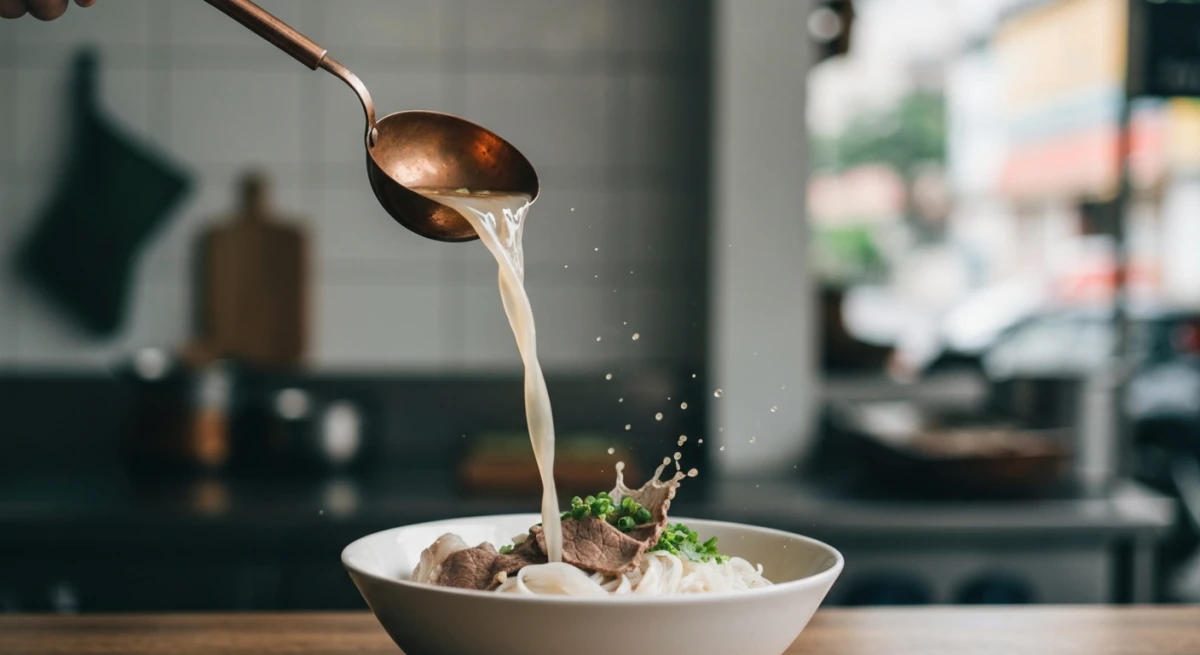
The morning sun hasn't quite broken through the humid haze, but the streets of Ho Chi Minh City are already buzzing with the symphonic roar of a million motorbikes. Beneath the low-hanging tangle of overhead power lines and pastel-hued French colonial balconies, an even more iconic Saigon ritual is unfolding. Huge, steel cauldrons—some bubbling continuously for over twenty-four hours—release steam perfumed with charred ginger, toasted star anise, and rich beef tallow. This is the aroma of Saigon's lifeblood. If you are searching for the best pho in ho chi minh, you aren't just looking for a quick meal; you are embarking on a historical, regional, and sensory journey through one of the world's greatest street food capitals.
While Hanoi is widely recognized as the birthplace of Vietnam’s national dish, it was in the bustling, cosmopolitan avenues of Saigon (Ho Chi Minh City) that pho truly blossomed. Here, the soup transformed, adopting the bold, sweet, and herb-packed personality of the South. Today, the city is a spectacular battleground of flavors, hosting everything from historical alleyway stalls run by eighty-year-old matriarchs to modern establishments pushing the limits with interactive stone bowls. Whether you prefer a clean, minimalist northern broth or a rich, fatty, sweet-and-savory southern soup loaded with fresh herbs, this definitive guide will lead you straight to the legendary bowls that locals and culinary travelers fight over.
The Great Pho Divide: Understanding Northern vs. Southern Style in Saigon
To truly appreciate the best pho in ho chi minh, you must first understand the intense, decades-long debate that divides Vietnamese noodle purists: Northern Pho (Phở Bắc) versus Southern Pho (Phở Nam).
This gastronomic schism dates back to 1954, when over a million North Vietnamese migrated south following the Geneva Accords, bringing their beloved noodle soup with them. In the fertile, agricultural abundance of Southern Vietnam, the recipe rapidly adapted. The simple, rustic beef soup of Hanoi collided with the sweet, tropical flavors of the Mekong Delta and the Chinese culinary influences of Saigon’s Cholon district (District 5). This historic meeting birthed two distinct culinary schools of thought:
1. The Broth Profile
- Northern Style: The broth is clear, delicate, and deeply savory. It relies on a pure, unadulterated beef bone flavor accented lightly with charred ginger and onions, with minimal spice intervention. It is clean, light, and elegant.
- Southern Style: The broth is a complex, robust, and sweet elixir. It is heavily simmered with a wider array of spices—cinnamon, star anise, cloves, coriander seeds, and black cardamom—and sweetened with rock sugar, daikon, or even dried squid. It is notably oilier and much richer.
2. The Noodle Texture
- Northern Style: Uses wider, flatter, and softer fresh rice noodles (bánh phở), which easily absorb the subtle nuances of the delicate broth.
- Southern Style: Uses thinner, narrower noodles with a slightly firmer chew to withstand the heavy, robust soup.
3. Herbs and Garnishes
- Northern Style: Garnished almost exclusively with a mountain of finely chopped green scallions and fresh coriander. Pure and simple.
- Southern Style: Served with a virtual forest on the side. Diners are expected to rip apart fresh leaves of Thai basil (húng quế), culantro (ngò gai), rice paddy herb, and mint, plunging them into the piping hot soup along with a generous handful of crunchy raw bean sprouts.
4. The Condiments
- Northern Style: Simple bird's eye chilies, lime wedges, and house-pickled garlic slices are the only additions allowed.
- Southern Style: Tables are heavily laden with sweet black hoisin sauce (tương đen) and spicy red chili sauce (tương ớt), which diners use to customize their bowls.
By understanding these differences, you can tailor your noodle hunting to your specific palate. Let’s dive into the absolute best places to experience these styles across Ho Chi Minh City.
The Southern Icons: Sweet, Savory, and Herb-Loaded
For most international travelers, the sweet, savory, and highly aromatic Southern-style bowl is what they picture when they think of pho. Here are the three undisputed heavyweights in Ho Chi Minh City that define this style.
Phở Lệ (District 5)
Operating since 1970, Phở Lệ is widely regarded by Saigonese locals as the gold standard of Southern-style pho. Located in the heart of District 5, this legendary institution has earned a coveted spot in the Michelin Guide’s Bib Gourmand and 'Selected' lists, and the crowds prove it.
- Address: 415 Nguyễn Trãi, Ward 7, District 5, Ho Chi Minh City (with a second popular branch at 302-304 Võ Văn Tần, District 3).
- The Atmosphere: Loud, fast-paced, and constantly packed. Stainless steel tables are crammed together, and the floor is routinely swept of napkins and herb stems. The front of the restaurant features a massive, stainless steel assembly station where bowls are put together with assembly-line precision under the watchful eye of veteran cooks.
- What to Order: Phở Thập Cẩm (The Combination Bowl) or Phở Tái Nạm Bò Viên (Rare Beef, Flank, and Meatballs).
- The Flavor Profile: The broth at Phở Lệ is famously rich, sweet, and heavily aromatic, cooked over traditional charcoal. It has a beautiful layer of golden beef oil on top, which carries the deep fragrance of cinnamon and star anise. The highlight here is undoubtedly their bò viên (beef meatballs). Unlike the rubbery, industrially produced meatballs found elsewhere, Phở Lệ’s meatballs are handmade, incredibly juicy, and packed with a distinct garlic punch. Combine this with the mountain of fresh culantro and Thai basil provided, and you have the quintessential Southern pho experience.
Phở Hòa Pasteur (District 3)
No discussion of the best pho in ho chi minh is complete without Phở Hòa. Situated on Pasteur Street—which was historically lined with pho vendors in the mid-20th century—Phở Hòa is arguably the most famous pho restaurant in the world. It has survived wars, economic shifts, and generations of changing tastes.
- Address: 260C Pasteur, Ward 8, District 3, Ho Chi Minh City.
- The Atmosphere: Spanning two floors, the restaurant manages to feel both like a historic museum and a bustling tourist hub. Despite its massive popularity among travelers, you will still find plenty of local families filling the tables. The walls are adorned with vintage photos, and the service is incredibly efficient.
- What to Order: Phở Đặc Biệt (The House Special), which includes rare beef slices, flank, tendon, tripe, and meatballs.
- The Flavor Profile: The broth here is slightly lighter and less oily than Phở Lệ’s, but it remains decidedly Southern: sweet, fragrant, and deeply satisfying. What makes Phở Hòa unique is the spread laid out on the tables. Alongside the massive plates of fresh herbs, you will find plates of quẩy (deep-fried dough sticks), banana leaf-wrapped meat pies (giò lụa), and sweet pastries. Dipping a crispy, greasy piece of quẩy into their hot, aromatic beef broth is a culinary rite of passage for any food lover visiting Saigon.
Phở Phú Vương (Tân Bình & District 1)
If you want to escape the tourist crowds and eat where the local middle-class foodies go, Phở Phú Vương is your destination. While their flagship restaurant is located in the Tân Bình district, their newer branch in District 1 makes it highly accessible for travelers.
- Address: 339 Lê Văn Sỹ, Ward 1, Tân Bình District, Ho Chi Minh City (District 1 branch at 120 Nguyễn Thái Bình).
- The Atmosphere: Cleaner and slightly more modern than the ultra-traditional street stalls, yet keeping the authentic, fast-casual vibe. The staff are highly organized, and the kitchen is pristine.
- What to Order: Phở Bò Chín Nạm (Well-done brisket and flank).
- The Flavor Profile: Phở Phú Vương strikes a perfect balance. The broth is deeply savory and naturally sweet without being cloying, carrying a clean but potent beef flavor. Their beef quality is outstanding; the cuts of brisket are incredibly tender, falling apart with the touch of a chopstick. Furthermore, Phở Phú Vương is famous for its homemade chili sauce, which offers a complex, fermented heat that elevates the broth to a whole new level.
The Northern Purists: Clean, Savory, and Elegant
While Southern-style dominates the city, Saigon’s diverse population demands high-quality Northern-style pho. If you prefer a delicate, savory broth focused entirely on the purity of beef bone flavor without the distraction of sweet sauces and heavy herbs, these two spots are absolute must-visits.
Phở Phú Gia (District 3)
Phở Phú Gia is famously 'conservative' when it comes to preserving the traditional culinary style of Hanoi. This Michelin-selected gem is notorious for its uncompromising attitude: do not ask for bean sprouts, do not ask for hoisin sauce, and do not expect a plate of sweet herbs. Here, the Hanoi style reigns supreme and unchallenged.
- Address: 146 Lý Chính Thắng, Ward 7, District 3, Ho Chi Minh City.
- The Atmosphere: A classic, no-frills Vietnamese dining room with simple wooden and metal tables. The owner is passionate and can be quite strict about how his pho is consumed—this is not a place for 'fusion' customizations.
- What to Order: Phở Tái Lăn (Stir-fried rare beef pho).
- The Flavor Profile: The undisputed star of the menu is the Phở Tái Lăn. Instead of simply poaching raw beef in hot broth, the chef flash-fries tender beef slices in a roaring hot wok with beef tallow and a mountain of fresh garlic before placing it over the noodles. The boiling, crystal-clear broth is then poured over, creating an incredibly rich, smoky, and garlicky aroma. The dish is topped with a massive handful of chopped green spring onions and coriander. It is savory, deeply comforting, and entirely distinct from anything else you will taste in the city.
Phở Minh (District 1)
Tucked deep inside a quiet alley off the busy Pasteur Street, Phở Minh is a living relic of Saigon's culinary history. Operating since the late 1940s, this family-run spot is a Michelin Bib Gourmand recipient and represents the gentle, delicate side of traditional Northern pho.
- Address: 63/6 Pasteur, Bến Nghé Ward, District 1, Ho Chi Minh City.
- The Atmosphere: Entering Phở Minh feels like stepping back in time. The quiet alleyway shields you from the chaotic city traffic. The vintage wooden tables, old-fashioned tiled floors, and slow-whirring ceiling fans evoke a strong sense of nostalgia. It is incredibly peaceful. Note that they open very early in the morning and usually sell out by 10:00 AM.
- What to Order: Phở Tái Chín (Rare beef and well-done beef).
- The Flavor Profile: This is the antithesis of the heavy, sweet Southern bowl. The broth at Phở Minh is light, subtle, and exceptionally clear. It is gently simmered for hours, extracting a pure, savory bone essence with just a whisper of ginger and grilled onion. There is no heavy grease and no added sugar. It is served with minimal green onion, allowing you to appreciate the craftsmanship of a simple, beautiful broth. Pair it with a hot cup of Vietnamese black coffee for the ultimate historic Saigon breakfast.
The Specialists: Oxtails and Sizzling Stone Bowls
For food lovers looking for something unique, Saigon has developed highly specialized pho styles that stand out from the crowd.
Phở Phượng 25 (District 1)
Located on the edge of the scenic Thi Nghe Canal in Da Kao, Phở Phượng 25 is legendary among local food bloggers and travelers for introducing a rare delicacy to the Saigon pho scene: oxtail.
- Address: 25 Hoàng Sa, Đa Kao Ward, District 1, Ho Chi Minh City.
- The Atmosphere: A relaxed, open-air eatery overlooking the canal-side road. It’s perfect for people-watching during the breezy evening hours.
- What to Order: Phở Đuôi Bò (Oxtail Pho).
- The Flavor Profile: The broth at Phở Phượng is incredibly robust and rich, infused with a heavy aroma of cinnamon, star anise, and cloves. The star, however, is the oxtail. Each bowl comes with a generous, thick-cut segment of oxtail simmered until the meat is incredibly tender and the surrounding gelatinous skin is soft, chewy, and highly satisfying. It adds a luxurious, velvety texture to the broth that you won't find in a standard bowl of pho.
Phở Việt Nam (District 1 - Bến Thành)
Located just steps away from the bustling Ben Thanh Market, Phở Việt Nam has modernized the classic noodle dish by introducing Phở Thố Đá—pho served in a sizzling, preheated stone bowl.
- Address: 14 Phạm Hồng Thái, Bến Thành Ward, District 1, Ho Chi Minh City.
- The Atmosphere: Bright, clean, air-conditioned, and modern. You can watch the chefs make the rice noodles fresh from scratch through a glass window.
- What to Order: Phở Thố Đá Bò Mỹ (Stone Bowl Pho with American Beef) or Phở Thố Đá Đuôi Bò.
- The Flavor Profile: The gimmick is highly functional. The broth is brought to your table bubbling violently inside a heavy, preheated black stone bowl, while the rice noodles, raw beef slices, herbs, and sauces are served separately on a wooden platter. You become the chef: you drop the fresh, house-made noodles into the boiling soup, dip the premium raw beef slices to your desired level of doneness, and throw in the herbs. Because the stone bowl retains heat exceptionally well, your soup remains piping hot and delicious down to the very last spoonful, preventing the noodles from getting soggy.
The Saigon Pho Survival Guide: Ordering, Etiquette, and Condiment Mastery
To fully enjoy your noodle adventures, you need to understand the local customs, ordering terminology, and table etiquette.
The Beef Cuts Dictionary
When looking at a menu in a Saigon pho shop, you will see a list of words that can seem confusing. Use this cheat sheet to customize your bowl:
- Tái: Thinly sliced rare beef, poached instantly by the boiling broth poured over it.
- Chín: Tender, well-done beef brisket or flank.
- Nạm: Beef flank, which is tender with a small strip of fat.
- Gầu: Fatty brisket, which has a delightful, rich chewiness.
- Gân: Beef tendon, simmered until soft, gelatinous, and jelly-like.
- Sách: Beef tripe, providing a unique, crunchy texture.
- Bò Viên: Vietnamese beef meatballs, usually spiced with black pepper and garlic.
- Đặc Biệt: The house special, containing a mix of all the above cuts.
- Nước Béo: A cup of pure, hot beef fat skimmed from the top of the broth pot. Locals often order this on the side to pour into their soup for an extra-rich meal.
Table Etiquette and Hidden Costs
- The Wet Wipes (Khăn Lạnh): When you sit down, the staff will likely place packaged wet towels on your table. These are not free. They cost a small fee (usually 2,000 to 5,000 VND each) which will be added to your bill if you open them. If you don't use them, you won't be charged.
- The Fried Dough (Quẩy): Many Southern and Northern shops will leave a plate of quẩy (fried dough sticks) on your table. Like the wet wipes, these are charged per piece consumed. They are highly recommended for dipping!
- Sharing Tables: During peak breakfast and lunch hours, these shops get incredibly busy. Do not be surprised if the staff asks you to share a stainless steel table with strangers. It’s all part of the communal street food culture.
Condiment Etiquette: How to Season Like a Pro
Don't immediately squirt hoisin and chili sauce directly into your bowl. This is the ultimate amateur mistake and can offend the broth maker who spent fifteen hours balancing the flavors.
- Taste the Broth First: Always take a spoonful of the pure broth to appreciate its natural flavor.
- The Dipping Sauce Method: Instead of muddying the broth, squirt a 50/50 mix of hoisin sauce and chili sauce into a small plastic condiment saucer. Dip your beef slices into this sauce before eating them.
- The Citrus and Spice Boost: If the broth needs acidity, squeeze a lime wedge. If it needs heat, drop in a few slices of fresh bird's eye chili. In Northern shops, try a spoonful of garlic-infused vinegar instead of lime.
- The Herb Ritual: Don’t dump the entire plate of herbs in at once. Tear the leaves off their stems and drop them in piece by piece as you eat, keeping them fresh and aromatic rather than overcooked and soggy.
Frequently Asked Questions (FAQs)
How much does a bowl of pho cost in Ho Chi Minh City?
A standard bowl of pho at a local street food stall costs between 50,000 and 70,000 VND (approx. $2.00 to $2.80 USD). Premium bowls at famous historic restaurants or specialty spots (like Phở Lệ or Phở Phượng) range from 80,000 to 110,000 VND ($3.20 to $4.40 USD). Interactive stone bowl pho can cost up to 150,000 VND ($6.00 USD).
Is pho eaten for breakfast, lunch, or dinner in Saigon?
Pho is traditionally a breakfast dish in Vietnam, with many historic shops like Phở Minh opening at dawn and closing before noon. However, in Ho Chi Minh City, you can easily find outstanding pho at any time of day or night. Many popular Southern shops, such as Phở Lệ and Phở Phú Vương, stay open until late at night or even operate 24/7 to cater to the city's vibrant nightlife.
Which pho restaurants in Ho Chi Minh City are in the Michelin Guide?
Several iconic Saigon pho restaurants have been recognized by the Michelin Guide. Phở Minh and Phở Chào hold the "Bib Gourmand" status (awarded for high-quality, good-value cooking). Other legendary locations, including Phở Lệ, Phở Hòa Pasteur, Phở Phú Gia, and Phở Phượng, are designated as "Michelin Selected." Currently, no pho restaurant in Vietnam holds a traditional Michelin Star, but the Bib Gourmand and Selected awards are highly prestigious.
Is chicken pho available in Ho Chi Minh City?
Yes, chicken pho (phở gà) is highly popular, though beef pho (phở bò) remains the dominant choice. If you want outstanding chicken pho in Saigon, visit Phở Miến Gà Kỳ Đồng in District 3. They serve spectacular, shredded chicken pho with a golden, clear, chicken bone broth and chewy glass noodles or traditional rice noodles.
Conclusion: Your Saigon Noodle Adventure Awaits
Finding the best pho in ho chi minh is not about finding a single, objective winner. It is an exploration of personal taste and regional history. Whether you fall in love with the garlicky, wok-fired intensity of Phở Phú Gia’s Northern-style beef, the sweet, herb-laden abundance of Phở Lệ’s Southern classic, or the interactive sizzling magic of a stone bowl near Ben Thanh Market, each bowl offers a window into the soul of Saigon. Grab a seat on a low plastic stool, rip up some fresh culantro, and let the legendary broths of Ho Chi Minh City tell you their story—one delicious slurp at a time.