Walking Food Tour Ho Chi Minh: Ultimate Street Food Guide
Ho Chi Minh City—still affectionately known as "Saigon" by the people who call it home—is a chaotic, sensory-rich culinary masterpiece. There is perhaps no better way to decipher the complex history, cultural shifts, and vibrant neighborhood dynamics of this metropolis than through its legendary street food scene. Sitting on tiny plastic stools on a buzzing sidewalk, watching motorbikes weave past while savoring a perfectly balanced bowl of noodles, is the quintessential Vietnamese experience. But with thousands of hidden alleyways and endless food stalls, navigating this culinary landscape can feel incredibly overwhelming for newcomers.
Whether you are looking to book a guided excursion or embark on a self-guided culinary adventure, this comprehensive guide to planning a walking food tour ho chi minh will help you eat like a local, stay safe, and discover the absolute best flavors the city has to offer.
The Evolution of Saigon's Sidewalks: A Culinary Melting Pot
To truly appreciate a walking food tour in Ho Chi Minh City, one must understand that Saigon's street food is not uniform. The city is a massive culinary melting pot, shaped by decades of internal migration. Following the division of the country in 1954 and the end of the war in 1975, millions of Vietnamese from the North and Central regions migrated southward, bringing their regional recipes with them.
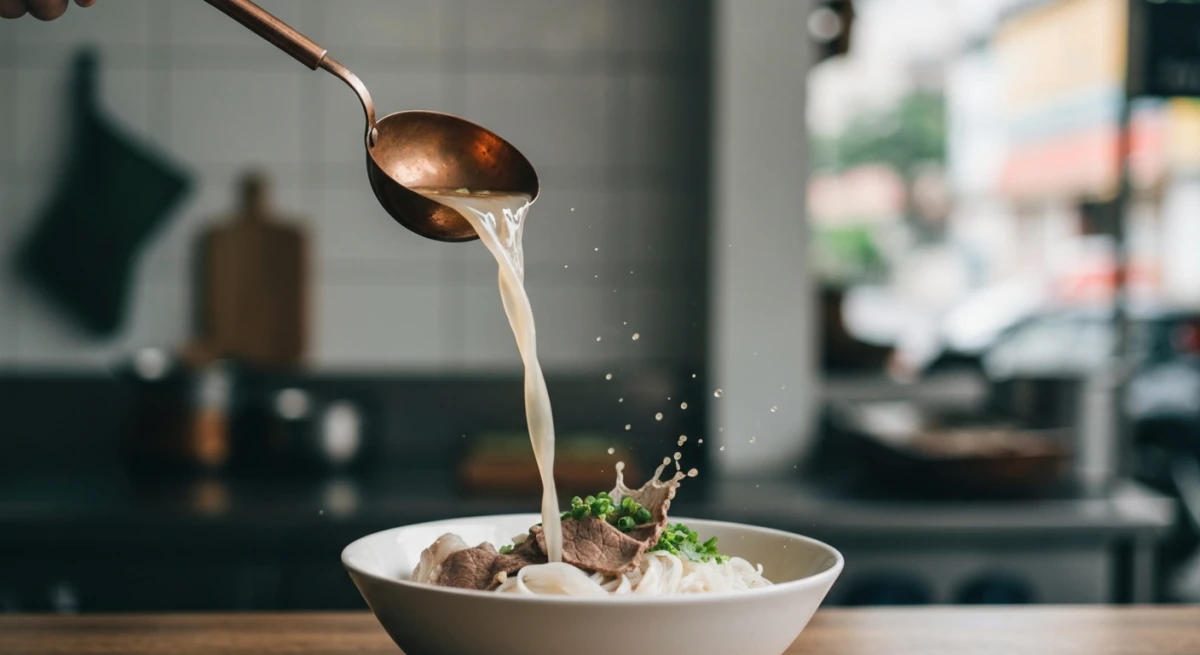
In Saigon, these regional classics adapted to the tropical climate and the abundance of the Mekong Delta. Northern dishes like phở became sweeter, richer, and began incorporating a mountain of fresh herbs and bean sprouts. Central classics like bún bò Huế retained their fiery chili kick but embraced the sweeter profile preferred by southerners. Meanwhile, southern-born dishes took full advantage of the local coconut plantations, fresh seafood, and sugarcane fields.
When you embark on a walking tour, you are not just tasting food; you are tracing the geography and history of Vietnam. Every bowl of noodles represents a journey from a rural province straight to a high-speed metropolitan sidewalk.
Walking vs. Motorbike: Why Slower is Often Better in HCMC
When planning a food tour in Ho Chi Minh City, you will immediately notice two dominant formats: guided motorbike tours and walking tours. While zipping through the city on the back of a scooter is undeniably exhilarating, a walking food tour offers distinct, underrated advantages that can make or break your culinary experience.
1. Intimate Alleyway Exploration
Motorbikes are fantastic for covering large distances between distant districts, but Saigon's true culinary magic happens deep within highly congested hẻms (alleys). These narrow residential corridors are often too tight, crowded, or pedestrian-dense for motorbikes to navigate comfortably. Walking allows you to slow down, peer into local living rooms, observe neighbors chatting, and stumble upon tiny micro-markets that a scooter would bypass entirely.
2. Meaningful Local Interaction
When you walk, you have the luxury of time. You can stop, smile, and engage with the vendors. You can watch the intricate art of a vendor rolling paper-thin bánh cuốn (steamed rice rolls) or charcoal-grilling skewers of beef with mesmerizing precision. These moments of human connection are the soul of travel, and they are much harder to experience when you are constantly mounting and dismounting a motorbike.
3. A Safer, Lower-Stress Environment
Crossing the street in Saigon is an art form, but riding on a motorbike in traffic that resembles a swirling school of fish can be genuinely terrifying for some travelers. A walking tour allows you to stay grounded, adjust to the sensory overload of the city at your own pace, and enjoy your meal without the underlying anxiety of the next high-speed ride.
4. Perfect for Group Dynamics and Families
If you are traveling with young children, elderly family members, or a group of friends who want to chat throughout the experience, a walking tour is infinitely better. On a motorbike tour, you are isolated on the back of an individual scooter for much of the journey. Walking allows you to share reactions, compare notes on flavors, and enjoy a communal stroll.
District-by-District Guide: Saigon's Street Food Neighborhoods
Saigon is divided into numbered and named districts, each boasting its own distinct culinary personality. To design the perfect walking route, it helps to understand what makes each district unique.
District 1: The Historical Hub
District 1 is the heart of the city's tourism, business, and historical landmarks. While it has become highly modernized, pockets of old Saigon remain. If you walk along the old apartment corridors or visit historic markets like Chợ Cũ (the Old Market) on Tôn Thất Đạm Street, you can still find generational food stalls. District 1 is excellent for classic starters like bánh mì from legendary spots (such as Bánh Mì Huỳnh Hoa) or traditional southern-style phở at historical breakfast spots like Phở Minh.
District 3: Alleys and Mid-Century Apartments
District 3 is a leafy, historic neighborhood that perfectly bridges the gap between tourist-friendly and intensely local. The crown jewel for a walking tour here is the Nguyễn Thiện Thuật Apartment Complex. Built in 1968, this block of residential apartments features a maze of ground-floor alleyways overflowing with street food stalls, coffee shops, and local life. Nearby, the bustling Bàn Cờ Market offers incredibly narrow lanes packed with fresh produce and cooked food vendors.
District 4: Seafood, Snails, and Street Food Heaven
Historically known as a gritty waterfront area run by the legendary gangster Năm Cam, District 4 has completely transformed into a culinary goldmine. It is the most densely populated district in the city, meaning its narrow alleys are packed tightly with food stalls. The main draw here is Vĩnh Khánh Street, famous for its endless array of quán ốc (shellfish and snail eateries). Walking through District 4 in the evening is a multi-sensory explosion of charcoal smoke, clinking beer glasses, and the aroma of lemongrass, garlic, and chili.
District 10: The Ultimate Street Food Alley
For travelers willing to take a short taxi ride to start their walking journey, District 10 offers the famous Hồ Thị Kỷ Street Food Market. Running adjacent to the city's largest wholesale flower market, this pedestrian-heavy alleyway is home to over a hundred stalls serving everything from traditional Vietnamese snacks to Cambodian-influenced dishes and modern, youth-centric street eats.
Must-Eat Dishes on Your Ho Chi Minh City Food Tour
To get the most out of your walking food tour in Ho Chi Minh City, you need to know what to look for. Southern Vietnamese cuisine is characterized by its bold use of fresh herbs, sweet and savory flavor balances, and coconut milk additions. Here are the non-negotiable dishes you must try:
Bánh Xèo & Bánh Khọt (Sizzling Savory Pancakes)
Bánh xèo is a large, crispy crepe made of rice flour, turmeric, and coconut milk, stuffed with pork belly, shrimp, bean sprouts, and mung beans. Its smaller cousin, bánh khọt, is a bite-sized, dome-shaped pancake cooked in a heavy cast-iron mold, topped with a single juicy shrimp and a splash of rich coconut cream.
- How to eat it: Tear off a piece of the pancake, wrap it tightly inside a large mustard leaf or lettuce leaf along with fresh herbs (mint, perilla, Thai basil), and dunk it deeply into nước chấm (sweet and savory fish sauce).
Bò Lá Lốt (Grilled Beef in Wild Betel Leaves)
This dish is a true crowd-pleaser. Seasoned ground beef is wrapped into small rolls using fragrant lá lốt (wild betel leaves) and grilled over hot charcoal. The grilling process releases an earthy, smoky aroma from the leaves while keeping the beef inside incredibly juicy.
- How to eat it: Slide the beef rolls off their skewers, wrap them in rice paper with lettuce, herbs, slices of green banana, and starfruit, and dip them in mắm nêm (a pungent, fermented pineapple-anchovy sauce).
Bún Thịt Nướng (Cold Rice Noodles with Grilled Pork)
If you find the tropical heat of Saigon too intense for steaming hot noodle soup, bún thịt nướng is your savior. This dry noodle dish features cold rice vermicelli topped with smoky grilled pork, crispy chả giò (deep-fried egg rolls), fresh herbs, pickled daikon and carrots, crushed peanuts, and a generous pour of light fish sauce dressing. It is a masterclass in contrasting temperatures, textures, and flavors.
Chuối Nếp Nướng (Grilled Banana Wrapped in Sticky Rice)
For a sweet snack, seek out chuối nếp nướng. Ripe, sweet bananas are encased in a layer of sweet sticky rice, wrapped in banana leaves, and grilled until the exterior rice layer becomes beautifully caramelized and crunchy. It is served sliced up, swimming in a warm, sweet-and-salty tapioca-coconut milk sauce, and topped with toasted sesame seeds.
Ốc (Sea Snails and Shellfish)
Eating "snails" (which actually includes clams, oysters, scallops, and various freshwater and saltwater snails) is a cornerstone of Saigon's late-night drinking culture (nhậu). The snails are prepared in a multitude of ways: stir-fried with sweet-and-sour tamarind (xào me), roasted with garlic butter (cháy tỏi), or steamed with lemongrass and ginger. Pair this with a cold Saigon Beer for the ultimate local experience.
Bột Chiên (Pan-Fried Rice Cakes)
A Chinese-influenced dish that has become a staple of Saigon street culture. Cubes of rice flour cake are pan-fried on a massive flat iron skillet until the exterior is crispy and golden. The cook then cracks one or two eggs over the top to bind the cakes together, garnishes it with green onions, and serves it with a mound of shredded green papaya and a sweet, tangy soy dipping sauce.
The Ultimate Self-Guided 3-Hour Walking Food Tour Route
If you prefer to explore independently at your own pace, this carefully curated 2.2-kilometer walking itinerary through District 3 will take you off the beaten path and into the heart of local street food culture.
- Start Time: 5:30 PM (ideal for catching vendors as they open and beating the midday heat)
- Total Walking Distance: ~2.2 km
- Starting Point: Co.opmart Nguyễn Đình Chiểu (District 3)
Stop 1: Warm Up with Sweet Banana & Sticky Rice
From your starting point, walk down Nguyễn Đình Chiểu and turn onto Võ Văn Tần street. Locate Chuối Nếp Nướng Võ Văn Tần (near 378 Võ Văn Tần). Grab one of their legendary grilled bananas wrapped in sticky rice. The crispy, smoky outer rice layer contrasts beautifully with the warm, sweet banana and the rich, creamy coconut sauce poured over it. It’s a perfect, light, sweet-and-savory appetizer to kick off your tour.
- Cost: ~15,000 to 20,000 VND ($0.60 - $0.80 USD)
Stop 2: Dive into the Historic Nguyễn Thiện Thuật Alleys
Walk back toward Nguyễn Thiện Thuật Street and head south into the heart of the historic 1968 apartment complex. The narrow alleyways here are numbered. Turn into Hẻm 242 Nguyễn Thiện Thuật. Here, you will find several vendors selling Bột Chiên (pan-fried rice cakes with egg, green onions, and sweet soy sauce) or deeply savory bowls of Bò Kho (slow-cooked Vietnamese beef stew served with crusty bread). Find a stall with a busy crowd, pull up a plastic stool, and order a plate to share.
- Cost: ~35,000 to 50,000 VND ($1.50 - $2.00 USD)
Stop 3: Market Bites at Chợ Bàn Cờ
Continue walking through the residential paths connecting the apartment buildings west toward Bàn Cờ Market. As you enter this vibrant, narrow market alley, look for a stall serving Bánh Khọt. You can watch the vendor expertly ladle batter into the sizzling iron pans. Sit down and enjoy a plate of these crispy, coconut-infused shrimp bites wrapped in fresh mustard greens.
- Cost: ~40,000 to 60,000 VND ($1.60 - $2.40 USD)
Stop 4: Charcoal Aromas & Bò Lá Lốt
Exit the market heading toward Điện Biên Phủ street, and make your way to a local lane known for its evening charcoal grilling. Look for a stall displaying rows of green beef wraps ready for the grill. Order a portion of Bò Lá Lốt. The vendor will provide you with a platter of fresh herbs, cucumber, rice paper, and dipping sauces. Taking the time to assemble your own fresh spring rolls at the edge of the bustling street is a highlight of any food journey.
- Cost: ~50,000 to 70,000 VND ($2.00 - $2.80 USD)
Stop 5: Cool Down with Chè (Vietnamese Dessert)
End your walking tour by heading to a local sweet shop or a traditional café nearby. Order a glass of Chè Thái (a refreshing sweet soup packed with tropical fruits like jackfruit, longan, and jelly in sweet coconut milk) or a traditional hot Egg Coffee to toast to a successful night of culinary exploration.
- Cost: ~25,000 to 45,000 VND ($1.00 - $1.80 USD)
Essential Safety, Hygiene, and Etiquette Tips for Walking in Saigon
To ensure your walking food tour is memorable for all the right reasons, keep these practical safety and cultural tips in mind:
Master the "Saigon Slow-Walk"
Crossing the street in Ho Chi Minh City can feel like an extreme sport due to the relentless flow of motorbikes. The golden rule is predictability. Step off the curb when there is a slight gap, and walk at a slow, steady, and constant pace. Do not run, do not stop suddenly, and do not try to dodge oncoming scooters. The riders are constantly calculating your trajectory; as long as you move predictably, they will glide smoothly around you like water around a stone.
How to Spot a Safe Food Stall
Street food in Saigon is generally very fresh because the high volume of customers ensures a rapid turnover of ingredients. To avoid an upset stomach:
- Follow the crowds: If a stall is packed with local families or office workers, the food is guaranteed to be fresh and of high quality.
- Look for high-heat cooking: Opt for dishes that are fried, boiled, or grilled right in front of you.
- Examine the ice: Ice used in Saigon is almost universally safe for tourists today. Look for uniform, cylindrical ice cubes with a hole through the middle—this indicates they were made in a commercial, purified ice factory rather than frozen with tap water.
Sidewalk Etiquette
Sidewalks in Saigon are multi-purpose spaces used for pedestrian traffic, motorbike parking, and dining rooms. If you sit down at a stall, keep your bags secure and tucked close to your body. Under many low tables, you will see a small plastic basket or a pile of used tissues on the floor. In Vietnam, it is customary to drop your dirty paper napkins directly onto the floor beneath the table—don't worry, the staff sweeps them up continuously throughout the night!
Frequently Asked Questions (FAQ)
Is a walking food tour safe for kids?
Yes! A walking tour is actually much safer and more comfortable for children than a motorbike tour, as you avoid the hazards of Saigon's chaotic traffic. Kids usually love the interactive elements of street food, like wrapping their own rolls or watching pancakes cook over open flames. Just stick to pedestrian-friendly alleys like those in District 3 or the Hồ Thị Kỷ Market.
Can vegetarians find food on a Saigon walking tour?
Absolutely, but it requires a bit of planning. Look for stalls displaying the sign "Chay" (which means vegetarian/Buddhist food). You can easily find delicious vegetarian versions of phở chay, bánh mì chay, and hủ tiếu chay. If you book a guided tour, inform your operator in advance so they can customize the stops to vegetarian-approved vendors.
When is the best time of day to do a walking food tour?
The evening (between 5:30 PM and 9:00 PM) is by far the best time. The tropical heat cools down, the neon lights of the city turn on, and local street vendors open up their full menus. It is also when the lively street food culture truly comes alive with locals socializing after work.
What should I wear on a walking food tour?
Wear lightweight, breathable clothing and extremely comfortable walking shoes. You will be walking over uneven sidewalks, stepping over curbs, and squeezing through narrow alleys. It is also wise to bring a small umbrella or a lightweight poncho, especially if you are traveling during the rainy season (May to November).
Conclusion
A walking food tour in Ho Chi Minh City is more than just a culinary tasting; it is an immersive window into the daily life of southern Vietnam. By choosing to explore on foot, you gain access to the quiet alleyways, historic housing blocks, and family-run food stalls that define the true spirit of Saigon. Whether you walk with a professional local guide or follow a self-guided route, the bold sweet, sour, salty, and spicy flavors of Saigon’s streets will remain etched in your memory long after your journey ends. Pack your walking shoes, bring an open mind, and get ready for an unforgettable culinary adventure.


