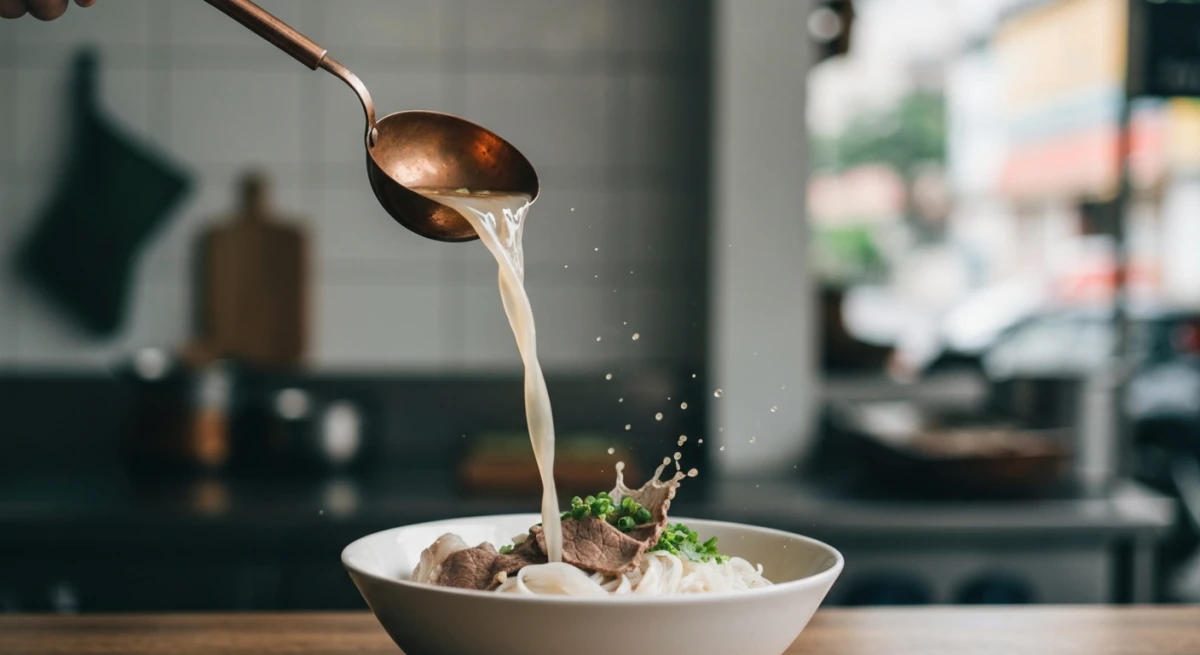
Discovering the true essence of da nang famous food requires stepping off the golden sands of My Khe Beach and navigating the bustling, aromatic alleyways of central Vietnam's coastal jewel. While many travelers flock to this vibrant city to witness the fire-breathing Dragon Bridge or explore the marble caves, seasoned food lovers know that Da Nang's real pulse is felt in its local markets and street-side stalls. This coastal paradise serves as a fascinating culinary bridge: it inherits the refined, spicy complexity of Hue's royal heritage to the north, blends it with the rustic, comforting charm of Hoi An's trading port heritage to the south, and infuses everything with a hyper-fresh, sea-breezy identity of its own.
Whether you are a daring epicurean eager to try pungent fermented sauces, or a traveler searching for the ultimate crispy pancake, this guide is your definitive roadmap. We will dive deep into the absolute must-eat local dishes, reveal the exact neighborhood spots that locals keep secret, and share essential eating etiquette so you can navigate the Da Nang food scene like a seasoned pro. Prepare your palate—your culinary adventure in Central Vietnam starts now.
1. The Holy Trinity of Da Nang Noodles
Mì Quảng (Quang-Style Flat Rice Noodles)
If Da Nang had an official culinary ambassador, it would undoubtedly be Mì Quảng. Originating from the surrounding Quang Nam Province, this dish is a beautifully orchestrated chaos of textures and flavors. Unlike standard Vietnamese noodle soups like Pho, where the ingredients swim in a copious amount of clear broth, Mì Quảng is served with just a shallow splash of intensely concentrated, savory broth.
The foundation of the dish lies in the wide, flat rice noodles, which are sometimes tinted a vibrant yellow using natural turmeric, and other times left pure white. The noodles are topped with an array of proteins, typically featuring tender slices of pork, plump shrimp, hard-boiled quail eggs, and sometimes wild chicken or snakehead fish. The magic, however, lies in the garnish: a generous handful of fresh Vietnamese herbs (including baby mustard greens, mint, and shredded banana blossoms), roasted peanuts, chopped scallions, and a crucial sheet of crispy, toasted sesame rice paper (bánh tráng).
How to Eat It like a Local: Do not eat this dish section by section. Squeeze a fresh lime wedge over the bowl, add a spoonful of charred chili jam (sa tế), and crumble the crispy sesame rice cracker directly into the bowl. Use your chopsticks and spoon to toss everything thoroughly, ensuring every noodle is coated in the rich broth and every bite contains a perfect harmony of chewy, crunchy, herbaceous, and savory elements.
Where to Eat:
- Mì Quảng Bà Mua: 95A Nguyễn Tri Phương, Hải Châu District. Known for its rich, traditional broth and wide selection of toppings.
- Mì Quảng 1A: 1A Hải Phòng, Hải Châu District. Famous for its authentic local feel and exceptional shrimp and pork combination.
Bún Chả Cá (Fish Cake Noodle Soup)
Being a major coastal city, Da Nang boasts an abundance of fresh marine life, which is celebrated beautifully in Bún Chả Cá. This vibrant, colorful noodle soup is a morning favorite among locals and offers a completely different flavor profile compared to northern or southern noodle dishes.
The broth of Bún Chả Cá is a masterclass in balance. It is simmered for hours using fish bones, pumpkin (bí đỏ), cabbage, sweet pineapple (thơm), and bamboo shoots. This combination imparts a naturally sweet, slightly tart, and deeply comforting flavor without relying on heavy artificial sweeteners. Floating in this golden broth are two types of fish cakes: chả cá hấp (delicately steamed fish cakes, which are soft and highlight the clean flavor of the fish) and chả cá chiên (fried fish cakes, which are chewy, savory, and golden-brown). The fish cakes are seasoned with local garlic, black pepper, and dill.
Where to Eat:
- Bún Chả Cá 109 Nguyễn Chí Thanh: 109 Nguyễn Chí Thanh, Hải Châu District. A legendary establishment serving steaming bowls of this coastal classic for decades.
- Bún Chả Cá Ông Tạ: 113A Nguyễn Chí Thanh, Hải Châu District. Renowned for its generous fish cakes and rich, deeply flavorful broth.
Bún Mắm Nêm (Noodles with Fermented Anchovy Sauce)
For travelers looking to transition from "tourist" to "authentic explorer," Bún Mắm Nêm is the ultimate culinary litmus test. While Pho is gentle and universally approachable, Bún Mắm Nêm is loud, proud, and unapologetically bold. The defining ingredient of this dry noodle bowl is mắm nêm—a pungent, intensely savory sauce made from fermented anchovies, pineapple juice, chili, garlic, and sugar.
Underneath the drizzle of this powerful sauce lies a bed of cold rice vermicelli noodles, crispy-skinned roasted pork belly (thịt heo quay), tender boiled pork, or savory beef. It is layered with fresh herbs, lettuce, cucumber, unripe papaya slivers, and boiled young jackfruit (mít trộn) which acts as a fantastic vehicle for absorbing the rich sauce. The dish is finished with toasted peanuts and crispy fried shallots.
Where to Eat:
- Bún Mắm Cô Liên: 52 Trần Bình Trọng, Hải Châu District. An iconic local spot where you can customize your toppings and experience the perfect balance of funky and sweet.
- Chợ Cồn (Con Market) Food Court: Hùng Vương, Hải Châu District. Head to the bustling inner wet market area for a truly rustic, local bowl.
2. The Art of the Roll: Interactive Street Feasts
Bánh Xèo & Nem Lụi (Sizzling Crispy Pancakes & Lemongrass Pork Skewers)
In Da Nang, dining is often a tactile, hands-on experience, and nothing embodies this better than the legendary pairing of Bánh Xèo and Nem Lụi. While Southern Vietnamese bánh xèo is massive and coconut-laced, the Da Nang variety is smaller, thicker, and fried to an ultra-shatteringly crispy golden-brown. Made from rice flour, turmeric, and water, the batter is poured into small, screaming-hot cast-iron pans, where it sizzles loudly (hence the name "xèo," which mimics the sound of sizzling). It is stuffed with fresh shrimp, pork belly, and sweet bean sprouts.
Nem Lụi, its inseparable companion, consists of seasoned minced pork paste wrapped around fresh lemongrass stalks and grilled over glowing charcoal embers until caramelized and smoky.
Instead of the standard sweet-and-sour fish sauce found elsewhere, Da Nang serves these dishes with a warm, thick, and velvety dipping sauce (nước tương) made from ground pork liver, peanuts, and toasted sesame seeds.
How to Assemble the Perfect Roll: Take a sheet of dry, thin rice paper. Lay down a crisp leaf of lettuce, followed by a handful of aromatic herbs (including mint, perilla, and sour starfruit or green banana slices). Place a piece of the crispy Bánh Xèo in the center. Slide a hot Nem Lụi skewer onto the pile, press down firmly with your fingers, and slide the lemongrass wooden stick out. Roll everything tightly into a cylinder, dip it generously into the warm peanut-liver sauce, and take a bite. The explosion of hot, cold, crispy, savory, herbaceous, and nutty flavors is pure culinary poetry.
Where to Eat:
- Quán Bà Dưỡng: K280/21 Hoàng Diệu, Hải Châu District. Hidden deep within a narrow maze-like alley, this is the undisputed temple of Bánh Xèo in Da Nang. Despite the crowds, the quality remains unmatched.
Bánh Tráng Cuốn Thịt Heo (Pork Belly Wrapped in Rice Paper)
On a hot, humid tropical afternoon, locals bypass hot soups in favor of Bánh Tráng Cuốn Thịt Heo. This clean, incredibly refreshing dish highlights the absolute quality of local pork and fresh greens.
What makes Da Nang’s version famous is the precision of the pork preparation. The meat must be boiled pork belly cooked so perfectly that it features "two layers of skin" on both ends of each thin slice (thịt heo hai đầu da). It is accompanied by a mountain of raw vegetables—often including up to 15 different varieties of herbs, wild lettuce, cucumber, green mango, and thinly sliced green banana.
To eat, you layer a sheet of soft, moist rice paper over a dry rice cracker, pile on the herbs, add a slice of the tender, melt-in-your-mouth pork, roll it up, and dip it into a bowl of spicy mắm nêm. It is fresh, cooling, and packed with deep umami flavor.
Where to Eat:
- Quán Trần: 4 Lê Duẩn, Hải Châu District. A cleaner, more upscale setting famous for its premium cuts of pork and immaculate presentation.
- Quán Mậu: 35 Đỗ Thúc Tịnh, Cẩm Lệ District. A beloved local favorite that offers a more rustic, highly authentic, and budget-friendly experience.
3. Coastal Delicacies & Under-the-Radar Street Snacks
Gỏi Cá Nam Ô (Nam O Raw Fish Salad)
While many travelers are familiar with Japanese sashimi, few realize that Da Nang has its own brilliant raw fish heritage. Originating from the historic coastal fishing village of Nam Ô, located at the foot of the Hai Van Pass, Gỏi Cá Nam Ô is a dish born of the sea.
This dish features ultra-fresh, raw herring (cá trích) that is caught in the early morning hours and meticulously cleaned. There are two distinct variations of this dish:
- Gỏi cá khô (Dry fish salad): The raw fish is cured in lemon juice and then tossed in a generous coating of toasted, ground rice powder (thính), which absorbs excess moisture and adds a beautiful, nutty flavor.
- Gỏi cá ướt (Wet fish salad): The raw herring is marinated directly in a fiery, deep-orange sauce made from boiled fish broth, ginger, galangal, minced garlic, and fresh chilies.
Both styles are rolled in rice paper with an array of unique wild forest herbs—including broad-leafed greens harvested directly from the Son Tra Peninsula—and dipped in a robust sauce made from Nam O's famous traditional fish sauce. It is spicy, citrusy, aromatic, and carries zero fishy odor. This dish is truly the "Vietnamese Sashimi" of Da Nang.
Where to Eat:
- Gỏi Cá Thanh Hương: 1029 Nguyễn Lương Bằng, Liên Chiểu District. A legendary seaside spot that has been perfecting this raw fish specialty for generations.
Bánh Tráng Kẹp (Grilled Rice Paper with Toppings)
As the sun dips below the horizon, Da Nang’s youth culture comes alive, and their snack of choice is Bánh Tráng Kẹp. Often called "Vietnamese Pizza," this street food staple is a magnificent afternoon snack.
A thin sheet of dry rice paper is placed over a glowing charcoal grill. The vendor quickly brushes it with rich pork pate, quail eggs, dried beef flakes (khô bò), fried shallots, and green scallion oil. As the charcoal heat toasts the rice paper to a crispy, golden texture, it is folded or left flat, then cut into bite-sized pieces. It is served with a sweet, sticky, and spicy tamarind chili dipping sauce that perfectly cuts through the rich egg and pate.
Where to Eat:
- Bánh Tráng Kẹp Dì Hoa: 62/2A Núi Thành, Hải Châu District. Tucked away in a quiet neighborhood, this spot is packed daily with students seeking affordable, piping-hot street snacks.
4. Steamed Rice Wonders & Savory Rice Plates
The Central Steamed Trio: Bánh Bèo, Bánh Nậm & Bánh Lọc
For a lighter bite or an afternoon snack, Da Nang locals love to indulge in the delicate, steamed rice cakes inherited from nearby Hue. These are usually sold by street vendors with specialized steaming pots or found in local market food halls:
- Bánh Bèo (Water Fern Cakes): Tiny, individual porcelain saucers filled with a thin layer of steamed savory rice batter, topped with a bright orange mixture of minced dried shrimp, crispy pork rinds, scallion oil, and a sweet, mild fish sauce poured on top.
- Bánh Nậm: Flat, rectangular rice flour parcels stuffed with seasoned minced pork and shrimp, wrapped in banana leaves and steamed. You scrape the soft, melt-in-your-mouth paste directly off the leaf with a spoon.
- Bánh Lọc (Tapioca Dumplings): Translucent, chewy tapioca gems filled with a whole caramelized shrimp and a tiny slice of pork belly, steamed in banana leaves. They are highly elastic, sweet, savory, and visually beautiful.
Where to Eat:
- Chợ Bắc Mỹ An (Bac My An Market): Nguyễn Bá Lân, Ngũ Hành Sơn District. An exceptional local market where you can try all three at incredibly low prices in a vibrant, fast-paced environment.
Cơm Gà (Vietnamese Chicken Rice)
If you need a hearty, satisfying meal to fuel your explorations of the Marble Mountains, Cơm Gà is the perfect choice. This dish features long-grain rice cooked in a rich chicken fat broth and tinted a beautiful golden-yellow with fresh turmeric.
It is typically served in two ways: Cơm Gà Quay (featuring a crispy, deep-fried chicken leg with crackling skin and juicy meat) or Cơm Gà Xé (featuring shredded, tender chicken tossed with Vietnamese coriander, lime juice, black pepper, and thinly sliced onions). The dish is accompanied by a bowl of hot chicken broth, pickled cucumbers, and a highly addictive sweet-and-sour chili sauce.
Where to Eat:
- Cơm Gà A Hải: 96 Phan Châu Trinh, Hải Châu District. Widely considered the best crispy chicken rice spot in the city, with a constant stream of delivery drivers and hungry locals.
5. Sweet Endings: Legendary Da Nang Desserts
Kem Bơ (Avocado Ice Cream)
To combat the tropical humidity of central Vietnam, locals do not turn to standard ice cream cones; instead, they head straight for Kem Bơ. This ingenious dessert is a spectacular sweet treat.
At the base of the glass or bowl is a thick, velvety layer of freshly whipped, ripe green Highland avocado (bơ sáp). This is not guac-style; it is silky, rich, buttery, and naturally sweet. A generous scoop of sweet, creamy coconut milk ice cream is placed on top of this rich green base, followed by a drizzle of sweetened condensed milk, a sprinkle of toasted, crunchy dried coconut flakes, and sometimes fresh durian or crushed peanuts.
When you scoop a bit of the cold coconut ice cream together with the buttery avocado and the crunchy coconut flakes, you get an absolute masterclass in contrasting textures and tropical flavors.
Where to Eat:
- Kem Bơ Cô Vân: Inside Chợ Bắc Mỹ An (Bac My An Market). The absolute pioneer of this dessert, serving thousands of happy patrons every single day for over three decades.
Chè Liên (Durian Sweet Soup)
No dessert has captured the hearts of Vietnamese people quite like Chè Thái (or Chè Liên). This local brand originated in Da Nang and has become so sensationally popular that it is packed in coolers and shipped daily via domestic flights to Hanoi and Saigon.
The dessert is a creamy, sweet bowl filled with a variety of jelly pieces, jackfruit, longan, and palm seeds, all bathed in a rich coconut milk broth. The star of the show is a generous, decadent dollop of pureed, fragrant durian paste. If you love durian, this is absolute heaven; if you are skeptical, the sweet coconut broth is the perfect gateway to falling in love with the King of Fruits.
Where to Eat:
- Chè Liên: 189 Hoàng Diệu, Hải Châu District. The flagship branch of this dessert empire, always packed with tourists and locals alike.
6. Essential Tips for Foodies in Da Nang
To get the absolute most out of your food tour in Da Nang, keep these expert tips in mind:
- Embrace the Market Scene: Da Nang’s indoor markets are culinary goldmines. Con Market (Chợ Cồn) is the absolute street food mecca of the city, featuring a dedicated indoor food court where you can hop from stall to stall. Han Market (Chợ Hàn) is great for buying dry food gifts, while Bac My An Market is the go-to spot for ultra-cheap snacks and desserts.
- Follow the Crowds: The best local stalls often specialize in just one or two dishes. Look for spots with low plastic stools, a mountain of discarded lime wedges and napkins on the floor (a sign of a busy, high-turnover local spot), and a crowd of locals parked out front.
- Master the Grab App: Grab (Southeast Asia's version of Uber) is invaluable in Da Nang. Not only is it the safest and easiest way to hop between hidden alleyway restaurants, but GrabFood is also fantastic for ordering late-night snacks directly to your beachside hotel.
Frequently Asked Questions About Da Nang Famous Food
What is the single most famous food in Da Nang?
While Da Nang has many regional specialties, Mì Quảng (Quang-style flat noodles) is universally recognized as the signature dish of the city and the surrounding Central Vietnam region. Its unique style of minimal broth and heavy reliance on fresh textures makes it a must-try for any visitor.
Is street food in Da Nang safe to eat?
Yes, street food in Da Nang is generally very safe, hygienic, and incredibly fresh due to the high turnover of customers. To ensure safety, eat at busy stalls where the food hasn't been sitting out, drink bottled water, and look for places where you can see the ingredients being freshly prepared.
How much does street food cost in Da Nang?
Da Nang is an incredibly budget-friendly destination. A generous bowl of Mì Quảng or Bún Chả Cá typically costs between 30,000 to 50,000 VND (approx. $1.20 to $2.00 USD). A dessert like Kem Bơ is usually around 15,000 to 25,000 VND (less than $1.00 USD).
Where can I find the best vegetarian or vegan food in Da Nang?
Da Nang has a massive Buddhist culture, meaning vegetarian ("An Chay") food is highly accessible, especially during the 1st and 15th days of the lunar month. Look for signs that say "Quán Chay" for delicious plant-based versions of local classics like Bún Chả Cá and Mì Quảng.
Conclusion
Exploring da nang famous food is far more than just filling your stomach; it is an immersive, sensory gateway into the history, coastal geography, and warm hospitality of Central Vietnam. From the fiery kick of fermented mắm nêm to the shatteringly crisp crunch of fresh bánh xèo, every dish tells a story of a city that respects its agricultural roots while embracing its coastal future. So, step away from the international resort menus, grab a low plastic stool on a bustling sidewalk, and experience the bold, beautiful, and unforgettable flavors of Da Nang today.