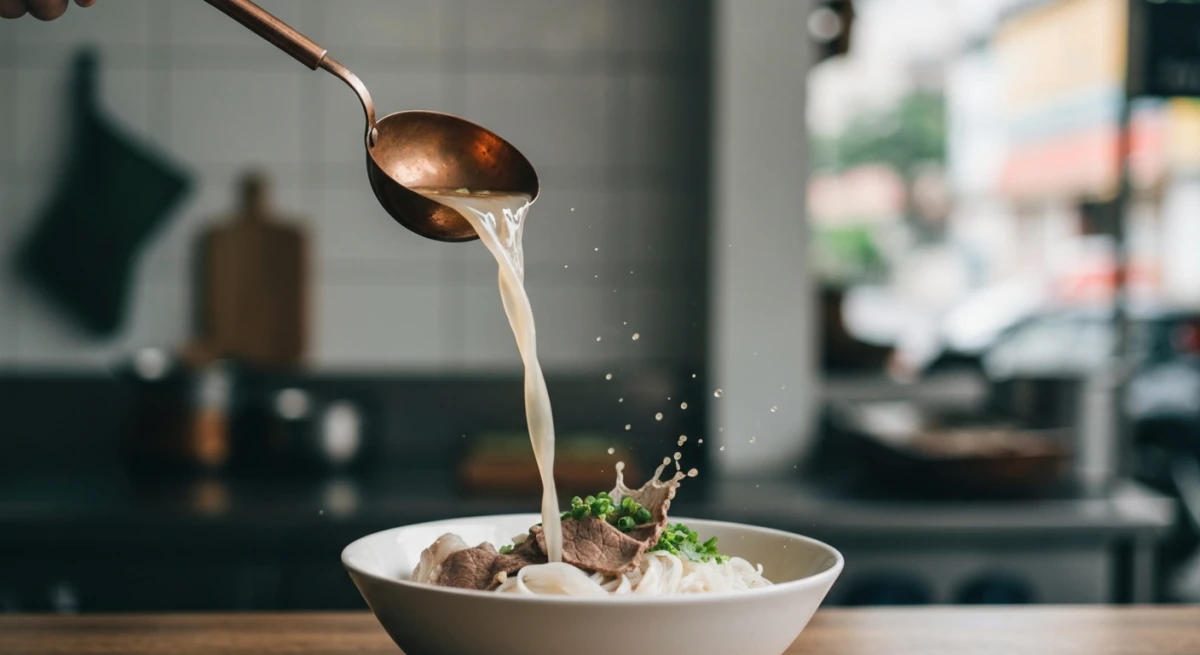
An excursion from Ho Chi Minh City to the legendary Cu Chi Tunnels is a journey into one of the most remarkable chapters of modern military history. While most visitors arrive expecting to squeeze through claustrophobic passageways, marvel at ingenious booby traps, and learn about guerrilla tactics, they are often surprised to find that a significant part of the experience revolves around sensory immersion—specifically through food.
What did soldiers eat to survive decades of subterranean warfare? How did they cook hot meals without sending telltale plumes of smoke into the sky, alerting enemy bombers? And once you emerge from the underground labyrinth, what regional culinary masterpieces await you in the surrounding countryside?
This comprehensive guide dives deep into the fascinating history of cu chi tunnels food, from the humble, life-saving wartime rations served to tourists today to the legendary smokeless stoves and the succulent local delicacies you must try on your journey back to Saigon.
1. Eating Like a Soldier: The Story of Wartime Cassava (Khoai Mì)
For the Viet Cong fighters living in the complex, 250-kilometer underground network of Cu Chi, survival was an hourly struggle. Aside from dodging constant bombardment and malaria-carrying mosquitoes, their greatest daily adversary was hunger. The primary lifeline that kept these soldiers fed was a humble root vegetable: cassava (locally known in southern Vietnam as khoai mì or historically referred to as tapioca).
The Wartime Reality vs. The Tourist Experience
Today, at the end of your tour through either the Ben Dinh or Ben Duoc tunnel sections, you will be guided to a rustic, open-air wooden shelter. Here, hospitable staff dressed in traditional black guerrilla uniforms and checkered khăn rằn scarves will serve you a plate of freshly steamed cassava.
The piping-hot, starchy root is served alongside a small dish of muối đậu phộng mè—a rustic dipping mixture of crushed roasted peanuts, toasted sesame seeds, salt, and a pinch of sugar. It is accompanied by a cup of hot, unsweetened green tea or pandan-infused tea.
To the modern traveler, this snack is surprisingly delicious. The cassava is soft, earthy, and slightly sweet, with a comforting, crumbly texture that contrasts beautifully with the salty, nutty, and fatty crunch of the peanut mixture.
However, your tour guide will quickly remind you of the stark contrast between this warm, comforting treat and the grim reality of wartime. During the conflict:
- Freshness was a luxury: The cassava eaten by guerrillas was rarely fresh or properly cooked. Roots were often dug up in haste, stored in damp underground bunkers, and frequently became moldy, bitter, or infested with weevils.
- Extreme scarcity: There were weeks on end when soldiers had nothing but boiled cassava for breakfast, lunch, and dinner. The monotony was mentally exhausting, and the lack of protein led to severe malnutrition, anemia, and night blindness.
- Water contamination: The hot tea served to you today is clean and fragrant. During the war, water was sourced from muddy forest wells or the nearby Saigon River, often contaminated with dirt, debris, and chemical defoliants.
The Botanical Danger of Cassava
What many tourists do not realize is that eating cassava during the war carried inherent botanical risks. Raw cassava contains cyanogenic glycosides, which can release toxic hydrogen cyanide if not prepared correctly. To make it safe to eat, the roots must be thoroughly peeled, soaked in water for several hours, and boiled completely with the lid off to allow the toxic gas to escape.
Underground, in cramped quarters with limited water, minimal ventilation, and the constant threat of discovery, cooking cassava thoroughly was not just a culinary chore—it was a life-or-death procedure. Eating improperly cooked cassava out of desperate hunger often led to chronic cyanide poisoning, further weakening the guerrilla forces.
Why Cassava Was the Perfect War Crop
The choice of cassava as the primary survival food was not accidental; it was a highly strategic agricultural decision:
- Underground Growth: Because cassava grows entirely underground, the edible tubers were protected from aerial bombing raids and chemical defoliants like Agent Orange, which decimated above-ground rice paddies and fruit orchards.
- Low Maintenance: Cassava thrives in poor, acidic, laterite soils—precisely the type of dense clay soil found in the Cu Chi district. It required almost no active cultivation, allowing fighters to focus on guerrilla operations.
- Long Harvest Window: Unlike rice, which must be harvested at a precise time, cassava can remain buried in the soil for up to two years, acting as a natural, underground food locker that could be dug up only when needed.
2. The Genius of the Hoang Cam Smokeless Stove (Bếp Hoàng Cầm)
To truly understand how cu chi tunnels food was prepared, one must examine one of the most brilliant engineering marvels of the Indochina and Vietnam Wars: the Hoang Cam Stove (Bếp Hoàng Cầm).
The Deadly Problem of Cooking Underground
In the dense jungles of Southern Vietnam, smoke was a death sentence. Cooking food requires fire, and fire produces smoke. If a cookfire released a visible plume of smoke above the forest canopy, US reconnaissance aircraft would instantly spot the location. Within minutes, artillery shells or napalm strikes would rain down on the coordinates, destroying the camp.
Initially, the guerrillas tried cooking only at night or eating cold, raw rations. However, eating cold food for months led to widespread digestive illnesses, and cooking in the dark was highly inefficient.
Enter the "Guitar Stove"
In 1951, during the resistance against the French, a creative military chef named Hoàng Cầm invented an ingenious smokeless stove that completely revolutionized wartime survival.
Born in 1916 in Hà Nam province, Hoàng Cầm was a cook in the 308th Division. He designed a stove intake and chimney system that diffused and dissipated smoke from cooking, preventing aerial detection. The stove became so vital that it was used extensively in the Cu Chi Tunnels and throughout the Ho Chi Minh trail.
How the Smokeless Stove Worked
The Hoang Cam stove solved the smoke detection problem through clever physics and underground architecture:
- The Firebox Pit: The stove itself was dug deep into the clay earth, usually on the first or second level of the tunnels (about 3 meters underground).
- The Condensation Chambers: Instead of a direct chimney leading straight up to the surface, the stove was connected to a series of long, gently sloping horizontal tunnels dug into the dirt.
- Smoke Dissipation: As hot smoke traveled away from the firebox through these subterranean channels, it cooled down. The moisture and heavy soot particles in the smoke condensed and adhered to the damp soil walls.
- The Final Vent: By the time the remaining air reached the surface through hidden vents camouflaged by brush and leaves, the smoke was entirely gone. It emerged merely as a cool, faint, microscopic mist that clung to the damp jungle floor, indistinguishable from the natural morning fog.
Visiting the reconstructed Hoang Cam kitchens at Ben Duoc or Ben Dinh allows you to see this brilliant system firsthand. It is a sobering reminder that food preparation in Cu Chi was just as tactical, dangerous, and highly coordinated as any frontline combat mission.
3. Feasting Beyond the Tunnels: Must-Try Cu Chi District Specialties
While the historical snacks inside the memorial park offer a profound educational experience, your culinary journey is far from complete. The wider Cu Chi district is famous throughout Vietnam for its rich agricultural heritage and highly specific local dishes.
Once your tour concludes, bypass the generic tourist buffets and seek out these genuine local culinary gems:
A. Bo To Cu Chi (Cu Chi Heifer Beef)
If there is one dish that represents the culinary pride of the region, it is Bò Tơ Củ Chi (heifer beef). The natural grasslands of Cu Chi, nourished by the Saigon River basin, are ideal for raising cattle. Locals selectively harvest young heifers—usually around five months old—resulting in meat that is incredibly tender, lean, and subtly sweet, with a thin, gelatinous skin that cooks to a perfect chew.
How It is Served:
- Bò Tơ Hấp Cuộn Bánh Tráng (Steamed Beef Wrapped in Rice Paper): Slices of tender, freshly steamed beef (often infused with lemongrass) are served alongside a massive platter of rau rừng (wild forest vegetables and herbs). You wrap the beef and wild herbs tightly in local rice paper, then dip it into a pungent, savory mắm nêm (fermented anchovy dipping sauce sweetened with pineapple).
- Bò Nướng Tảng (Charcoal-Grilled Beef Slab): Chunks of heifer beef are marinated in garlic, lemongrass, and local spices, then grilled over open charcoal tables right at your seat.
- The Importance of "Rau Rừng" (Wild Herbs): The true secret to Bo To Cu Chi is the accompanying forest vegetables. A proper platter features up to 30 varieties of wild leaves, including sao nhái (cosmos), quế vị (lemon basil), đọt xoài (young mango leaves), lá cóc (ambarella leaves), and nhái. Each leaf adds a unique bitter, sour, spicy, or aromatic note that perfectly balances the rich beef and savory dipping sauce.
Where to try it: Stop by Bò Tơ Xuân Đào or Bò Tơ Lâm Đường, both legendary, expansive open-air restaurants located along National Route 22 (QL22) on the drive back to Ho Chi Minh City.
B. Durian Sugarcane Juice & Steamed Coconut Cassava at Vuon Cau
On the long highway back to Saigon, there is a legendary pit stop that has been drawing thirsty travelers for over 25 years: Nước Mía Vườn Cau (Vườn Cau Durian Sugarcane Juice).
This is not your average roadside juice stall. The owners patented a highly popular, tropical beverage concept that marries the refreshing sweetness of freshly pressed sugarcane with the rich, buttery aroma of durian:
- The Secret Recipe: The fresh sugarcane juice is blended with a generous dollop of pureed durian meat, a splash of rich coconut milk, and a smooth paste made from cooked, mashed mung beans.
- The Taste: It is an absolute revelation. The icy beverage is incredibly creamy, sweet, and nutty, balancing the intense aroma of durian with the clean, hydrating sweetness of sugarcane.
- The Perfect Pairing: You must pair your cup of durian sugarcane juice with a plate of Khoai Mì Hấp Nước Cốt Dừa (cassava steamed in rich coconut milk). Unlike the plain wartime cassava served inside the tunnels, this local delicacy is slow-cooked with thick coconut cream, pandan leaves, and sugar, resulting in a melt-in-your-mouth, dessert-like texture topped with toasted sesame seeds.
Where to find it: Nước Mía Vườn Cau, 259A Quốc Lộ 22, Tân Thông Hội, Củ Chi. It is highly recognizable by the sea of cars and tour buses parked outside.
C. Goi Mit Non Tom Thit (Young Jackfruit Salad with Pork and Shrimp)
In the rural backyards of Cu Chi, jackfruit trees grow in abundance. Locals have mastered the art of utilizing young, unripened jackfruit to create one of the most refreshing salads in Southern Vietnam.
- The Dish: The white, starchy flesh of young jackfruit is boiled until tender, then shredded to mimic the texture of meat. It is tossed with poached pork belly, sweet river shrimp, sliced onions, Vietnamese coriander (rau răm), and crushed roasted peanuts.
- The Dressing: The salad is dressed in a sweet, tangy, and slightly spicy garlic-chili fish sauce dressing.
- How to Eat: You scoop the salad up with crispy, toasted black sesame rice crackers (bánh tráng mè), providing a wonderful contrast of textures—crispy, chewy, herbaceous, and savory.
D. Minh Quy Pork Noodles (Bún Giò Heo Minh Quý)
If you are visiting the tunnels on an early morning half-day tour, there is no better way to fuel up beforehand than with a steaming bowl of pork knuckle noodle soup at Quán Bún Giò Heo Minh Quý.
- Operating since the mid-20th century, this legendary local diner is famous for its crystal-clear, intensely savory broth brewed for hours from pork bones and dried squid.
- You can choose your cut of pork: tender pork knuckle (giò heo), lean sliced pork, or rich, gelatinous pork skin, served over soft rice vermicelli noodles and topped with fresh scallions and cilantro. It is comfort food at its absolute finest.
4. Crafting the Ultimate Cu Chi Foodie Day Trip Itinerary
To get the absolute most out of your historic and culinary journey, avoid the standard, rigid group tours that herd you into tourist-trap buffet halls. Instead, rent a private car or book a customized motorbike tour to execute this flawless, food-centric itinerary:
| Time | Activity | Culinary Highlight |
|---|---|---|
| 07:30 AM | Depart Ho Chi Minh City (District 1) | Grab a quick iced Vietnamese milk coffee (cà phê sữa đá) for the road. |
| 08:30 AM | Breakfast Pit Stop on Highway 22 | Stop at Bún Giò Heo Minh Quý for a hearty bowl of pork knuckle noodle soup. |
| 10:00 AM | Arrive at the Ben Duoc Tunnels | Choose Ben Duoc over Ben Dinh for a more authentic, less crowded experience. |
| 10:15 AM - 12:15 PM | Tour the Tunnels, Kitchens, and Exhibits | Explore the historic subterranean maze and see the Hoang Cam Stove demonstration. |
| 12:15 PM | Historic Snack Session | Rest at the forest clearing and enjoy steamed cassava dipped in peanut-sesame salt with hot pandan tea. |
| 01:15 PM | Late Lunch: Local Specialties | Head to Bò Tơ Xuân Đào for a feast of tender, charcoal-grilled heifer beef wrapped in wild forest leaves. |
| 03:00 PM | Afternoon Dessert & Refreshment | Stop at Nước Mía Vườn Cau for legendary durian sugarcane juice and sweet coconut-steamed cassava. |
| 04:30 PM | Return to Ho Chi Minh City | Arrive back in District 1, fully satisfied and enriched with history. |
5. FAQs About Cu Chi Tunnels Food
Is the cassava served at the Cu Chi Tunnels safe to eat?
Yes, absolutely. The steamed cassava served to tourists today is grown under modern agricultural standards, thoroughly washed, peeled, and steamed to perfection in clean, hygienic kitchens. It is 100% safe for foreign travelers to consume.
I am a vegetarian/vegan. Can I eat the food served at the Cu Chi Tunnels?
Yes! The steamed cassava served at the end of the tunnel tour is naturally vegan and gluten-free. It consists solely of the boiled root vegetable, and the dipping condiment is a dry mix of salt, sugar, sesame seeds, and peanuts. However, if you have a severe peanut allergy, you should avoid the dipping salt entirely.
How much does the food cost inside the Cu Chi Tunnels?
The plate of boiled cassava and hot tea served at the end of the tour is completely free—it is included in the price of your entrance ticket (around 125,000 VND for international visitors) as part of the historical reenactment experience.
Can I buy food to take home as a souvenir?
At the exit of the tunnel sites, you will find several small stalls selling local snacks. You can buy packaged rice papers (which Cu Chi is famous for making), dried banana sheets, and local candies. If you stop at Nước Mía Vườn Cau, you can also purchase boxes of their delicious coconut-steamed cassava to enjoy later in your hotel.
6. Conclusion: A Journey of Taste and Resilience
Food is more than just sustenance; it is a mirror reflecting a nation's history, climate, and survival instincts. The food of the Cu Chi Tunnels tells a story of incredible resilience. It shows how the humble cassava root preserved the lives of thousands of soldiers underground, and how the brilliant Hoang Cam stove turned a dangerous necessity—cooking—into a masterclass in camouflage.
When you pair this historical education with a culinary exploration of Cu Chi's modern specialties, like tender heifer beef and rich durian sugarcane juice, your day trip transforms from a standard sightseeing tour into an unforgettable, multi-sensory journey through the soul of Southern Vietnam.
(Note: When planning your trip, remember to pack sunscreen, mosquito repellent, and plenty of water for the outdoor walking sections. Happy exploring—and bon appétit!)