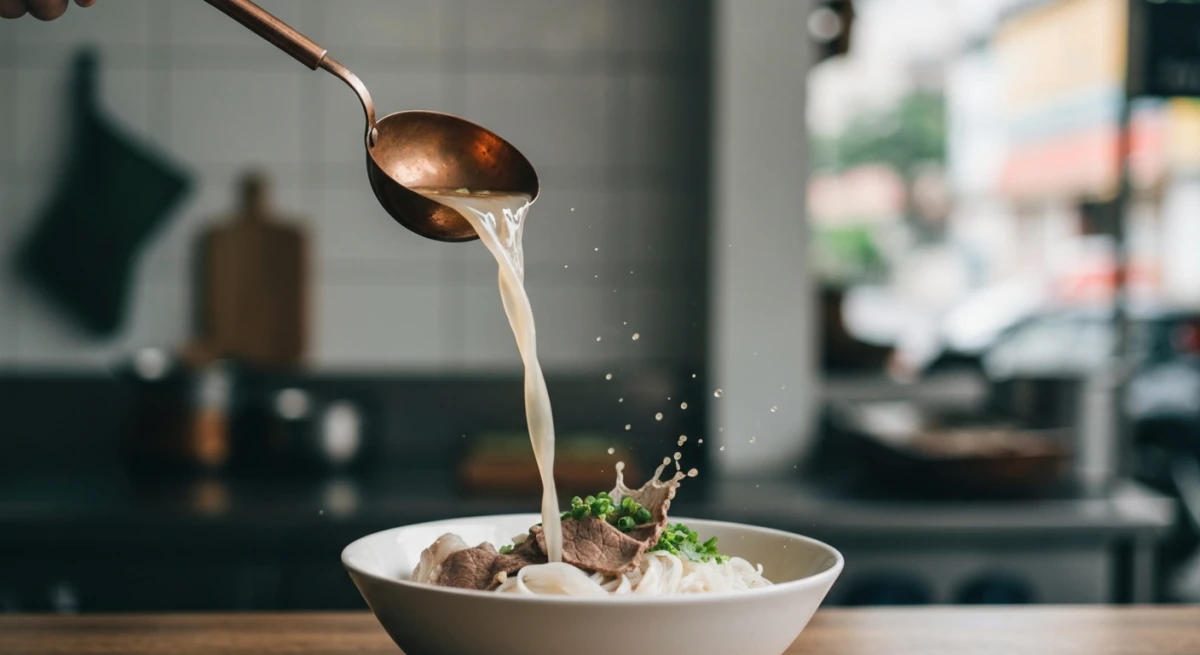
Whether you are a lifelong herbivore, a committed plant-based traveler, or a curious epicurean looking to diversify your culinary palate, finding the absolute best vegetarian restaurant HCMC has to offer is an adventure in itself. Ho Chi Minh City (still affectionately called Saigon by locals) is currently undergoing a massive culinary evolution. While the city has long been celebrated worldwide for its sizzling pork banh mi and slow-cooked beef pho, it has quietly blossomed into one of Southeast Asia's premier plant-based sanctuaries. This green revolution is fueled by two distinct forces: a deep, ancient Buddhist tradition of vegetarianism known as "Chay," and a vibrant, modern wave of local and international chefs who treat plant-based ingredients with the same reverence and sophistication as fine-cut meats. Today, eating vegetarian in Saigon is no longer an exercise in compromise—it is a world-class gastronomic journey. From hidden Michelin-starred garden villas to artisanal, locally sourced nut-cheese labs and bustling alleyway street stalls, here is your definitive guide to the elite vegetarian and vegan dining spots in Ho Chi Minh City.
The Deep-Rooted Culture of "Chay" in Saigon
To truly appreciate the depth of the plant-based options in Ho Chi Minh City, one must first understand the concept of "Chay" (pronounced like "try" with a "ch"). Rooted deeply in Mahayana Buddhism, eating chay is a spiritual act of compassion and purification. For generations, millions of Vietnamese have committed to eating entirely vegetarian food on the first and fifteenth days of every lunar month (the New Moon and Full Moon days). On these days, the demand for meat-free options skyrockets, and local "Quan Chay" (vegetarian eateries) are flooded with local diners. If you visit a vegetarian restaurant HCMC on these lunar days, expect a vibrant, bustling atmosphere, and be sure to book higher-end tables well in advance.
Historically, "Chay" food was simple pagoda fare designed for monastic life: simple tofu, boiled vegetables, and basic rice dishes. However, as the city has developed, so too has its culinary creativity. Today, local cooks have mastered the art of creating direct plant-based equivalents of almost every traditional Vietnamese meat dish. Whether it is vegan "bun cha" (grilled noodle salad), "bun bo Hue" (spicy lemongrass noodle soup), or crispy spring rolls, you will find incredibly accurate plant-based variations across the city.
However, there is a key distinction between traditional "Chay" and modern Western veganism. Strictly observant Buddhist Chay food avoids the "five pungent roots" (onion, garlic, scallions, chives, and leeks), as they are believed to excite the senses and disrupt spiritual focus. While this means traditional local spots may lack garlic, modern fusion restaurants across HCMC use these ingredients freely. Additionally, while Vietnamese Chay is naturally dairy-free because dairy is not a traditional staple of local cooking, some desserts or beverages may contain condensed milk, and some noodle dishes may contain eggs. If you are strictly vegan, it is always helpful to look for the phrase "thuan chay" (purely vegan) to avoid any animal-derived components.
The Michelin-Recognized Elite: Premium Dining
1. Hum (Hum Signature, Hum Central, Hum Garden)
No discussion of the ultimate vegetarian restaurant HCMC experience is complete without mentioning Hum. As a highly decorated icon of the city's food scene, Hum has repeatedly received the prestigious Michelin Bib Gourmand. It has also been ranked in TripAdvisor's global Top 20 Best of the Best Vegan and Vegetarian Restaurants, establishing it as a global culinary destination. Hum operates three unique locations, each offering a distinct aesthetic and spatial story:
- Hum Signature (Vo Van Tan, District 3): Located inside a beautifully restored French-colonial villa, Hum Signature has introduced an elevated, plant-based fine dining tasting menu. This experience focuses on showcasing the delicate, natural flavors of seasonal Vietnamese ingredients through advanced culinary techniques.
- Hum Central (District 1): Situated in the historic heart of the city, this venue allows diners to enjoy world-class food while gazing out at century-old architectural masterpieces like the Notre-Dame Cathedral and the Central Post Office.
- Hum Garden (Thao Dien, District 2/Thu Duc City): A stunning, lush retreat nestled away from the city's chaotic traffic. It features open-air garden spaces, peaceful wooden architecture, and calming water features.
Hum's culinary philosophy centers on clean, organic, and locally sourced ingredients that promote holistic health. A must-order is their iconic Lotus Leaf Rice, a fragrant, highly textured blend of brown rice, lotus seeds, chopped mushrooms, and carrots gently steamed inside a fresh lotus leaf. Another standout is the Spiced Tofu in Claypot, a deeply comforting dish where silken tofu is slow-braised with local aromatic herbs in a rich, savory glaze. Pair your meal with their highly creative house mocktails or organic herbal teas.
2. Chay Garden (Vo Van Tan & Thao Dien)
Another multi-year recipient of the Michelin Bib Gourmand, Chay Garden is a masterpiece of sensory storytelling. The founders envisioned a space where diners could leave behind the frantic hum of Saigon's motorbikes and step into a tranquil green sanctuary where food and soul align.
- The District 3 Courtyard (Vo Van Tan): Hidden down a narrow, quiet alley, this branch features a nostalgic Indochine-style design. The outdoor garden courtyard is draped in delicate fairy lights, shaded by tropical trees, and kept cool by massive, antique-style propeller fans.
- The Thao Dien Oasis (Xuan Thuy, District 2): This location is legendary for its premium vegetarian buffet. For approximately 350,000 VND (around $14 USD) per person, diners can enjoy an unlimited, beautifully styled feast of Michelin-quality local and fusion dishes. It is widely considered one of the best value-for-money dining experiences in Vietnam.
Chay Garden's kitchen excels at complex, layered preparations. The Eggplant and Banana Claypot is a masterpiece of rustic Vietnamese home cooking, achieving a perfect sweet-savory balance through the meticulous reduction of rich coconut milk. The Mixed Mushroom Hotpot utilizes six varieties of fresh mushrooms sourced from the temperate hills of Da Lat, yielding a deeply restorative, savory broth that acts as a soothing tonic for the body. Be sure to try their Larb of Tofu, which beautifully incorporates vibrant Thai-style herbs and spices.
3. Shamballa Vegetarian, Lounge & Tea House
Located in District 1, Shamballa offers an escape into a Tibetan-inspired realm of mindfulness and high-end gastronomy. The interior is a sensory sanctuary, featuring warm candle lighting, natural stone walls, tranquil Buddha statues, and the soothing scent of premium incense. The food here is treated as a visual and culinary art form, with stunningly artistic presentations.
Their menu is a creative playground. The Grilled Tofu Wrapped in La Lot (Wild Betel Leaves) is a revelation, providing a smoky, deeply herbaceous, and savory alternative to the traditional Vietnamese beef street food classic. Their seasonal Lotus Seed and Wild Mushroom Soup is a thick, nourishing starter that warms the soul, while their extensive array of flowering artisanal teas adds a touch of elegant ritual to your dining experience.
Artisan and International Plant-Based Spaces
4. Kashew Cheese Deli (Thao Dien & District 7)
If you think going vegan means giving up the indulgence of fine cheeses, Kashew Cheese Deli will happily prove you wrong. Founded in 2015 by visionary local entrepreneur Le Na, Kashew began as a small passion project in a home kitchen. Le Na noticed a frustrating irony: although Vietnam is one of the world's leading exporters of raw cashews, the local market relied entirely on imported dairy or low-quality artificial vegan cheeses. Combining traditional European cheesemaking and fermentation methods with organic, homegrown Vietnamese cashews, she created a local dairy-free cheese revolution.
Today, Kashew Cheese Deli operates as an artisanal fermentation lab and highly popular neighborhood café with branches in the expat-friendly neighborhoods of Thao Dien and District 7. The original Thao Dien location sits in a shaded, peaceful courtyard complex, attracting a vibrant community of digital nomads, long-term expats, and traveling foodies. Every foundational ingredient here is crafted on-site from scratch. Their signature Pesto Panini features house-baked, warm wholemeal sourdough bread stuffed with creamy, house-fermented cashew mozzarella and vibrant, freshly pressed basil pesto. The Aubergine, Tomato, and Cashew Cheese Pasta is a comforting, rich, and deeply satisfying dish that draws praise from vegans and omnivores alike. For a shared experience, order their signature Artisanal Cheese Board, showcasing a rotating selection of aged cashew cheeses—including smoked hickory, garlic-infused, and black ash varieties—served alongside fresh sourdough crackers and sweet house-made chutneys. Don't leave without tasting their Salted Caramel Cashew Dessert, a rich, decadent treat that gets its velvety smoothness entirely from pure cashew cream.
5. Heal & Celeb Restaurant
Boasting an exceptional 4.9-star rating on Google, Heal & Celeb is a cozy, zen-inspired sanctuary tucked away in District 1. This wellness-centric eatery focuses heavily on "functional nutrition," crafting dishes designed to nourish, heal, and energize the body. The owners are highly passionate about clean eating, avoiding processed ingredients, refined sugars, and artificial flavorings. Their menu is a beautiful balance of clean local favorites and modern international wellness food. Their Superfood Smoothie Bowls are thick, vibrant, and loaded with locally sourced dragon fruit, mango, raw seeds, and coconut flakes. For a warmer, savory meal, their Clean-Eating Vegan Pho is a standout. Rather than relying on the heavy, MSG-laden powders often found in cheap eateries, Heal & Celeb slow-simmers their broth for hours using roasted star anise, cinnamon, charred ginger, and sweet root vegetables, resulting in a clean, comforting bowl of noodles that feels like a warm, restorative hug.
Authentic Local Gems and Street Food (Under $5)
For travelers who want to dive headfirst into the authentic, everyday culinary culture of Saigon, you do not need to spend a fortune. Some of the most flavorful plant-based meals in the city are served on plastic stools at bustling street-side joints.
6. Chan Nhu II & Pho Chay Nhu
Situated near the edge of the popular Pham Ngu Lao backpacker district, Chan Nhu II is a legendary, family-run vegan institution. With a straightforward, no-frills setup of stainless steel tables and plastic chairs, it is constantly packed with local Buddhist monks, working-class Saigonese, and adventurous backpackers. Here, you can feast like a king for under $3 USD. Their Phở Chay is arguably one of the most satisfying bowls of noodle soup in the city, boasting a deeply aromatic broth loaded with a variety of mushrooms, fresh herbs, tofu skins, and house-made mock meats. Alternatively, you can order a plate of "Com Chay" (rice with mixed dishes) and point to a colorful buffet line of braised soy-protein, stewed pumpkin, stir-fried morning glory, and caramelized tofu. The food is incredibly fresh, continuously rotated, and packed with traditional Vietnamese home-cooked flavor.
7. Banh Mi Xanh
Traditional Vietnamese street banh mi is notoriously difficult for vegetarians to navigate, as standard stalls layer the baguettes with pork paté, pork fat, lard-based mayonnaise, and various cold cuts. Banh Mi Xanh, a small, dedicated vegan stall in District 1, completely eliminates this problem, serving up 100% plant-based baguettes that rival any traditional meat version. Their best-seller is the Vegan Pate Banh Mi. The crispy, airy French baguette is spread with a rich, savory house-made mushroom-and-lentil paté and vegan mayonnaise, then stuffed with marinated lemongrass tofu, mock ham, crunchy pickled daikon and carrots, fresh cucumber spears, and plenty of fresh cilantro. It is an extraordinary symphony of textures—crispy, soft, creamy, and crunchy—with a balanced sweet, savory, and tangy flavor profile that defines the very best of Vietnamese street food.
8. Rau Oi Vegetarian
Located on Le Thi Hong Gam street in the heart of District 1, Rau Oi is a wonderful mid-way spot that bridges the gap between basic street stalls and high-end restaurants. It offers a clean, modern, air-conditioned environment with extremely reasonable local prices. Their menu is extensive, but their vegetable dishes are the true stars. The Stir-Fried Pumpkin Flowers with Garlic is a local specialty that is beautifully light, slightly sweet, and savory. Their Fried Spring Rolls (Cha Gio Chay) are incredibly crispy, hand-rolled daily, and stuffed with a rich filling of taro, wood ear mushrooms, and glass noodles. It is the perfect place for a quick, comfortable, and highly authentic lunch.
The Ultimate HCMC Vegetarian Survival & Dining Guide
Navigating a country's food scene when you have dietary restrictions can sometimes feel stressful, especially in a city as fast-paced as Ho Chi Minh City. Use these expert tips to ensure your culinary journey is seamless, safe, and delicious.
Master the Local Linguistics
While English is widely spoken in upscale areas like District 1 and Thao Dien, knowing a few key Vietnamese phrases will be your ultimate shield at local street food stalls and non-vegetarian restaurants:
- "Tôi ăn chay" (pronounced Toy un chay): "I eat vegetarian/vegan." This is the absolute golden phrase. The word "chay" automatically communicates that you do not eat meat, poultry, or seafood.
- "Không nước mắm" (pronounced Khong nuoc mum): "No fish sauce." Fish sauce is the invisible backbone of Vietnamese cuisine. Even if a dish is technically made of vegetables, it may be seasoned with fish sauce. Specifying this ensures they use soy sauce instead.
- "Không trứng" (pronounced Khong trung): "No eggs."
- "Không sữa" (pronounced Khong sua): "No milk." Useful when ordering Vietnamese iced coffees, which are traditionally made with sweet condensed dairy milk.
- "Nước tương" (pronounced Nuoc tuong): "Soy sauce." Ask for this as a dipping alternative.
Identify "Hidden" Non-Vegetarian Ingredients
When dining at standard, non-vegetarian restaurants that claim to offer "vegetarian-friendly" dishes, always be on high alert for these common hidden elements:
- Lard (Mỡ heo): Many street cooks use pork fat rather than vegetable oil to fry garlic, vegetables, or noodles, and they may top dishes with crispy pork rinds. Stick to dedicated vegetarian ("Chay") restaurants to guarantee 100% plant-based cooking.
- Chicken or Pork Powder (Hạt nêm): Standard Vietnamese kitchens rely heavily on savory seasoning powders that often contain chicken or pork extract. In non-chay venues, even a "vegetable soup" might use a meat-based seasoning base.
- Oyster Sauce (Dầu hào): Stir-fried greens like morning glory (Rau muống) are often tossed in oyster sauce. Ask them to substitute it with mushroom-based vegetarian oyster sauce (dầu hào chay).
Frequently Asked Questions (FAQ)
Is it easy to find vegan and vegetarian food in Ho Chi Minh City?
Absolutely. Ho Chi Minh City is exceptionally vegetarian-friendly. Thanks to deep Buddhist traditions, you will find "Chay" restaurants on nearly every street corner. The city has hundreds of dedicated meat-free dining spots, ranging from humble alleyway buffet stalls costing less than $2 USD to Michelin-recognized fine dining establishments.
What is the difference between "Chay" and modern veganism?
Traditional Vietnamese "Chay" is almost entirely plant-based and naturally dairy-free because dairy is not a staple of local cuisine. However, traditional Buddhist Chay strictly excludes the "five pungent roots" (garlic, onions, scallions, chives, and leeks) because of religious and spiritual beliefs. In contrast, modern Western-style vegetarian/vegan spots in HCMC use garlic and onions heavily. Additionally, some modern local spots may use condensed milk in drinks or eggs in noodles, so if you are strictly vegan, ask for "thuần chay" (purely vegan) or "không trứng, không sữa" (no eggs, no milk).
Are there gluten-free vegetarian options in HCMC?
Yes, but you must navigate carefully. Vietnamese cuisine is naturally highly gluten-friendly because the vast majority of local noodles (like Pho and Bun), rice papers, and rice dishes are made from 100% rice flour. However, local "Chay" spots use a wide variety of mock meats, which are almost always made from wheat gluten (seitan) or seasoned with soy sauce containing wheat. If you are highly gluten-sensitive, avoid mock meats and stick to whole-food options like fresh tofu, mushrooms, rice, fresh herbs, and rice-noodle-based soups.
Do I need to make reservations at top vegetarian restaurants in Saigon?
For high-end, popular spots like Hum Signature, Hum Central, or Chay Garden, reservations are highly recommended, especially for dinner. This is particularly crucial on the 1st and 15th days of the lunar month (the New Moon and Full Moon days), when a significant portion of the local population eats vegetarian, causing these establishments to fill up incredibly quickly.
Embracing Saigon's Green Gastronomy
Ho Chi Minh City's vegetarian dining scene is a brilliant testament to how a city can honor its ancient spiritual heritage while eagerly embracing modern, sustainable culinary innovation. Whether you are tasting Michelin-awarded banana blossom salads in a quiet garden villa, enjoying artisanal fermented cashew cheeses on a shaded patio in Thao Dien, or enjoying a piping hot bowl of $2 vegan pho on a plastic street stool, Saigon offers an extraordinarily rich and diverse plant-based landscape. By stepping off the beaten path and exploring the world of "Chay," you are not just enjoying exceptionally healthy, delicious food—you are connecting deeply with the cultural, spiritual, and historical pulse of this magnificent city. Pack your appetite, master a few basic phrases, and prepare to embark on one of the most satisfying food journeys of your life.