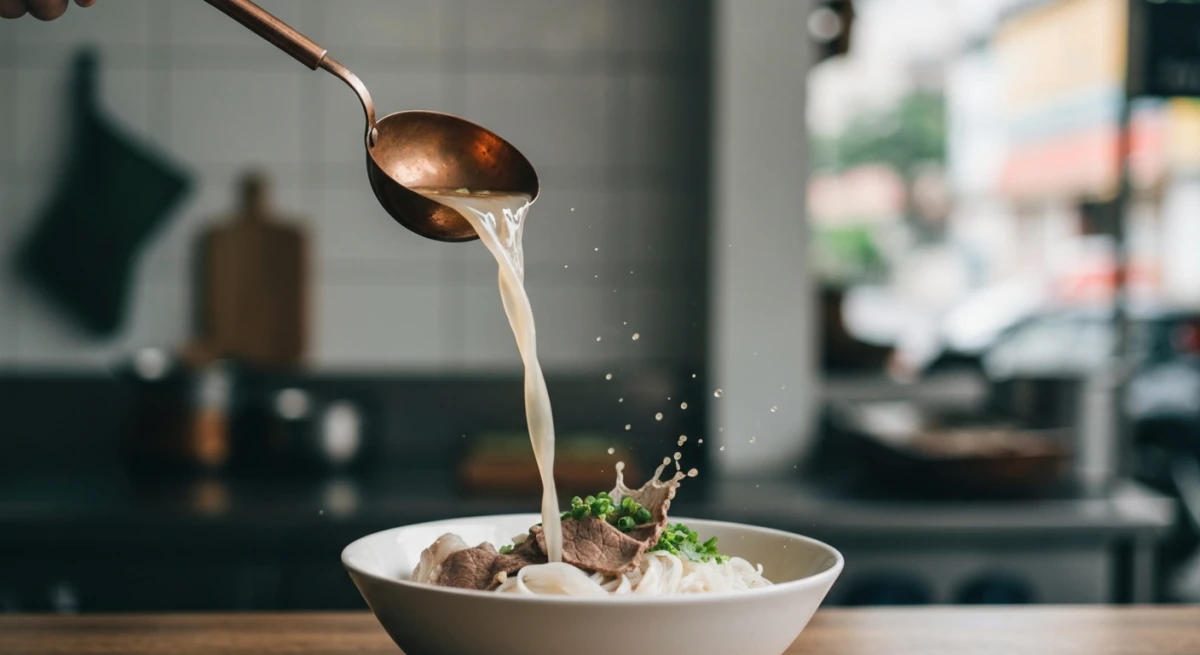
When travelers think of Vietnamese cuisine, their minds often drift to the steaming beef pho of Hanoi or the sweet, vibrant broken rice of Ho Chi Minh City. But tucked right in the geographic heart of the country is Central Vietnam’s crown jewel—a coastal paradise where the food scene is louder, spicier, and infinitely more texturally complex. Finding the absolute best da nang food isn’t just about filling your stomach; it’s an exploration of geography, history, and culinary ingenuity. This guide is your ultimate passport to navigating the smoky alleyways, bustling markets, and coastal tables to eat like a true local.
The Soul of Central Vietnam: What Makes Da Nang Food Unique?
Unlike the subtle, black-pepper-accented dishes of the North or the sweet, sugar-forward profiles of the South, Central Vietnamese cooking is unapologetic. It is a cuisine defined by intense heat, brilliant yellow turmeric, deep umami fermentations, and mountains of fresh, bitter, and peppery wild herbs.
Da Nang’s unique culinary fingerprint is shaped by its environment. Nestled between the mountains and the sea, local cooks have instant access to incredibly fresh seafood, rich agricultural valleys, and unique local spring water. But history has also played a massive role. Being just an hour south of Hue, the ancient imperial capital, Da Nang inherited a love for meticulous preparation, complex dipping sauces, and bite-sized delicacies.
Moreover, Da Nang serves as a culinary melting pot. It has adopted and adapted dishes from its neighbors: Quang Nam’s rustic flat noodles, Hue’s spicy lemongrass beef soups, and Hoi An’s chewy, lye-water-soaked wheat noodles. The result is a vibrant city-wide menu where you can experience the best of Central Vietnamese gastronomy on a single street corner.
The Big Five: Iconic Da Nang Dishes You Must Try (And How to Eat Them)
To truly understand the local palate, you have to eat your way through the five pillars of Da Nang street food. These aren't just meals; they are interactive sensory experiences.
1. Mì Quảng (Quang-Style Noodles)
If Da Nang had an official culinary ambassador, it would be Mì Quảng. Originating from the surrounding Quang Nam province, this dish is a beautifully orchestrated chaos of textures and colors.
The base consists of wide, flat rice noodles, which are often infused with turmeric to give them a vibrant golden hue. Unlike a traditional noodle soup like pho, Mì Quảng is served with only a tiny splash of intensely concentrated, highly savory bone broth reduction. This gravy-like broth is simmered for hours with shallots, garlic, black pepper, and fish sauce.
The toppings are incredibly diverse. A classic bowl might feature river shrimp (tôm), tender pork belly (thịt heo), chicken (gà), and boiled quail eggs (trứng cút). Modern variations even include farm-raised frog (ếch) or beef (bò). The magic happens with the garnishes: toasted peanuts, crispy fried shallots, shredded banana blossoms, water spinach, mint, and a large shard of crispy, toasted sesame rice cracker (bánh tráng).
How to eat it like a local: Do not treat this like soup. First, break the toasted sesame cracker directly into the bowl with your hands. Add a generous squeeze of fresh lime juice and a few slices of spicy green chili. Grab your chopsticks and spoon, and vigorously toss everything together from the bottom up, ensuring the noodles and herbs are completely coated in the rich gravy. Every bite should yield a perfect contrast of soft noodle, crunchy peanut, snappy herb, and crispy cracker.
Where to eat:
- Nu Đồ (11/1 Che Lan Vien): Selected by the Michelin Guide, Chef Tuyet elevates this humble street food into a gourmet masterpiece using premium ingredients and a clean, artistic presentation.
- Mì Quảng Bà Mua (95A Nguyen Tri Phuong): A legendary local chain that offers consistently excellent, rustic bowls with a deeply traditional flavor profile.
2. Bánh Xèo & Nem Lụi (Sizzling Crepes and Lemongrass Pork Skewers)
While Bánh Xèo can be found throughout Vietnam, Da Nang’s version is uniquely crispy and compact. Made from a batter of rice flour, coconut milk, and turmeric, the batter is poured into screaming-hot, small cast-iron pans. It sizzles fiercely (hence xèo, meaning "sizzling") and is stuffed with pork, small shrimp, and fresh bean sprouts until the exterior turns into a golden, shatteringly crisp shell.
This is almost always paired with Nem Lụi—succulent skewers of minced pork belly mixed with spices, wrapped around fresh stalks of lemongrass, and grilled over hot charcoal until caramelized and smoky.
What truly elevates this duo in Da Nang is the sauce. Instead of the standard sweet-and-sour nước chấm fish sauce used in the south, Da Nang eateries serve a thick, warm, savory dipping sauce (nước tương đậu phộng) made from pork liver, ground peanuts, toasted sesame, and soy sauce. It is rich, nutty, and highly addictive.
How to eat it like a local: This is hands-on work. Take a sheet of dry, thin rice paper and place it flat in your palm. Lay down a crisp leaf of mustard greens or lettuce, followed by a handful of fresh herbs (mint, fish mint, perilla). Break off a section of the hot, crispy Bánh Xèo and place it on top. Lay a hot Nem Lụi skewer in the center. Wrap the rice paper tightly around the ingredients, firmly grip the roll, and pull the lemongrass stick out. Dip the entire roll deeply into the warm liver-peanut sauce and take a massive bite.
Where to eat:
- Bánh Xèo Bà Dưỡng (K280/21 Hoang Dieu): Tucked deep inside a bustling, narrow alleyway, this legendary institution is always packed, smoky, and unbelievably delicious.
- Bánh Xèo Lipton (K280/28 Hoang Dieu): Located just a few doors down from Bà Dưỡng, it offers a slightly calmer environment with equally spectacular flavor.
3. Bún Chả Cá (Fish Cake Noodle Soup)
Being a coastal city, Da Nang has turned fish cake noodle soup into an absolute art form. Bún Chả Cá features soft, thin rice vermicelli noodles bathed in a vibrant orange broth that is naturally sweet and incredibly aromatic.
The secret to the broth is the slow-simmering of fish bones along with chunky local vegetables like pumpkin, cabbage, pineapple, tomatoes, and bamboo shoots. This creates a deeply comforting, sweet-and-sour flavor profile that tastes of the ocean without being overly fishy.
The star of the show, however, is the chả cá (fish cakes). Local cooks hand-knead fresh fish paste (usually made from mackerel, barracuda, or lizardfish) with garlic, dill, pepper, and fish sauce until it achieves a bouncy, elastic texture. These are either steamed (chả cá hấp) or fried until golden brown (chả cá chiên), and sliced into generous chunks.
How to eat it like a local: Customize your bowl using the condiments on the table. A squeeze of lime is essential. Most locals will also add a dollop of mắm ruốc (fermented shrimp paste) to deepen the umami, along with a spoonful of house-made pickled purple onions and spicy chili paste.
Where to eat:
- Bún Chả Cá Hờn (113/3 Nguyen Chi Thanh): A Michelin Selected local favorite that has been serving up legendary, massive bowls of fish cake soup for decades.
- Bún Chả Cá 109 (109 Nguyen Chi Thanh): Famous for its incredibly bouncy, fresh fish cakes and savory, clear broth.
4. Bánh Tráng Cuốn Thịt Heo (Pork Belly Wrapped in Rice Paper)
On a hot, humid Da Nang afternoon, nothing hits the spot quite like Bánh Tráng Cuốn Thịt Heo. This is a cold assembly dish that celebrates purity of flavor and incredible knife skills.
The focal point of the dish is the boiled pork belly. Master carvers slice the pork so thin and precisely that each piece features a strip of tender meat sandwiched between two delicate ribbons of translucent skin at both ends (known locally as thịt heo hai đầu da).
This is served alongside a platter of paper-thin cucumber slices, green banana, sour starfruit, and an absolute jungle of wild herbs (including lettuce, mint, fish mint, sweet basil, and perilla).
The wrapping process is unique. You are given two types of rice paper: a dry, crispy sheet and a wet, soft sheet. You press the wet sheet onto the dry sheet to fuse them, creating a wrapper that is simultaneously pliable and structurally sound.
How to eat it like a local: Place your fused rice paper on a plate. Layer your herbs, a slice of cucumber, starfruit, green banana, and a slice of the dual-skinned pork belly. Roll it up tightly. Dip it into Mắm Nêm—a pungent, fermented anchovy sauce seasoned with minced pineapple, garlic, lime juice, chili, and sugar. It is intense, sharp, sweet, and funky, perfectly cutting through the rich fat of the pork belly.
Where to eat:
- Quán Mậu (35 Do Thuc Tinh): A local, no-frills favorite that serves some of the most perfectly sliced pork belly and the most balanced mắm nêm in the city.
- Quán Trần (4 Le Duan): A clean, air-conditioned, and slightly more upscale restaurant chain that is highly approachable for first-time visitors.
5. Bún Mắm Nêm (Fermented Anchovy Sauce Noodle Bowl)
If you have fallen in love with the complex, funky world of mắm nêm, then your next stop must be Bún Mắm Nêm. This is a dry vermicelli noodle bowl that packs a serious punch.
Instead of the delicate broth of a soup, this dish uses cold rice noodles topped with crispy, roasted pork belly (thịt quay), boiled pork, or tender beef. This is layered over a bed of finely shredded green papaya, fresh herbs, toasted peanuts, and crispy fried shallots. The entire bowl is then generously drenched in spicy, aromatic mắm nêm.
Every bite is an explosion of texture and flavor—the crunch of the pork crackling, the snap of the raw papaya, the freshness of the herbs, and the unapologetic, deep umami-chili kick of the fermented sauce.
How to eat it like a local: Toss the bowl thoroughly so every noodle strand absorbs the sauce. Keep a cold glass of fresh sugarcane juice (nước mía) nearby to help soothe the spice!
Where to eat:
- Bún Mắm Cô Thảo (Inside Con Market food court): A legendary stall inside the city’s busiest market that serves an intensely authentic, spicy bowl.
- Bún Mắm Bà Thuyên (K424/3 Le Duan): Tucked in a quiet alleyway, this spot has been a local institution for over 30 years.
Coastal Feasts: Decoding Da Nang's Seafood Scene
You cannot write a guide to the best da nang food without dedicating a massive chapter to the sea. Stretching along a pristine 30-kilometer coastline, Da Nang is a seafood lover’s paradise. The local seafood culture is democratic, chaotic, and incredibly fresh.
In Da Nang, the seafood dining experience is a theatrical ritual. You won't find frozen fish on ice here. Instead, you walk into massive, open-air beachside venues lined with dozens of blue and red plastic tubs filled with aerated, circulating seawater. Inside, you’ll find live mud crabs, blue lobsters, swimming sea snails, clams, oysters, and various species of ocean fish.
The process is simple:
- Walk up to the tanks with a staff member.
- Point to the sea creatures you want.
- They will scoop them out, weigh them live in front of you, and write down the weight.
- You choose your preferred cooking method.
The Essential Seafood Dishes and Cooking Styles:
- Chip Chip Hấp Sả (Steamed Baby Clams with Lemongrass): Chip Chip is a small, local bivalve clam that is incredibly sweet. They are steamed in large pots with heaps of fresh lemongrass, ginger, and green chilies. The resulting broth is an elixir of pure ocean sweetness and aromatic heat.
- Hàu Nướng Mỡ Hành (Grilled Oysters with Scallion Oil and Peanuts): Fresh, plump oysters are grilled over charcoal until hot, then drenched in a rich mixture of rendered pork fat, scallion oil, and crispy fried shallots, finished with a sprinkle of crushed roasted peanuts.
- Cua Xào Me (Mud Crab in Tamarind Sauce): Fleshy, sweet local mud crabs stir-fried in a thick, sweet-and-sour tamarind reduction. Be sure to order a loaf of crusty Vietnamese baguette (bánh mì) to mop up every drop of the sticky, tangy sauce.
- Mực Lá Nướng Sa Tế (Grilled Squid with Sate Chili): Whole thick-body squid scored and marinated in a fiery lemongrass-chili sate paste, grilled over hot coals and served with a sweet-and-sour dipping sauce.
Where to eat:
- Năm Đảnh (K139/H59/38 Tran Quang Khai): Located deep inside a labyrinth of narrow alleyways in the Son Tra peninsula, this legendary spot is notoriously difficult to find, but it is always packed to the brim. Why? The seafood is incredibly fresh, and nearly every dish on the menu is priced at a ridiculously cheap flat rate. It is the ultimate local adventure.
- Quán Bé Mặn (B14-B15 Vo Nguyen Giap): Located directly on the main beach boulevard, Bé Mặn is a massive, roaring, neon-lit hangar of seafood. It is loud, chaotic, and more expensive than alleyway spots, but the quality of their live seafood is unmatched.
Street Food Playgrounds: Han Market, Con Market, and Beyond
While individual restaurants offer incredible specialized dishes, sometimes you want to graze. Da Nang's local markets are the beating heart of the city's street food culture, offering a dizzying array of snacks under one roof.
Chợ Cồn (Con Market)
If you only have time to visit one food market, make it Con Market. Located at the bustling intersection of Ong Ich Khiem and Hung Vuong streets, this is where local Da Nang residents go to shop, socialize, and eat.
Walk straight to the indoor food court (Khu ẩm thực). Here, you will find a dense maze of stalls presided over by friendly local women wearing colorful aprons. Sit down on a tiny plastic stool and point to what looks good.
- Try Bánh Bèo, Bánh Nậm, and Bánh Bột Lộc: These are Central Vietnamese steamed rice delicacies. Bánh Bèo are small, delicate steamed rice cakes served in individual porcelain saucers, topped with savory minced shrimp, scallion oil, and crispy pork rinds. Bánh Nậm are flat rice flour parcels stuffed with seasoned minced pork and shrimp, wrapped in banana leaves and steamed. Bánh Bột Lộc are chewy, translucent tapioca dumplings filled with a whole caramelized shrimp and pork belly, served with a sweet, spicy fish sauce.
- Try Chè (Vietnamese Sweet Dessert Soups): After a spicy meal, cool down with a cup of Chè. You can choose from sweet corn soup, banana sweet soup with coconut cream, or a colorful cup of mixed beans, jellies, and shaved ice (chè thập cẩm).
Chợ Hàn (Han Market)
Located closer to the Han River and the famous Dragon Bridge, Han Market is a bit more tourist-friendly. While the ground floor is packed with stalls selling souvenirs, dried seafood, and coffee, the food section is a fantastic spot to grab a quick, clean lunch.
Here, you can easily sample high-quality versions of Mì Quảng, Bún Chả Cá, and freshly pressed fruit juices at very reasonable prices. It is an excellent, shaded refuge from the midday heat.
The Expat & Modern Culinary Scene (Including Michelin Honors)
While traditional street food is the undeniable star of the show, Da Nang's rapid modernization has birthed a highly sophisticated contemporary culinary landscape. In 2024, the prestigious Michelin Guide officially extended its coverage to Da Nang, highlighting the city’s culinary maturity.
The Michelin Impact
The arrival of Michelin has shone a spotlight on both humble street food venues and high-end dining. Establishments like Nu Đồ (reinventing Mì Quảng) and Bún Chả Cá Hờn received well-deserved recognition, proving that great food doesn't require white tablecloths.
For those looking for upscale dining, La Maison 1888 (located inside the InterContinental Danang Sun Peninsula Resort) offers world-class French fine dining curated by Michelin-starred chefs, set against a stunning coastal rainforest backdrop.
Vegan & Vegetarian (Chay) Culture
Thanks to deep-rooted Buddhist traditions, Da Nang is incredibly welcoming to vegetarians and vegans. Chay (vegetarian) food here is not an afterthought; it is a rich, flavorful cuisine in its own right.
- Shamballa (121 Hoang Ke Viem): A beautiful, tranquil restaurant serving exquisite, plant-based Central Vietnamese dishes in a stunningly designed space.
- Roots Plant-Based Cafe (An Thuong 30): Located in the heart of the expat-friendly An Thuong area, Roots is a haven for health-conscious travelers, offering fresh smoothie bowls, avocado toasts, and hearty plant-based burgers.
Practical Foodie Checklist: Etiquette, Hygiene, and Neighborhoods
To navigate the best da nang food scene like a seasoned pro, keep these practical tips in mind:
1. Understand the Geography
Da Nang is physically bisected by the Han River, dividing the city into two distinct culinary zones:
- The Beach Side (Son Tra & Ngu Hanh Son districts): This area, including the popular My An and An Thuong neighborhoods, is highly international. Here you will find upscale seafood restaurants, trendy Western cafes, beach bars, craft breweries, and modern vegan spots.
- The City Side (Hai Chau district): This is the historical and cultural heart of Da Nang. If you are searching for authentic, multigenerational street food stalls, old-school noodle shops, and bustling local markets, this is where you need to spend your mornings and evenings.
2. Food Hygiene Tips
- Look for high-turnover stalls: The busier a local stall is, the fresher the ingredients will be. High turnover means the meats, noodles, and herbs haven't been sitting out in the heat.
- Sanitize your utensils: It is common local practice to wipe down your chopsticks and spoons with a paper napkin before eating. Pack a small bottle of hand sanitizer to use before meals.
- Water safety: Do not drink tap water in Da Nang. However, ice (đá) served in established cafes and busy local restaurants is almost always made from purified factory-produced ice tubes and is perfectly safe.
3. Payment and Dining Etiquette
- Cash is king: While modern cafes and upscale seafood joints accept credit cards, local street food stalls and market vendors operate strictly on cash (Vietnamese Dong). Carry small denominations (10,000, 20,000, and 50,000 VND notes) for easy transactions.
- Don't fear the floor: In busy street food spots, it is completely normal to toss used tissues, lime wedges, and food scraps onto the floor beneath your table. The staff sweep up the floors continuously between diners.
Frequently Asked Questions (FAQ) About Da Nang Food
What is the single most famous food in Da Nang?
Without a doubt, Mì Quảng (Quang-style noodles) is the signature dish of Da Nang and the surrounding region. It is a must-try for any visitor looking to understand local culinary heritage.
Is Da Nang street food safe for foreigners to eat?
Yes, Da Nang street food is generally very safe. The city has a high standard of food hygiene compared to many other regional destinations. To minimize risk, choose stalls that are packed with locals, ensure your food is served steaming hot, and stick to purified bottled water.
What is the difference between Hue, Da Nang, and Hoi An food?
While they are geographically close, their cuisines are distinct. Hue food is famous for its elegant, spicy, imperial-style bite-sized dishes and lemongrass-heavy broths (like Bún Bò Huế). Hoi An is famous for its unique Cao Lầu noodles (which require local lye-water to make) and white rose dumplings. Da Nang acts as a culinary melting pot, offering all these regional specialties alongside fresh coastal seafood and bold local creations like Bún Chả Cá.
How much does a meal cost in Da Nang?
Street food is incredibly affordable. A hearty bowl of Mì Quảng or Bún Chả Cá will set you back around 30,000 to 50,000 VND ($1.25 to $2.00 USD). A sit-down seafood feast with fresh, live catches can range from 200,000 to 500,000 VND ($8.00 to $20.00 USD) per person depending on what you order.
What is the local drink of choice in Da Nang?
During the day, locals beat the heat with Cà phê muối (salted cream coffee) or nước mía (fresh sugarcane juice with a squeeze of calamansi). In the evening, fresh draught beer (bia hơi) or local Larue beer is the go-to accompaniment for spicy seafood feasts.
Conclusion
Da Nang is far more than just a gateway to Hoi An or a base for lazy beach days; it is one of the most exciting, dynamic food capitals in Southeast Asia. By stepping away from the international resorts and pulling up a tiny plastic stool on the city's lively sidewalks, you unlock a world of complex, fiery, and deeply satisfying flavors. Pack your appetite, leave your culinary comfort zone behind, and dive headfirst into the unforgettable sensory adventure that is the best da nang food scene.