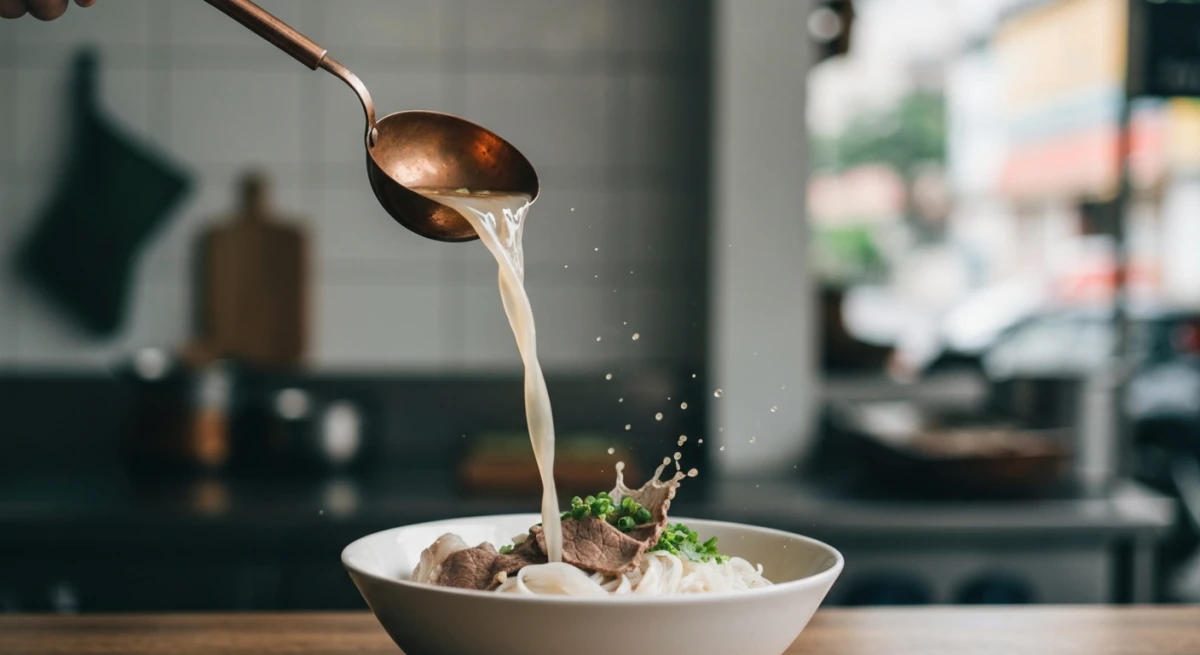
If you have recently touched down in the coastal metropolis of Da Nang, your itinerary is likely stacked with visits to the golden sands of My Khe Beach, hikes up the Marble Mountains, and the spectacular fire show at the Dragon Bridge. But to truly understand the beating heart of this vibrant city, you must look to its kitchens. Finding the best food Da Nang has to offer requires stepping away from sterile hotel buffets and diving headfirst into the chaotic, aromatic world of streetside stalls, bustling night markets, and hidden alleyway eateries.
Sitting at the crossroads of Central Vietnam's rich agricultural interior and the bountiful East Sea, Da Nang's local culinary scene is an explosive, sensory journey that demands to be explored. Central Vietnamese cuisine is distinct, uncompromising, and deeply proud—a world where sweet, salty, sour, and fiery chili heat collide in perfect, rustic harmony. In this comprehensive guide, we will take you on an expert tour of the legendary dishes that define this coastal haven, share the exact, vetted local spots where you can find them, and provide you with the practical knowledge to eat like a true local.
Why Da Nang’s Food Scene is Completely Unique
To appreciate the gastronomy here, one must understand how Central Vietnam’s history and geography shaped its plates. Historically, Da Nang sat between the royal kitchens of Hue to the north and the ancient trading port of Hoi An to the south. This unique positioning allowed local cooks to absorb the meticulous, highly sophisticated preparation techniques of imperial cuisine, while retaining the rustic, bold, and hearty flavors of the countryside.
Unlike Northern Vietnamese food (such as Hanoi's Pho), which relies on clean, subtle, and mildly seasoned broths, or Southern Vietnamese food (like Ho Chi Minh City's Hu Tieu), which favors sweet profiles and coconut cream, Central Vietnamese cuisine is sharp, intense, and heavily spice-forward. Here, the local palate craves the warmth of black pepper, the pungent kick of fresh bird's eye chilies, and the complex depth of fermented seafood bases.
Furthermore, Da Nang is blessed with a geography that bridges the mountains and the sea. Within hours, fresh herbs are harvested from fertile mountain soils, and daily catches of seafood are hauled onto the docks of the Son Tra peninsula. This constant access to ultra-fresh ingredients means that even the most pungent, heavy dishes—like fermented fish noodle salads—are balanced with a mountain of crisp, raw greens and local aromatic herbs, creating an unforgettable contrast in every single bite. In Da Nang, you do not just eat to satisfy hunger; you eat to experience the geography of Central Vietnam on a plate.
7 Must-Try Dishes and the Absolute Best Food Spots in Da Nang
If you want to experience the true essence of Da Nang's culinary culture, these are the seven dishes you cannot afford to miss, along with the legendary local spots that prepare them best.
1. Mì Quảng (Quang Style Noodles)
Mì Quảng is the cultural soul of Central Vietnam. Originating from the neighboring Quang Nam province, this dish is a beautiful, chaotic feast for the senses. Unlike traditional Vietnamese noodle soups where the ingredients swim in broth, Mì Quảng is served semi-dry. Wide, flat rice noodles—frequently tinted a beautiful golden-yellow with fresh turmeric—are layered over a bed of raw lettuce, split banana blossoms, and crisp mint.
On top of the noodles, cooks layer proteins like tender pork slices, whole fresh shrimp, quail eggs, and sometimes wild frog or snakehead fish. A highly concentrated, intensely savory bone broth is ladled over the dish, barely dampening the bottom of the bowl. The final, crucial touch includes a generous handful of roasted peanuts, chopped green onions, and a large, crispy sesame rice cracker (bánh tráng nướng).
To eat it like a local, do not eat the ingredients individually. First, take the sesame rice cracker and crush it directly into the bowl with your hands. Add a squeeze of fresh lime, a dollop of local sweet chili jam, and a handful of extra fresh herbs. Use your chopsticks and spoon to toss the entire bowl together, ensuring the noodles, herbs, crunchy crackers, and rich broth are thoroughly mixed. Every bite should yield a perfect contrast of soft, chewy, and crunchy textures.
- Vetted Local Spot: Mì Quảng Bà Vị
- Address: 166 Lê Đình Dương, Hải Châu District, Da Nang
- Estimated Price: 35,000 - 55,000 VND ($1.40 - $2.20 USD) per bowl
2. Bún Chả Cá (Fish Cake Noodle Soup)
In a city defined by its coastline, fish cake noodle soup is a daily staple. Bún Chả Cá Da Nang is a masterclass in flavor balancing. The heart of the dish is the broth, which is simmered for hours using sweet fish bones, fresh tomatoes, pumpkin, pineapple, and cabbage. This combination results in a delicate, naturally sweet, and slightly tangy broth that carries absolutely zero fishy odor.
The stars of the bowl are the house-made fish cakes (chả cá). These are typically made from fresh local catches like mackerel and featherback fish, aggressively seasoned with black pepper and garlic, and worked by hand until they achieve a springy, bouncy texture. Bowls are served with a mix of both steamed fish cakes (which are clean and soft) and deep-fried fish cakes (which have a rich, savory exterior).
To elevate the broth, add a small spoonful of mắm ruốc (a pungent, purple fermented shrimp paste), a squeeze of lime, and a few pickled purple shallots. Toss in a generous handful of fresh lettuce and split water spinach to add a refreshing crunch to the hot, savory soup. Do not skip the shrimp paste; it provides the essential umami foundation that makes the broth sing.
- Vetted Local Spot: Bún Chả Cá Hờn
- Address: 113/3 Nguyễn Chí Thanh, Hải Châu District, Da Nang
- Estimated Price: 30,000 - 45,000 VND ($1.20 - $1.80 USD) per bowl
3. Bánh Xèo & Nem Lụi (Sizzling Crepes & Lemongrass Pork Skewers)
While you can find Bánh Xèo across Vietnam, the Central Vietnamese version is a distinct beast. Unlike the massive, sweet crepes of the south, Da Nang's Bánh Xèo is small, thick, and extraordinarily crispy. Made from a batter of rice flour, coconut milk, and turmeric, these crepes are fried in blazing-hot cast-iron pans until the edges crackle. They are stuffed to the brim with pork belly, sweet river shrimp, and fresh bean sprouts.
Bánh Xèo is almost always ordered alongside Nem Lụi—savory, finely minced pork paste mixed with spices, wrapped around lemongrass stalks, and grilled over open charcoal until beautifully charred and smoky. What truly sets Da Nang's Bánh Xèo apart, however, is the dipping sauce (nước tương). Forget the light, sweet fish sauce of Saigon. Here, you are served a warm, thick, rich brown gravy made from ground pork liver, peanuts, toasted sesame seeds, and fermented soy beans. It is savory, earthy, and utterly addictive.
To eat it, take a sheet of dry, thin rice paper. Lay down a bed of fresh lettuce, mint, cucumber slices, and sour star fruit. Place a piece of the hot, shattered Bánh Xèo on top, and slide a smoky Nem Lụi off its lemongrass skewer onto the pile. Roll the entire package tightly. Dip it deep into the warm, velvety liver-peanut sauce, and enjoy.
- Vetted Local Spot: Bánh Xèo Bà Dưỡng
- Address: K280/23 Hoàng Diệu, Hải Châu District, Da Nang
- Estimated Price: 60,000 - 120,000 VND ($2.40 - $4.80 USD) for a multi-person platter
4. Bánh Tráng Cuốn Thịt Heo (Pork Belly Wrapped in Rice Paper)
This dish represents the absolute pinnacle of fresh, DIY rolling in Vietnam. On paper, it sounds incredibly simple: boiled pork wrapped in rice paper with herbs. In practice, it is a masterclass in culinary precision. The dish centers around "thịt heo hai đầu da"—pork belly sliced so meticulously that each strip has a sliver of soft skin and fat at both ends, ensuring a perfect ratio of lean meat, melt-in-your-mouth fat, and gelatinous skin.
This pork is served alongside dry, dew-wetted rice paper, soft sheets of fresh steamed rice noodles (mì lá), and an enormous, overflowing platter containing up to fifteen varieties of wild and cultivated herbs, including perilla, Vietnamese coriander, fish mint, green banana, and sour star fruit. The final component is mắm nêm—a powerful, dark, fermented anchovy sauce spiked with crushed pineapple, lemongrass, garlic, sugar, and fiery bird's eye chili.
To roll it, lay down a sheet of dry rice paper on your plate. Place a sheet of wet mì lá on top to keep the roll moist and help the ingredients adhere. Layer a selection of herbs, a slice of green banana, and a slice of star fruit across the center. Place a strip of pork belly on top. Roll it up tightly, dip the end into the mắm nêm, and prepare for a massive flavor explosion.
- Vetted Local Spot: Quán Mậu
- Address: 35 Đỗ Thúc Tịnh, Cẩm Lệ District, Da Nang
- Estimated Price: 70,000 - 100,000 VND ($2.80 - $4.00 USD) per portion
5. Hải Sản (Tank-to-Table Fresh Seafood)
You cannot write a guide to the best food Da Nang has to offer without dedicated space for seafood. Along the coastal highway of Võ Nguyên Giáp, giant, open-air seafood restaurants face the ocean. Here, dining is an interactive, lively affair. You do not order from a standard paper menu. Instead, you walk up to rows of bubbling plastic tubs and glass tanks filled with live catches.
You choose your seafood by weight—be it sweet mud crabs, massive tiger prawns, spiny lobsters, or local clams called "chip chip." You then instruct the staff on how you want each item cooked: steamed with fresh lemongrass, grilled with rich scallion oil and crushed peanuts (mỡ hành), stir-fried with sweet and sour tamarind sauce, or tossed in salted egg yolk.
To eat like a local, order a plate of steamed "chip chip" clams with lemongrass, a plate of grilled scallops with scallion oil, and a cold local Larue beer. Eat with your hands, dip your seafood in a simple mixture of sea salt, lime juice, and fresh chili, and enjoy the cool ocean breeze.
- Vetted Local Spot: Hải Sản Bé Mặn
- Address: Lô 11 Võ Nguyên Giáp, Sơn Trà District, Da Nang
- Estimated Price: Varies heavily by weight; expect roughly 200,000 - 400,000 VND ($8.00 - $16.00 USD) per person for a large feast
6. Bún Mắm Nêm (Noodles with Fermented Anchovy Sauce)
If you are a fan of bold, unapologetic street food, Bún Mắm Nêm is the holy grail. This is a cold noodle salad that does not hold back. A bed of fresh rice vermicelli is topped with crispy-skinned roasted pork belly, tender boiled pork, minced beef patties (chả bò), raw local herbs, finely shredded green papaya, roasted peanuts, and crispy fried shallots.
The entire bowl is generously doused in a thick, pungent, and intensely spicy mắm nêm sauce. The fermentation process gives the sauce a deep, savory, complex flavor that is cut beautifully by the sweet acidity of minced pineapple and the refreshing crunch of the raw vegetables. Use your chopsticks to thoroughly incorporate the sauce from the bottom of the bowl. Be warned: this dish is meant to be spicy and is not for the faint of heart.
- Vetted Local Spot: Quán Cô Liên
- Address: 52 Trần Bình Trọng, Hải Châu District, Da Nang
- Estimated Price: 30,000 - 40,000 VND ($1.20 - $1.60 USD) per bowl
7. Bánh Mì Bà Lan (The Queen of Da Nang Bánh Mì)
While neighboring Hoi An gets all the international press for its herb-laden Bánh Mì, Da Nang has its own distinct, highly revered style. Da Nang's Bánh Mì is simpler, focusing heavily on the quality of its savory proteins and a rich, velvety homemade pâté. The bread itself is kept incredibly crispy in charcoal-fired warming ovens.
It is sliced open and smeared with a thick layer of rich, pork-liver pâté and a swipe of homemade egg-yolk mayonnaise. It is then stuffed with a variety of Vietnamese cold cuts (chả lụa), local beef sausage (chả bò), a sprinkle of green onion, a single long strip of cucumber, and a fiery kick of fresh chili. There are no tables here; this is a purely grab-and-go operation.
- Vetted Local Spot: Bánh Mì Bà Lan
- Address: 62 Trưng Nữ Vương, Hải Châu District, Da Nang
- Estimated Price: 25,000 - 35,000 VND ($1.00 - $1.40 USD) per loaf
Street Food Markets: Where to Eat Under the Stars
If you want to sample multiple dishes in one single location, Da Nang's bustling markets are a culinary playground. Here are the best spots to visit for a self-guided food crawl:
Con Market (Chợ Cồn)
Located in the busy commercial center of the city, Con Market is the historic beating heart of Da Nang’s street food culture. While the market sells everything from clothing to housewares during the day, the real magic happens in the afternoon. Around 3:00 PM, a dedicated food court inside and a sprawling street food market outside come to life. Here, you can wander from stall to stall, sitting on low plastic stools to sample bowls of sweet and savory duck porridge (cháo vịt), chewy tapioca dumplings wrapped in banana leaves (bánh bột lọc), and refreshing glasses of sweet mung bean dessert (chè). It is cheap, authentic, and delightfully chaotic.
Helio Night Market
For a more modern, organized, and clean street food experience, head to the Helio Night Market. Operating every evening, this massive outdoor space is meticulously curated. Brightly lit stalls serve a massive variety of street food from across Vietnam, as well as international favorites. You can grab grilled oysters, giant sticks of grilled pork skewers, fresh fruit juices, and local craft beers, all while sitting at clean wooden benches. The market also features live music on a central stage, making it a fantastic, high-energy spot for a night out.
Son Tra Night Market
Situated right next to the famous Dragon Bridge, the Son Tra Night Market is the perfect place to combine sightseeing with eating. It is particularly famous for its affordable seafood stalls, where you can get grilled lobsters, squid, and clams cooked on the spot for a fraction of restaurant prices. It is incredibly popular on weekends just before the Dragon Bridge breathes fire and water at 9:00 PM.
Navigating Da Nang’s Food Culture Like a Local
Eating street food in Vietnam is an incredibly rewarding experience, but navigating it smoothly requires a bit of practical insider knowledge. Keep these local tips in mind to elevate your dining game:
- Cash is Absolute King: While upscale restaurants and trendy cafes in the expat-heavy An Thuong area accept credit cards, local street food stalls and market vendors only accept Vietnamese Dong (VND). Always carry a mix of small bills (10,000, 20,000, and 50,000 VND), as vendors often struggle to make change for 500,000 VND notes.
- Look for the Crowd: When choosing a streetside stall, look for places packed with locals sitting on tiny plastic stools. A busy stall guarantees two things: the food is delicious, and the high turnover ensures the ingredients (especially raw herbs and seafood) are fresh and safe to consume.
- Embrace the "Hẻm" (Alleyways): In Da Nang, some of the most legendary, decades-old restaurants are hidden deep inside narrow residential alleys (called "hẻm"). Addresses featuring a "K" (e.g., K280/23) indicate an alleyway location. Don't let the narrow entrances deter you; walk right in, and you will usually find a buzzing culinary sanctuary.
- Table Condiments are Key: Vietnamese chefs design their dishes to be customized at the table. Do not hesitate to use the fresh limes, garlic vinegar, chili jam, and bird's eye chilies provided on your table to adjust the flavor profile to your personal liking.
- Hygiene Habits: Local street food is generally very safe, but sensitive stomachs should take basic precautions. Carry a small bottle of hand sanitizer, and use the tissues provided on the table to wipe down your chopsticks and spoons before eating.
FAQ: Best Food in Da Nang
Is the tap water safe to drink in Da Nang?
No, you should never drink tap water in Da Nang. Always stick to bottled or filtered water, which is readily available at any convenience store. However, the ice served in local restaurants and street food stalls is generally safe, as it is made from purified factory ice and delivered daily.
What are the best vegetarian options in Da Nang?
Da Nang has a thriving vegetarian (called "chay" in Vietnamese) scene, largely driven by Buddhist traditions. On the 1st and 15th days of the lunar month, many locals eat exclusively vegetarian. For an incredible, upscale yet affordable vegetarian meal, visit Quán Chay Liên Hoa (49 Lê Hồng Phong), which serves spectacular mock-meat dishes, vegetarian noodle soups, and delicate braised tofu.
How spicy is the food in Da Nang compared to Hanoi or Saigon?
Central Vietnamese food is significantly spicier than Northern or Southern food. Fresh bird's eye chili and chili jams are heavily used. If you have a low spice tolerance, always ask for "không cay" (not spicy) when ordering. You can always add chili from the table condiments if you want to test your limits.
What is the average price of a local meal in Da Nang?
Local street food is incredibly budget-friendly. A hearty bowl of Mì Quảng or Bún Chả Cá typically costs between 30,000 and 55,000 VND ($1.20 to $2.20 USD). A gourmet Bánh Mì from Bà Lan costs around 30,000 VND ($1.20 USD). Even a massive, fresh seafood feast for two at Bé Mặn will generally run under 600,000 VND ($24.00 USD).
Conclusion: Your Culinary Journey Awaits
From the aromatic, turmeric-tinged bowls of Mì Quảng to the interactive, chaotic joy of rolling your own Bánh Xèo down a hidden alleyway, the best food Da Nang has to offer is found in its rawest, most authentic local spaces. This is a city that doesn't hide its flavors behind delicate presentations or subtle seasoning; it presents them boldly, proudly, and with an abundance of fresh, ocean-sprayed ingredients.
To truly experience Da Nang, you must be willing to step outside of your comfort zone, pull up a low plastic stool, and let the bold, fiery spirit of Central Vietnamese cuisine take over. Your tastebuds will thank you.