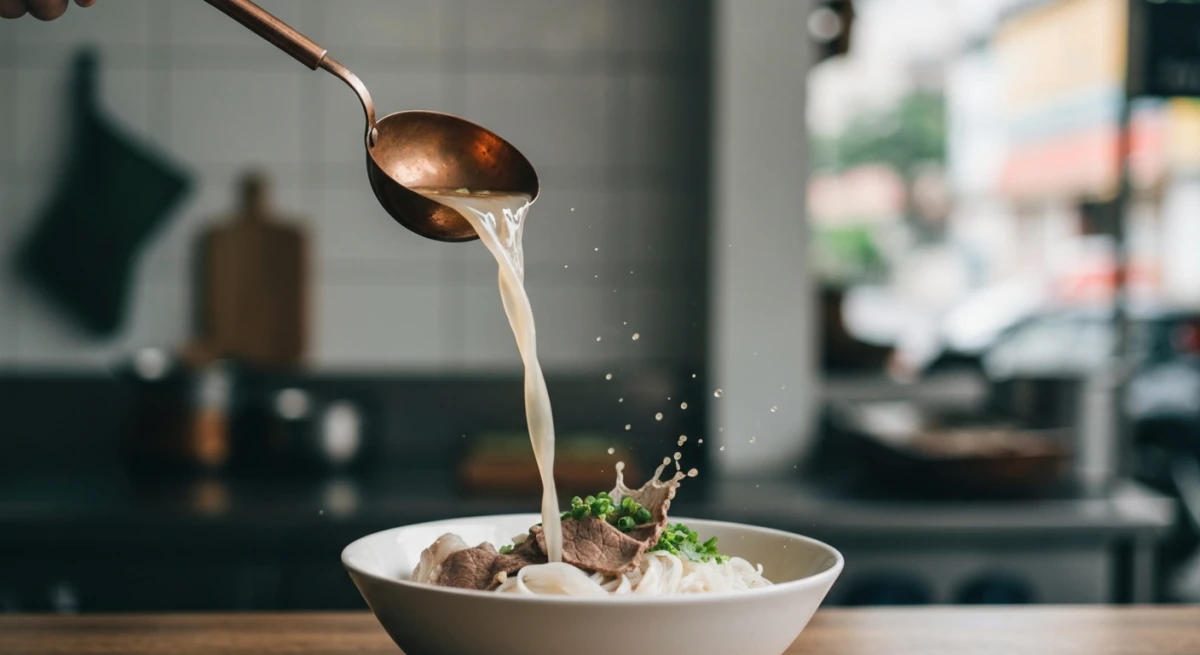
To truly understand Ho Chi Minh City, you have to eat your way through it. Fondly called Saigon by its residents, this sprawling southern metropolis is Vietnam’s undisputed culinary capital. While Hanoi represents deep-seated culinary tradition, Ho Chi Minh food is a dazzling, hyper-creative melting pot where flavors are bolder, sweeter, and infinitely more diverse. Whether you are pulled in by the aromatic smoke of street-side grills or the promise of a Michelin-starred bowl of noodle soup, Saigon’s food scene is an immersive experience. This definitive guide unpacks the absolute best Ho Chi Minh food, from legendary street stalls to hidden alleyway gems.
The Soul of Saigon's Food Scene: Flavors, Philosophy, and Plastic Stools
If you want to master the local culinary landscape, you must first understand the spirit of Southern Vietnamese dining. Unlike the subtle, minimalist flavor profiles of the North, Southern cuisine thrives on contrast. It is a playground of sweet, spicy, sour, and savory elements. The region’s tropical climate yields a year-round bounty of fresh herbs, coconut milk, palm sugar, and fresh seafood, all of which are heavily integrated into everyday meals.
But Saigon's food culture is as much about "where" and "how" you eat as it is about what is on your plate. The true lifeblood of the city's culinary world is found on the pavements. Sidewalk dining is a communal art form here. Pull up a tiny plastic stool, sit inches from the buzzing motorbike traffic, and watch your meal get prepared over open flames. This is where the magic happens.
Another defining feature of the Ho Chi Minh food scene is its historical capacity to absorb external influences. You’ll taste the legacy of the French colonial era in the airy baguettes of banh mi and the rich spreads of pâté. You’ll find the deep imprint of Chinese merchants in the complex herbal broths and wok-tossed noodle dishes of Cholon (Chinatown). Furthermore, as the economic heart of the country, Saigon has welcomed millions of internal migrants from the Mekong Delta, Central Highlands, and Northern provinces. Each wave of migration has brought its regional specialties, resulting in a city where you can eat your way across Vietnam's entire geographic culinary spectrum within a single square mile.
10 Iconic Ho Chi Minh Food Masterpieces You Must Try
To help you navigate this massive food landscape, we have curated the top ten iconic dishes that define Saigon's culinary identity, complete with the absolute best local spots to try them.
1. Cơm Tấm (Broken Rice)
Cơm Tấm is the quintessential taste of Saigon. Historically, it was a humble peasant dish. Farmers in the Mekong Delta could not sell the fractured, damaged rice grains that broke during the milling process, so they cooked them for their own families. Over time, this "broken rice" found its way to the city, where it was transformed into a legendary breakfast, lunch, and late-night staple.
This dish is a masterclass in textures and flavors. A bed of warm, slightly dry broken rice is topped with "sườn nướng" (sweet-savory charcoal-grilled pork chops marinated in lemongrass, garlic, and fish sauce). It is accompanied by "chả trứng" (a savory steamed egg, pork, and glass noodle meatloaf), "bì" (shredded pork skin tossed in toasted rice powder), and "mỡ hành" (fragrant scallion oil). You eat it by drizzling a sweet, garlicky, and slightly spicy fish sauce ("nước mắm") over the entire plate.
- Where to try it: Cơm Tấm Ba Ghiền (84 Đặng Văn Ngữ, Phú Nhuận District). This Michelin Bib Gourmand-recognized spot is famous for its massive, sweet-savory pork chops that are grilled to smoky perfection right at the entrance.
2. Bánh Mì
No Ho Chi Minh food journey is complete without tasting a local bánh mì. While you can find this iconic Vietnamese sandwich across the globe, the Saigon version is distinct. It is notoriously packed to the brim, featuring a crisp-on-the-outside, airy-on-the-inside baguette stuffed with a rich layer of French-style pork liver pâté, home-made mayonnaise, layers of cold cuts (such as cha lua pork roll and headcheese), savory roasted pork, pickled daikon and carrots, fresh cucumber spears, cilantro, and fiery bird's eye chilies.
- Where to try it: Bánh Mì Huỳnh Hoa (26 Lê Thị Riêng, District 1). Often dubbed the "monster" bánh mì, this place is legendary. It is heavily packed with layers of premium cold cuts and an exceptionally rich, buttery pâté. Buy one to split with a friend, as it is incredibly filling. For a lighter, more traditional balance, visit Bánh Mì Hồng Hoa (54 Nguyễn Văn Tráng, District 1).
3. Hủ Tiếu Nam Vang (Mekong Pork & Seafood Noodles)
While Phở reigns supreme in the North, Hủ Tiếu is the beloved noodle king of the South. Originally a Cambodian-Chinese import (Nam Vang is the Vietnamese word for Phnom Penh), this dish was localized and embraced by the Saigonese palate.
The base is a clear, intensely sweet, and savory broth brewed from pork bones, dried squid, and daikon. It features chewy, translucent tapioca noodles loaded with toppings: minced pork, succulent prawns, quail eggs, slices of pork liver, pork heart, and crisp Chinese celery. You can order it "nước" (with the broth inside the bowl) or "khô" (dry noodles tossed in a sweet, savory soy-based sauce, with the piping hot broth served in a separate bowl on the side).
- Where to try it: Hủ Tiếu Nhân Quán (122D Cách Mạng Tháng 8, District 3). Known for its incredibly rich broth and exceptionally fresh seafood toppings.
4. Bánh Xèo (Sizzling Crepe)
Bánh Xèo translates literally to "sizzling cake," named after the loud hiss the rice batter makes when poured onto a scorching hot skillet. Unlike the smaller, thicker, and chewier version found in Central Vietnam, Southern Bánh Xèo is massive, thin, and paper-crisp. The batter is seasoned with turmeric powder (which gives it a vibrant yellow hue) and coconut milk.
Inside, you will find a generous filling of pork belly, shrimp, mung beans, and fresh bean sprouts. To eat it like a local, tear off a piece of the crispy crepe, place it inside a large mustard leaf or lettuce leaf, pack it with fresh herbs (like Thai basil and mint), roll it up tightly, and dip it deep into a bowl of sweet-and-sour "nước chấm" fish sauce.
- Where to try it: Bánh Xèo Bà Hai (119 Lê Văn Linh, District 4). A local favorite that serves incredibly crispy crepes with an impressive mountain of fresh, clean herbs.
5. Bún Thịt Nướng (Grilled Pork with Cold Vermicelli)
If you are looking for a meal that is refreshing yet deeply satisfying, Bún Thịt Nướng is the perfect choice. This dish brings together cold rice vermicelli noodles, smokey charcoal-grilled pork, crispy "chả giò" (deep-fried spring rolls stuffed with pork and taro), crushed roasted peanuts, pickled vegetables, and a mountain of shredded lettuce and herbs.
You dress the entire bowl with a generous ladle of light, sweet-and-sour fish sauce, mix everything together, and enjoy. The contrast of the hot, savory grilled meat against the cool, fresh herbs and cold noodles makes it a perfect lunch for a hot Saigon day.
- Where to try it: Bún Thịt Nướng Hằng (27 Yersin, District 1). Located in a bustling local street corner, they serve some of the best-marinated grilled pork in the city, accompanied by beautifully crispy spring rolls.
6. Bột Chiên (Fried Rice Flour Cake)
Bột Chiên is a beloved late-night street food staple, particularly popular among students and midnight explorers. It has Chinese origins but has become a quintessential part of Saigon’s nocturnal culture.
Rice flour cubes are pan-fried on a flat iron skillet until the outsides turn golden-brown and crispy while the insides remain chewy. The cook then cracks eggs over the cubes, throws in a handful of chopped scallions, and cooks it until the eggs form a crispy lattice holding the rice cubes together. It is served with a sweet-and-sour soy-based dipping sauce and a side of crunchy, refreshing green papaya salad to balance the richness.
- Where to try it: Bột Chiên Đạt Thành (277 Võ Văn Tần, District 3). A legendary institution that has been frying up some of the best crispy bột chiên in the city for decades.
7. Phở (Southern Style)
Do not make the mistake of thinking all phở is the same. Southern-style phở ("Phở Nam") is a completely different beast compared to its Northern sibling. While Northern phở focuses on a clear, minimalist, delicate broth, Southern phở is robust, deeply spiced, and distinctly sweeter.
It is served with slightly thinner noodles and a massive, fresh herb plate featuring Thai basil, culantro, rice paddy herb, and fresh bean sprouts. You are also expected to customize your bowl using hoisin sauce, Sriracha, and lime juice. It is rich, complex, and intensely aromatic.
- Where to try it: Phở Lệ (302-304 Nguyễn Trãi, District 5). Established in 1970, this legendary establishment serves an incredibly rich, beefy broth that embodies the bold spirit of Southern phở.
8. Ốc (Snails and Shellfish)
Eating snails ("ăn ốc") is not just about the food; it is an entire cultural institution in Ho Chi Minh City. It is the ultimate social activity, known as "nhậu" (drinking and socializing over small plates of food). Under the glow of street lamps, locals gather to devour a dizzying array of mud creepers, sweet snails, clams, scallops, and crabs.
The preparations are remarkably diverse. Snails are steamed with lemongrass, stir-fried in a rich salted egg yolk sauce, roasted with chili and salt, grilled with green scallion oil ("mỡ hành"), or simmered in fragrant, sweet coconut cream. Order a plate of bread ("bánh mì") to mop up the spectacular sauces.
- Where to try it: Ốc Đào (212B/C12 Nguyễn Trãi, District 1). Tucked away in a quiet alley, this bustling spot is famous for its exceptional seafood quality and incredibly flavorful sauces.
9. Bún Riêu Cua (Crab and Tomato Noodle Soup)
Bún Riêu Cua is a vibrant, tangy, and deeply comforting noodle soup that features a light tomato-based broth infused with crab paste. The bowl is loaded with soft rice vermicelli noodles, airy fried tofu puffs, juicy tomatoes, pork meatballs, congealed pork blood cake ("huyết"), and topped with a delicate, fluffy crab paste soufflé.
It is served with shredded banana blossoms, water spinach, and fresh herbs. To eat it like a local, stir in a small spoonful of fermented shrimp paste ("mắm tôm") and a squeeze of lime juice to elevate the savory, umami flavors.
- Where to try it: Bún Riêu Gánh (4 Phan Bội Châu, District 1). Located right next to the east gate of Ben Thanh Market, this historic stall has been serving its famous, comforting bowls for over 40 years.
10. Cà Phê Sữa Đá (Vietnamese Iced Coffee)
While not a food dish, Cà Phê Sữa Đá is the fuel that keeps Ho Chi Minh City running. Dark, intensely roasted Robusta coffee beans are slowly brewed using a traditional metal drip filter ("phin") directly over a layer of thick, sweet condensed milk. Once brewed, the mixture is vigorously stirred and poured over a tall glass packed with crushed ice.
It is sweet, intensely bitter, creamy, and highly caffeinated. Drinking cà phê sữa đá on a low plastic stool on a busy sidewalk while watching motorbikes navigate the chaotic streets is the quintessential Saigon experience.
- Where to try it: Cà Phê Vợt (330/2 Phan Đình Phùng, Phú Nhuận District). Operating 24/7 for over 70 years, this spot uses a traditional cloth stocking filter to brew incredibly rich, historical coffee.
The Culinary Geography: Best Food Districts in Ho Chi Minh City
Saigon’s culinary landscape is divided into districts, each with its own distinct culinary personality. Navigating them is the key to an unforgettable food trip.
District 1: The High-Low Fusion
District 1 is the heart of the city, where you will find a striking contrast of dining options. Modern, upscale restaurants and creative fusion spots sit right alongside historic street food alleys. It is the perfect place to start your journey, offering a safe, accessible, and incredibly diverse range of Vietnamese classics.
District 3: The Alleyway Haven
Directly bordering District 1, District 3 offers a slightly more local, residential feel without losing the energy of the center. This district is famous for its labyrinth of narrow alleys ("hẻm") that hide some of the city's best-kept culinary secrets, from tiny noodle stalls to cozy coffee shops.
District 4: The Street Food Kingdom
Historically a rough-and-tumble port district, District 4 has transformed into the ultimate street food haven of Saigon. Vĩnh Khánh Street is world-famous for its endless row of open-air snail and seafood restaurants. It is loud, smoky, incredibly lively, and offers some of the most authentic dining experiences in the city.
District 5 & 6: Cholon (Chinatown)
This area is home to Vietnam’s largest Chinese-Vietnamese community. Here, the flavors of Southern China blend seamlessly with Vietnamese ingredients. Head to Cholon for spectacular duck noodles ("mì vịt tiềm"), fresh dumplings, wok-charred fried rice, and traditional sweet herb desserts ("chè").
Practical Tips for Dining Like a Local in Saigon
To make the most of your Ho Chi Minh food adventure, keep these practical, insider tips in mind:
- Embrace the Herb Basket: Every noodle dish and crepe is served with a generous basket of fresh herbs. Do not ignore them! They are not a decorative garnish; they are designed to balance the heat, aid digestion, and add a crucial layer of fresh flavor to your meal.
- The Ice Safety Check: Travelers often worry about ice ("đá") in Vietnam. In Saigon, most establishments use commercially produced ice. Look for cylindrical ice cubes with a hole through the middle—this indicates they were made in a hygienic factory using purified water and are perfectly safe to consume.
- Watch the Foot Traffic: When looking for a great street food stall, follow the crowds. High local turnover is the best indicator of fresh ingredients, high hygiene standards, and spectacular flavor.
- Master the Condiments: Vietnamese tables are lined with sauces: fish sauce, chili paste, soy sauce, lime slices, and pickled garlic. Taste your broth or dish first, then slowly add condiments to customize the flavor to your personal preference.
Frequently Asked Questions About Ho Chi Minh Food
Is street food safe to eat in Ho Chi Minh City?
Yes, street food in Ho Chi Minh City is generally very safe and highly hygienic. Because of the sheer volume of customers, street stalls have a very high food turnover rate, meaning ingredients are bought and prepared daily. To be safe, choose stalls that are busy with local families, where the food is cooked hot to order, and the preparation area looks tidy.
What makes Southern Vietnamese food different from Northern food?
Southern Vietnamese food is sweeter, spicier, and uses a wider variety of fresh herbs, coconut milk, and seafood compared to the North. Northern food tends to be more delicate, minimalist, and balanced, relying heavily on black pepper rather than fresh chilies.
How much does a typical meal cost in Saigon?
A standard street food meal (like a bowl of noodle soup or a plate of broken rice) typically costs between 35,000 VND to 70,000 VND ($1.50 to $3.00 USD). A Bánh mì on the street usually costs around 25,000 VND to 45,000 VND ($1.00 to $1.80 USD).
When is the best time of day to go on a street food crawl?
While you can find amazing food at any hour, the absolute best time is from 5:30 PM onwards. As the sun sets and the temperature drops, the streets come alive with night markets, snail stalls, and outdoor grills, offering the most vibrant dining atmosphere.
Conclusion: Embarking on Your Saigon Food Adventure
Ho Chi Minh food is so much more than just sustenance; it is a sensory-rich window into the history, culture, and unstoppable energy of Vietnam's largest metropolis. By stepping out of your comfort zone, pulling up a plastic stool, and dining alongside the locals, you will discover why Saigon is celebrated as one of the world's premier culinary destinations. Pack your appetite, keep an open mind, and get ready for a flavorful journey you will never forget.