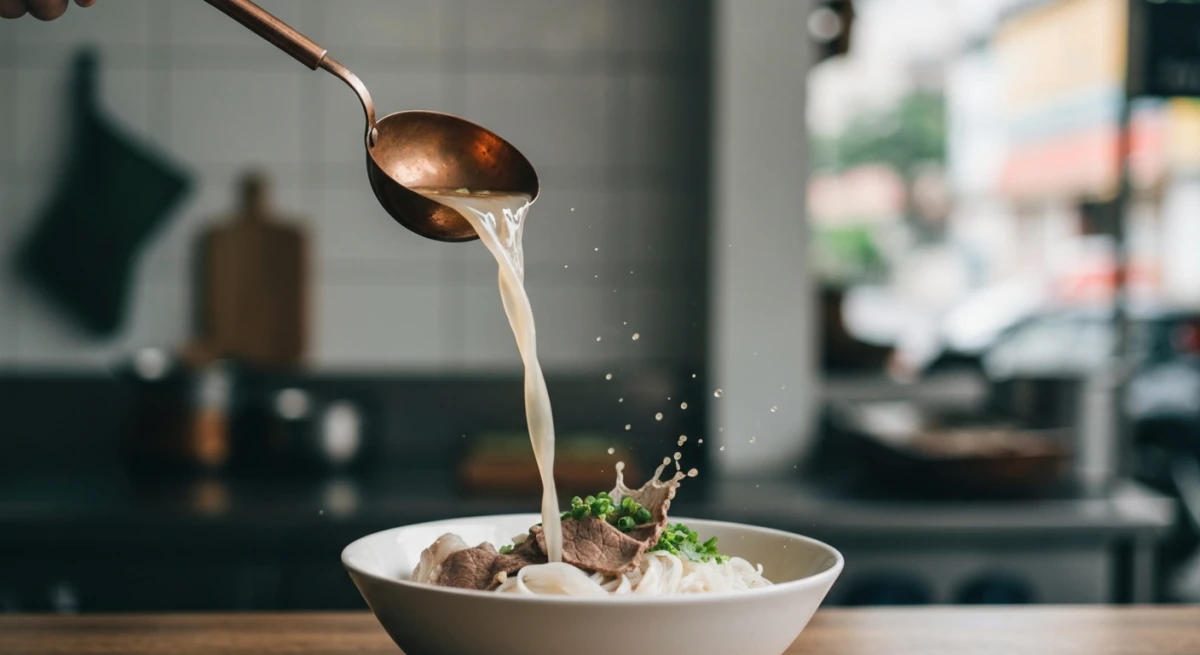
Ho Chi Minh City (formerly and still affectionately known as Saigon) is a sensory-overloading wonderland of sights, sounds, and most importantly, tastes. To walk its bustling, scooter-packed streets is to embark on an endless culinary journey where high-end gastronomy and humble roadside plastic stools coexist in perfect harmony. Whether you are looking for a deeply simmered bowl of Pho, a crispy pork-stuffed Banh Mi, or innovative Michelin-starred culinary creations, discovering the best places to eat in hcmc is a journey that will forever change how you view Vietnamese food.
But because the city is so vast—comprising 16 urban districts, each with its own micro-culture and culinary specialties—finding the truly exceptional spots can be overwhelming. To help you skip the tourist traps and dive straight into food paradise, this comprehensive, expert-curated guide maps out the ultimate culinary experiences in Saigon. We will explore legendary street stalls, district-by-district hubs, upscale boundary-pushing restaurants, and practical survival tips for eating your way through Vietnam's dynamic southern metropolis.
The Legendary "One-Dish" Masterpieces of Saigon Street Food
In Ho Chi Minh City, the most memorable meals rarely come from establishments with extensive multi-page menus. Instead, the culinary soul of the city lies in its single-dish specialists—street food stalls and family-run diners that have spent decades perfecting one singular item. These multigenerational cooks possess an unparalleled culinary focus, refining their recipes day after day to feed thousands of hungry locals.
Bánh Mì Huỳnh Hoa: The Heavyweight Champion
Located in District 1, Bánh Mì Huỳnh Hoa is widely considered a rite of passage for any food lover visiting Ho Chi Minh City. While some skeptics label it a tourist trap due to the ever-present queue and premium price point (roughly 60,000 to 65,000 VND), one bite of this decadent masterpiece will silence any doubts.
This is not your average light sandwich. It is a massive, structural wonder packed with multiple layers of cured meats, pork floss, a rich, savory pâté that is heavily whispered to contain a secret family blend of spices, and a generous smear of rich mayonnaise. To cut through the sheer decadence of the meat, it is served with a bag of pickled daikon, carrots, cucumbers, and fiery green chilies. The baguette itself is kept continuously warm and ultra-crispy in a custom-built coal oven.
Local Insider Tip: Don't try to eat a whole Bánh Mì Huỳnh Hoa by yourself unless you have an empty stomach and an ambitious appetite. Ask the staff to cut it in half to share, and be sure to insert the pickled vegetables directly into the sandwich to balance the rich, fatty layers of pâté and charcuterie.
Bánh Mì 37 Nguyễn Trãi: The Charcoal Grill Master
If Bánh Mì Huỳnh Hoa represents the peak of cold-cut decadence, Bánh Mì 37 Nguyễn Trãi represents the pinnacle of hot, freshly grilled street food. Setting up shop in a narrow alley in the late afternoon, this humble cart attracts crowds for one reason: its legendary grilled pork sliders (bánh mì thịt nướng).
The owner grills small, hand-shaped pork patties over live charcoal right on the street corner. The aroma of caramelized lemongrass, garlic, soy, and fish sauce wafts through the alleyway, drawing in hungry scooter riders. Once ordered, the sizzling, charred pork patties are tucked into a warm, crispy baguette, drizzled with a sweet-and-savory dark sauce, and topped with fresh cucumber, cilantro, and pickled vegetables. The combination of sweet, smoky, savory, and crunchy elements makes this one of the absolute best places to eat in hcmc for an affordable price.
Phở Lệ: The Soul of Southern-Style Beef Noodle Soup
While Phở originated in the North, Ho Chi Minh City has developed its own distinct, bolder iteration of Vietnam's national dish. Southern Phở is characterized by a sweeter, more intensely spiced broth, a wider variety of beef cuts, and a mountain of fresh table herbs, lime, chiles, and sweet Hoisin and chili sauces for dipping.
To experience Southern Phở at its absolute finest, head to Phở Lệ in District 5 (the historic Chinatown district, Chợ Lớn). Since 1970, this legendary establishment has been serving bowls of deeply comforting noodle soup. The broth here is incredibly rich and aromatic, shimmering with a thin layer of beef fat that locks in the heat and spices like star anise, cinnamon, and black cardamom. Order the Phở Tái Nạm (rare beef and flank) or go all out with the Phở Đặc Biệt (special bowl with beef balls, tendon, tripe, and rare beef). Pluck sweet basil, saw-tooth herb, and bean sprouts into your bowl, squeeze a wedge of lime, and enjoy the complex symphony of flavors.
Cơm Tấm Ba Ghiền: The Ultimate Broken Rice Feast
Originally a peasant dish made from damaged, unsellable rice grains left over after the milling process, Cơm Tấm (broken rice) has risen to become Saigon’s signature comfort food. The smaller broken rice grains absorb sauces beautifully and offer a unique, slightly chewy texture that differs from standard jasmine rice.
There is no better place to experience this iconic dish than Cơm Tấm Ba Ghiền in the Phu Nhuan district. This legendary spot, which has earned a Michelin Bib Gourmand, is easily identified by the billowing clouds of sweet-smelling smoke rising from its sidewalk grill. Ba Ghiền is famous for serving a colossal, marinated pork chop (sườn nướng) that completely covers the plate of broken rice underneath. The pork is marinated in a sweet soy, honey, and garlic mixture before being grilled over charcoal, resulting in a juicy, charred pork chop that is incredibly tender. Order your plate with chả trứng (a savory steamed pork and egg meatloaf) and a fried egg (ốp la) with a runny yolk. Drizzle the sweet, chili-infused fish sauce over the top and dive in.
District-by-District Culinary Map: Navigating HCMC’s Neighborhoods
To truly appreciate the culinary depth of Ho Chi Minh City, one must understand its geography. Saigon's districts operate like distinct cities within a city, each with its own architectural style, demographic makeup, and culinary identity. Knowing where to eat across these neighborhoods prevents you from spending your trip stuck in Saigon’s notorious traffic.
District 1: The Cosmopolitan Epicenter
As the central business district, District 1 is home to historical landmarks, luxury hotels, and a dynamic mix of upscale restaurants, chic cafes, and hidden street food alleys. It is the most convenient starting point for any culinary journey.
- Bún Thịt Nướng Chị Tuyền: Located on Cô Giang street, this is the holy grail for cold rice vermicelli noodles topped with lemongrass-marinated grilled pork, crispy spring rolls (chả giò), roasted peanuts, fresh herbs, and a pour-over sweet fish sauce.
- Nha Hang Ngon: For travelers nervous about street food sanitation, this beautiful, French-colonial villa offers a "street food market" concept. Food stalls line the perimeter, allowing you to order everything from fresh spring rolls to papaya salads in a clean, highly aesthetic setting.
District 3: Trendy Cafes and Local Classics
Bordering District 1, District 3 offers a slightly more relaxed, tree-lined atmosphere. It is a fantastic neighborhood to explore on foot, balancing historic French-colonial villas with trendy local hangouts.
- Bánh Xèo 46A: Tucked down a narrow alley near the famous Pink Church (Tân Định), this iconic open-air restaurant specializes in giant, sizzling Vietnamese crepes. The batter—made of rice flour, turmeric, and coconut milk—is poured into screaming-hot woks, filled with pork, shrimp, mung beans, and bean sprouts, and cooked until ultra-crisp.
- Phở Hòa Pasteur: One of the oldest and most famous Phở joints in the city, renowned for its massive plates of herbs and quẩy (fried dough sticks) waiting on the table to be dipped into the steaming-hot broth.
District 4: The Unrivaled Street Food Mecca
Once a gritty port district known for its colorful mafia history, District 4 has transformed into a vibrant, safe, and wildly exciting food destination. It is the narrowest and most densely populated district, making it a paradise for sensory-rich street eating.
- Vĩnh Khánh Street: As night falls, this street turns into a chaotic, smoke-filled seafood wonderland. Dozens of seafood and snail (ốc) stalls line the sidewalks, with tables spilling onto the road. Scooter headlights, live music street performers, and the clanging of woks create an electric, unforgettable atmosphere.
- Chợ 200 (Xóm Chiếu Market): An absolute goldmine for cheap street snacks. Walk through this bustling alley market to feast on súp cua (crab soup), bột chiên (fried rice cakes with egg), and chuối nướng (grilled bananas with coconut milk).
District 5 (Chợ Lớn): Chinatown’s Culinary Heritage
Chợ Lớn is Vietnam’s largest Chinatown, boasting a history that dates back to the late 18th century. The food here is a glorious blend of traditional Chinese techniques and vibrant Vietnamese ingredients, resulting in unique local fusion dishes.
- Hủ Tiếu Nam Vang Thành Đạt: Hủ Tiếu (pork and seafood noodle soup) is the dominant noodle dish of Southern Vietnam, heavily influenced by Cambodian and Chinese immigrants. This 24/7 spot serves a magnificent dry version (hủ tiếu khô), where the chewy tapioca noodles are tossed in a savory soy-garlic glaze and served with a rich pork bone broth on the side.
- Súp Cua Hạnh: Tucked deep in District 5, this small stall serves a thick, comforting crab and century egg soup that is a beloved after-school and late-night comfort snack for locals.
Saigon's Modern Dining Revolution: Michelin & Fusion
While street food remains the beating heart of Saigon, the city’s dining scene has undergone a massive evolution. A new wave of visionary chefs—many of them Viet Kieu (overseas Vietnamese returning home)—are blending traditional Vietnamese flavors with modern culinary techniques, propelling Ho Chi Minh City into the global fine dining spotlight.
Ănăn Saigon: Michelin-Starred Heritage Innovation
No discussion of HCMC's modern dining revolution is complete without mentioning Ănăn Saigon. Founded by award-winning chef Peter Cuong Franklin, Ănăn (which translates to "eat, eat") is nestled in the middle of the Chợ Cũ wet market—the oldest active wet market in District 1. This contrast of high-end dining surrounded by raw fish stalls, vegetable vendors, and buzzing scooters captures the essence of modern Saigon.
Ănăn is famous for its "Cuisine Mới" (New Vietnamese Cuisine). Chef Franklin takes humble street food classics and reimagines them through a fine dining lens. Here, you will find dishes like the "One-Bite Pho" (a gelatinous sphere of concentrated pho broth wrapped in beef, meant to explode in your mouth) and the infamous, decadent $100 Bánh Mì (featuring French foie gras, truffle mayonnaise, and slow-cooked pork belly). Ănăn's innovative approach earned it Ho Chi Minh City's first-ever Michelin Star, making it an essential reservation for any gastronome.
Pizza 4P’s: A Cult-Favorite Cultural Phenomenon
It might seem strange to recommend a Japanese-owned pizza chain in a guide about the best places to eat in hcmc, but Pizza 4P’s is not just a restaurant—it is a beloved cultural institution. Founded by a Japanese couple and brought to Vietnam, 4P’s (which stands for "For Peace") has redefined casual dining in the country.
What makes Pizza 4P’s so exceptional is its radical commitment to farm-to-table sustainability and quality control. They produce their own fresh cheese (including highly acclaimed burrata and mozzarella) at a dedicated dairy farm in the cool highlands of Đà Lạt. Their wood-fired pizzas are absolute masterpieces, featuring unique fusion flavors like Soy Garlic Beef, Teriyaki Chicken, and their iconic Burrata Parma Ham Pizza. The service is impeccably polite, reflecting Japanese hospitality (omotenashi), and the beautifully designed, airy spaces offer a soothing oasis from the heat of the city.
Hum Vegetarian: Elevated, Plant-Based Serenity
For those looking for healthy, nourishing, and incredibly flavorful dining, Hum Vegetarian is a masterclass in plant-based culinary art. Located in serene, nature-inspired spaces across District 1 and District 3, Hum dispels any notion that vegetarian food is bland or unexciting.
Drawing inspiration from traditional Vietnamese home cooking, Hum uses fresh, organic ingredients sourced directly from local farmers. The menu features creative dishes like braised tofu in clay pot, spicy mushroom wings, lotus root salad, and steamed rice served in a fragrant lotus leaf. The delicate presentation, deep flavors, and tranquil atmosphere (complete with trickling water and soft lighting) make Hum a must-visit, even for devout meat-lovers.
Snails, Shellfish, and Sips: The Late-Night Art of "Nhậu"
To truly eat like a local in Ho Chi Minh City, you must participate in the beloved cultural ritual of Nhậu. Broadly translated, "nhậu" refers to the act of gathering with friends, drinking cold beers, and feasting on a variety of small, highly savory dishes late into the night. It is the ultimate social equalizer, bringing together office workers, artists, and families alike over low tables and charcoal grills.
At the center of any great nhậu session is Ốc (sea snails and shellfish). Saigon has a deep obsession with sea snails, mud creepers, clams, and scallops, prepared in an infinite array of rich sauces.
Ốc Oanh: The Legendary Seafood Feast
To experience the high-octane energy of snail dining, head straight to Ốc Oanh on Vĩnh Khánh Street in District 4. This is a legendary open-air establishment where fresh seafood is piled high on beds of ice at the entrance, waiting to be cooked to order.
The menu at Ốc Oanh is vast, but several signature dishes are non-negotiable:
- Ốc Hương Sốt Trứng Muối (Sweet Snail in Salted Egg Yolk Sauce): Plump, chewy sweet snails coated in a rich, creamy, and deeply savory salted egg yolk sauce. Be sure to order a side of crispy French baguette (bánh mì) to scoop up every last drop of the decadent sauce.
- Sò Điệp Nướng Mỡ Hành (Grilled Scallops with Scallion Oil and Peanuts): Fresh scallops grilled on their shells over live coals, topped with fragrant scallion oil, caramelized shallots, and crushed roasted peanuts. It is a perfect bite of smoky, sweet, and nutty flavors.
- Càng Ghẹ Rang Muối Ớt (Crab Claws with Chili Salt): Meaty crab claws wok-tossed in a dry, fiery chili salt crust. It is spicy, salty, and incredibly addictive, paired perfectly with a glass of ice-cold local beer like Saigon Special or Tiger.
A Guide to Dietary Restrictions & Safe Street Food Dining in Saigon
Eating street food in a new country can be intimidating for travelers, especially those with sensitive stomachs or specific dietary restrictions. However, with a few simple guidelines, you can navigate Saigon's bustling food scene safely and with absolute confidence.
How to Spot a Safe and High-Quality Food Stall
- High Turnover is King: Look for stalls with a constant stream of local customers. High customer volume means the ingredients are being used quickly and replaced with fresh stock constantly throughout the day, ensuring nothing sits out for too long.
- The "One-Dish" Rule: Choose stalls that specialize in doing just one thing. A vendor who only cooks Phở is far more likely to maintain a hygienic, efficient setup than a stall attempting to serve twenty different menu items.
- Inspect the Prep Station: A clean food cart should have organized ingredients, with raw meats kept separate from cooked items and fresh herbs washed and drained.
- Embrace the Ice (With Caution): A common myth is that travelers should completely avoid ice in Vietnam. In Ho Chi Minh City, almost all ice used in restaurants and established street stalls is commercially produced in sanitary factories (look for cylindrical ice cubes with hollow centers, known as "tube ice"). It is generally safe to consume, but if you have an extremely sensitive stomach, you can always request your drinks without ice (không đá).
Navigating Dietary Restrictions
- Gluten-Free Dining: Vietnamese cuisine is naturally highly friendly to those with gluten sensitivities, as rice is the primary staple. Rice noodles (used in Phở, Bún Chả, and Hủ Tiếu) and rice paper (used for fresh spring rolls) are naturally gluten-free. However, be cautious of soy sauce, deep-fried items coated in wheat flour, and certain marinades. Always communicate your allergy clearly: "Tôi không ăn được bột mì" (I cannot eat wheat flour).
- Vegetarian and Vegan Options: Vietnam has a rich Buddhist tradition, meaning vegetarian food (Đồ Chay) is highly accessible and delicious. Look for restaurants with the word Chay on their sign. On the first and fifteenth day of the lunar month, many local street vendors shift to selling exclusively vegetarian dishes, offering incredible opportunities to try plant-based versions of local street foods.
Frequently Asked Questions (FAQs)
What is the average cost of a meal in Ho Chi Minh City?
Saigon is an incredibly affordable food destination. A satisfying bowl of Pho or a plate of broken rice at a legendary street stall will cost between 40,000 to 80,000 VND ($1.60 to $3.20 USD). A Banh Mi typically ranges from 20,000 to 60,000 VND ($0.80 to $2.40 USD). Mid-range restaurants cost about 200,000 to 500,000 VND ($8 to $20 USD) per person, while high-end establishments like Ănăn Saigon offer tasting menus starting at around 2,000,000 VND ($80 USD) and up.
Is tap water safe to drink in HCMC?
No, you should avoid drinking tap water directly in Ho Chi Minh City. Stick to bottled water, which is cheap and widely available at every convenience store and street cart. Most hotels provide complimentary bottled water daily. It is, however, perfectly safe to brush your teeth with tap water in most established hotels.
Is there a tipping culture in Vietnam?
Tipping is not traditional or expected in Vietnam, especially at local street stalls, casual cafes, and family-run restaurants. However, at high-end restaurants, cocktail bars, and spa services, tipping is increasingly appreciated. Many upscale establishments will automatically add a 5% to 10% service charge and a value-added tax (VAT) to your bill.
What is the best way to travel between different restaurants in the city?
The most efficient and cost-effective way to get around Ho Chi Minh City is by using ride-hailing apps like Grab or Xanh SM (an eco-friendly, all-electric ride service). You can easily book a car or a motorbike taxi directly through the app. Motorbike taxis (xe ôm) are highly recommended for solo travelers, as they can quickly weave through Saigon's heavy traffic, getting you to your culinary destination much faster.
When is the best time of day to go on a street food crawl?
The ultimate time for a street food crawl is from 5:30 PM onwards. As the daytime heat dissipates, the city truly comes alive. Sidewalks transform into open-air dining rooms, charcoal grills are lit, and locals head out to socialize and "nhậu". Morning street food crawls (around 7:00 AM to 9:00 AM) are also fantastic for experiencing local wet markets and grabbing breakfast staples like Com Tam or fresh Bun Moc.
Conclusion: Feed Your Soul in Saigon
Ho Chi Minh City is not a destination where food is merely a necessity; it is the vital, pulsing heartbeat of the city itself. From the smoky charcoal grills of back-alley street stalls to the refined, Michelin-starred plates of District 1, Saigon offers a culinary journey that is both thrillingly chaotic and deeply comforting. Armed with this guide, you are ready to navigate the best places to eat in hcmc like a seasoned local. Pull up a tiny plastic stool, order a cold beer, and let the extraordinary flavors of Saigon capture your heart.