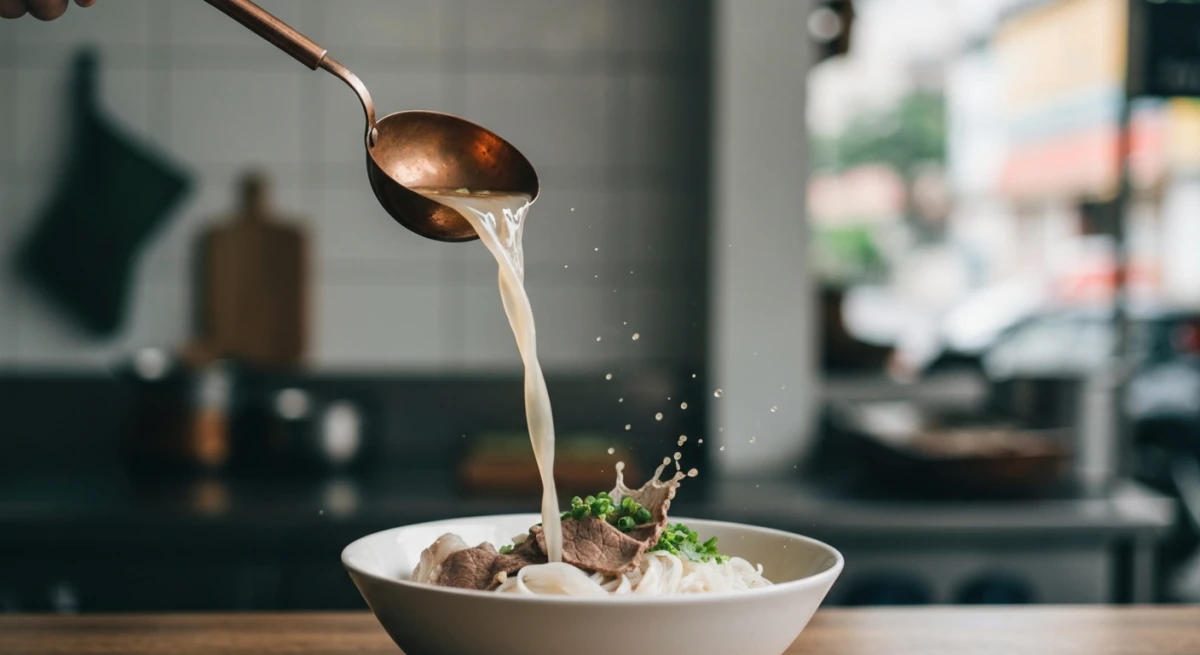
The Culinary Pulse of Vietnam's Southern Capital
Saigon, officially known as Ho Chi Minh City, is a sensory-overloaded metropolis where life is lived on the streets, and the culinary scene is the city's true beating heart. For food lovers, navigating this sprawling urban landscape can be both thrilling and dizzying. Finding the best places to eat in Saigon requires look-beyond-the-surface exploration, transitioning seamlessly from low-slung plastic stools on busy alleys to high-concept dining rooms overlooking the Saigon River.
What makes the dining scene here so spectacular is its sheer diversity. It is a city where a $1.50 bowl of street-side noodles is prepared with the same level of pride and generational mastery as a multi-course contemporary tasting menu in a sleek French villa. Whether you are searching for a comforting, midnight bowl of noodle soup, fresh snails wok-tossed in sweet tamarind, or an internationally acclaimed culinary masterpiece, this comprehensive guide will steer you directly to the best places to eat in Saigon.
1. The Legendary Street Food Institutions (The Plastic Stool Classics)
To understand the food culture of Saigon, you must start on the sidewalk. Street food here is not just a quick bite; it is a way of life. The following institutions have spent decades perfecting a single dish, earning legendary status among locals and international foodies alike.
Bánh Mì Huỳnh Hoa
- Address: 26 Lê Thị Riêng, Bến Thành, District 1
- The Vibe: Energetic, chaotic, and perpetually packed. You do not sit here; you join the queue, watch the assembly-line precision of the staff, and grab your sandwich to go.
- What to Order: The classic Bánh Mì Kẹp Thịt (the house special mixed pork baguette).
- Why It’s a Must-Visit: Often dubbed the heavyweight champion of Vietnamese sandwiches, Huỳnh Hoa does not skimp on ingredients. Each baguette is packed with up to nine layers of cold cuts, house-made pork floss, intensely savory pâté, rich mayonnaise, and a crisp, refreshing layer of pickled cucumbers, daikon, and cilantro. The contrast of the warm, shatteringly crisp bread with the rich, savory meats is unforgettable. It is heavy enough to share between two people, making it a perfect mid-day fuel stop.
- Insider Tip: If you want a less crowded, highly localized alternative, head to Bánh Mì Hồng Hoa (62 Nguyễn Văn Tráng, District 1) for a lighter, more traditional breakfast-style baguette.
Bánh Mì Hòa Mã
- Address: 53 Cao Thắng, District 3
- The Vibe: A narrow, atmospheric alleyway lined with tiny blue plastic stools, shaded by overhanging trees. It feels like stepping back into 1960s Saigon.
- What to Order: Bánh Mì Chảo (skillet banh mi with eggs and meat).
- Why It’s a Must-Visit: Operating since 1958, Hòa Mã was one of the very first shops in Saigon to serve bread to locals after the French departure. Instead of a pre-stuffed sandwich, here you are served a sizzling, small iron skillet loaded with two runny fried eggs, slices of caramelized pork sausage, ham, pate, and onions. You tear off pieces of the freshly baked, warm baguette and dip them directly into the rich egg yolks and savory oil. It is the ultimate nostalgic breakfast experience.
Phở Hòa Pasteur
- Address: 260C Pasteur, Võ Thị Sáu, District 3
- The Vibe: A bustling, multi-level traditional restaurant that has been family-run since the 1960s. High ceilings, stainless steel tables, and walls adorned with historic photos.
- What to Order: Phở Tái Nạm (rare beef slice and beef brisket noodle soup).
- Why It’s a Must-Visit: While Pho originated in the North, Saigon refined it into a sweeter, bolder, herb-loaded masterpiece. Phở Hòa Pasteur is arguably the most famous temple of Southern-style Pho. The broth here is deeply aromatic, cooked for hours with beef bones, charred ginger, star anise, and cinnamon. It is served with a mountain of fresh herbs (including saw-tooth herb and Thai basil), lime wedges, fresh chilies, and bean sprouts.
- Insider Tip: The table will be pre-set with bánh quẩy (fried dough sticks) and banana leaf-wrapped giò lụa (pork sausage). These are not free; you are charged a nominal fee for what you consume. Dip the crispy dough sticks into your broth to soak up the savory flavors—it is essential to the local experience.
Cơm Tấm Ba Ghiền
- Address: 84 Đặng Văn Ngữ, Phu Nhuận District
- The Vibe: Heavy smoke rising from sidewalk charcoal grills, the sweet aroma of caramelized pork wafting down the street, and a cavernous, loud dining hall filled with local families.
- What to Order: Cơm Tấm Sườn Bì Chả Trứng Ốp La (broken rice with pork chop, shredded pork skin, steamed egg meatloaf, and a fried egg).
- Why It’s a Must-Visit: Cơm tấm (broken rice) is Saigon’s signature comfort dish, originally made by resourceful farmers using fractured grains of rice that could not be sold. Ba Ghiền, which has earned a Michelin Bib Gourmand, serves a portion size that is famously massive. The star of the show is the thick, bone-in pork chop, marinated in a secret blend of lemongrass, garlic, fish sauce, and honey, grilled to smoky, juicy perfection over open charcoal. Drizzle the sweet and tangy fish sauce (nước chấm) over the warm broken rice and dig in.
Ốc Đào
- Address: 212B/D28 Nguyễn Trãi, Nguyễn Cư Trinh, District 1
- The Vibe: Hidden deep inside a labyrinth of residential alleyways, opening up into a massive, lively open-air courtyard packed with diners socializing over beer and shellfish.
- What to Order: Ốc hương sốt trứng muối (sweet snails in salted egg yolk sauce) and Sò lông nướng mỡ hành (grilled ark clams with scallion oil and crushed peanuts).
- Why It’s a Must-Visit: Eating ốc (snails and shellfish) is a quintessential Saigon evening ritual. It is less about a formal meal and more about nhậu—the Vietnamese art of drinking, snacking, and socializing. Ốc Đào is famous for its masterful sauces. The salted egg yolk sauce is incredibly rich, creamy, and savory; make sure to order a loaf of fresh bread to mop up every drop of the sauce. It is an adventurous, highly interactive eating experience that highlights the social fabric of the city.
2. Mid-Range Heritage & Traditional Comfort Dining
If you want a comfortable sit-down meal that still preserves the deep culinary heritage of Vietnam, Saigon offers brilliant mid-range dining rooms. These spots are perfect for long, shared meals with friends and family.
Cục Gạch Quán
- Address: 10 Đặng Tất, Tân Định, District 1
- The Vibe: A stunningly restored French-colonial villa decorated with rustic wooden antiques, lush indoor gardens, koi ponds, and soft lighting. It feels like dining inside a wealthy, historic Vietnamese countryside home.
- What to Order: The menu is vast, but you cannot go wrong with family-style classics: Đậu hũ chiên sả ớt (homemade fried tofu with lemongrass and chili), Thịt kho tộ (caramelized pork belly in a clay pot), and Canh chua cá (sour tamarind soup with fish and wild herbs).
- Why It’s a Must-Visit: Celebrated for hosting Brad Pitt and Angelina Jolie, Cục Gạch Quán is far more than a celebrity hotspot. Its culinary philosophy focuses on home-cooked, organic, zero-waste cuisine. The restaurant makes its own silky tofu daily and sources organic vegetables directly from local farmers. Dining here is highly nostalgic, presenting the clean, comforting flavors of traditional Vietnamese home cooking in an enchanting, peaceful setting away from the city's traffic din.
Bếp Mẹ Ỉn
- Address: 136/9 Lê Thánh Tôn, Bến Thành, District 1
- The Vibe: Tucked away in a colorful, graffiti-lined alleyway just steps from the Ben Thanh Market. The interior features vibrant, retro-Vietnamese propaganda art, rustic brick walls, and friendly, energetic service.
- What to Order: Bánh xèo (crispy, giant sizzling crepe stuffed with pork and shrimp) and Cơm chiên trái dừa (fragrant seafood fried rice served inside a whole carved coconut).
- Why It’s a Must-Visit: Recognized by the Michelin Guide with a Bib Gourmand, Bếp Mẹ Ỉn translates to "Mom's Kitchen." It is the perfect introductory restaurant for first-time visitors who want authentic street-food flavors but prefer a clean, air-conditioned, and highly accessible dining room. Their bánh xèo is a masterclass in texture: incredibly crispy on the outside, light, and non-greasy. You tear off pieces of the crepe, wrap them in large mustard green leaves with fresh herbs, and dip them in light, sweet fish sauce.
Thúy 94 Cũ
- Address: 84 Đinh Tiên Hoàng, Đa Kao, District 1
- The Vibe: Simple, functional, and unpretentious. Steel tables, bright fluorescent lighting, and an open kitchen at the entrance where chefs maneuver roaring woks with athletic speed.
- What to Order: Chả giò cua (crispy crab spring rolls), Miến xào cua (glass noodles stir-fried with crab), and Cua lột chiên bơ (deep-fried soft-shell crab in butter).
- Why It’s a Must-Visit: If you love crab, this is your holy grail. Thúy 94 Cũ is legendary for serving incredibly fresh, sweet crab meat sourced directly from the coastal province of Cà Mau. Unlike western restaurants where crab is a delicate luxury, here it is served in mountain-sized portions. The stir-fried glass noodles are incredibly savory, packed with massive lumps of fresh crab meat and infused with smoky wok hei (the breath of the wok).
- Insider Tip: Beware of copycats. There is another restaurant right next door with a very similar name (94). Make sure you enter Thúy 94 Cũ at number 84 for the original, superior culinary experience.
3. Fine Dining & Contemporary Innovation
Saigon's gastronomy scene is currently undergoing a massive evolution. A new wave of visionary chefs is utilizing world-class culinary techniques to deconstruct and elevate traditional Vietnamese street flavors, making the city one of the most exciting fine-dining destinations in Southeast Asia.
Anan Saigon
- Address: 89 Tôn Thất Đạm, Bến Nghé, District 1
- The Vibe: A narrow, multi-story building located directly inside Chợ Cũ, the oldest wet market in District 1. The contrast of Michelin-starred dining rubbing shoulders with live seafood stalls and vegetable vendors on the street below is electric.
- What to Order: The chef's tasting menu, featuring the world-famous "$100 Bánh Mì" (upon request, featuring wagyu beef, foie gras, truffle, and caviar) or the "Street Food Evolution" menu.
- Why It’s a Must-Visit: Founded by award-winning Chef Peter Cường Franklin, Anan is the first restaurant in Ho Chi Minh City to be awarded a Michelin star. Franklin takes humble, everyday street foods and elevates them into modern works of culinary art. Think bánh xèo transformed into elegant taco-style bites, and bone marrow phở reduction served with wagyu beef. It is an adventurous, playful, and deeply respectful homage to Vietnam’s culinary roots.
- Insider Tip: After dinner, head up to the rooftop bar, Nhậu Nhậu, for creative craft cocktails and a stunning view of the bustling street market below.
Quince Eatery
- Address: 37 Ký Con, Nguyễn Thái Bình, District 1
- The Vibe: Chic, sophisticated, and intimate, featuring an open-concept kitchen where diners can watch chefs cook over glowing embers and wood-fired ovens.
- What to Order: Smoked duck breast, wood-fired octopus, and their legendary house-baked sourdough bread with cultured butter.
- Why It’s a Must-Visit: While Vietnamese food is the main attraction in HCMC, Saigon’s international culinary offerings are incredibly strong. Quince is a consistent powerhouse in the city, routinely ranked among Asia’s best restaurants. The menu focuses on Mediterranean-inspired, wood-fired dishes prepared with exceptional imported meats and fresh, locally sourced Vietnamese produce. The smoky char from the open ovens elevates every single ingredient, making it the perfect spot for a romantic dinner or a celebratory feast.
ST25 by KOTO
- Address: 2A Lê Duẩn, Bến Nghé, District 1 (Inside the Sofitel Saigon Plaza)
- The Vibe: Upscale, contemporary, and artistic. The dining room features beautiful representations of Vietnamese rice terraces and modern cultural motifs.
- What to Order: Elevating regional specialties, order the roasted duck breast served with ST25 rice (voted the world's best rice) or their modern interpretation of traditional bún chả.
- Why It’s a Must-Visit: This restaurant represents a brilliant partnership between the Sofitel and KOTO (Know One, Teach One), a legendary social enterprise that trains disadvantaged and at-risk Vietnamese youth in hospitality and culinary arts. Headed by incredibly talented chefs, ST25 showcases highly refined, contemporary Vietnamese cuisine while directly supporting a profound, life-changing social mission. It is fine dining that feels incredibly good to support.
4. Navigating Saigon's Neighborhoods (Where to Eat Beyond District 1)
Many travelers spend their entire trip within the borders of District 1, but the real magic of Saigon’s food scene lies in exploring its distinct, highly specialized districts. Moving beyond the tourist core rewards you with cheaper prices, hyper-local atmospheres, and unique regional culinary micro-climates.
District 3 (The Local Food Haven)
Located directly adjacent to District 1, District 3 is characterized by wide, leafy avenues lined with French-colonial architecture, quiet alleys, and hidden courtyard cafes. It is highly local and slightly more relaxed than District 1. It is a fantastic neighborhood for finding specialized noodle joints, quiet vegetarian restaurants, and cozy, independent coffee shops.
- Must-Try Spot: Hum Dining (32 Võ Văn Tần) is a globally recognized, incredibly peaceful vegetarian oasis serving stunningly beautiful and healthy plant-based dishes made from fresh, local Vietnamese ingredients.
District 5 (Cholon / Chinatown)
Cholon is the historic heart of Saigon’s Chinese-Vietnamese community. The food here is distinctly different from the rest of the city. Broths are richer and sweeter, herbal medicinal ingredients are commonly infused into soups, and roasted meats hang in stall windows. It is the ultimate destination for authentic dim sum, hand-pulled noodles, and traditional Chinese desserts.
- Must-Try Spot: Head to Hà Tôn Quyền Street in the evening, which is famous for its concentration of sủi cảo (wonton/dumpling) shops. Order a steaming bowl of pork and shrimp wontons served in a clear, soothing pork broth.
Thảo Điền / District 2 (The Modern Expat Enclave)
Located on the eastern side of the Saigon River, Thảo Điền was once a sleepy marshland but has transformed into a trendy, highly cosmopolitan neighborhood. It is the center of the city's specialty coffee culture, craft beer breweries, chic organic cafes, and international fine dining. It is green, highly walkable, and offers beautiful views of the river.
- Must-Try Spot: The Deck Saigon (38 Nguyễn Ư Dĩ) offers stunning riverside views, making it the premier location in HCMC for a sunset cocktail followed by fresh, high-quality pan-Asian seafood.
5. The Rules of the Table: Essential Culinary Etiquette in Saigon
Eating in Saigon is an incredibly social, interactive experience, but navigating local eateries can be intimidating for newcomers. Follow these simple tips to eat like a seasoned local:
- Embrace the Ice (Đá): In Saigon's tropical climate, beer, tea, and water are almost always served with a massive block of ice. Do not fear the ice; in Ho Chi Minh City, ice is commercially manufactured using purified water and is perfectly safe for travelers.
- Look for the Turnover: When choosing a street food stall, choose places that are packed with local families or young students. A high turnover means the ingredients are exceptionally fresh and do not sit around in the heat.
- Don’t Rush Your Tea: Most local eateries will serve you a glass of cold, light iced tea called trà đá as soon as you sit down. It is incredibly cheap (often free or around 2,000 VND) and acts as a refreshing palate cleanser between spicy or rich bites.
- Understand "Khăn Lạnh" (Wet Wipes): The pre-packaged wet wipes on your table are not free. They usually cost between 2,000 and 5,000 VND ($0.10–$0.20 USD). If you use them, the fee will be added to your bill at the end. If you do not want to pay, simply bring your own tissues and leave the wet wipes untouched.
- Master the Chopstick Etiquette: When eating soup, use your right hand to guide your chopsticks and your left hand to hold your spoon. Scoop up noodles, lay them in your spoon with a bit of broth, and eat them together to ensure the perfect ratio of textures and flavors in every bite.
6. Frequently Asked Questions (FAQs)
Is it safe to eat street food in Saigon?
Yes, eating street food in Saigon is generally very safe, provided you use basic common sense. Look for stalls that are busy with high foot traffic, as this guarantees the food is freshly cooked and has not been sitting in the open air. Opt for stalls where you can see the cooking process happening in real-time over hot grills or boiling pots. Stick to bottled water, though the commercial ice used in major restaurants and busy street food stalls in Saigon is safe.
What is the difference between Northern (Hanoi) and Southern (Saigon) food?
Northern Vietnamese cuisine tends to be more delicate, subtle, and balanced, relying heavily on black pepper rather than chili for heat, and focusing on clean, clear broths. Southern Vietnamese food, reflecting Saigon's tropical climate and historical trade routes, is much bolder, sweeter, and more colorful. Southern chefs use sugar, coconut milk, fresh chili, and an abundance of fresh, raw herbs in almost every dish.
Do you need to tip at restaurants in Saigon?
Tipping is not a traditional part of Vietnamese culture. At casual street food stalls and local family-run eateries, tipping is not expected. However, at upscale restaurants, modern cafes, and fine-dining establishments in District 1, a 5% to 10% service charge may be added directly to your bill, or you can leave a small tip of cash to show your appreciation for exceptional service.
What is the average cost of a meal in Saigon?
Saigon is incredibly budget-friendly. A typical street food meal (like a bowl of Pho or a plate of broken rice) will cost between 35,000 to 75,000 VND ($1.50 to $3.00 USD). A meal at a mid-range, air-conditioned heritage restaurant will cost around 150,000 to 350,000 VND ($6.00 to $15.00 USD) per person. Fine-dining tasting menus at places like Anan Saigon typically start around 1,500,000 VND ($60.00 USD) and up, which is incredibly affordable compared to similar Michelin-starred experiences globally.
How do I get around Saigon to explore all these restaurants?
The absolute easiest and most efficient way to navigate Saigon’s food scene is by using ride-hailing apps like Grab or Gojek. You can easily book a car or a motorbike taxi directly to the restaurant's address for a transparent, very affordable fee. Additionally, you can utilize Saigon's modern Metro Line 1 to move efficiently between central District 1 locations and the trendy expat enclave of Thảo Điền.
Conclusion: Step Out of Your Comfort Zone
Saigon is not a city that reveals its culinary treasures to those who stay entirely within their comfort zones. The very best places to eat in Saigon are often hidden behind unassuming alleyways, located on smoky, loud curbsides, or tucked away inside historic apartment blocks.
To truly experience the genius of southern Vietnamese cuisine, you must be willing to sit on plastic chairs, navigate the chaotic dance of motorbikes, and embrace the vibrant, aromatic, and deeply social world of local dining. Armed with this guide, you are ready to embark on an unforgettable culinary adventure through one of the world's greatest food capitals. Pack your appetite, keep an open mind, and prepare to be amazed.