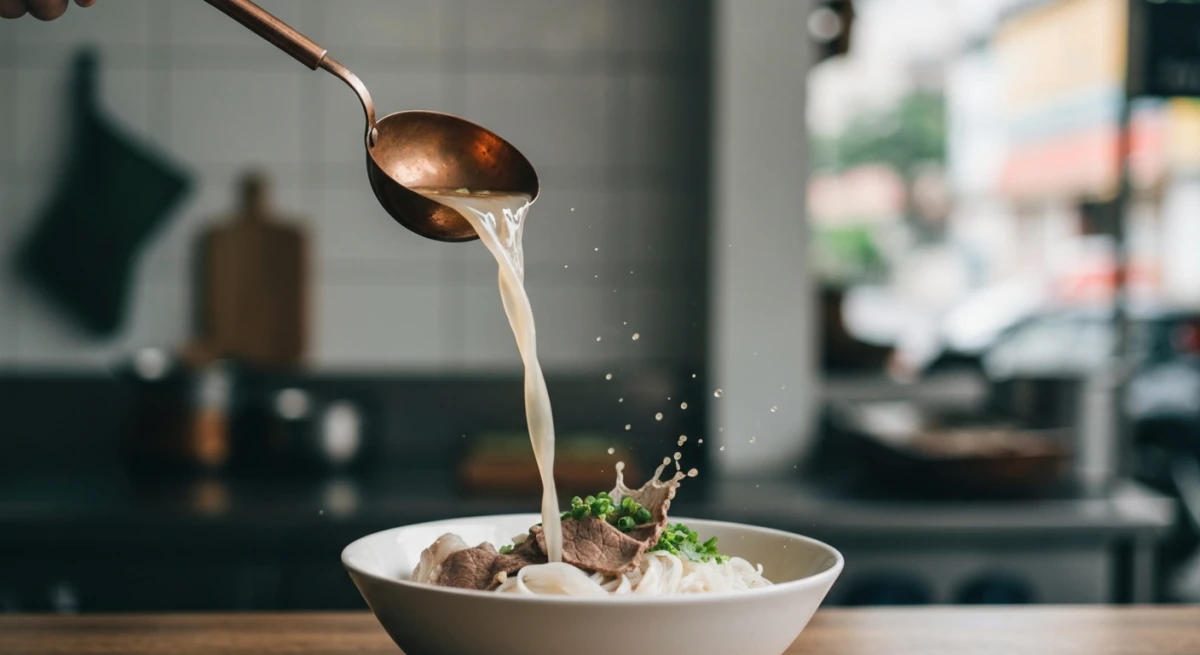
Saigon—officially Ho Chi Minh City—is a relentless, sensory-overload of a metropolis. It is a city that never truly sleeps, propelled forward by the collective hum of millions of motorbikes and the enticing aromas of sizzling grills, fresh herbs, and slow-simmered broths. For food lovers, it is nothing short of paradise. To find the best places to eat saigon has to offer, you must be willing to look past flashy tourist avenues and embrace the narrow alleyways, the low plastic stools, and the smoky street corners where culinary magic has been perfected over generations.
Whether you are seeking a life-changing bowl of Pho, a decadent, pâté-slathered Bánh Mì, or a high-end, Michelin-starred tasting menu, Saigon caters to every craving. This comprehensive guide bypasses the typical tourist traps to deliver the ultimate, insider roadmap to the city’s culinary landscape. We’ve eaten our way through every district to bring you the definitive list of where to eat, what to order, and how to navigate Saigon's legendary food scene like a seasoned local.
1. The Holy Trinity of Saigon Street Food (Cơm Tấm, Bánh Mì, & Phở)
There are three dishes that define the daily culinary rhythm of Saigon: Cơm Tấm (broken rice), Bánh Mì (Vietnamese sandwich), and Phở (noodle soup). While you can find these on almost every corner, a few legendary establishments have mastered the craft over decades and represent the absolute pinnacle of southern flavors.
Cơm Tấm Ba Ghiền: The King of Broken Rice
Address: 84 Đặng Văn Ngữ, Ward 10, Phú Nhuận District
Historically a peasant dish made from fractured rice grains that couldn't be sold commercially, Cơm Tấm has evolved into Saigon's quintessential comfort food. No place honors this transformation quite like Cơm Tấm Ba Ghiền. This open-air Phú Nhuận institution has been drawing massive crowds since 1995 and proudly holds a Michelin Bib Gourmand.
The star of the show here is the sườn nướng—a gargantuan, thick-cut pork chop marinated in a secret family recipe of lemongrass, garlic, honey, and fish sauce, then grilled to caramelized perfection over open charcoal. The smoke from the street-side grill acts as a beacon, pulling hungry commuters from blocks away.
- How to order: Ask for "Cơm Tấm Sườn Bì Chả Trứng Ốp La." This gets you the signature broken rice topped with that massive pork chop, shredded pork skin (bì), a savory steamed pork and egg meatloaf (chả), and a crispy-edged sunny-side-up egg. Drizzle it with their sweet-chili fish sauce, top with plenty of scallion oil (mỡ hành), and prepare for culinary bliss.
Bánh Mì Huỳnh Hoa vs. Bánh Mì Hồng Hoa: The Battle of Baguettes
Saigon's sandwich game is highly competitive, and two spots in District 1 represent the dual nature of the city's Bánh Mì culture: extreme decadence versus classic perfection.
Bánh Mì Huỳnh Hoa (26 Lê Thị Riêng, Phạm Ngũ Lão, District 1): Often referred to by locals as the most expensive—and most famous—baguette in the city, Huỳnh Hoa is an absolute beast. A single sandwich is heavy enough to share and comes packed with over a dozen layers of house-made pork floss, premium ham, headcheese, roast pork, and a legendary, thick layer of rich pork liver pâté and creamy, buttery mayonnaise. The crisp, warm baguette is slashed open, slathered with these savory components, and balanced with sharp pickled daikon, carrots, fresh cucumbers, cilantro, and fiery Thai bird's eye chilies.
Insider Tip: The queue here is legendary, populated by locals, hungry travelers, and green-jacketed GrabFood riders. Go mid-afternoon (around 3:00 PM) to avoid the worst of the rush, and ask for the chilies on the side if you cannot handle intense heat.
Bánh Mì Hồng Hoa (54 Nguyễn Văn Tráng, Bến Thành, District 1): If Huỳnh Hoa feels like an overwhelming meat-bomb, Bánh Mì Hồng Hoa is its elegant, perfectly-balanced counterpart. Baked fresh on-site throughout the day, the baguettes here are incredibly light, airy, and shatteringly crisp. Their bánh mì thịt nướng (grilled pork) and bánh mì xá xíu (BBQ pork) offer a cleaner, more traditional bite where the freshness of the herbs and the quality of the warm bread really shine. It’s the perfect grab-and-go breakfast before a day of urban exploration.
Phở Lệ: A Southern-Style Broth Masterpiece
Address: 413-415 Nguyễn Trãi, Ward 7, District 5
While Phở originated in the North of Vietnam, the Southern variation—featuring a sweeter, richer broth, thinner noodles, and an abundance of fresh herbs and dipping sauces—rules Saigon. For more than 70 years, Phở Lệ in Chinatown (District 5) has served what many consider the finest Southern bowl in town.
Unlike the clear, minimalist Northern broths, Phở Lệ's broth is deeply robust, slightly oily, and infused with the intense fragrance of star anise, cinnamon, cloves, and charred ginger, simmered with beef bones for over 24 hours.
- How to order: Try the Phở Tái Nạm Bò Viên (rare beef, tender flank, and bouncy house-made beef meatballs). When the steaming bowl arrives, it will be accompanied by a veritable forest of fresh herbs: Thai basil, saw-tooth herb (ngò gai), rice paddy herb, and blanched bean sprouts. Pluck the leaves, tear them to release their essential oils, submerge them in the broth, and create a dipping saucer of mixed hoisin and chili sauce for the tender slices of beef.
2. The Snail and Seafood Culture (Văn Hóa Ăn Ốc)
If there is one culinary subculture that represents the soul of Saigon's nightlife, it is Ăn Ốc—the art of eating snails and shellfish. As the sun sets, locals gather around low metal tables on tiny plastic stools along quiet alleyways, cracking open shells, sipping ice-cold local beers, and laughing over the din of traffic. This is not just a meal; it is an essential social ritual.
Ốc Đào: The Legendary Alleyway Seafood Sanctuary
Address: 212/C79 Nguyễn Trãi, Nguyễn Cư Trinh Ward, District 1
Tucked deep within a maze-like alley off busy Nguyễn Trãi street, Ốc Đào is a bustling, high-energy seafood haven. Despite its hidden location, it is constantly packed with locals who appreciate the incredible freshness of the catch and the masterfully balanced sauces.
The menu at Ốc Đào features dozens of varieties of snails, clams, crabs, and shrimp, prepared in a dizzying array of styles: grilled with green chili, sautéed in sweet coconut milk, or doused in garlic butter.
- Must-try dishes:
- Ốc Hương Sốt Trứng Muối (Sweet snail in salted egg yolk sauce): Sweet, plump snails coated in a rich, velvety, savory-sweet salted egg yolk sauce. Order a side of bánh mì just to mop up every drop of this liquid gold.
- Sò Lông Nướng Mỡ Hành (Grilled ark clams with scallion oil and peanuts): Meaty clams grilled over charcoal, topped with fragrant scallion oil, crispy fried shallots, and crushed roasted peanuts.
- Ốc Móng Tay Xào Rau Muống (Razor clams stir-fried with morning glory): Sweet, tender razor clams tossed in a high-heat wok with fresh, crunchy water spinach and heavy garlic.
Ốc Khánh: A Cozy District 1 Alternative
Address: 25/5 Nguyễn Bỉnh Khiêm, Bến Nghé, District 1
Owned by a famous local actress, Ốc Khánh is another superb option for those who want to experience authentic snail culture without venturing too far from the center of District 1. Tucked down a quiet residential lane, the atmosphere here is incredibly welcoming and slightly calmer than the chaotic energy of Ốc Đào. Try their nghêu hấp sả (clams steamed with lemongrass, chili, and pineapple)—the broth is incredibly fragrant, sweet, sour, and spicy, making it the perfect palate cleanser between richer, buttery snail dishes.
3. Beyond the Basics: Regional Soups and Sizzling Savory Crepes
Saigon is a city of migrants. Over the decades, people from all corners of Vietnam have moved to the southern metropolis, bringing their regional recipes with them. As a result, Saigon is the best place in the country to sample highly specialized regional dishes, often modified slightly to suit the sweeter, herb-heavy Southern palate.
Bún Riêu Gánh: The Ultimate Crab and Tomato Noodle Soup
Address: 4 Phan Bội Châu, Bến Thành, District 1
Originating in the Red River Delta of Northern Vietnam, Bún Riêu is a complex, deeply comforting noodle soup characterized by its red-hued broth made from tomato, pork bones, and freshwater paddy crabs.
For over 40 years, Bún Riêu Gánh operated as a humble street stall, with the owner carrying her entire kitchen on a shoulder pole (đòn gánh) near Bến Thành Market. Today, they have transitioned into a clean, air-conditioned shophouse just steps from their original location, but the recipe remains beautifully untouched.
The broth is a masterclass in balance: savory, slightly sweet, and tangy from the addition of tamarind and tomatoes. It is loaded with soft tofu puffs, thick chunks of congealed pig's blood (huyết), tender pork knuckles, and a rich, cloud-like cake of crab-and-shrimp paste.
- Local secret: To eat this like a true Saigonese, add a spoonful of fermented shrimp paste (mắm tôm), a squeeze of lime, and a heap of shredded banana blossom and split morning glory stems to your bowl. The shrimp paste adds an incredible, umami depth that ties all the distinct flavors together.
Bún Thịt Nướng Kiều Bảo: Smoky Grilled Pork over Vermicelli
Address: 139 Đề Thám, Cô Giang, District 1
If the sweltering Saigon heat makes hot soup unappealing, Bún Thịt Nướng is your savior. This cold rice vermicelli noodle salad is a refreshing assembly of charcoal-grilled pork, crispy deep-fried imperial spring rolls (chả giò), fresh herbs (mint, sweet basil, cilantro), shredded cucumber, pickled daikon and carrots, and crushed peanuts.
Bún Thịt Nướng Kiều Bảo is a legendary local chain (with its most accessible branch on Đề Thám) known for serving massive, ultra-cheap, and incredibly delicious bowls. The pork is smoky, sweet, and tender, while the spring rolls add a delightful, greasy crunch.
- How to eat it: Pour the accompanying bowl of light, sweet-and-sour fish sauce (nước chấm) directly over the noodles, toss everything together like a salad, and enjoy the explosion of textures and temperatures.
Bếp Mẹ Ỉn: Sizzling Bánh Xèo in a Hidden Alleyway
Address: 136 Lê Thánh Tôn, Bến Thành, District 1
Located in a lively alleyway right next to Bến Thành Market, Bếp Mẹ Ỉn (a Michelin Bib Gourmand recipient) is a whimsical, retro-chic restaurant designed to feel like a traditional Vietnamese home.
While they serve fantastic homestyle dishes, they are famous for their Bánh Xèo—a massive, sizzling, savory crepe made from rice flour, water, and turmeric powder, stuffed with pork, shrimp, and bean sprouts. The version here is exceptionally crispy, mimicking the street-style stalls but served in a comfortable, clean setting.
- How to eat Bánh Xèo: Do not use a fork! Tear off a piece of the crispy crepe, wrap it inside a large mustard green or lettuce leaf along with fresh herbs (mint, Vietnamese coriander), roll it up tightly, and dip it deep into the sweet-and-sour fish sauce.
4. The Evolution of Saigon Dining: Modern Fusion and Elegant Vegetarian
While Saigon's street food represents the historical heartbeat of the city, its contemporary culinary scene is evolving at a breakneck pace. Today, visionary chefs are blending traditional Vietnamese flavors with French techniques, global ingredients, and modern plating, placing Saigon firmly on the global fine-dining map.
Ănăn Saigon: Street Food Elevated to a Michelin Star
Address: 89 Tôn Thất Đạm, Bến Nghé, District 1
To see just how far Saigon's food scene has come, you must visit Ănăn Saigon. Created by Chef Peter Cuong Franklin—a Yale graduate and investment banker turned Le Cordon Bleu-trained chef—Ănăn is the first and only restaurant in Ho Chi Minh City to receive a coveted Michelin Star.
The restaurant is poetically located inside Chợ Cũ (the old wet market) in the heart of District 1, housed in a narrow, multi-story "tube house" that overlooks the daily chaos of vegetable vendors and butcher stalls. Chef Peter takes the very street food dishes sold outside his door and reimagines them through a modern, sophisticated lens.
Signature creations:
- The Bánh Xèo Taco: A miniature, ultra-crispy central-Vietnamese-style crepe folded like a Mexican taco, filled with shrimp, pork, and fresh herbs.
- The $100 Phở: A decadent reimagining of the classic soup featuring seven different cuts of premium beef (including Wagyu and bone marrow), a rich broth simmered for 12 hours, and topped with fresh black truffles and gold leaf (must be ordered in advance).
- Foie Gras Spring Rolls: Deep-fried, crispy spring rolls stuffed with rich, creamy foie gras, served with a sweet-and-sour dipping sauce.
Reservation tip: Booking several weeks in advance is highly recommended, especially if you wish to experience their seasonal tasting menu.
Hum Vegetarian: A Masterclass in Elegant Plant-Based Dining
Address: 32 Võ Văn Tần, Ward 6, District 3
Vegetarianism (Ăn Chay) has deep roots in Vietnam due to Buddhist traditions. However, Hum Vegetarian has elevated plant-based dining into a world-class, sensory experience. Located in a beautifully restored colonial villa in District 3, Hum is an oasis of calm, complete with lush green courtyards, soothing water features, and warm wooden furnishings.
The food at Hum is designed to highlight the natural flavors, textures, and health benefits of local, organic ingredients without relying on the processed mock meats common in budget vegetarian stalls.
- Must-order dishes:
- Deep-fried winged bean salad tossed with toasted coconut, roasted peanuts, and a light, tangy dressing.
- Braised mushrooms in coconut silken tofu, served piping hot in a clay pot.
- Square spring rolls stuffed with wild mushrooms, glass noodles, and local taro, fried to a golden, delicate crisp.
Even dedicated carnivores will find themselves completely mesmerized by the complexity of flavors at Hum.
5. Essential Tips for Eating in Saigon: Safety, Etiquette, and Neighborhoods
To truly conquer the best places to eat saigon has to offer, a little practical knowledge goes a long way. Saigon’s food scene can be overwhelming, but following these guidelines will ensure a safe, smooth, and delicious journey.
Navigating the Food Neighborhoods
- District 1 (The Center): Perfect for first-timers. Here, you will find legendary spots like Bánh Mì Huỳnh Hoa, Bếp Mẹ Ỉn, and Ănăn Saigon. It is clean, accessible, and English is widely spoken, though prices are slightly higher.
- District 3 (The Historic Heart): Bordering District 1, this leafy area is home to classic villas and amazing local eateries like Phở Hòa Pasteur and Hum Vegetarian. It offers a great balance of local charm and comfort.
- District 5 (Chợ Lớn / Chinatown): The place to go for incredible Chinese-Vietnamese culinary fusion. Think roasted duck, hand-pulled noodles, and the deep, rich broths of Phở Lệ.
- Phú Nhuận & Bình Thạnh: These districts lie just outside the tourist center and boast the highest concentration of authentic, hyper-local street food lanes. Head here to visit Cơm Tấm Ba Ghiền or to find bustling snail lanes along Vạn Kiếp street.
Street Food Safety and Hygiene
A common fear among travelers is "Saigon belly" (food poisoning). While caution is warranted, you do not need to avoid street food altogether.
- Follow the Crowds: A street food stall with a high turnover of local customers is the best guarantee of freshness. Ingredients do not sit around in the tropical heat; they are prepped, cooked, and sold within hours.
- Watch the Cook: Choose stalls where the food is cooked to order on high heat right in front of you. Sizzling crepes, boiling soups, and charcoal-grilled meats are generally very safe.
- The Ice Question: In Saigon, ice (đá) is mass-produced in clean factories and delivered to stalls in large blocks. It is generally safe to consume in cold coffees and teas, especially in established restaurants and popular street stalls. If the ice has a hole through the center (tube ice), it is factory-made and safe.
- Drink Bottled Water: Avoid drinking tap water. Stick to bottled water, which is readily available at any convenience store.
Table Etiquette and Dining Culture
- The Plastic Stool Rule: Do not be afraid of the low plastic chairs. Sitting on the street level is an integral part of the dining experience. It keeps you close to the action and the cooler ground-level air.
- The Cutlery Routine: When you sit down at a local joint, you will find a container of chopsticks and spoons. It is common local practice to grab a lime wedge or a clean tissue and wipe down your utensils before eating.
- Wet Wipes (Khăn Lạnh): Most casual restaurants will place packaged wet wipes on your table. Note that these are not free; you will be charged a tiny fee (usually around 2,000 to 5,000 VND) per wipe used.
- Paying the Bill: In casual street stalls, you pay at the end of the meal. Simply catch the eye of a staff member and say "Tính tiền" (pronounced ting tian). In most local spots, cash is king, so always carry small denominations of Vietnamese Dong (VND 10,000, 20,000, and 50,000 notes are incredibly useful).
6. Frequently Asked Questions (FAQ)
What is the single most famous food to eat in Saigon?
While Phở is Vietnam's national dish, Cơm Tấm (broken rice) is the undisputed culinary king of Saigon. It is eaten at all times of day and represents the gritty, resourceful, and ultimately delicious spirit of the city.
Is street food in Saigon expensive?
Not at all. A massive bowl of street-side noodle soup, a crispy Bánh Mì, or a plate of broken rice will typically cost between VND 30,000 to 80,000 ($1.20 to $3.20 USD). It is one of the most budget-friendly food destinations in the world.
Why do people call the city Saigon instead of Ho Chi Minh City?
"Ho Chi Minh City" is the official political name adopted in 1976, but locals, expats, and travelers still widely use "Saigon" (Sài Gòn) in daily conversation. It refers to the central, vibrant heartbeat of the city and carries a deep sense of cultural pride, particularly when discussing the local cuisine and lifestyle.
How do I book a table at Michelin-starred restaurants in Saigon?
For high-end spots like Ănăn Saigon, you should book online via their official website at least two to three weeks in advance, especially if you plan to visit on a weekend or want to try their special tasting menus.
Conclusion
Saigon’s culinary landscape is a beautifully chaotic mosaic. It is a city where a $1.50 bowl of roadside noodles can bring just as much joy and culinary complexity as a multi-course, avant-garde tasting menu. To find the best places to eat saigon has to offer, you simply need to step out of your comfort zone, follow the trail of charcoal smoke, pull up a tiny plastic stool, and let your taste buds lead the way. From your first crispy bite of a freshly baked Bánh Mì to your last savory sip of lemongrass clam broth, eating in this vibrant city is an adventure you will never forget.