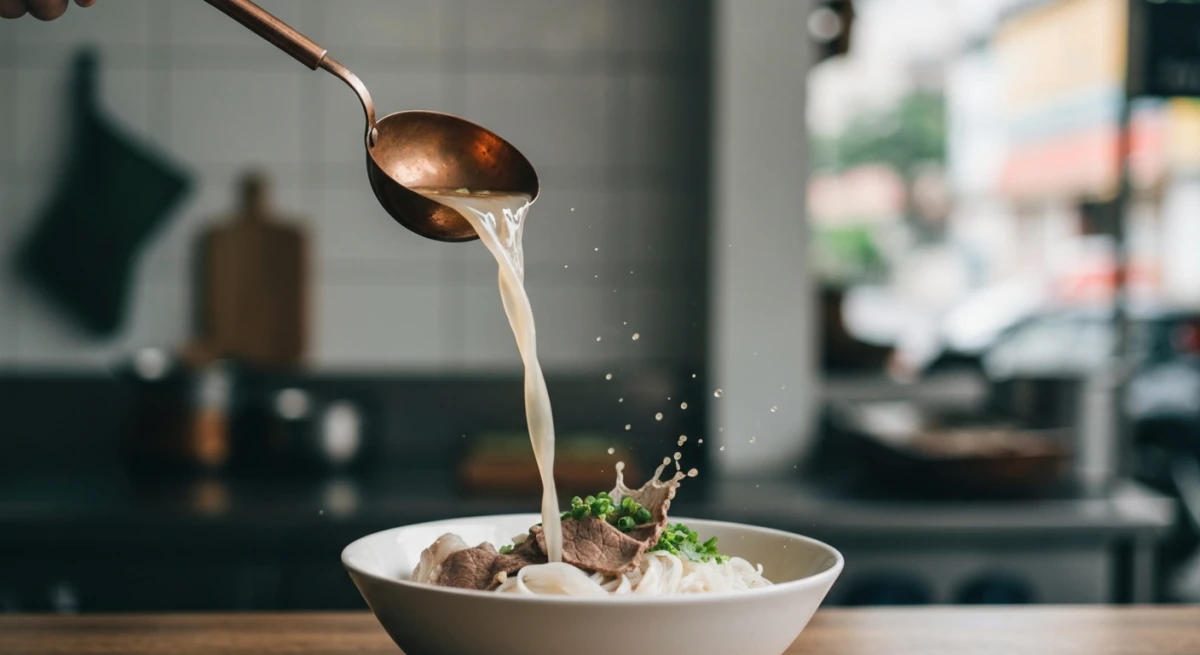
Stepping onto the buzzing streets of Ho Chi Minh City (still affectionately called Saigon by locals) is an absolute assault on the senses. The air is thick with the aroma of roasting coffee, sizzling lemongrass, and deep, bubbling broths from roadside stalls. While Phở and Bánh Mì typically dominate the international spotlight, local culinary connoisseurs know that the city’s true crown jewel lies in its seafood street food—specifically, the legendary crab noodle. Tracking down the best crab noodle ho chi minh has to offer is not just a quest for dinner; it is an exploration of distinct textures, regional cooking philosophies, and the vibrant culture of Southern Vietnam. From thick, gelatinous soups to light, tomato-kissed broths and smoky, wok-fried glass noodles, the city's crab noodle scene is incredibly diverse. In this definitive guide, we will break down the three distinct styles of crab noodles you must try, the legendary spots where locals eat, and the culinary secrets that set them apart.
The Ultimate Guide to Saigon’s Iconic Crustacean Feast
To the uninitiated, ordering a "crab noodle" in Saigon can lead to three completely different culinary adventures. Unlike other cities where one style dominates, Saigon’s dining landscape has integrated several regional variations into its daily food culture. Understanding the differences is crucial to satisfying your specific craving.
First, there is Bánh Canh Cua, the thick and rich feast. Often described as the Vietnamese counterpart to a thick seafood chowder or Japanese udon, it features slippery, chewy noodles made from a blend of tapioca and rice flour. The soup is thickened with tapioca starch and colored a vivid orange-red with annatto oil, providing a deeply comforting, hearty meal.
Second is Bún Riêu Cua, the tangy, herb-packed classic. This is a lighter, soul-warming vermicelli noodle soup. The broth is a masterclass in balance—tangy from fresh tomatoes and tamarind, savory from slow-simmered pork bones, and deeply umami from pounded fresh-water paddy crabs. It is topped with a light, fluffy crab-pork souffle and served with a mountain of fresh herbs.
Third is Miến Xào Cua, the smoky, stir-fried delicacy. For those who prefer dry noodle dishes, this stir-fried glass noodle dish offers unparalleled texture. Translucent mung bean glass noodles are wok-fried over roaring flames with generous mounds of sweet, hand-peeled crab meat, wood ear mushrooms, and bean sprouts. It focuses entirely on the natural sweetness of the crab and the elusive smoky flavor known as "wok hei".
Bánh Canh Cua: The Thick, Gravy-Rich Masterpiece
Bánh Canh Cua is pure comfort in a bowl. The word "bánh canh" translates literally to "soup cake," referring to the thick, cylindrical noodles that form the base of this indulgent dish. The broth is simmered for hours with pork bones, dried shrimp, and fresh crab shells, then thickened slightly to a gravy-like consistency. It is a visual and sensory masterpiece, stained orange-red and glistening with crab fat.
What makes a legendary bowl of Bánh Canh Cua? It starts with the broth, which must be deeply savory with a clean, natural sweetness from straw mushrooms. Then comes the seafood: top-tier vendors display glass cabinets overflowing with bright orange crab claws and freshly hand-shredded crab body meat. Finally, there is the texture—the chewy bounce of the noodles paired with the crunchy, airy contrast of "quẩy" (deep-fried Chinese dough sticks) used to soak up every drop of the rich broth.
Bánh Canh Cua Út Lệ
Located at 361 Nguyễn Tri Phương, District 10, Út Lệ is a multi-shopfront powerhouse on one of Saigon's most famous dining streets. The vibe here is electric and chaotic in the best way possible. You will find yourself sitting on low plastic stools while staff weave through the tables carrying steaming bowls. The broth at Út Lệ is remarkably velvety, with a perfect balance of savory and sweet. A standard bowl ("đầy đủ") is an absolute feast, packed with whole peeled crab claws, thick slices of pork loin, a bouncy fish cake, a quail egg, and a block of tender "huyết" (congealed pig’s blood). Be sure to order a plate of crispy "quẩy" to dip into the orange gravy.
Bánh Canh Cua Trần Khắc Chân
Situated at 87 Trần Khắc Chân, District 1, in the historic Tân Định neighborhood, this spot is a beloved local institution that opens in the mid-afternoon and stays packed until late. The glass display case at the front, stacked high with crab claws and fresh shrimp, is a beautiful statement of quality. This shop is particularly famous for its homemade crab cakes ("chả cua"), which blend fresh crab meat with featherback fish paste ("cá thác lác"), resulting in an incredibly springy, savory bite. The broth here is slightly lighter than Út Lệ’s but carries an intense mushroom-infused sweetness that keeps locals coming back day after day.
Bánh Canh Cua 14
Found at 221 Trần Bình Trọng, District 5, this clean and well-organized restaurant is a favorite for families and couples. It offers a slightly more comfortable dining environment while maintaining pristine street-food flavors. The highlight at Bánh Canh Cua 14 is the sheer freshness of the seafood. The crab meat is incredibly sweet and tender, and the shrimp are cooked to snappy perfection. Their broth has a beautifully balanced, clean umami profile that doesn't feel heavy, making it an excellent introduction for first-timers.
Bún Riêu Cua: The Tangy, Herb-Packed Street Legend
If Bánh Canh Cua is a rich indulgence, Bún Riêu Cua is a vibrant, refreshing lifesaver on a hot Saigon afternoon. Originally hailing from Northern Vietnam, this dish has been lovingly adapted by Saigonese cooks to suit the Southern palate, resulting in a sweeter broth, larger toppings, and a more generous herb platter.
The heart of a great Bún Riêu is the "riêu cua"—the crab paste. Traditional chefs crush small fresh-water paddy crabs (shells and all), mix them with water, and strain the liquid. When this mixture is simmered, the crab proteins coagulate and float to the surface, forming an incredibly light, fluffy cloud of crab meatball. Southern cooks often mix this crab paste with minced pork and eggs to create a richer, more substantial souffle-like cake.
Bún Riêu Gánh
Now located in a comfortable shophouse at 4 Phan Bội Châu, District 1 (directly across from the East Gate of Ben Thanh Market), Bún Riêu Gánh boasts over four decades of history. It began as a humble street vendor carrying ingredients on a "gánh" (wooden shoulder yoke) and has evolved into one of the most famous noodle shops in the city. The moment you walk in, you are greeted by a colossal, bubbling cauldron of orange-red broth shimmering with tomatoes, fried tofu, and crab cakes. A bowl here is packed with thick blocks of fried tofu, tender pork blood curd, and fluffy crab meatballs. What sets Bún Riêu Gánh apart is their signature dipping sauce: a small dish of tangy tamarind paste mixed with a spoonful of pungent "mắm tôm" (fermented shrimp paste) and fresh chili. Dip your crab souffle and tofu into this mixture for a truly spectacular explosion of flavor.
Bún Riêu Nguyễn Cảnh Chân
Located at 18 Nguyễn Cảnh Chân, District 1, this hidden gem is tucked away on a quieter, tree-lined street, offering a serene escape from the city’s chaotic traffic. Beloved by culinary travel writers and local purists alike, this spot serves a wonderfully balanced bowl of noodles. The broth here is remarkably light, clean, and elegant, allowing the natural, briny sweetness of the paddy crab to take center stage without being overpowered by tomatoes or sugar. The chef sits behind a pristine noodle station, assembling each bowl to order. Grab a seat on the sidewalk, pluck some fresh perilla ("kinh giới") leaves to drop into your hot soup, and enjoy the authentic street food atmosphere.
Bún Riêu Yến
Situated at 64 Hoàng Sa, Bình Thạnh District, along the scenic canal, Bún Riêu Yến is packed with local office workers and residents from early morning until late at night. The broth here is deeply savory and robust, made with a high proportion of crab roe and pork bones. A bowl of "bún riêu" here is incredibly generous, featuring crispy-edged fried tofu that absorbs the broth beautifully, plump snails ("ốc"), and a very generous portion of fluffy crab paste. It is the perfect place to dine late at night while watching the motorbikes stream along the canal.
Miến Xào Cua: The Michelin-Selected Stir-Fry (And the Famous "Crab War")
For those who want to experience the absolute peak of fresh crab meat without the filling nature of soup, Miến Xào Cua (stir-fried glass noodles with crab) is the ultimate dish. It is also the centerpiece of one of the most famous, dramatic, and fascinating culinary sagas in Saigon's history: the legendary "Crab War" of Đinh Tiên Hoàng Street.
The Battle of the 94s: An Insider Story
If you travel to Đinh Tiên Hoàng Street in District 1 looking for legendary crab, you will find two restaurants sitting practically next door to each other: Quán Thúy 94 Cũ (at No. 84) and Quán 94 (at No. 94). Unsuspecting tourists often get incredibly confused, wandering into whichever one has shorter lines. Here is the true story behind the rivalry:
In 1992, two sisters, Ms. Thúy and Ms. Mai, opened a humble street-side eatery specializing in crab dishes at No. 94 Đinh Tiên Hoàng. Over the next decade, their incredible crab spring rolls and stir-fried glass noodles became famous worldwide. Seeing how wildly profitable the business was, the landlord of the property refused to renew the sisters' lease when it expired. The landlord took back the building, hired some of the sisters' former kitchen staff, kept the name "Quán 94," and continued to serve the exact same menu.
Undeterred, the sisters managed to secure a new location just a few doors down at No. 84 Đinh Tiên Hoàng. To help their loyal customers find them, they named their new shop Quán Thúy 94 Cũ (meaning "Old/Original Thúy 94"). To this day, both shops operate side-by-side, but the culinary world has made its choice clear: Quán Thúy 94 Cũ at No. 84 was officially awarded the prestigious Michelin Selected status. This is the authentic, original home of the recipe.
What to Order at Quán Thúy 94 Cũ
When you visit the Michelin-recommended Quán Thúy 94 Cũ, you will walk past a display of fresh, live soft-shell crabs and piles of hand-peeled crab meat at the entrance. The kitchen is right at the front, filling the street with the aroma of sizzling seafood.
The undisputed star of the menu is the Miến Xào Cua. The chefs toss translucent glass noodles (made from mung bean starch) in blazing-hot woks, achieving a beautiful "wok hei" (breath of the wok) flavor. Unlike cheap imitations, this dish is crowned with a literal mountain of sweet, juicy, hand-peeled crab meat and crab claws, stir-fried with wood ear mushrooms, green onions, sliced carrots, and crisp bean sprouts. The glass noodles are perfectly chewy, never greasy, and infused with the sweet essence of the crab.
To round out your feast, you must also order their legendary Chả Giò Cua (deep-fried crab spring rolls). Unlike standard spring rolls which are mostly pork and vegetables, these are packed solid with fresh crab meat, making them incredibly decadent. Pair them with Cua Lột Chiên Giòn (crispy, fried-to-order soft-shell crab) served with a tangy, sweet-and-sour tamarind dipping sauce that balances the richness of the fried seafood perfectly.
How to Eat and Customize Your Saigon Crab Noodles Like a Local
Part of the magic of eating crab noodles in Ho Chi Minh City is that your bowl is only 80% complete when it arrives at your table. The remaining 20% is a creative process of customization, using the array of condiments, herbs, and sauces laid out in front of you. To truly eat like a Saigonese, follow this step-by-step guide:
Appreciate the Base Broth: Before you add any condiments, take a spoonful of the hot soup. This allows you to appreciate the kitchen's hard work and understand the base flavor profile of the broth.
Squeeze the Lime: A wedge of fresh lime is essential. The acidity cuts through the heavy richness of the pork bone broth and crab fat, instantly brightening the flavor and bringing out the natural sweetness of the seafood.
Add the Heat: For a gentle hum of heat, add a few slices of fresh bird's eye chili. If you prefer a smoky, complex spice, stir in a spoonful of the house-made chili paste ("ớt sa tế").
Incorporate the Greens: For Bún Riêu, you will be given a massive plate of fresh herbs and greens, typically consisting of split water spinach ("rau muống chẻ"), banana flower shavings, perilla ("kinh giới"), and Vietnamese balm. Grab a handful and submerge them in the boiling hot broth. The heat of the soup will wilt the greens slightly, adding a wonderful, crisp texture to every bite.
Master the Dipping Sauce: Do not just eat the crab straight from the bowl! Create a side dipping sauce. If the shop provides "mắm tôm" (fermented shrimp paste), mix a small spoonful of it with tamarind sauce, sugar, and sliced chilies in a tiny saucer. Dip your crab claws, pork slices, and tofu blocks into this mixture. It is a savory, funky, sweet, and spicy combination that elevates the entire meal.
Useful Vocabulary for Ordering:
- Đầy đủ: "With everything" (highly recommended so you get every single topping the vendor offers).
- Không huyết: "No blood pudding" (if you are hesitant about trying the dark red, gelatinous cubes of cooked pig's blood).
- Thêm quẩy: "Extra fried dough sticks" (an absolute must-have for soaking up the thick gravy of Bánh Canh Cua).
- Ít cay / Không cay: "Less spicy" / "Not spicy".
Frequently Asked Questions
What is the main difference between Bún Riêu and Bánh Canh Cua? Bún Riêu features thin rice vermicelli noodles in a light, tangy, tomato-based broth made from fresh-water paddy crabs. It is topped with a fluffy crab paste souffle and plenty of fresh herbs. Bánh Canh Cua features thick, chewy tapioca and rice noodles in a rich, viscous, gravy-like orange broth loaded with whole crab meat, pork, and seafood.
Is it safe for tourists to eat street food crab noodles in Ho Chi Minh City? Yes, eating street food in Saigon is generally very safe, especially if you visit highly popular spots with high customer turnover like the ones listed in this guide. The broths are kept at a continuous, rolling boil, which kills harmful bacteria. If you have a highly sensitive stomach, stick to established brick-and-mortar shops and avoid raw vegetables if you are concerned.
How much does a bowl of crab noodles cost in Saigon? At a standard local street food stall, a bowl of Bún Riêu or Bánh Canh Cua costs between 35,000 VND and 65,000 VND ($1.50 to $2.70 USD). At specialty seafood restaurants like Quán Thúy 94 Cũ, where dishes feature massive amounts of premium, pure hand-peeled crab meat, prices range from 150,000 VND to 250,000 VND ($6.00 to $10.00 USD) per dish.
Which crab noodle restaurant in Ho Chi Minh City is Michelin recommended? Quán Thúy 94 Cũ, located at 84 Đinh Tiên Hoàng, District 1, is officially recognized in the Michelin Guide as a Michelin Selected restaurant. It is world-famous for its stir-fried crab glass noodles and crispy soft-shell crab.
Conclusion
Finding the absolute best crab noodle ho chi minh has to offer is more than just satisfying your appetite—it is an immersion into the rich, aromatic tapestry of Southern Vietnamese street food culture. Whether you find yourself slurping the comforting, velvety gravy of Bánh Canh Cua at Út Lệ, enjoying the refreshing, tomato-kissed tang of Bún Riêu at Nguyễn Cảnh Chân, or tasting history with the Michelin-selected stir-fried glass noodles at Quán Thúy 94 Cũ, you are participating in a culinary tradition built on fresh ingredients, intense dedication, and bold flavors. On your next journey to Saigon, look past the standard bowls of Phở, grab a low plastic stool on a bustling street corner, and let the incredible flavors of Vietnamese crab noodles redefine your travel experience.