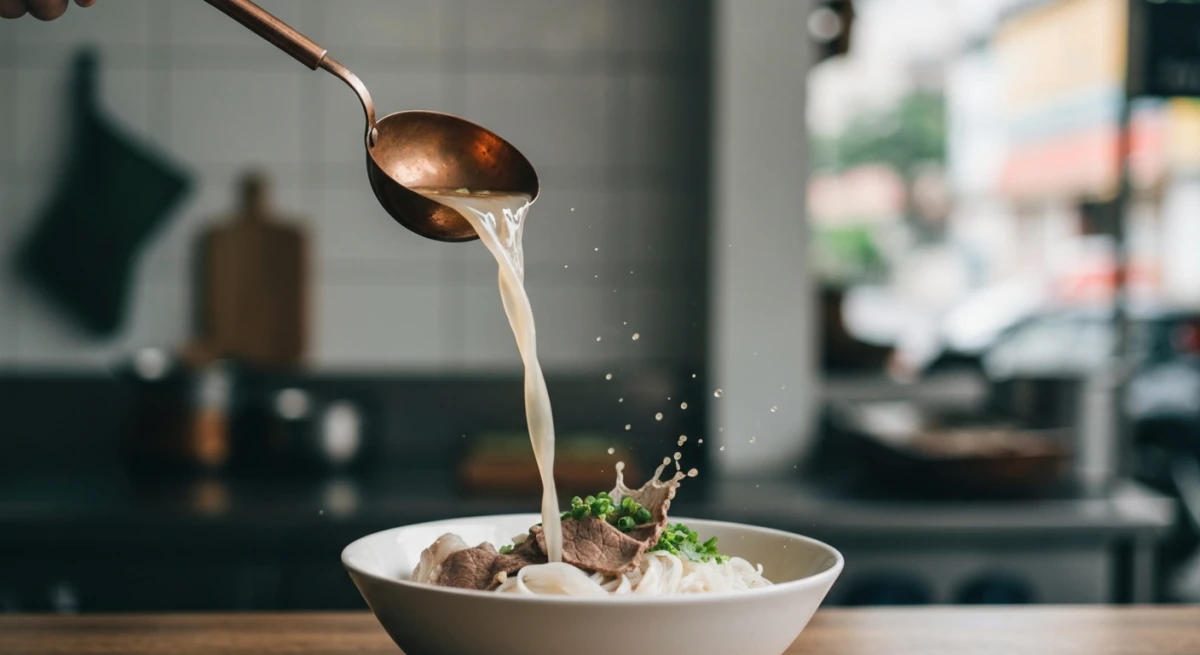
When most travelers think of Vietnamese culinary adventures, their minds instantly drift to the aromatic pho of Hanoi or the sweet, herb-packed banh mi of Ho Chi Minh City. But tucked right in the middle of the country's central coast is a culinary landscape that is bolder, punchier, and vastly different. The coastal jewel of Da Nang serves as an extraordinary melting pot where fresh catches from the East Sea, fertile mountain ingredients, and the imperial legacy of nearby Hue converge. If you want to truly experience danang vietnam food, you must prepare your palate for a rollercoaster of textures, fiery chilies, and complex, deeply savory dipping sauces that define central Vietnam.
This comprehensive guide is designed to take you far beyond the standard tourist trails. Whether you are hunting for the perfect bowl of turmeric-infused noodles, seeking out Michelin-selected local gems, or wondering how to navigate the overwhelming stalls of Con Market, this is your definitive culinary road map to eating like a local in Da Nang.
The Soul of Central Vietnamese Cuisine: Why Da Nang Stands Out
To understand danang vietnam food, you first have to understand the geography and history of Central Vietnam. Unlike the northern regions where flavors lean toward the delicate, subtle, and black-pepper-forward, or the southern plains where coconut milk and palm sugar sweeten almost every dish, Central Vietnamese cuisine is unapologetic. It is bold, intensely savory, frequently spicy, and characterized by a heavy reliance on fermented seafood condiments.
Da Nang's coastal position means that fresh seafood is not just a menu item; it is a fundamental building block of the local flavor profile. However, instead of simply grilling or steaming the catch of the day, Da Nang’s cooks excel at preserving and transforming seafood. This is the birthplace of highly complex fermented fish pastes—most notably mắm nêm (a pungent sauce made from fermented anchovies, pineapple, garlic, and chili) and mắm ruốc (fermented shrimp paste). These ingredients bring an unmatchable depth of umami to local dishes, acting as the secret engine behind many of the city's most beloved recipes.
Furthermore, Da Nang sits at a geographical crossroads. To the north lies Hue, the former imperial capital, which contributed a legacy of intricate, bite-sized delicacies and sophisticated culinary techniques. To the south lies Hoi An, famous for its Chinese and Japanese merchant-influenced dishes. Da Nang takes these diverse regional influences, fuses them with its own coastal abundance, and serves them in relaxed, open-air eateries where locals sit on low plastic stools. Eating here is the ultimate equalizer; travelers, business owners, and scooter drivers sit side-by-side, united by a mutual love for a perfect, steaming bowl of local noodles.
The Non-Negotiable Masterpieces: Must-Try Dishes in Da Nang
If you only have a few days in the city, your culinary itinerary should be built around these four cornerstone dishes. These are not merely meals; they are cultural institutions that represent the very best of danang vietnam food.
1. Mì Quảng (Quang-Style Noodles)
If Da Nang had an official dish, it would undoubtedly be Mì Quảng. Originating from the surrounding Quang Nam province, this dish is a beautiful chaos of textures and flavors. Unlike typical Vietnamese noodle soups like pho, which are swimming in broth, Mì Quảng is served with only a shallow ladle of intensely concentrated, savory broth.
The foundation consists of wide, flat rice noodles, which are sometimes infused with turmeric to give them a vibrant yellow color (though many authentic local spots serve them naturally white). Atop the noodles, cooks layer a variety of proteins—ranging from tender pork belly and shrimp to quail eggs, chicken, and even farm-raised frog (Mì Quảng Ếch). The dish is then garnished with a mountain of fresh herbs, shaved banana flower, roasted peanuts, green scallions, and crucial shards of crispy toasted sesame rice crackers (bánh tráng).
- How to eat it: Do not eat the components separately. Use your chopsticks to crush the crispy rice paper directly into the bowl, toss the fresh herbs in, squeeze a wedge of lime, add a slice of green chili, and mix everything thoroughly. Every bite should yield a crunch of peanuts and rice paper, the chew of the noodle, and the rich punch of the broth.
- Where to try it:
- Mì Quảng Giao Thủy: A beloved local chain that serves an incredibly authentic, rustic version.
- Nu Đồ (Chef Tuyet): For a slightly elevated, Michelin-selected take on this classic, head here. Chef Tuyet (a Vietnam Master Chef finalist) crafts a refined, clean broth with top-tier ingredients without losing the soul of the traditional dish.
2. Bún Chả Cá (Fish Cake Noodle Soup)
Given Da Nang's vibrant fishing industry, it is no surprise that Bún Chả Cá is a breakfast and lunch staple. This is not your average fish soup; the broth is a masterful balance of sweet, sour, and savory notes, slow-simmered with fish bones, pumpkin, cabbage, pineapple, and tomatoes. The addition of these vegetables gives the broth an incredibly deep, naturally sweet profile that counters any fishiness.
The stars of the bowl are the fish cakes (chả cá). They come in two varieties: steamed (chả cá hấp) and fried (chả cá chiên), made from local mackerel, barracuda, or lizardfish kneaded with garlic, pepper, and dill until they achieve a springy, bouncy texture.
- How to eat it: Enhance the broth by adding a spoonful of minced garlic, fresh chili, and a small dab of mắm ruốc (fermented shrimp paste) provided at the table. Balance the richness with a generous handful of split water spinach and fresh mint.
- Where to try it:
- Bún Chả Cá Bà Phiến: Operating for decades, this legendary spot serves a rich, heavily loaded bowl. Try the special version which includes crab paste (riêu cua) or chunks of tuna (cá thu).
- Bún Chả Cá Hờn: Another local favorite famous for its perfectly seasoned, springy fish cakes and incredibly flavorful broth.
3. Bánh Xèo & Nem Lụi (Crispy Crepes & Grilled Pork Skewers)
Bánh Xèo is popular throughout Vietnam, but the Central Vietnamese style found in Da Nang is distinct. While southern bánh xèo is large, thin, and yellowed with turmeric, the Da Nang version is smaller, thicker, and fried to an extreme, shattering crispiness in small cast-iron pans. The batter, made of rice flour and coconut milk, is folded over a filling of pork, shrimp, and bean sprouts.
It is almost always ordered alongside Nem Lụi—seasoned minced pork skewers wrapped around lemongrass stalks and grilled over hot coals until smoky and caramelized.
- How to eat it: This is a hands-on dining experience. Take a sheet of dry rice paper, lay down a leaf of mustard greens and lettuce, add a piece of the crispy bánh xèo, slide a nem lụi off its lemongrass skewer, and add fresh herbs like Vietnamese coriander and mint. Roll it up tightly into a wrap. The magic lies in the dipping sauce: a thick, warm, savory sauce made from pork liver, peanut butter, and soy sauce, rather than the standard sweet fish sauce.
- Where to try it:
- Bánh Xèo Bà Dưỡng: Hidden at the end of a narrow alleyway on Hoang Dieu Street, this is arguably the most famous Bánh Xèo spot in Vietnam. It is constantly packed, loud, smoky, and absolutely spectacular.
- Bánh Xèo Lipton: Located in the same alley as Bà Dưỡng, offering a highly competitive and equally delicious alternative with slightly faster service.
4. Bánh Tráng Thịt Heo (Pork Wraps in Rice Paper)
Simplicity at its absolute finest, Bánh Tráng Thịt Heo is a dish that relies entirely on the quality of its raw ingredients. It features thin, perfectly boiled slices of pork belly (where there is a strip of fat on both ends of the meat) served alongside a massive platter of over a dozen varieties of fresh herbs, wild leaves, green bananas, and cucumber.
- How to eat it: Take a piece of moist, delicate rice paper, lay a sheet of thin steamed rice noodle paper (bánh ướt) on top for texture, pile on the herbs and vegetables, place a slice of pork belly in the center, and roll it up. Dip the roll into mắm nêm—the fermented anchovy dipping sauce. Warning: Mắm nêm is funky, pungent, and intensely salty-sweet. If you are sensitive to strong fish flavors, ask for standard sweet fish sauce (nước mắm ngọt), though purists will encourage you to brave the authentic ferment.
- Where to try it:
- Ẩm Thực Trần: A famous, highly clean establishment that has perfected the art of sourcing hyper-fresh herbs and perfectly sliced pork. Great for beginners who want a comfortable introduction.
- Quán Mậu: A more local, rustic spot where the mắm nêm is famously robust and deeply traditional.
Beyond the Classics: Hidden Gems and Street Food Delicacies
Once you have checked off the big four, it is time to explore the deeper layers of the Da Nang food scene. These are the dishes that locals crave after a long day of work, often found down unassuming residential alleys or in bustling neighborhood markets.
Cháo Vịt (Duck Porridge)
While chicken porridge is common, Da Nang has a deep love affair with duck. Cháo Vịt features a rich, comforting rice porridge boiled in a deeply savory duck bone broth. It is served alongside a plate of poached duck meat, which is incredibly tender and flavorful because local restaurants use free-range duck breeds.
The meal is completed with a vibrant ginger-fish dipping sauce (nước mắm gừng) and a refreshing salad made of shredded cabbage, banana flower, and herbs dressed in a sweet-and-sour vinaigrette.
- Where to try it: Quán Nhân (Cháo Vịt Nhân): Recently awarded a Michelin Selection, this small, family-run street food stall is a local legend. The duck porridge is rich and deeply comforting, and the poached duck is incredibly tender without any gamey taste.
Bánh Ép (Pressed Rice Cake)
Hailing originally from Hue but eagerly adopted by Da Nang’s youth, Bánh Ép is an addictive street snack. Small balls of tapioca flour topped with seasoned minced pork, dried shrimp, and green scallions are pressed between two hot iron plates over a charcoal stove. A quail egg is cracked over it right before a final press, resulting in a thin, chewy, and crispy flat pancake.
- How to eat it: Roll it up with pickled papaya, cucumber, and Vietnamese coriander, and dip it into a sweet, spicy chili-fish sauce.
- Where to try it: Look for small carts outside schools or in quiet alleys in the Hai Chau district during the late afternoon.
Ốc Hút (Sucking Snails)
For the adventurous foodie, Ốc Hút is the ultimate street food experience. Tiny freshwater snails are stir-fried with lemongrass, ginger, garlic, and plenty of red chili.
- How to eat it: You do not use utensils; instead, you pick up a snail and suck the meat directly out of the shell. It is spicy, aromatic, messy, and best enjoyed with a cold local Larue beer.
- Where to try it: The street food section of Con Market is the absolute best place to sample a variety of snail preparations.
A Foodie’s Map: Navigating Da Nang’s Markets and Districts
To fully conquer the food scene, you need to know where to go. Da Nang is geographically split by the Han River, creating distinct food neighborhoods.
Con Market (Chợ Cồn) — The Culinary Heart
If you only visit one market in Da Nang, make it Con Market. While Han Market is great for buying souvenirs and dried fruits, Con Market is where locals go to eat. Located in the bustling Hai Chau district, the market features a legendary indoor food court (Khu ẩm thực) and an outdoor evening street food market that springs to life around 3:00 PM.
Here, you can walk from stall to stall, sampling bite-sized portions of Bánh Bèo (steamed rice cakes in tiny porcelain cups topped with dried shrimp and pork cracklings), Bánh Bột Lọc (chewy tapioca dumplings filled with shrimp and pork belly), and refreshing bowls of Chè (sweet Vietnamese dessert soups made of coconut milk, beans, and jelly).
My An & An Thuong (The Beach Side)
Located on the eastern side of the Han River near My Khe Beach, the An Thuong tourist area and the surrounding My An ward offer a highly international, laid-back vibe. This is the perfect area if you are looking for a mix of local street food and trendy cafes.
Here, you will find excellent specialty coffee shops, organic juice bars, and high-quality international restaurants (serving everything from wood-fired pizza to authentic Mexican tacos), alongside local treasures like Bánh Mì stalls and fresh coconut vendors.
Son Tra Peninsula — Seafood Along the Coast
For a true coastal feast, head north toward the Son Tra Peninsula along Hoang Sa or Vo Nguyen Giap streets. This stretch of road is lined with massive, open-air seafood restaurants (quán hải sản).
At these venues, you don't order from a printed menu. Instead, you walk up to massive rows of oxygenated water tanks filled with live crabs, prawns, clams, oysters, and sea snails. You select your seafood by weight, choose your cooking style (grilled with scallion oil, steamed with lemongrass, or stir-fried in tamarind sauce), and watch the chefs prepare it fresh.
- Top pick: Nhà Hàng Bà Rô: A favorite among locals, tucked away near the fishing port. It is significantly cheaper than the flashy seafood restaurants on the main tourist strip and serves some of the freshest catch in the city.
The Vegan and Dietary Guide to Da Nang
As a city heavily anchored in seafood and fermented fish pastes, traveling to Da Nang as a vegetarian or vegan can feel intimidating. However, Vietnam has a deeply rooted Buddhist tradition of eating vegan food (ăn chay) on the first and fifteenth days of the lunar month. This means high-quality plant-based food is highly accessible if you know what to look for.
How to Order Vegetarian in Da Nang
When looking for local vegetarian food, look for the sign "Quán Chay" (Vegetarian Eatery). Here are some key phrases to help you order:
- "Tôi ăn chay" (I eat vegetarian / vegan).
- "Không nước mắm" (No fish sauce).
- "Không trứng" (No egg).
Many local dishes have excellent vegan equivalents. For example, Mì Quảng Chay replaces meat with braised tofu, mushrooms, and mock meats, utilizing a rich vegetable-and-soy-sauce broth that is incredibly satisfying.
Best Vegan and Plant-Based Restaurants
- Loving Vegan Restaurant: A wonderfully warm, local spot in the My An area serving a massive range of Vietnamese classics—including plant-based Pho, Bun Hue, and Banh Mi—at highly affordable prices.
- Chickpea Eatery: A beautiful, eco-conscious cafe tucked down an alley near the beach. They serve creative, nutrient-dense vegan versions of Vietnamese street food alongside healthy Buddha bowls.
- Roots Plant-Based Cafe: Excellent for those craving Western-style vegan breakfasts, cold-pressed juices, and hearty avocado toasts.
Essential FAQs for Eating in Da Nang
To ensure your culinary adventure is seamless and safe, here are answers to the most common questions travelers ask about danang vietnam food.
Is street food in Da Nang safe to eat? Yes, street food in Da Nang is generally very safe. The high turnover of customers means ingredients are bought fresh daily and cooked on the spot. To be safe, look for stalls that are crowded with locals (a high sign of quality and freshness) and have clean prep surfaces.
Can I drink the tap water or have ice in my drinks? Do not drink tap water in Vietnam. However, the ice (đá) served in Da Nang restaurants and street stalls is safe. It is manufactured in ice factories using purified water and delivered daily in large blocks or tubes with holes in the middle. If the ice is cylindrical with a hole in the center, it is factory-made and safe to consume.
How much does a meal cost in Da Nang? Da Nang is highly affordable. A standard bowl of Mì Quảng or Bún Chả Cá at a local street food spot costs between 30,000 VND and 45,000 VND ($1.20 to $1.85 USD). A hearty plate of crispy Bánh Xèo and a few pork skewers will cost around 60,000 to 100,000 VND ($2.50 to $4.10 USD) per person.
What is the best time of day to go food hunting? For breakfast dishes like Bún Chả Cá and Mì Quảng, head out early between 6:30 AM and 9:00 AM when the broths are freshest. Street food snacks like Bánh Xèo, Bánh Ép, and Ốc Hút are late-afternoon and evening delicacies, typically starting from 3:00 PM onwards.
Conclusion
Eating your way through Da Nang is more than just a culinary journey; it is an exploration of Central Vietnam's vibrant history, coastal bounty, and resilient spirit. From the aromatic crunch of a fresh bowl of Mì Quảng to the sizzling, smoky delight of Bánh Xèo dipped in rich liver sauce, the flavors of this coastal city are bound to leave a lasting impression. Do not be afraid of the tiny plastic stools, the bustling alleys, or the pungent aroma of fermented fish sauce. Embrace the chaos, trust the local crowds, and dive headfirst into one of the most rewarding food destinations in Southeast Asia.