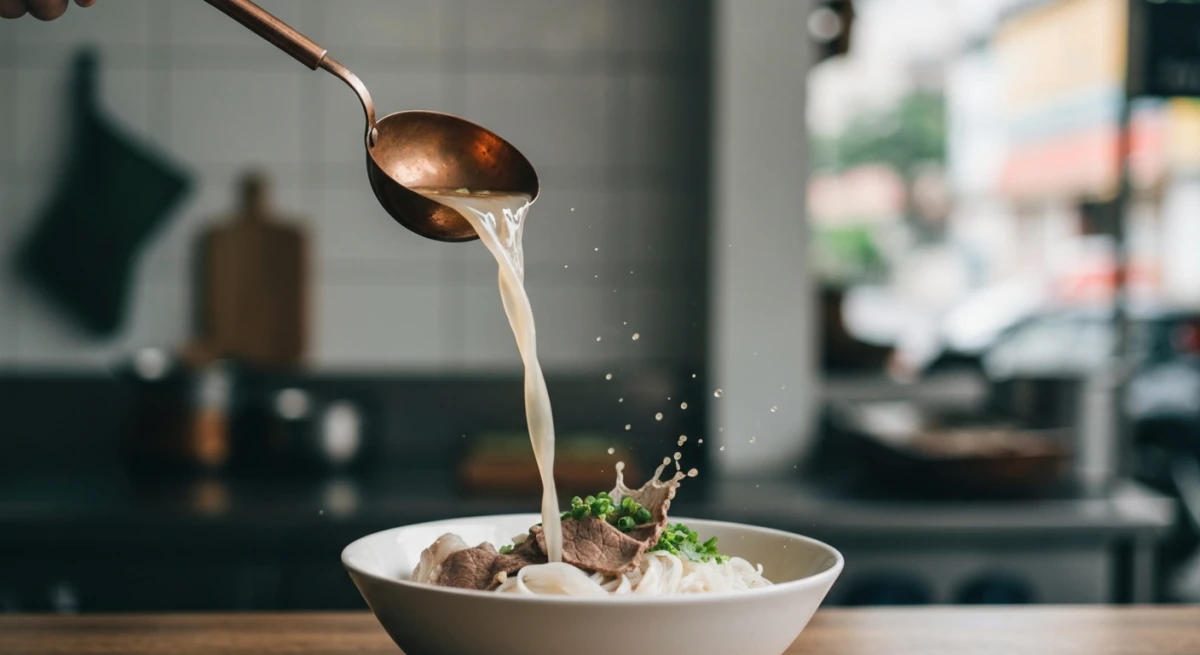
Are you ready to dive into the vibrant culinary landscape of Central Vietnam? A Da Nang street food tour is the absolute best way to experience the soul of this coastal city. From the savory crunch of sizzling crepes to the rich, turmeric-infused broth of local noodles, Da Nang's food scene is a paradise for adventurous eaters. While booking a guided scooter tour is popular, crafting your own self-guided food crawl allows you to eat at your own pace and escape the tourist traps. In this ultimate guide, we will unpack the must-try dishes, show you exactly where the locals eat, outline perfect DIY morning and night itineraries, and share crucial hygiene tips to keep your stomach happy. Put on your walking shoes and pull up a plastic stool—your Da Nang street food adventure starts now.
The Essential Da Nang Food Tour Bucket List
To truly appreciate Da Nang's street food culture, you must understand that Central Vietnamese cuisine is distinct from the sweet profiles of the South (Ho Chi Minh City) and the delicate, subtle flavors of the North (Hanoi). Here, food is bold, herbaceous, texturally complex, and deeply tied to the sea and the surrounding agricultural plains. Here are the absolute must-try dishes that should anchor any Da Nang street food tour.
1. Mì Quảng (Quang-Style Noodles)
If Da Nang has a culinary mascot, it is Mì Quảng. Originating from the surrounding Quang Nam province, this dish is a beautiful mess of wide, flat rice noodles (often tinted yellow with turmeric), bathed in a remarkably concentrated, savory pork and shrimp broth. Unlike Pho, which is swimming in soup, Mì Quảng is served with just a splash of intensely flavored broth at the bottom of the bowl.
It is topped with a protein of choice—ranging from sliced pork belly and shrimp to quail eggs, chicken, or even tender frog meat (Mì Quảng Ếch). The real magic, however, lies in the garnishes. Every bowl is accompanied by a massive plate of fresh herbs (banana blossom, mint, Vietnamese coriander), roasted peanuts, toasted sesame rice crackers (bánh tráng), and green chilies.
How to eat it: Break up the crispy rice cracker directly into the bowl, add a generous handful of herbs, squeeze a lime wedge, and toss everything together. The mixture of soft noodles, crunchy crackers, fresh herbs, and rich broth creates an incredible symphony of textures in your mouth. Where to try it: Mì Quảng Bà Diệu (a MICHELIN-Selected local spot) or Mì Quảng Ếch Bếp Trang for a modern twist.
2. Bánh Xèo and Nem Lụi (Sizzling Pancakes & Lemongrass Pork Skewers)
These two dishes are almost always sold together, and for good reason: they are the ultimate interactive dining experience. Bánh Xèo are crispy, sizzling crepes made from rice flour, turmeric powder, and coconut milk, stuffed with pork, shrimp, onions, and bean sprouts. Nem Lụi are savory pork skewers seasoned with garlic and shallots, wrapped around lemongrass stalks, and grilled over hot coals.
What sets Da Nang's Bánh Xèo apart is the dipping sauce. While Southern Vietnam uses a sweet-and-sour fish sauce (nước chấm), Da Nang vendors serve a warm, thick, incredibly rich peanut and pork liver sauce (tương đậu phộng).
How to eat it: Take a sheet of thin, translucent rice paper. Place a piece of leafy lettuce on top, followed by fresh herbs (like mint, cucumber slices, and green mango). Tear off a piece of the crispy Bánh Xèo and lay it in. If you are adding Nem Lụi, place the skewer inside, wrap the rice paper tightly around it, and slide the wooden or lemongrass stick out. Dip the entire roll generously into the peanut sauce. Where to try it: Bánh Xèo Bà Dưỡng. Hidden deep down a narrow alley, this legendary institution is packed with hundreds of locals every single night.
3. Bún Chả Cá (Fish Cake Noodle Soup)
As a coastal city, Da Nang does seafood exceptionally well, and Bún Chả Cá is the pinnacle of this. This vibrant noodle soup features bouncy, flavorful fish cakes (made from local mackerel, barracuda, or lizardfish) served in a light, slightly sweet, and naturally sour broth. The broth gets its distinct coastal profile from simmering fish bones with pineapple, tomato, pumpkin, and cabbage.
How to eat it: Enhance your bowl by adding a spoonful of fine shrimp paste (mắm ruốc), a squeeze of lime, and pickled onions or chilies provided at the table. Stir in fresh split water spinach and banana flower herbs. Where to try it: Bún Chả Cá Nguyễn Chí Thanh or Bún Chả Cá Ông Tạ.
4. Bánh Bèo, Bánh Nậm, and Bánh Lọc (Steamed Rice Delicacies)
These royal-inspired steamed delicacies originated in Hue but have become beloved street food staples in Da Nang.
- Bánh Bèo: Tiny, shallow ceramic cups containing steamed savory rice cakes topped with minced shrimp, scallion oil, crispy fried shallots, and pork cracklings. You scrape them out with a small bamboo spatula.
- Bánh Nậm: Flat rice flour cakes wrapped in banana leaves, filled with seasoned minced pork and shrimp, and steamed. They are incredibly soft and melt in your mouth.
- Bánh Lọc: Chewy, translucent tapioca dumplings stuffed with a whole small shrimp and caramelized pork belly.
How to eat them: Drizzle a spoonful of sweet, spicy fish sauce over each dish before consuming. Where to try it: Quán Tâm (on Nguyen Chi Thanh street) or within the food court of Chợ Cồn (Con Market).
The Best Streets and Markets for a Self-Guided Food Crawl
If you want to experience authentic local life, skip the generic westernized restaurants near My Khe Beach and head to the residential neighborhoods where the food stalls spill out onto the sidewalks. Here are the ultimate food hubs in Da Nang:
1. Châu Thị Vĩnh Tế Street
Located in the Ngu Hanh Son district (close to the university area), Chau Thi Vinh Te Street is one of the city's best-kept foodie secrets. Because it caters heavily to local students, the food here is fast, delicious, highly innovative, and incredibly affordable.
As you walk down this lively stretch, you will smell grills smoking in back alleys and see plastic tables lining the asphalt. It is the perfect street to try 'Bột Chiên' (crispy fried rice flour cakes with egg), 'Nem Nướng' (grilled pork rolls), and refreshing 'Trà Bí Đao' (winter melon tea). You don't need a set plan here; simply follow your nose and stop where you see a crowd.
2. Con Market (Chợ Cồn)
Con Market is the culinary beating heart of Da Nang. While Han Market is geared heavily toward tourists buying souvenirs and coffee, Con Market is where the locals go to shop and eat. The market features an indoor food court (Chợ Cồn Food Court) and an outdoor street food alley that comes alive in the afternoon.
Inside, stalls are packed tightly next to each other, offering everything from savory snail dishes ('Ốc') cooked in lemongrass and chili to 'Kem Bơ' (creamy avocado ice cream topped with toasted coconut). It is loud, chaotic, hot, and utterly brilliant.
3. Nguyen Cong Tru Street
If you are craving late-night comfort food, Nguyen Cong Tru Street is the place to be. This area is famous for 'Bún Thịt Nướng' (grilled pork over cold vermicelli noodles, drenched in peanut sauce). The atmosphere is pure, unadulterated street food: sitting on tiny red plastic chairs, listening to the roar of motorbikes, and devouring a bowl of sweet-smelling charred pork.
4. Son Tra vs. Helio Night Market
Da Nang features two major night markets that offer completely different vibes:
- Sơn Trà Night Market: Located near the famous Dragon Bridge, this market is bustling, chaotic, and highly geared toward tourists. It is famous for its grilled seafood stalls where you can point to live lobsters, crabs, and oysters and have them grilled on the spot. While fun for the atmosphere, prices are higher, and you must negotiate.
- Helio Night Market: Located further inland, Helio is a modern, highly organized, and hygienic food block. It features clean stalls, clear pricing, live music, and a massive selection of international and local street foods. If you are a first-time visitor or traveling with family, Helio is an incredibly comfortable and safe place to start your food journey.
Crafting Your Perfect DIY Da Nang Street Food Tour
To help you navigate the city like an absolute pro, we have designed two distinct, highly executable DIY itineraries. One is optimized for a walking morning crawl, and the other is a high-energy evening scooter tour.
The Morning Walking Itinerary (8:00 AM – 11:30 AM)
This route takes you through the quiet morning streets of the city center, allowing you to catch vendors when their ingredients are freshest.
- Stop 1 (8:00 AM) - Breakfast Mì Quảng: Start your morning at Mì Quảng Bà Diệu (200/1 Hoang Dieu). Order a classic bowl of yellow noodles topped with pork and shrimp. Wash it down with a glass of iced soy milk.
- Stop 2 (9:15 AM) - Market Exploration: Walk 15 minutes to Chợ Cồn (Con Market). Wander through the dry goods section before making your way to the food court. Find a stall selling Bánh Bèo (steamed rice cups) and enjoy a light snack of 3-4 cups.
- Stop 3 (10:30 AM) - Mid-Morning Coffee: Head to a local café to experience Da Nang's iconic Salted Coffee (Cà Phê Muối) or Coconut Coffee (Cà Phê Cốt Dừa). The salty cream contrasts beautifully with the strong, dark Vietnamese Robusta beans, creating a caramel-like flavor profile.
The Evening Scooter Crawl (6:00 PM – 9:30 PM)
This route requires renting a scooter (or utilizing Grab bike rides) to traverse the city as the neon lights turn on and the Dragon Bridge prepares to breathe fire.
- Stop 1 (6:00 PM) - The Sizzling Main Event: Drive to the narrow alleyway of Bánh Xèo Bà Dưỡng (K280/23 Hoang Dieu). Order a plate of Bánh Xèo and a few skewers of Nem Lụi. Remember the rolling technique: rice paper, lettuce, herbs, crepe, pork, and a massive dip in the liver-peanut sauce.
- Stop 2 (7:30 PM) - Seafood & Local Vibes: Ride over to Châu Thị Vĩnh Tế Street on the eastern side of the Han River. Grab a table at a street-side joint and order Ốc Hút (sucked snails cooked with lemongrass and chili) or Bột Chiên (fried rice cake).
- Stop 3 (8:45 PM) - Dessert by the River: Conclude your tour with a bowl of Chè Sầu Liên (Durian Sweet Soup) at Chè Liên (189 Hoang Dieu). This legendary dessert combines durian, jackfruit, jelly, and rich coconut milk. If durian is too bold for you, ask for the Chè Thái (fruit cocktail) or Chè Chuối (banana sweet soup).
- Stop 4 (9:00 PM - Saturday/Sunday Only): Position yourself near the Dragon Bridge to watch it spit fire and water, holding a fresh coconut or a cup of sugarcane juice bought from a riverside vendor.
Vegan and Vegetarian Options on the Da Nang Streets
If you are vegan or vegetarian, you might look at Vietnam's fish-sauce-heavy, pork-centric street food scene with trepidation. However, Da Nang is actually an incredibly vegetarian-friendly city, thanks in large part to its deep Buddhist heritage.
Look for 'Quán Chay'
The magic word for vegetarians in Vietnam is Chay (pronounced like 'try' but with a 'ch'). Whenever you see a sign that says Quán Chay or Cơm Chay, you have found a 100% vegetarian establishment. Many of these are humble street-side stalls that look exactly like standard local joints, complete with low plastic stools, but serve completely meat-free versions of iconic dishes.
The Lunar Calendar Pop-Ups
A fascinating aspect of local culture is that many Buddhist locals eat strictly vegetarian on the 1st and 15th days of every lunar month. On these days, temporary street food stalls pop up all over Da Nang, serving incredible vegetarian versions of Mì Quảng, Bún Trộn (mixed noodle salad), and Bánh Mì. Keep an eye out for these temporary stalls if your travel dates align with the lunar calendar.
Outstanding Veg-Friendly Spots
For a more consistent and exceptionally high-quality plant-based street food experience, visit these locations:
- Mom's Kitchen by Chickpea Eatery: A beautiful, cozy, fully vegan restaurant located near the beach. They specialize in transforming traditional Central Vietnamese dishes into clean, organic, plant-based masterpieces. Their vegan Cao Lầu (a regional noodle dish) and banana leaf-wrapped dumplings are spectacular.
- Bếp Chay Hữu Duyên: A highly authentic, budget-friendly local vegetarian spot serving mountain-high plates of Cơm Chay (rice with various mock meats and braised tofu) and delicious noodle soups.
Street Food Safety and Hygiene: Eat Like a Local, Skip the Stomach Ache
One of the biggest concerns travelers have when planning a Da Nang street food tour is food poisoning. Getting sick can ruin an entire trip, but with some basic street-smart safety rules, you can protect your digestive system while still enjoying authentic local eats. Here is how to eat safely:
1. The 'Hollow Ice' Rule
Many travelers assume they must avoid all iced drinks in Vietnam. Fortunately, this is largely an outdated myth. Most established street vendors in Da Nang buy their ice from commercial ice factories rather than chipping it off large, dirty blocks.
The indicator: Look at the ice in your glass. If the ice cubes are uniform, cylindrical, and have a hollow hole running through the center, they are factory-made and completely safe to consume. Avoid ice that looks like irregular, dirty shards chipped manually from a block.
2. High Turnover is King
The safest street food stall is the busiest one. A high turnover rate means that ingredients are not sitting out in the tropical heat; they are being chopped, cooked, and served in real-time. Look for stalls crowded with local families and students. If a place is completely empty, move on, even if it has a nice storefront.
3. Observe the Water Setup
Take a quick look at how the vendor washes their dishes. Do they have running tap water, or are they dipping bowls into plastic buckets of stagnant, increasingly murky water? If it's the latter, choose a stall that uses disposable paper bowls or has a proper, continuous-flow washing setup.
4. Separate Hands for Cash and Food
Watch the vendor's hands. In the best street food stalls, one person handles the food (often wearing gloves) while another person handles the physical cash transactions. If the same pair of bare hands is handling raw meat, picking up dirty banknotes, and then garnishing your bowl with fresh herbs, it's a major red flag.
5. Approach Raw Herbs and Sprouts with Caution
While the mountain of fresh herbs served with dishes like Mì Quảng is delicious, raw vegetables are a common source of bacteria if they haven't been washed in clean, purified water. If you have a sensitive stomach, skip the raw bean sprouts and dunk your leafy herbs directly into steaming hot broth for a few seconds to pasteurize them before eating.
Frequently Asked Questions
Is street food in Da Nang safe to eat?
Yes, street food in Da Nang is remarkably safe, provided you follow basic hygiene practices. Stick to high-turnover stalls packed with locals, ensure your food is served steaming hot, and look for cylindrical, factory-made hollow ice cubes in your drinks.
How much does a street food tour in Da Nang cost?
If you book a guided, small-group scooter tour with an English-speaking guide, expect to pay between $30 and $55 USD per person, which typically includes all food, drinks, and transportation. If you opt for a DIY tour, you can eat like royalty for less than $10 to $15 USD total.
Should I book a guided tour or do it myself?
Booking a guided tour is highly recommended for solo travelers, first-time visitors to Vietnam, or those who are nervous about navigating chaotic traffic. Local guides offer deep cultural context and take you to tucked-away alleys you would never find on your own. However, if you are an independent traveler on a budget, a self-guided DIY crawl using Grab rides is incredibly fun, flexible, and rewarding.
What is the single most famous dish in Da Nang?
Mì Quảng (Quang-style noodles) is the undisputed culinary signature of Da Nang and the surrounding region. It is a must-try for anyone visiting Central Vietnam.
Are there vegetarian street food options in Da Nang?
Absolutely. Look for signs that say 'Quán Chay' (vegetarian restaurant) or 'Cơm Chay' (vegetarian rice). These spots offer incredibly delicious, fully plant-based versions of classic Vietnamese street dishes at a fraction of the price of Western restaurants.
Conclusion
A Da Nang street food tour is far more than just a culinary checklist—it is an immersive gateway into the vibrant culture, rich history, and warm hospitality of Central Vietnam. Whether you choose to weave through the neon-lit alleyways on the back of a local guide's scooter, or set off on your own foot-powered DIY crawl through the bustling corridors of Con Market, eating like a local will undoubtedly be the highlight of your trip. By knowing what to order, understanding basic dining etiquette, and prioritizing high-turnover stalls, you can fearlessly dive headfirst into this legendary food scene. So pull up a tiny plastic stool, raise a glass of local beer, and prepare your palate for an unforgettable journey. Da Nang is waiting to be tasted.