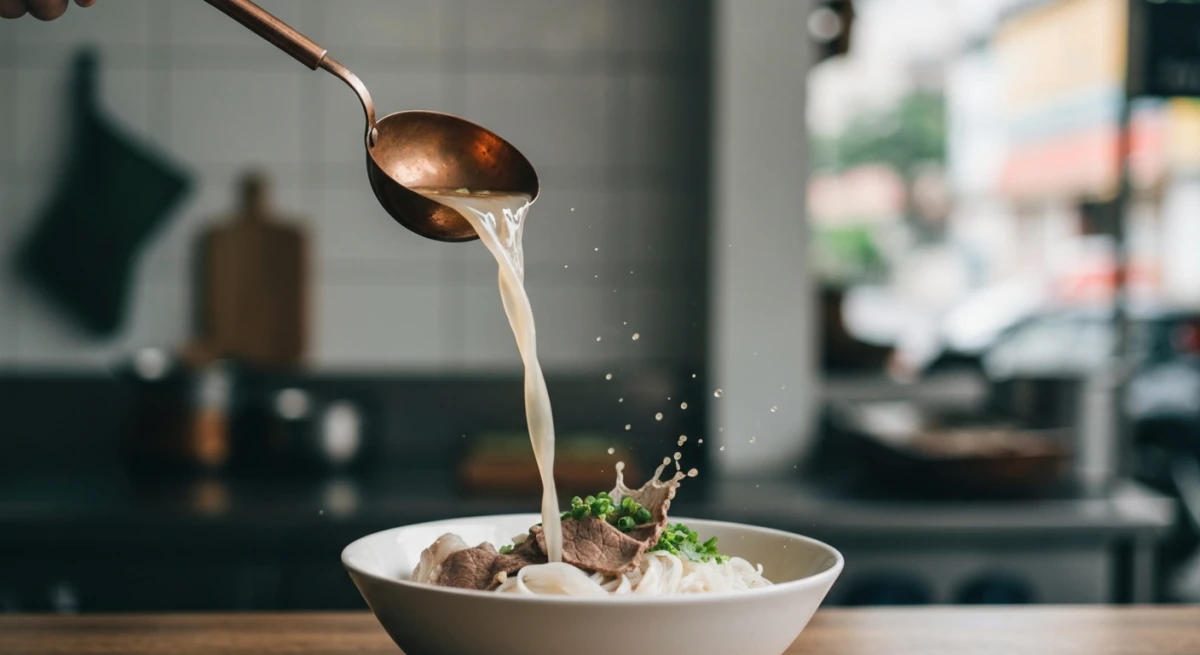
Da Nang is a food lover's paradise. Positioned at the geographical heart of Vietnam, this vibrant coastal city sits at the culinary crossroads where the imperial traditions of Hue, the rustic flavors of Quang Nam, and the bounty of the East Sea collide. If you are planning a trip to this coastal gem, you are likely asking yourself: when visiting danang where to eat to experience the absolute best of its culinary scene? Whether you are looking for a humble plastic-stool noodle stall costing less than two dollars or a world-class fine-dining experience overlooking the ocean, this definitive guide has you covered.
In this guide, we will dive deep into Da Nang's legendary local delicacies, highlight the freshest beachfront seafood joints, explore the city's newly minted Michelin-starred standouts, and provide you with actionable local tips so you can eat like a seasoned local.
1. Signature Central Vietnamese Dishes and Where to Find Them
Central Vietnamese cuisine is famous for its bold, rustic, and highly textured flavor profiles. Unlike the sweet dishes of the South or the subtle, balanced dishes of the North, Central Vietnamese food is spicy, savory, and loaded with fresh herbs. Here are the five must-try dishes and the best places to experience them.
Mì Quảng (Quang Style Turmeric Noodles)
Unlike traditional Vietnamese soups like Pho, which feature a deep bowl of piping hot broth, Mì Quảng is a distinctively dry noodle dish. It features flat, wide rice noodles infused with turmeric, giving them a vibrant yellow hue. These noodles are bathed in just a splash of intensely savory, concentrated pork, chicken, or beef broth. The protein additions vary, but the classic "Mixed" option includes perfectly braised pork belly, fresh shrimp, quail eggs, and occasionally chicken.
What truly elevates Mì Quảng is the textural symphony of its toppings. It is served with a generous plate of fresh herbs (including mint, Vietnamese coriander, and split banana flowers), roasted peanuts, scallions, a squeeze of fresh lime, and crunchy toasted sesame rice crackers (bánh tráng). To eat it like a local, you must crush the rice crackers directly into the bowl, mix the herbs and noodles thoroughly, and ensure every bite has a bit of crunch, chew, and herbaceous freshness.
Where to Eat It:
- Mỳ Quảng Cô Sáu (Michelin Selected): Located at 247-249 Nguyễn Công Trứ, this spot is a masterclass in local tradition and was recently honored in the Michelin Guide. The "Mixed Bowl" (Mỳ Quảng Thập Cẩm) here is phenomenal. The broth is deeply aromatic, and the pork is incredibly tender.
- Mì Quảng 1A: Located at 1A Hải Phòng, this is one of the oldest and most legendary Mì Quảng establishments in the city, famous for its rustic, unfussy preparation and lightning-fast service.
Bánh Xèo & Nem Lụi (Sizzling Crepes & Lemongrass Pork Skewers)
No food tour of Da Nang is complete without diving hands-first into Bánh Xèo. These are crispy, savory crepes made from rice flour, water, and turmeric, filled with pork belly, shrimp, and bean sprouts. They are cooked in sizzling hot cast-iron pans until the edges are golden and incredibly crispy. Nem Lụi, its perfect culinary companion, consists of seasoned minced pork wrapped around lemongrass stalks and grilled over charcoal until smoky and caramelized.
The magic of this meal lies in the assembly. You take a sheet of dry rice paper, lay down a piece of the crispy crepe, add a lemongrass pork skewer (sliding the lemongrass stalk out), pile on fresh herbs, cucumber slices, and green banana, and roll it tightly. Finally, you dip the roll into a specialized thick, warm dipping sauce made from ground pork liver, peanuts, and toasted sesame seeds—a rich, savory alternative to the standard sweet-and-sour fish sauce.
Where to Eat It:
- Bánh Xèo 76 (Bib Gourmand): Tucked away at 85A Lê Văn Hữu in the Ngũ Hành Sơn district, this cozy spot was awarded a prestigious Michelin Bib Gourmand. The charcoal grill at the entrance fills the air with an intoxicating smoky aroma. Their crepes are impossibly crispy, and their corn rolls are a delightful vegetarian-friendly side.
- Bánh Xèo Bà Dưỡng: Located deep inside an alleyway at K280/23 Hoàng Diệu, this is arguably the most famous Bánh Xèo spot in Vietnam. It is constantly packed, high-octane, and absolutely delicious, though you should expect a crowd.
Bánh Tráng Cuốn Thịt Heo (Pork Belly Rolls with Rice Paper)
For a clean, incredibly fresh meal that highlights high-quality ingredients, local diners turn to Bánh Tráng Cuốn Thịt Heo. The dish is deceivingly simple: boiled or roasted pork belly sliced wafer-thin, served alongside a massive plate of up to a dozen different types of fresh herbs, lettuce, cucumber, green banana, and sour pineapple.
To eat it, you overlay a thin sheet of wet rice paper onto a dry sheet, layer your greens, add a slice of pork (which often features strips of fat and rind on both ends, known as "two-ended fat"), roll it up, and dip it into mắm nêm—a pungent, fermented anchovy sauce spiked with pineapple, chili, garlic, and lime. The flavor is bold, funky, and intensely satisfying.
Where to Eat It:
- Quê Xưa (Bib Gourmand): Located at 165-167 Núi Thành, this beautiful restaurant was added to the Michelin Bib Gourmand list. Boasting warm lighting, straw chandeliers, and local paintings, it serves some of the cleanest, highest-quality pork rolls in the city alongside excellent Mì Quảng.
Bún Chả Cá (Fish Cake Noodle Soup)
While Hanoi is famous for Bún Chả (grilled pork with noodles), Da Nang is legendary for Bún Chả Cá. This comforting noodle soup features springy, chew-to-perfection fish cakes made from local mackerel, barracuda, or lizardfish, seasoned with garlic, pepper, and dill. The broth is a masterclass in balance: simmered fish bones cooked down with pumpkin, cabbage, pineapple, and tomatoes, yielding a naturally sweet, deeply savory flavor profile. It is served with thick rice vermicelli and topped with pickled red onions and chilies.
Where to Eat It:
- Bún Chả Cá 109: Located at 109 Nguyễn Chí Thanh, this long-standing family restaurant has been serving steaming bowls of fish cake soup for decades and is highly celebrated by local families.
- Bún Chả Cá Hờn: Tucked away at 139/5 Hùng Vương, this local favorite serves a rich, slightly spicy broth that is perfect for a satisfying breakfast.
Bún Bò Huế (Spicy Beef Noodle Soup)
Though originally from the neighboring imperial city of Hue, Bún Bò Huế has been perfected in Da Nang. This robust soup features thick, cylindrical rice noodles in a rich, spicy broth heavily perfumed with lemongrass and fermented shrimp paste (mắm ruốc). It is packed with tender beef shanks, crab balls, and sometimes cubes of congealed pig's blood, served with a mountain of shredded banana blossoms and lime.
Where to Eat It:
- Bún Bò Huế Bà Thương (Bib Gourmand): Found at 23 Trần Quốc Toản, this legendary stall has been satisfying local cravings for over 50 years. Their broth is incredibly complex, balancing the fiery heat of chili oil with the soothing fragrance of lemongrass. It earned a well-deserved Bib Gourmand.
2. Fresh Ocean to Table: Da Nang's Beachfront Seafood Spots
No discussion about danang where to eat is complete without highlighting its legendary seafood scene. Da Nang’s coastline stretches for miles along the East Sea, meaning that the seafood you eat in the evening was likely swimming in the ocean that morning.
The dining experience at Da Nang’s beachfront seafood restaurants is wonderfully tactile and interactive. Rather than ordering from a standard paper menu, you walk up to rows of bubbling blue plastic tanks filled with live sea creatures. Here, you point out exactly what you want—whether it’s blue crabs, massive tiger prawns, clams, sea urchins, or exotic sweet snails—and the staff will net them, weigh them on a scale in front of you, and quote you a price per kilogram.
Once you agree on the weight, you choose your preparation style. The most popular local styles include:
- Nướng Mỡ Hành: Grilled over charcoal with scallion oil and crushed peanuts (perfect for oysters, clams, and scallops).
- Xào Tỏi: Stir-fried with copious amounts of fragrant garlic.
- Hấp Sả: Steamed with lemongrass and chili (best for preserving the delicate sweetness of fresh clams and fish).
- Rang Muối / Sốt Bơ Tỏi: Tossed in savory salted duck egg yolk or a decadent garlic butter sauce (perfect for mud crabs and prawns, perfect for dipping crusty banh mi).
Top Seafood Restaurants in the City
- Bé Mặn: Located at Lô 11 Võ Nguyên Giáp, this is the undisputed king of Da Nang’s seafood institutions. It is a massive, high-ceilinged, open-air warehouse directly across from the beach. It is loud, chaotic, and incredibly fun. Don't expect five-star service; instead, expect ice-cold beers, incredibly fresh raw ingredients, and a buzzing atmosphere of hundreds of locals enjoying the ocean breeze.
- Bé Ni 2: Found along the same beachfront strip, Bé Ni 2 is open late and offers a slightly more tourist-friendly atmosphere while maintaining exceptional freshness. Their steamed clams with lemongrass and ginger are legendary.
- Quán Nhân (Michelin Selected): If you want to escape the beachfront tourist crowds, head inland to Quán Nhân. Highly praised by the Michelin Guide, this spot offers exceptional local grilled seafood and barbecue at highly competitive local prices, with a fantastic, cozy neighborhood vibe.
3. From Street Food Markets to Modern Masterpieces
Da Nang’s dining scene is delightfully diverse. On one end of the spectrum, you can graze your way through bustling street food markets for pennies; on the other end, you can indulge in some of the most sophisticated, internationally acclaimed fine dining in Southeast Asia.
The Street Food Markets: A Snack Lover’s Paradise
If you want to sample multiple dishes in a single evening, Da Nang's markets are a must-visit.
- Con Market (Chợ Cồn): Located in the heart of the commercial district at the intersection of Hùng Vương and Ông Ích Khiêm, Con Market is a daytime culinary wonderland. Head to the indoor food court (Khu Ẩm Thực) between 3:00 PM and 6:00 PM. Here, you will find rows of vendors serving incredibly cheap portions of sweet dessert soups (chè), savory tapioca dumplings (bánh bột lọc), steamed rice cakes in small porcelain bowls (bánh bèo), and spicy beef salad. It is crowded, hot, and an absolute sensory delight.
- Son Tra Night Market: Situated near the eastern head of the famous Dragon Bridge, this market comes alive every evening. It is the perfect spot to grab grilled skewers, cheese-baked lobsters, and coconut ice cream before watching the Dragon Bridge breathe fire and water on weekend nights (Saturdays and Sundays at 9:00 PM).
- Helio Night Market: Located near the Sun Wheel, Helio is a clean, modern, and highly organized night market. It features a massive selection of food stalls ranging from international snacks to local seafood, complete with outdoor seating, draft beer, and live acoustic music.
The Fine Dining Revolution: Michelin Stars & Culinary Innovation
The global culinary spotlight turned sharply toward Da Nang with the launch of the Michelin Guide in Vietnam. The city now boasts world-class establishments that push the boundaries of Vietnamese and international cuisine.
- La Maison 1888 (One Michelin Star): Perched on the forested hills of the ultra-luxury InterContinental Danang Sun Peninsula Resort, La Maison 1888 is the crown jewel of Da Nang's dining scene. Helmed by legendary three-star Michelin consultant chef Pierre Gagnaire, the restaurant is housed in a stunning, meticulously designed French colonial mansion. The menu is an exquisite fusion of classic French culinary techniques and premium local Vietnamese ingredients, paired with one of the country's most extensive wine cellars. It is the ultimate spot for a romantic anniversary or a bucket-list dining experience.
- Nén Danang (Vietnam’s First Michelin Green Star): Founded by food writer and chef Summer Le, Nén Danang is a pioneer in sustainable, eco-friendly dining. Awarded the country's first-ever Michelin Green Star, Nén operates on a zero-waste philosophy, growing many of its own herbs, flowers, and vegetables in an on-site garden. Their multi-course tasting menus are a journey of storytelling, reimagining traditional Vietnamese flavors and forgotten local ingredients through highly modern, avant-garde presentations.
- Le Comptoir Danang (Michelin Selected): For a more relaxed but equally exceptional fine-dining experience, Le Comptoir is a gorgeous French bistro located in the beachside district. Run by a passionate French expat team, it serves flawlessly executed European classics like beef tartare, duck confit, and artisanal cheese boards, all within a chic, cozy, and highly welcoming dining room.
4. Crucial Tips for Navigating the Da Nang Food Scene
To ensure you have the best possible culinary journey in Da Nang, here are some essential, real-world insider tips that will help you navigate the local food culture with ease.
Understand the Geography: River vs. Beach
Da Nang is split down the middle by the majestic Han River, dividing the city into two distinct dining zones:
- The River Side (Hải Châu District): This is the historical, administrative, and local heart of Da Nang. If you want authentic street food, traditional family-run noodle shops, bustling local markets, and affordable local pricing, focus your dining efforts here.
- The Beach Side (Sơn Trà & Ngũ Hành Sơn Districts): This is the modern, tourist-centric side of the city. Here you will find the massive beachfront seafood restaurants, trendy western-style cafes, craft breweries, and international dining options (ranging from Italian wood-fired pizza to authentic Korean barbecue in the An Thuong expat enclave).
Local Stalls: The Unwritten Rules
- The Wet Wipe Charge: When you sit down at a local restaurant, you will often find packaged wet wipes (khăn lạnh) on the table. Be aware that these are not free; they usually cost between 2,000 and 5,000 VND ($0.10 - $0.20 USD) per wipe used. If you don't use them, make sure they are not added to your final bill.
- Trash on the Floor: In many highly authentic, high-traffic street food stalls, it is customary to throw used napkins, lime wedges, and peanut shells directly onto the floor beneath your table. While this may feel counterintuitive to Western travelers, it is simply how these fast-paced stalls operate—the staff sweeps the entire floor clean during lulls or at closing time.
- Midday Closure: Many of the best local family-owned shops operate on a strict schedule. Breakfast-focused joints (like Bún Chả Cá or Bún Bò) open as early as 6:00 AM and often completely sell out and close by 10:00 AM. Traditional lunch spots will often close between 1:30 PM and 4:30 PM so the owners can rest during the hottest hours of the day. Plan your dining schedule accordingly!
Food Safety & Hygiene
Da Nang is generally very safe for travelers when it comes to food hygiene. However, a few basic precautions will keep your stomach happy:
- Ice is Safe: Most ice used in Da Nang's restaurants and cafes is produced in commercial ice factories (identifiable by their uniform cylindrical shape with a hole in the middle) and is perfectly safe to consume.
- Look for High Turnover: Eat at places that are crowded with locals. High customer volume guarantees that the ingredients are fresh and haven't been sitting out in the tropical heat.
- Drink Bottled Water: Do not drink tap water. Stick to bottled or filtered water, which is readily available at every convenience store and restaurant.
5. Frequently Asked Questions (FAQ)
Is Da Nang tap water safe to drink?
No, tap water in Da Nang is not safe for drinking. You should always drink bottled or filtered water. However, brushing your teeth with tap water is generally fine, and ice served in reputable cafes and restaurants is safe, as it is commercially manufactured.
What is the best vegetarian and vegan food in Da Nang?
For an incredible vegetarian dining experience, head to Shamballa (recently awarded a Michelin Bib Gourmand). Located in a beautifully restored wooden building decorated with Tibetan artifacts, Shamballa serves elevated, plant-based Vietnamese dishes using local organic ingredients. Another fantastic, budget-friendly option is Quán Chay Liên Hoa, which offers an extensive menu of affordable, delicious Buddhist vegetarian dishes.
How much does a meal cost in Da Nang?
Da Nang is incredibly affordable. A bowl of local noodles (like Mì Quảng) at a street stall will cost between 30,000 and 50,000 VND ($1.25 - $2.10 USD). A lavish beachfront seafood feast with fresh crabs, prawns, and beer will run about 300,000 to 600,000 VND ($12 - $25 USD) per person. Fine dining at a Michelin-selected restaurant like Le Comptoir will cost around 500,000 to 1,500,000 VND ($20 - $60 USD) per person, while a luxury tasting menu at La Maison 1888 starts around 4,000,000+ VND ($160+ USD).
What is the food district or best food street in Da Nang?
For local street food, Huỳnh Thúc Kháng Street is known as the "food street" of Da Nang, packed with breakfast spots and local vendors. For a vibrant mix of international restaurants, trendy cafes, and craft beer bars, the An Thuong Area (often called the expat quarter) near My Khe Beach is the place to be.
Is tipping expected in Da Nang restaurants?
Tipping is not traditional or expected in Vietnam. At casual local street food stalls, tipping is not practiced, and you will receive your exact change. However, at high-end restaurants, western-style cafes, or hotel dining rooms, a tip of 5% to 10% is highly appreciated for exceptional service, and some upscale establishments may include a 5% service charge directly on the bill.
Conclusion
From the complex, savory crunch of a freshly mixed bowl of Mì Quảng to the interactive fun of picking your own dinner from a bubbling seafood tank, Da Nang is a city that demands to be tasted. Its culinary identity is a beautiful reflection of its geography: bold, fresh, coastal, and deeply tied to tradition. By exploring the vibrant local street stalls, beachfront seafood joints, and innovative Michelin-starred masterpieces outlined in this guide, you will experience the absolute best of what this dynamic Vietnamese city has to offer. So pull up a tiny plastic stool, grab your chopsticks, and prepare for an unforgettable culinary adventure!