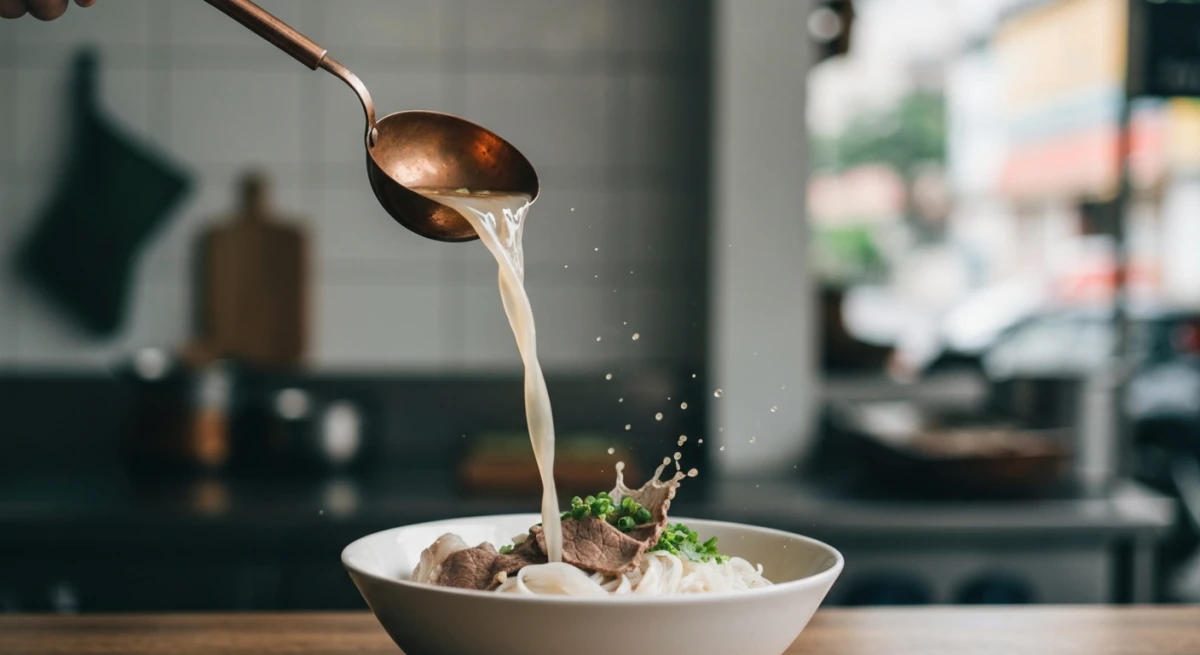
Hanoi is a city of sensory magic. From the moment you step onto its chaotic streets, you are greeted by a symphony of sights, sounds, and most importantly, aromas. The sharp scent of charred pork mingling with glowing charcoal, the fragrant steam rising from massive cauldrons of twelve-hour bone broth, and the visual feast of fresh green herbs piled high on tiny plastic tables. If you are a traveler looking to discover the culinary soul of Vietnam, seeking out the best good food hanoi has to offer is an adventure unlike any other. Hanoi’s culinary scene is not found in sterile five-star hotel dining rooms; it lives in the narrow alleys, on the cracked sidewalks, and in the family-run kitchens that have been perfecting single dishes for generations.
To eat like a local in this historic capital is to embrace the art of the street. It is about understanding that some of the most profound flavors are served in bowls costing less than three dollars, eaten while balanced on a tiny blue plastic stool. This ultimate food guide is designed to help you navigate this culinary playground, highlighting the iconic dishes, the hidden-gem locations that tourists often miss, and the essential dining etiquette to ensure you eat safely and confidently.
The Soul of Hanoi: Iconic Noodle Soups Beyond Basic Pho
While Phở has rightfully earned its status as Vietnam’s global culinary ambassador, it is merely the starting point of Hanoi's complex soup culture. To truly appreciate the depth of northern Vietnamese noodle broths, you must look beyond the basic beef bowl. In Hanoi, soup is an art form of balance—a delicate dance of clean, savory, and acidic notes that differ dramatically from the sweeter, herb-heavy broths found in Southern Vietnam.
Phở Bắc: The Purist's Beef Noodle Soup
In Hanoi, beef noodle soup (Phở Bò) is a minimalist masterpiece. Unlike the southern style, which is accompanied by a forest of sweet basil, saw-tooth herb, bean sprouts, and sweet hoisin sauce, Northern Pho (Phở Bắc) focuses entirely on the clarity and depth of the broth. The stock is simmered for upwards of twelve hours, utilizing marrow-rich beef bones, charred ginger, toasted shallots, star anise, cloves, and black cinnamon. The result is a light, aromatic, and deeply comforting broth that highlights the natural sweetness of the beef.
- Where to eat it: Skip the global tourist chains and head to Phở Hàng Trống (8 Hàng Trống, Hoàn Kiếm). Hidden down a long, narrow concrete alleyway, you climb a steep stairwell to find a small residential apartment. Here, a local family serves incredible beef pho with perfectly tender slices of rare beef (phở tái) or brisket (phở chín). Pair it with quẩy (crispy fried dough sticks) to dip in the broth. It is cash-only, incredibly atmospheric, and represents the epitome of finding authentic good food hanoi style.
Bún Riêu Cua Đồng: The Tangy, Crimson Crab Obsession
If Pho is a comforting blanket, Bún Riêu Cua is an electric jolt to the senses. This rustic, tomato-and-crab-based noodle soup is one of the most beloved street foods among Hanoi locals. The broth is built from freshwater paddy crabs, which are crushed into a paste, strained, and simmered with ripe tomatoes, tamarind, and a splash of giấm bỗng (a traditional fermented rice vinegar that provides a distinct, clean sourness). The soup is served with thin, round rice vermicelli (bún), golden cubes of fried tofu that act as sponges for the broth, and a soft cloud of crab paste (riêu cua).
- How to eat it like a local: A proper bowl of Bún Riêu must be customized at the table. Add a small spoonful of purple fermented shrimp paste (mắm tôm) to unlock a deep, earthy umami flavor, a squeeze of fresh lime, a few slices of fresh chili, and a handful of shredded banana blossom and perilla leaves.
- Where to eat it: Head to Bún Riêu Gia Ngoại (4 Hàng Điếu, Hoàn Kiếm). This family-run corner has been operating since 1987. The owner buys her crab fresh from northern lake suppliers at 5:00 AM every morning. The broth here is bright, acidic, and completely free of the artificial sweeteners often found in tourist-oriented restaurants.
Bún Ngan: The Richness of Muscovy Duck
A lesser-known but highly prized local noodle dish is Bún Ngan, featuring rich, tender Muscovy duck. The broth is brewed from duck bones and dried bamboo shoots, creating a deep, earthy flavor profile that is completely unique. It is often served with either glass noodles (miến) or round rice vermicelli (bún), topped with sliced duck meat, fresh green onions, and tender, sweet bamboo.
- Where to eat it: Bún Ngan Nhàn (Alley 11, Ngõ Trung Yên, Hoàn Kiếm) is a legendary alleyway stall where the line of locals often wraps around the corner. The broth is rich, slightly peppery, and the duck meat is exceptionally tender.
Smoky Grills & Tabletop Masterpieces: Hanoi’s Iconic Dry Dishes
Hanoi’s culinary repertoire is not limited to steaming bowls of broth. The city’s dry noodle dishes and interactive tabletop cooking styles offer some of the most dynamic textures and savory flavors in the region.
Bún Chả: The Charcoal-Grilled Lunchtime Ritual
Bún Chả is arguably Hanoi's ultimate culinary pride. This dish features fatty pork belly slices and minced pork patties heavily marinated in caramelized sugar, fish sauce, garlic, and shallots, then grilled over glowing charcoal. The grilling stalls are easily spotted by the dense, aromatic white smoke billowing onto the sidewalks around lunchtime. The dish is served deconstructed: you receive a bowl of warm, sweet-savory dipping broth (nước chấm) containing the grilled pork, slices of pickled green papaya, and carrots, alongside a plate of cold rice vermicelli noodles and a basket of fresh herbs (including mint, perilla, and coriander).
- The Golden Rules of Eating Bún Chả:
- Do not dump your entire plate of noodles into the broth at once. This cools down the soup too quickly and turns the noodles mushy.
- Instead, grab a small bunch of noodles with your chopsticks, submerge them into the warm, smoky broth for a few seconds to let them absorb the pork fat, grab a piece of charcoal-grilled meat and a slice of pickled papaya, slide in a few fresh herbs, and eat the entire combination in one bite.
- Add minced garlic, fresh red chilies, and a splash of rice vinegar to the broth to customize the heat and acidity.
- Where to eat it: While tourists flock to Bún Chả Hương Liên (the famous 'Obama Bun Cha' spot), locals looking for exceptional quality head to Bún Chả Ta (21 Nguyễn Hữu Huân, Hoàn Kiếm). Their grilled pork patties are incredibly smoky, the dipping sauce is perfectly balanced, and they offer crispy, crab-filled spring rolls (nem cua bể) that make for the perfect side dish.
Chả Cá Lã Vọng: The Turmeric-Dill Sizzle
Chả Cá is more than just a meal; it is a theatrical dining experience. Originating over a century ago in Hanoi's Old Quarter, the dish is so famous that an entire street (Phố Chả Cá) was named after it. Large chunks of firm hemibagrus fish (or catfish) are marinated in a vibrant paste of turmeric, galangal, shrimp paste, and fermented rice, then partially grilled over charcoal. The final step takes place at your table, where a small portable stove and pan are set up.
- The Tabletop Ritual: The server or diner adds oil to the pan, tosses in the turmeric fish, and piles on a mountain of fresh dill and green spring onions. The herbs wilt rapidly in the sizzling oil, infusing the fish with a sweet, anise-like aroma. To assemble your bowl, place a handful of fresh rice noodles, add a piece of the sizzling fish, scoop up a generous helping of the wilted dill and scallions, sprinkle with roasted peanuts, and drizzle with mắm tôm (fermented shrimp paste whipped with lime juice and chili until frothy). If the pungent shrimp paste is too intimidating, a sweet-and-sour fish sauce is readily available.
- Where to eat it: For the most consistent, high-quality fish and pristine herbs, skip the original but often dry Chả Cá Lã Vọng restaurant and book a table at Chả Cá Thăng Long (65 Đường Thành, Hoàn Kiếm). The service is excellent, the ingredients are incredibly fresh, and the fish is wonderfully crispy on the outside while remaining tender and juicy on the inside.
Phở Cuốn: The Rolled Noodle Innovation
For a lighter, refreshing alternative, head north to the serene neighborhood of Trúc Bạch lake, the birthplace of Phở Cuốn. This dish was invented by a clever street food vendor who ran out of pho broth late at night. Instead of slicing the wide sheets of steamed rice noodles, she used them as wraps, rolling them around stir-fried garlic beef, fresh cilantro, lettuce, and perilla leaves.
- Where to eat it: Phở Cuốn Hương Mai (25 Ngũ Xã, Ba Đình) is the undisputed king of rolled pho. The rolls are made fresh to order, incredibly clean, and paired with a light, chili-flecked dipping sauce that makes it impossible to eat just one.
Beyond the Bowls: Bánh Mì, Savory Rice, and Sweet Cafes
While noodles dominate the Hanoian diet, the city’s bread, rice, and coffee cultures are equally legendary, reflecting both French colonial influences and deep-seated local comfort food traditions.
Bánh Mì Hà Nội: The Minimalist Masterpiece
If you have eaten Bánh Mì in Southern Vietnam, you might expect a sandwich packed with sweet mayonnaise, bright orange pickled daikon, and a mountain of cold cuts. Hanoi’s style is completely different—it is a lesson in elegance and restraint. The focus is on the contrast between a warm, incredibly crispy baguette and a few rich, savory fillings. A classic Hanoi Bánh Mì features a generous smear of velvety pork liver pate, a light brush of local butter, slices of savory pork ham or charcoal-grilled pork, fresh cucumber slices, and a sprinkle of cilantro.
- Where to eat it: Avoid the heavily Westernized, overhyped lines at Banh Mi 25 and seek out Bánh Mì Lãn Ông (20 Lãn Ông, Hoàn Kiếm). Operating for decades, this small stall is famous for its deeply savory, traditional pate which is incredibly smooth, rich, and melts into the warm, airy baguette. It is the ultimate expression of classic good food hanoi sandwich culture.
Xôi: The Hearty Local Breakfast Fuel
To understand what powers the citizens of Hanoi through their early mornings, look no further than Xôi (savory sticky rice). This dense, hearty dish is the ultimate local comfort food. The most iconic variety is Xôi Xéo, which features sticky rice colored a brilliant yellow with turmeric, topped with a smooth paste of cooked mung beans (shaved directly from a large hand-formed ball), a generous drizzle of liquid lard, and a mountain of crispy, golden fried shallots.
- Where to eat it: While street vendors sell simple bags of Xôi Xéo on every corner, Xôi Yến (35B Nguyễn Hữu Huân, Hoàn Kiếm) offers an expanded, legendary version. Here, you can customize your base of yellow or white sticky rice with an array of rich toppings, including slow-braised pork belly, Chinese sweet sausage, fried eggs, and shredded chicken. It is incredibly filling and perfect for refueling after a long day of exploring.
Cà Phê Trứng: Hanoi’s Liquid Gold (Egg Coffee)
No culinary journey through Hanoi is complete without experiencing the city’s most famous beverage. Cà Phê Trứng (Egg Coffee) was created in 1946 by Nguyen Van Giang, a bartender at the legendary Metropole Hotel. During a severe milk shortage caused by the French war, Giang decided to whip egg yolks as a substitute for condensed milk. The experiment was an instant success. The modern version features a thick, velvety foam made from egg yolk, condensed milk, sugar, and sometimes a touch of cheese, whipped until it resembles a rich custard, resting on top of robust, dark, bitter Vietnamese robusta coffee.
- Where to drink it: Savor the original recipe at Café Giảng (39 Nguyễn Hữu Huân, Hoàn Kiếm). Tucked down a long, narrow alleyway, the cafe is always packed with locals and travelers sitting on low wooden chairs, sipping hot egg coffee served in a small bowl of warm water to maintain its temperature. It tastes like a warm, liquid tiramisu and is an absolute must-try.
The Unwritten Rules of Hanoi Street Food: Hygiene and Etiquette
Navigating Hanoi's vibrant but chaotic street food scene can feel overwhelming for first-time visitors. However, once you learn the unwritten rules of the sidewalk, you can dine like a local with absolute confidence and avoid the dreaded 'traveller's tummy.'
1. The High Turnover Rule (Follow the Crowd)
The golden rule of street food safety is simple: eat where it is busy. A high volume of local customers means the ingredients are flying out of the kitchen and being replaced with fresh stock constantly. Avoid stalls where cooked meats or seafood are sitting out under glass display cases with no active customers in sight. High turnover is your best guarantee of freshness.
2. Observe the Open Kitchen
Almost all street food in Hanoi is prepared in plain sight on the sidewalk. Take a moment to watch the vendor before you sit down. Are they using fresh, clean water? Is the broth boiling vigorously? Do they use separate utensils for raw and cooked meats? A quick visual scan of the open kitchen will immediately tell you if the stall maintains good hygiene standards.
3. The Chopstick and Spoon Sanitizing Ritual
When you sit down at a local street food stall, you will notice a container of chopsticks and spoons on the table, along with a small bowl of fresh lime wedges and a box of napkins. It is standard practice to grab a napkin, squeeze a bit of lime juice onto it, and thoroughly wipe down your chopsticks and spoon before eating. The acidity of the lime acts as a natural sanitizer and leaves a subtle, clean citrus aroma on your utensils.
4. Understanding Ice (Đá)
Many travelers are terrified of consuming ice in Southeast Asia, but in Hanoi, the vast majority of local eateries use industrially manufactured ice. This ice is easily recognizable as uniform, hollow cylinders with a hole through the middle. This type of ice is produced in clean, monitored factories using purified water and is perfectly safe to consume. Avoid large, irregular chunks of crushed ice, as these may have been broken off from large blocks transported under less-regulated conditions.
5. Essential Dining Vocabulary
Having a few basic Vietnamese words ready will help you customize your meals and show respect to the vendors:
- Không cay: Not spicy
- Ít đường: Less sugar
- Cảm ơn: Thank you
- Tính tiền: Bill, please
Frequently Asked Questions
Is street food in Hanoi safe to eat?
Yes, street food in Hanoi is generally very safe. Because local stalls focus on serving only one or two signature dishes, their ingredient turnover is incredibly high. Broths are kept at a continuous boil, and meats are grilled or fried fresh to order. By following basic hygiene practices—such as eating at busy stalls with high local turnover, wiping your utensils with lime juice, and washing your hands—you can enjoy Hanoi's street food scene with peace of mind.
What is the dish that Barack Obama and Anthony Bourdain ate in Hanoi?
In 2016, President Barack Obama and chef Anthony Bourdain famously shared a meal of Bún Chả (charcoal-grilled pork noodles) and cold Hanoi beer at Bún Chả Hương Liên (24 Lê Văn Hưu, Hai Bà Trưng). Today, the restaurant is highly popular with tourists, and the exact table, stools, and beer bottles they used are preserved in a glass display case inside the restaurant. While it is a fun historical stop, the bún chả is still very tasty, though many locals prefer smaller, less-commercialized neighborhood stalls.
What is the difference between Pho in Hanoi and Pho in Saigon?
Northern Pho (Hanoi-style) is a minimalist, refined dish characterized by a clear, delicate beef broth seasoned with star anise and ginger, wider rice noodles, and a simple garnish of green onions. It is eaten with fresh lime, garlic vinegar, and a simple chili sauce. Southern Pho (Saigon-style) features a sweeter, cloudier broth, thinner rice noodles, and is served with a mountain of fresh table herbs (such as Thai basil and saw-tooth herb) along with sweet hoisin and sriracha sauces for mixing directly into the bowl.
Where is the best area to stay in Hanoi for a food-focused trip?
The Hoan Kiem district, particularly the historic Old Quarter, is the absolute best area to stay. This neighborhood is the dense epicenter of Hanoi’s street food culture. Almost all of the legendary stalls, centuries-old family restaurants, and hidden-alley cafes mentioned in this guide are located within walking distance of each other, allowing you to easily eat your way through the city on foot.
Conclusion
Embarking on a culinary journey through Hanoi is far more than just a way to feed yourself—it is a profound cultural immersion. By pulling up a tiny plastic stool on a bustling sidewalk, inhaling the rich charcoal smoke of a street-side grill, and clinking cold glasses of local beer, you connect directly with the city’s living history and vibrant daily rhythm. Finding the absolute best good food hanoi has to offer is an adventure that rewards curiosity, a bit of bravery, and a healthy appetite. Let this guide be your roadmap as you dive headfirst into one of the greatest culinary capitals of the world.