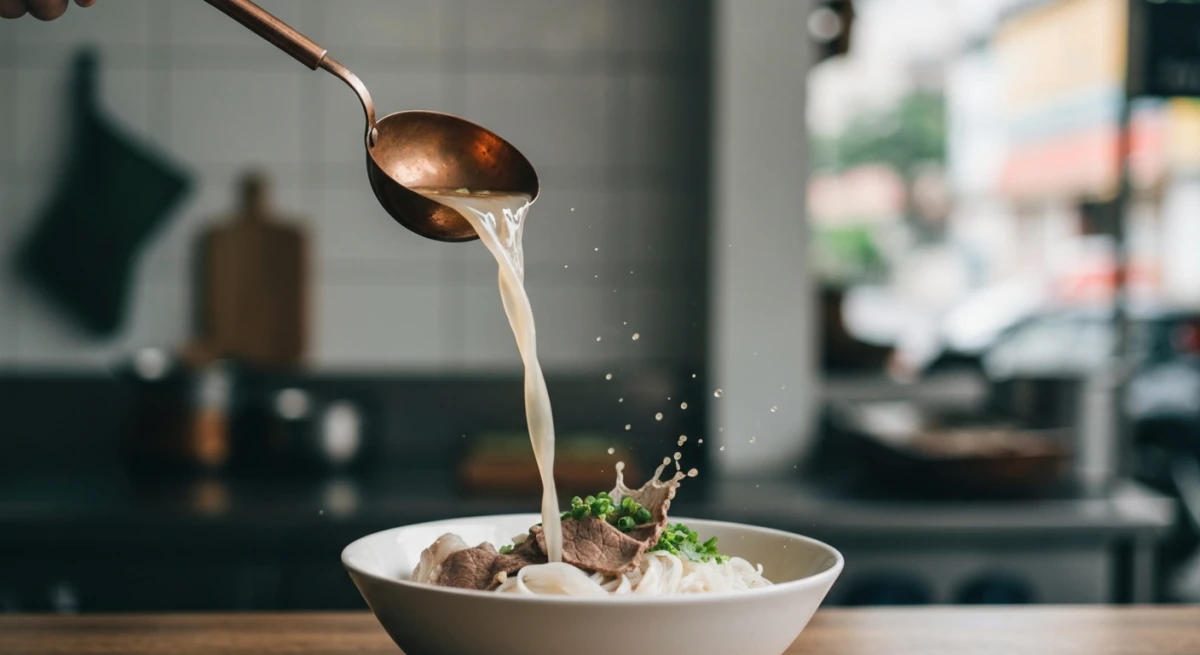
If you are searching for the best culinary secrets of Central Vietnam, you have likely realized that finding good food Da Nang has to offer is an adventure in itself. Nestled between Hue's royal heritage and Hoi An's ancient charm, Da Nang’s food scene is a magnificent reflection of its unique geography. It is a coastal paradise where fresh seafood is pulled directly from the ocean, fertile river valleys provide crisp herbs, and historical migrations have blended distinct culinary styles into something completely unique. Whether you are seeking a fiery bowl of local noodles on a plastic stool or an elevated, modern dining experience with a riverfront view, this city has it all. This guide is designed to help you navigate the vibrant culinary streets of Da Nang. We will dive deep into the must-try local specialties, pinpoint the exact street food stalls and markets where locals eat, highlight outstanding dining establishments, and share essential insider tips to ensure you make the most of every bite.
The Soul of Central Vietnamese Cuisine: Iconic Da Nang Dishes
To truly appreciate the good food Da Nang is celebrated for, you must start with the iconic dishes that define the daily lives of its residents. Central Vietnamese cooking is famous for its bold, unapologetic flavors, leaning heavily on fresh chilies, fermented fish sauces, and an array of contrasting textures. Here are the cornerstone dishes you simply cannot miss:
Mì Quảng (Quang Noodles)
Mì Quảng is the cultural symbol of the Quang region. Unlike northern Pho, which features a light broth meant to submerge the noodles, Mì Quảng is served with a highly concentrated, intensely savory broth that barely covers the bottom of the bowl. The noodles are thick, flat, and often tinted a beautiful yellow with fresh turmeric.
The protein toppings are incredibly diverse: tender pork, whole shrimp, quail eggs, chicken, or even frog. The real magic lies in the textures. Every bowl is topped with a generous handful of roasted peanuts, chopped scallions, crispy shallots, and a toasted sesame rice cracker ("bánh tráng") that you crush and mix into the bowl. This is accompanied by a mountain of fresh herbs, including mint, Vietnamese coriander ("rau răm"), and shredded banana blossoms. For an exceptional bowl, visit Mì Quảng Quê Xưa or Nu Đồ.
Bún Chả Cá (Fish Cake Noodle Soup)
Bún Chả Cá perfectly reflects Da Nang's seaside location, using fresh-caught ocean fish like mackerel, barracuda, and lizardfish to create bouncy, seasoned fish cakes. These cakes are either steamed ("chả cá hấp") or deep-fried ("chả cá chiên") and served over thin rice vermicelli.
The broth is a complex sweet-and-sour infusion, slow-simmered with fish bones, pineapple, tomatoes, pumpkin, and cabbage. A dollop of fermented shrimp paste ("mắm tôm"), pickled red onions, and hot chili oil are offered on the side to customize the flavor. The sweetness of the cooked vegetables contrasts beautifully with the savory, oceanic bite of the fish cakes. Make your way to Bún Chả Cá Hờn on Nguyen Chi Thanh Street to taste the gold standard.
Bánh Tráng Cuốn Thịt Heo (Pork Rice Paper Rolls)
Bánh Tráng Cuốn Thịt Heo literally translates to "rice paper rolled with pork." You are presented with a platter of paper-thin, tender slices of boiled pork belly—specifically cut so that each slice has a ribbon of fat on both ends—alongside a stack of dry rice paper, a sheet of wet, steamed rice paper ("bánh ướt"), and a massive basket of fresh herbs and vegetables.
To eat it, lay down a sheet of dry rice paper, top it with a sheet of steamed rice paper, and layer on fresh greens: lettuce, mint, perilla, basil, thinly sliced green banana, starfruit, and cucumber. Place a slice of pork in the center, roll it up tightly, and dip it into "mắm nêm". This pungent, fermented anchovy sauce is seasoned with crushed pineapple, garlic, chili, and lime juice. It is an absolute flavor bomb—salty, sweet, spicy, sour, and intensely savory. Quán Trần is the most famous spot to enjoy this dish.
Bánh Xèo & Nem Lụi (Sizzling Pancakes & Lemongrass Pork Skewers)
Bánh Xèo (sizzling savory pancakes) and Nem Lụi (grilled lemongrass pork skewers) are the ultimate dynamic duo of Central Vietnamese street food. Da Nang’s Bánh Xèo is smaller and crispier than the large, soft versions found in the south. Made from a batter of rice flour, coconut milk, and turmeric, it is ladled into screaming-hot iron pans where it sizzles loudly, filled with pork, shrimp, and bean sprouts.
Nem Lụi consists of finely minced seasoned pork wrapped around lemongrass stalks and grilled over hot coals. To eat, wrap pieces of the crispy Bánh Xèo and a grilled pork skewer into a sheet of rice paper with fresh herbs, cucumber, and green mango. The dipping sauce is a thick, velvety mixture of ground pork liver, peanuts, sesame seeds, and soy sauce, offering a rich, nutty contrast. Head to Bánh Xèo Tôm Nhảy Cô Ba to experience this culinary masterpiece.
Street Food Havens & Night Markets: The Plastic Stool Experience
The heartbeat of Da Nang’s culinary scene is found on its bustling sidewalks. To truly immerse yourself in the local lifestyle, you must leave the air-conditioned dining rooms behind and join the locals on low plastic stools. The street food culture here is friendly, incredibly affordable, and exceptionally clean. Here are the ultimate street food hubs you should explore:
Con Market (Chợ Cồn)
Located in the heart of the city center, Con Market is the culinary capital of Da Nang. By day, it is a bustling local market, but by mid-afternoon, the food courts transform into an absolute playground for food lovers. The indoor food court is neatly arranged with stalls specializing in everything from savory steamed rice cakes (bánh bèo, bánh lọc) to sweet dessert soups ("chè").
The real magic happens outside along the market's alleys starting around 3:00 PM. Dozens of vendors set up small carts, selling bowls of spicy baby clams with rice (cơm hến), savory duck porridge, and grilled skewers. Keep your eyes open for vendors selling "Bánh Tráng Trộn"—a refreshing, chaotic street salad made of shredded green mango, torn rice paper, spicy dried beef, quail eggs, and fresh herbs tossed in a sweet-and-sour chili dressing.
Son Tra Night Market
Situated right next to the iconic Dragon Bridge, the Son Tra Night Market is a vibrant, neon-lit destination that comes alive every evening. This market is a dream for seafood lovers. Dozens of stalls feature massive displays of live, fresh seafood on ice, ranging from giant prawns and octopus to various species of snails, clams, and rock lobsters.
Simply choose your seafood, agree on a price, and tell the vendor how you want it cooked. The most popular preparations include grilling over hot coals with green onion oil and peanuts ("nướng mỡ hành") or stir-frying in a rich, sweet, and spicy tamarind sauce ("rang me"). Pair your seafood with a cold local Larue beer and enjoy the bustling atmosphere, especially on weekend nights when you can watch the nearby Dragon Bridge spit fire.
From Michelin-Rated Bites to Hidden Gems: Must-Visit Restaurants
While street food is a vital part of the city's identity, Da Nang also boasts an incredible array of established, sit-down eateries that offer remarkable culinary craftsmanship. These restaurants represent the pinnacle of dining in the city, offering some of the most incredible good food Da Nang can provide to your table.
Quán Nhân (Michelin Bib Gourmand Duck Porridge)
Tucked away down a quiet side street in the My An ward, Quán Nhân is a legendary local institution that recently earned a prestigious Michelin Bib Gourmand. This simple, open-air eatery specializes in one main ingredient: duck. Specifically, they use a local breed of duck from nearby Cam Nam Island, known for its lean, flavorful meat and incredibly tender texture.
The signature dish here is "Cháo Vịt" (duck porridge). The porridge is cooked to a velvety, rich consistency using duck broth, rice, mung beans, and coix seeds, yielding a deeply comforting, nutty flavor profile. It is best paired with a plate of their poached duck or the zesty duck salad ("gỏi vịt"), which features shredded cabbage, banana flower, onions, and fresh herbs tossed in a sweet-and-sour ginger fish sauce.
Thìa Gỗ Restaurant
For travelers who want to experience authentic Vietnamese food in a beautiful, air-conditioned, and highly hygienic environment, Thìa Gỗ is the ultimate choice. Located on a peaceful street close to the Han River, this restaurant features rustic-chic wooden decor, warm lighting, and impeccable hospitality.
Their menu covers everything from comforting bowls of Beef Pho with deeply spiced, aromatic broth to crispy Bánh Xèo, fresh summer rolls, and savory fried rices. Don't miss their garlic-stir-fried Morning Glory ("rau muống xào tỏi")—a simple but highly addictive side dish of crunchy river spinach tossed with heaps of caramelized garlic. It is an ideal spot for families or groups who want to share a variety of traditional dishes in comfort.
Nu Đồ (Elevated Mì Quảng)
If you want to see how modern culinary artistry can elevate a rustic classic, make a reservation at Nu Đồ. Founded by a passionate local restaurateur, Nu Đồ takes the traditional Mì Quảng and raises it to an art form. The restaurant itself has a beautiful, minimalist aesthetic that feels like a cozy modern sanctuary.
At Nu Đồ, every single element of the noodle dish is crafted with meticulous care. The noodles are freshly hand-cut daily, maintaining a perfect, springy bite. The broths—whether beef, chicken, or vegetarian—are simmered for hours to extract pure, concentrated flavors without any artificial additives. The presentation is stunning, featuring beautiful ceramic bowls, vibrant fresh greens, and premium proteins.
Navigating the Neighborhoods: Where to Stay and Eat
Da Nang is split down the middle by the majestic Han River. On the east side lies the vibrant, breezy beach districts, while the west side houses the bustling, historic city center. Understanding the culinary layout of these neighborhoods will help you plan your foodie itinerary perfectly.
My An & An Thuong (The Beach Side & Expat Hub)
Located just steps away from the golden sands of My Khe Beach, the My An and An Thuong areas are the most cosmopolitan parts of Da Nang. This neighborhood is highly walkable and characterized by a laid-back, coastal vibe.
Culinary Offerings: This area is a goldmine for international cuisine, trendy brunch cafes, vegan restaurants, and craft beer bars. If you need a break from traditional Vietnamese food, you will find exceptional Mexican tacos, authentic Italian wood-fired pizzas, and healthy smoothie bowls.
Top Spot: Kurumi is a beloved plant-based cafe serving nutritious superfood bowls, protein-rich salads, and artisanal vegan sourdough toasts in a lush, peaceful garden setting.
Hai Chau (The City Center & Historic Core)
To the west of the Han River lies Hai Chau, the beating administrative and commercial heart of Da Nang. This is where you will find the highest concentration of historic, multi-generational family eateries.
Culinary Offerings: This is the place to go for authentic breakfast street stalls, legendary noodle houses, and classic Vietnamese coffee culture. The streets surrounding Han Market and Con Market are packed with local institutions that have been perfecting single dishes for over forty years. It offers a much more traditional, fast-paced Vietnamese experience.
Top Spot: Bún Chả Cá Hờn, a legendary establishment that has been serving the city's finest fish cake noodle soup to generations of hungry locals.
Essential Tips for Foodies in Da Nang
To ensure your culinary journey is safe, enjoyable, and absolutely delicious, keep these essential insider tips in mind as you explore the city:
Follow the Crowds: The golden rule of street food safety in Vietnam is simple: if a stall is packed with locals, the food is safe, fresh, and high-quality. High customer turnover means ingredients don't sit around.
Master the Condiments: Vietnamese dining tables are always stocked with a colorful array of condiments, including fresh limes, sliced bird's eye chilies, pickled garlic, chili sauce, and fish sauce. A squeeze of lime and a few slices of garlic can transform a good bowl of soup into an unforgettable masterpiece.
Keep Cash Handy: While high-end restaurants and trendy cafes in the expat district accept international credit cards, the vast majority of street food vendors and local market stalls only accept cash. Keep plenty of small-denomination Vietnamese Dong (such as 10,000, 20,000, and 50,000 VND notes) on hand.
Mind the Dining Hours: Locals in Da Nang eat early. Breakfast stalls open as early as 6:00 AM and are often sold out by 9:00 AM. Lunch is strictly between 11:30 AM and 1:30 PM, after which many local shops close for a midday rest. Dinner starts early around 6:00 PM and winds down by 9:00 PM.
Ice and Water Safety: In Da Nang, the ice ("đá") served in drinks at established cafes and popular street food stalls is generally safe, as it is commercially produced from purified water in cylindrical tube form. However, always stick to bottled water for hydration.
Frequently Asked Questions (FAQ)
What is the single most famous food in Da Nang?
Without a doubt, Mì Quảng (Quang Noodles) is the signature dish of Da Nang and the surrounding Quang Nam province. It represents the perfect culinary marriage of thick, turmeric-yellow rice noodles, concentrated savory broth, fresh local proteins, crunchy rice crackers, and vibrant herbs.
Is street food safe to eat in Da Nang?
Yes, street food in Da Nang is generally very safe and highly hygienic. The city has a strong food safety culture, and because street food is so popular, ingredients are bought fresh from the markets every morning and consumed quickly. Just choose stalls that are busy with local families and observe clean food-handling practices.
How much does a typical meal cost in Da Nang?
Da Nang is incredibly affordable. A hearty bowl of local noodles like Mì Quảng or Bún Chả Cá at a street food stall typically costs between 25,000 to 45,000 VND ($1.00 to $1.80 USD). A mid-range, sit-down meal at an air-conditioned restaurant like Thìa Gỗ will cost around 100,000 to 200,000 VND ($4.00 to $8.00 USD) per person. A lavish seafood feast with live crab and prawns might run between 300,000 to 600,000 VND ($12.00 to $25.00 USD) per person.
Where can I find the best seafood in Da Nang?
For the most authentic experience, head to the massive, open-air seafood restaurants along the coastal Hoang Sa and Vo Nguyen Giap highways, such as Bé Mặn or Bé Ni 2. For a more structured, market-style vibe, explore the Son Tra Night Market, where you can select live seafood and have it grilled to order.
Are there good vegetarian and vegan options in Da Nang?
Absolutely! Da Nang has a booming vegetarian ("chay") culture, partly due to Buddhist traditions. On the 1st and 15th days of the lunar month, many locals eat strictly vegetarian, and you will see "Quán Chay" signs everywhere. Additionally, the An Thuong expat district features world-class dedicated vegan cafes like Kurumi, offering incredible plant-based international dishes.
Conclusion
Da Nang is far more than just a beautiful beach destination with dramatic bridges; it is a world-class culinary capital that deserves a top spot on every foodie's bucket list. From the earthy, complex crunch of a fresh bowl of Mì Quảng to the interactive joy of rolling crispy Bánh Xèo on a warm tropical evening, the culinary experiences here are deeply tied to the land, the sea, and the warm hospitality of the local people.
By stepping out of your comfort zone, embracing the lively street-side atmosphere, and seeking out the incredible family-run gems scattered across the city's diverse neighborhoods, your journey to discover the incredibly good food Da Nang offers will undoubtedly be a highlight of your travels. So pack your appetite, pull up a plastic stool, and prepare to embark on an unforgettable culinary adventure.