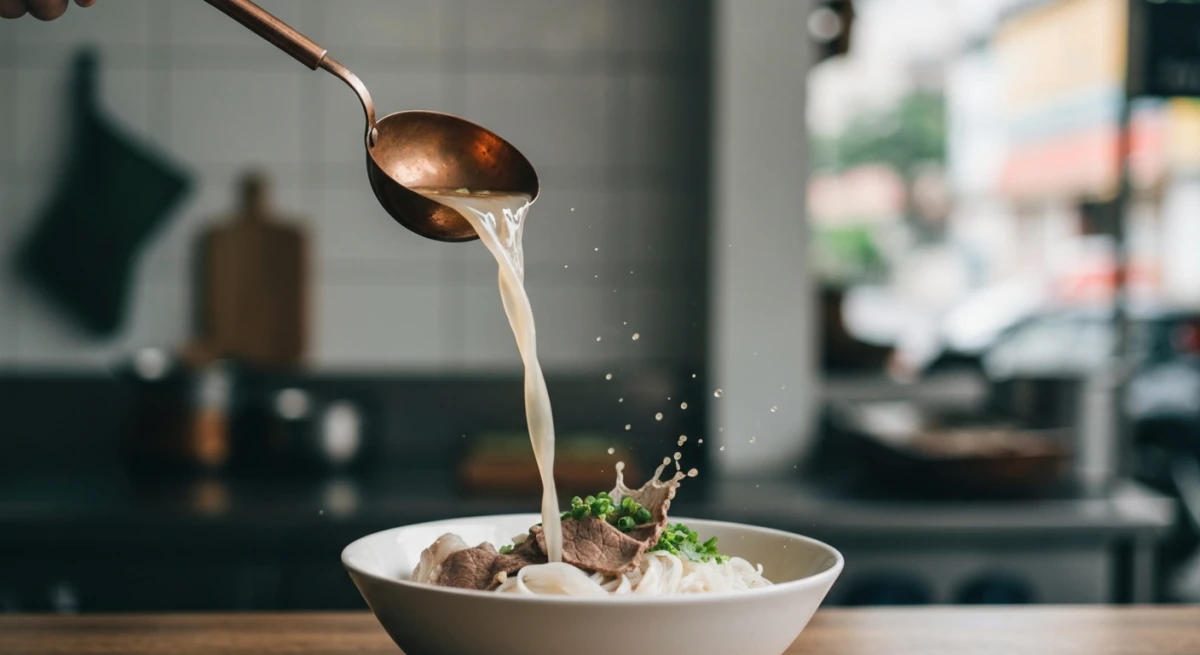
If you are searching for the absolute best good food Ho Chi Minh has to offer, you are in for an unforgettable culinary adventure. Saigon is a metropolis defined by its flavors, where sizzling street-side woks and elegant dining rooms create a food scene unlike anywhere else on earth. The challenge isn't finding a meal—it is deciding where to start in a city where every alleyway hides a culinary masterpiece. This guide cuts through the tourist traps to deliver the ultimate roadmap to Saigon’s legendary street food stalls, hidden alleyways, and Michelin-starred marvels. Whether you are a first-time visitor looking for the ultimate bowl of Pho or a seasoned foodie hunting for the best snails in town, this curated culinary guide will show you how to navigate the overwhelming, delicious world of Ho Chi Minh City's food scene.
The Golden Trinity of Saigon Street Food
To truly understand the culinary soul of Saigon, one must start with the classics. While you can find dishes from every province of Vietnam represented here, there are three iconic preparations that locals eat daily. These dishes form the foundation of good food Ho Chi Minh is celebrated for, and skipping them is simply not an option.
1. Phở: The Southern Broth Masterpiece
While Phở originated in the North, Saigon has put its own unmistakable stamp on the national dish. In Hanoi, Phở is a minimalist affair with a clear, delicate broth, wider noodles, and green onions. In Ho Chi Minh City, Phở Nam (Southern-style Pho) is a sensory explosion. The broth is richer, slightly sweeter, and spiced heavily with charred ginger, cinnamon, and star anise. Crucially, it is served with a literal jungle of fresh herbs, including Thai basil (húng quế), culantro (ngò gai), rice paddy herb, and freshly squeezed lime, allowing diners to customize their bowls to their exact preferences.
To experience this firsthand, head to Phở Lệ (415 Nguyễn Trãi, District 5). Tucked away in the vibrant Cholon (Chinatown) area, this Michelin Selected institution has been simmering its legendary broth since 1970. The soup here is thick, deeply aromatic, and glistening with rich beef marrow. Order the Phở Tái Nạm Bò Viên—a spectacular combination of rare beef, tender flank, and dense, bouncy beef meatballs made in-house. Don't forget to dip your meats in a side dish of hoisin sauce mixed with Sriracha, the quintessential Southern style of eating Phở. For a more central but equally authentic option, visit Phở Phượng (25 Hoàng Sa, District 1), where you can slurp comfort in a bowl right next to the breezy Nhieu Loc-Thi Nghe canal.
2. Bánh Mì: The French-Vietnamese Fusion Icon
No street food represents the complex history of Vietnam quite like the Bánh Mì. The French introduced the baguette, pâté, and mayonnaise during the colonial era, but the Vietnamese took these ingredients, lightened the bread with rice flour to make it ultra-crispy, and stuffed it with fresh, vibrant local ingredients. The result is a perfect harmony of texture, temperature, and flavor: warm, crunchy bread, rich savory meats, cool cucumbers, and the refreshing tang of pickled daikon and carrots (đồ chua).
When hunting for legendary good food Ho Chi Minh street stalls, Bánh Mì Huỳnh Hoa (26 Lê Thị Riêng, District 1) is an absolute rite of passage. Often described as a "sandwich on steroids," Huỳnh Hoa’s creation is incredibly heavy, packed with layers of premium Vietnamese ham, headcheese, roast pork, and a mountain of rich, buttery French-style pork pâté. It is so substantial that locals often split one between two people. The line here moves quickly, and watching the assembly line of workers construct these colossal sandwiches is a performance in itself. If you prefer a lighter, more classic, and balanced version with beautifully caramelized charcoal-grilled pork, head to Bánh Mì Hồng Hoa (62 Nguyễn Văn Tráng, District 1), where the baguettes are baked fresh on-site every few minutes.
3. Cơm Tấm: The Humble Broken Rice Champion
If Phở is the spirit of Vietnam, Cơm Tấm is the heartbeat of Saigon. Historically, "broken rice" consisted of damaged grains that were fractured during the milling process. Because they couldn't be sold to wealthy customers, poor farmers and laborers kept them for their own consumption. Over time, Saigonese cooks turned this humble ingredient into an urban masterpiece. The tiny, broken grains of rice absorb sauces beautifully and have a unique, fluffy texture that pairs perfectly with smoky, charcoal-grilled meats.
For a legendary dining experience, make the pilgrimage to Cơm Tấm Ba Ghiền (84 Đặng Văn Ngự, Phú Nhuận District). This Michelin Bib Gourmand establishment is famous for serving a colossal, deeply marinated pork chop (sườn) that is grilled over open charcoal right at the storefront, filling the entire street with an irresistible smoky aroma. The pork chop is so massive it literally hangs off the edges of the plate, hiding the bed of broken rice underneath. For the ultimate feast, order the Cơm Tấm Sườn Bì Chả Ốp La—which includes the pork chop, shredded pork skin (bì), a savory egg-and-pork loaf (chả chưng), and a fried egg with a perfectly runny yolk. Drizzle the sweet, chili-flecked fish sauce over the top, mix it all together, and understand why this is the ultimate comfort food for millions of Saigonese.
Stepping Off the Tourist Trail: Saigon’s Iconic Food Streets & Alleys
While District 1 is home to many famous restaurants, the real magic of discovering good food Ho Chi Minh style happens when you venture into the outer districts and residential neighborhoods. This is where the culinary theater comes alive, characterized by low plastic stools, buzzing motorbikes, and families sharing meals on the sidewalk.
Vạn Kiếp Street (Bình Thạnh District)
Located at the intersection of Phú Nhuận and Bình Thạnh districts, Vạn Kiếp Street is a densely packed, neon-lit food paradise that remains largely untouched by mainstream tourism. As the sun sets, the entire street transforms into an open-air cafeteria. The smell of charcoal grills, simmering broths, and frying garlic fills the air, while glowing signs advertise dozens of different specialties.
If you only have one evening to explore local street food, Vạn Kiếp is the perfect destination. Start your culinary crawl at Quán Dì Cẩm (181 Vạn Kiếp) for a bowl of Bún Mắm. This pungent, deeply flavorful noodle soup originates from the Mekong Delta and features a dark broth made from fermented fish, loaded with crispy pork belly, shrimp, squid, eggplant, and thick vermicelli noodles. It is an intense, sweet-and-savory seafood bomb that represents the bold flavor profiles of southern Vietnam. Afterward, walk down to Bánh Xèo Miền Tây near the local market to enjoy a crispy, turmeric-tinted Vietnamese crepe stuffed with pork, shrimp, and bean sprouts, wrapped in fresh mustard leaves and dipped in sweet fish sauce.
Vĩnh Khánh Street (District 4)
In Saigon, there is a legendary culinary subculture centered around Ốc—which translates literally to "snails," but actually encompasses an endless variety of sea snails, sweet snails, clams, oysters, and other shellfish. Eating snails is not just about the food; it is a social ritual known as "nhậu"—the Vietnamese art of drinking cold beers, gossiping with friends, and grazing on highly seasoned seafood late into the night.
The undisputed capital of snail culture is Vĩnh Khánh Street in District 4. Once a notorious gang territory, District 4 is now a safe, vibrant, and incredibly lively neighborhood. Vĩnh Khánh Street is lined with open-front seafood restaurants where woks spit flames into the night sky. The most famous spot on the street is Ốc Oanh (534 Vĩnh Khánh). Grab a low plastic table on the sidewalk and order the Ốc Hương Sốt Trứng Muối (spotted babylon snails tossed in a rich, velvety salted egg yolk sauce). Be sure to order a crusty bánh mì to mop up every last drop of the golden sauce. Pair this with Sò Điệp Nướng Mỡ Hành (grilled scallops topped with fragrant scallion oil, crunchy fried shallots, and crushed roasted peanuts) and a couple of ice-cold Saigon Special beers for the ultimate local night out.
The Nguyễn Thiện Thuật Apartments (District 3)
For a glimpse into mid-century Saigon, head to the Nguyễn Thiện Thuật apartment complex in District 3. Built in the late 1960s, these weathered, historic residential blocks are a labyrinth of narrow alleyways and leafy courtyards. The ground floors of these buildings have been converted into a bustling ecosystem of street food stalls, cafes, and family-run diners.
Here, you can try some of the best Bột Chiên in the city. Bột Chiên consists of thick cubes of rice flour cake that are fried on a massive flat iron skillet until the exterior is incredibly crispy while the inside remains chewy. The cook then cracks a couple of eggs over the rice cakes, tosses in a handful of green onions, and serves it hot with a sweet, tangy soy dipping sauce and shredded green papaya to cut through the richness. It is a simple, comforting dish that is a favorite after-school snack for local kids. You can also find incredible Bánh Tráng Trộn (shredded rice paper salad tossed with quail eggs, dried beef, green mango, Vietnamese coriander, and a spicy citrus-chili oil) sold from small mobile carts throughout the complex.
Beyond Street Stalls: Elite Vietnamese Cuisine & Michelin-Starred Innovation
While street food is the undisputed star of Saigon, the city’s culinary landscape has undergone a dramatic evolution. Today, a new generation of creative chefs is redefining what good food Ho Chi Minh looks like, taking traditional street food flavors and elevating them into world-class fine dining experiences. If you want to experience the cutting edge of Vietnamese gastronomy, these dining rooms are essential.
Anan Saigon: The Street Food Alchemist
Tucked inside the chaotic, historic wet market of Chợ Cũ in District 1, Anan Saigon is a groundbreaking culinary destination. Helmed by Chef Peter Cường Franklin, Anan was the first restaurant in Ho Chi Minh City to be awarded a prestigious Michelin Star. Chef Peter, who trained at Le Cordon Bleu and worked in world-class kitchens globally, returned to his roots to create "Cuisine Mới" (New Vietnamese Cuisine).
Anan is famous for taking humble street food concepts and elevating them with premium ingredients and modern French culinary techniques. The most famous example is their legendary $100 Bánh Mì, which features a freshly baked baguette stuffed with foie gras, truffle mayonnaise, pork belly, and caviar. But the innovation doesn't stop there. Try their Bún Chả Tacos, which package the smoky, grilled pork flavors of Hanoi’s famous noodle dish into crispy corn tortillas, or their elevated Bột Chiên topped with direct-from-the-source Da Lat truffles. The restaurant's rooftop bar offers stunning views of the Bitexco Financial Tower and the bustling market below, providing the perfect backdrop for an unforgettable meal.
Cục Gạch Quán: Elegant, Country-Style Comfort
If Anan represents the futuristic, cosmopolitan evolution of Vietnamese food, Cục Gạch Quán (10 Đặng Tất, District 1) represents a passionate love letter to the country’s rural, home-cooked heritage. Favored by international celebrities and discerning locals alike, this Michelin Selected restaurant is housed in a beautifully restored French colonial villa, designed by architect Bình Minh to feel like a rustic countryside home.
The philosophy here is simple: celebrate the beauty of raw ingredients, traditional cooking methods, and the warmth of a family meal. The menu is massive, presented in a vintage notebook, and features dishes that a Vietnamese grandmother would cook in a rural village. There are no fancy modern plating techniques here; instead, delicious family-style plates are served in rustic, intentionally chipped clay pots. Must-order dishes include Thịt Kho Tộ (caramelized pork belly simmered in a rich, sweet-savory fish sauce reduction), stir-fried pumpkin flowers with fresh garlic, and their legendary house-made tofu, which is incredibly silky and fried to a delicate golden crisp. It is a peaceful, green oasis that offers a welcome respite from the chaotic energy of the city streets.
Hum Vegetarian: Elevated, Plant-Based Artistry
Vegetarian dining has a long and proud history in Vietnam, deeply rooted in Buddhist traditions. However, Hum Vegetarian (with stunning locations in District 3 and Thảo Điền) has elevated plant-based dining to an art form. This is not just "good food Ho Chi Minh" for vegetarians; it is a world-class restaurant that delights even the most committed meat-lovers.
The restaurants are designed as serene, eco-conscious sanctuaries filled with calming water features, lush tropical greenery, and natural wood architecture. The culinary team at Hum sources organic, seasonal ingredients from local farmers across Vietnam, transforming them into visually stunning, highly nutritious dishes. Standouts include their Lotus Root Salad (tossed with fresh herbs, carrots, and a tangy dressing), Fried Rice with Pineapple (served inside a hollowed-out fresh pineapple, aromatic with turmeric and loaded with nuts and seeds), and their delicate Steamed Mushrooms in Coconut cocoons. Every dish is a masterful balance of the five elements of Vietnamese culinary philosophy: spicy, sour, bitter, salty, and sweet.
Navigating Saigon’s Liquid Culture: Egg Coffee, Ca Phe Sua Da, and Craft Beer
To fully experience the culinary scene, one must understand that Saigon is a city fueled by liquids. From morning caffeine rituals to late-night craft beers, the beverage culture here is just as rich, creative, and dynamic as the food.
Cà Phê Sữa Đá: The City's True Fuel
In Saigon, coffee is not just a drink; it is a lifestyle, a social lubricant, and a daily necessity. The signature beverage is Cà Phê Sữa Đá (Iced Coffee with Condensed Milk). Made primarily with robusta beans, which have a high caffeine content and a deep, chocolatey, and bitter flavor profile, the coffee is brewed slowly using a traditional metal drip filter (phin) directly onto a thick layer of sweetened condensed milk. Once brewed, it is vigorously stirred and poured over a glass filled with crushed ice.
The result is a thick, syrupy, incredibly sweet, and intensely strong beverage that will instantly jumpstart your day. For an iconic local experience, head to the Café Apartments at 90 Nguyễn Huệ. This nine-story, mid-century residential building was converted into a vertical maze of trendy boutique coffee shops, tea houses, and vintage cafes. You can spend an afternoon wandering up the tiled staircases, discovering hidden balcony cafes like Thinker & Dreamer or The Maker, and enjoying a panoramic view of the bustling walking street below.
For a unique history lesson with your caffeine, visit Cà Phê Đỗ Phủ (113A Đặng Dung, District 3). This unassuming, vintage coffee shop was actually a secret weapons bunker used by the Viet Cong during the Vietnam War. While you sip a traditional dark brew, you can explore the hidden trapdoors under the floorboards, secret cupboards, and historical artifacts left behind by the revolutionary fighters who operated right under the noses of the military police.
The Craft Beer Capital of Southeast Asia
As the sun sets, the city’s beverage scene shifts from caffeine to hops. Over the past decade, Ho Chi Minh City has transformed into the undisputed craft beer capital of Southeast Asia. A community of creative expat and Vietnamese brewers began experimenting with importing western brewing techniques and infusing them with local, tropical Vietnamese ingredients.
The pioneer of this movement is Pasteur Street Brewing Company (144/3 Pasteur, District 1). Located down a narrow alleyway near the Saigon City Hall, their original taproom serves award-winning beers like the Jasmine IPA (which uses fresh jasmine flowers sourced from northern Vietnam) and the Cyclo Stout (infused with local Marou chocolate, cinnamon, and vanilla). Another essential stop is Heart of Darkness Craft Brewery (31D Lý Tự Trọng, District 1), known for its bold, hop-heavy beers and a rotating lineup of creative seasonal brews like the Conquistador Pale Ale and Dream Alone Pale Ale.
Frequently Asked Questions (FAQ)
Is street food safe to eat in Ho Chi Minh City?
Yes, street food in Saigon is generally very safe, hygienic, and fresh. Because of the sheer volume of customers, street stalls have an incredibly high turnover of ingredients, meaning the food you eat was likely purchased fresh from the market that morning and cooked right in front of you. To ensure a safe experience, follow these golden rules:
- Eat where the crowds are: A busy stall with a line of locals is the ultimate guarantee of fresh, high-quality food.
- Look for specialized stalls: Choose vendors who only cook one or two dishes (e.g., just Phở or just Bột Chiên). They have perfected their recipe and maintain high ingredient turnover.
- Eat hot food: Choose dishes that are boiled, fried, or grilled to order rather than items that have been sitting out.
- Be cautious with ice: While ice in established cafes and restaurants in District 1 is perfectly safe, if you have a highly sensitive stomach, you may want to skip ice at very rustic sidewalk stands.
What is the difference between northern and southern Vietnamese food?
Vietnamese cuisine is highly regionalized. Northern food (centered around Hanoi) is older, more traditional, and characterized by clean, subtle, and balanced flavors. Northern cooks rely heavily on black pepper rather than chili for heat, and use minimal sugar, resulting in a savory and delicate profile.
Southern food (centered around Ho Chi Minh City) is bolder, sweeter, and more vibrant. Because of the tropical climate and fertile soil of the Mekong Delta, Southern cuisine incorporates a massive abundance of fresh herbs, coconut milk, palm sugar, and fresh chilies. Southern broths are sweeter, portion sizes are generally larger, and meals are almost always accompanied by a large plate of raw herbs and vegetables.
How much does a meal cost in Ho Chi Minh City?
Saigon is one of the most budget-friendly food destinations in the world. Here is a rough breakdown of what you can expect to pay for good food Ho Chi Minh options:
- Street Food Stalls: 30,000 to 70,000 VND ($1.20 to $3.00 USD) for a filling bowl of noodles, a loaded bánh mì, or a plate of broken rice.
- Mid-Range Local Restaurants: 150,000 to 350,000 VND ($6.00 to $14.00 USD) per person for a sit-down meal with drinks.
- Michelin-Starred or High-End Fine Dining: 1,500,000 to 3,500,000+ VND ($60.00 to $140.00+ USD) per person for premium tasting menus and world-class culinary innovations.
What are the best vegetarian options in Ho Chi Minh City?
Saigon is incredibly welcoming to vegetarians and vegans. The magic word to look out for is Chay (which means vegetarian/vegan in Vietnamese). Stalls and restaurants displaying signs for Quán Ăn Chay or Cơm Chay serve delicious, inexpensive, plant-based versions of classic dishes, often utilizing creative mock meats made from tofu, mushrooms, and wheat gluten. For an upscale, stunning vegetarian dining experience, Hum Vegetarian in District 3 is highly recommended.
How do I order food at street stalls if I don't speak Vietnamese?
Don't let the language barrier intimidate you! Saigonese vendors are incredibly friendly, welcoming, and used to interacting with travelers. Here are a few tips:
- Point and Smile: Point to the ingredients or a dish that another customer is eating and raise one finger to indicate you want one.
- Use Google Translate: Translate the dish name or ask simple questions on your phone.
- Look for the menu board: Many stalls have a simple sign on the wall listing their dishes and prices, making it easy to point to what you want.
Conclusion
From the heavy, savory layers of a Bánh Mì Huỳnh Hoa sandwich in District 1 to the smoky, colossal pork chops at Cơm Tấm Ba Ghiền, and the boundary-pushing gastronomy at Anan Saigon, Ho Chi Minh City is a paradise for anyone who lives to eat. The true beauty of Saigon's food scene lies in its accessibility and democracy; here, a Michelin-starred chef, a local office worker, and an international traveler all sit on the exact same blue plastic stools, dodging the same motorbike traffic, to enjoy a bowl of soup that has been perfected over generations.
To truly experience this incredible city, you must step out of your comfort zone, wander down that narrow, unmarked residential alleyway, and follow the scent of charcoal and garlic. Let your senses guide you, embrace the chaotic energy of the streets, and discover the culinary magic that makes Saigon one of the absolute greatest food cities on earth.