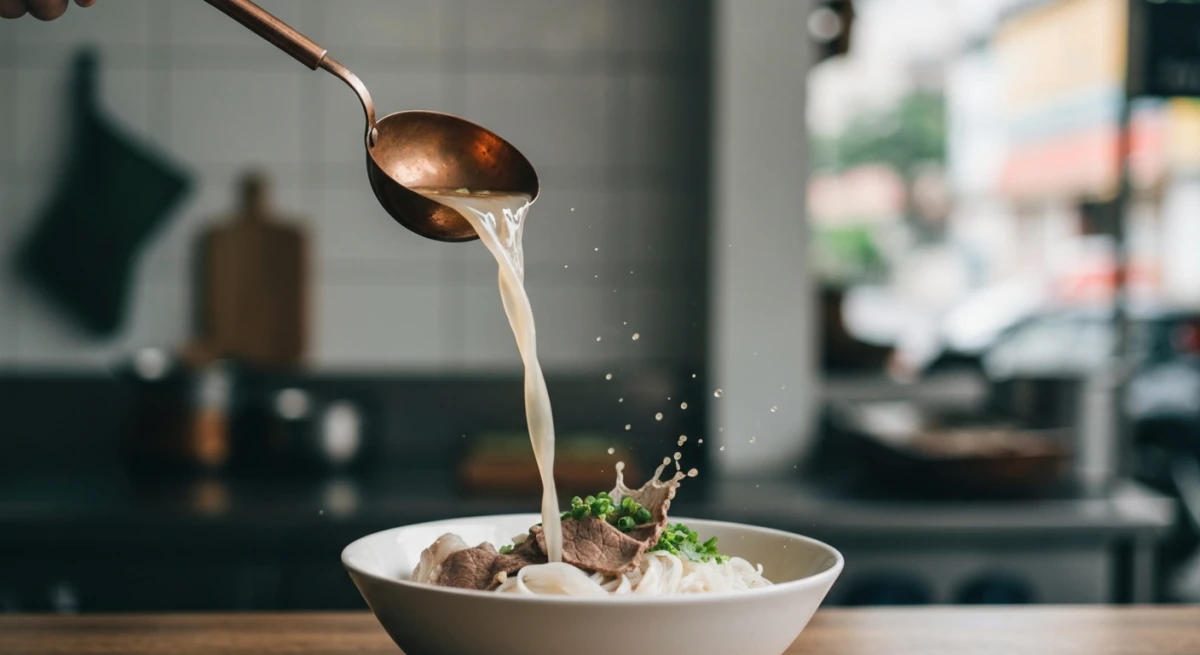
To truly understand Vietnam, you must eat your way through its historic capital. Ha Noi cuisine is not merely a source of daily sustenance; it is a centuries-old cultural tapestry woven from imperial legacy, French colonial influences, Chinese trade routes, and a deep reverence for Northern Vietnam's agrarian roots. Unlike the sweet, chili-laden dishes of the south, the flavor profile of Ha Noi is defined by subtlety, elegance, and pristine balance. In this ultimate guide, we will dive deep into the soul of Ha Noi cuisine, exploring its iconic dishes, hidden street food alleys, liquid culture, local dining etiquette, and the philosophy that makes Northern Vietnamese food globally unparalleled.
1. The Heritage of Ha Noi Cuisine: A Tapestry of History and Geography
To appreciate why Ha Noi cuisine tastes the way it does, one must look at the city’s complex history. For over a thousand years, Hanoi (historically known as Thang Long) was the imperial capital of Vietnam. The presence of the royal court meant that food was not just prepared to satisfy hunger; it was elevated into an art form. Royal chefs were tasked with creating visually stunning, balanced, and nutritionally harmonious meals for the emperor and the ruling elite. This demand for refinement trickled down into the households of the local aristocracy, establishing a culinary standard characterized by meticulous preparation and clean, distinct flavors.
In addition to its imperial roots, Hanoi’s geographic position in the Red River Delta shaped its culinary DNA. Surrounded by fertile wet-rice plains, the city’s cuisine naturally revolved around rice in all its forms—from flat pho noodles and round bun vermicelli to delicate steamed rice rolls and crunchy rice cakes. Freshwater fish, crabs, and snails harvested from the delta’s intricate network of rivers, lakes, and rice paddies also became fundamental proteins in the northern diet.
Furthermore, foreign influences left an indelible mark on Ha Noi cuisine. Over a thousand years of Chinese domination introduced stir-frying techniques, soy sauce, and complex master broths. Later, nearly a century of French colonial rule (from the late 19th to mid-20th centuries) introduced baking techniques, coffee culture, and the consumption of beef, which directly influenced the creation of legendary dishes like pho and the iconic Vietnamese banh mi baguette. Rather than simply adopting these foreign culinary styles, Hanoian cooks masterfully adapted them, blending them with local ingredients to create something entirely unique and deeply Vietnamese.
Finally, the climate of Northern Vietnam plays a massive role. Unlike the tropical south which enjoys a relatively constant climate, Hanoi experiences four distinct seasons, including cold, damp winters. This seasonality dictates what ingredients are available and how they are cooked. Hearty, steaming noodle soups and clay-pot stews dominate the chilly winter months, while light, refreshing noodle salads, fresh herbs, and chilled soups take center stage during the sweltering summer heat.
2. The Philosophy of the Northern Palate: Balance, Simplicity, and "Yin-Yang"
If Southern Vietnamese cuisine is a vibrant, loud explosion of flavors—characterized by bold additions of sugar, chili, and coconut milk—the food of Hanoi is a delicate, whispered melody. The core philosophy of the northern palate is restraint, aiming to highlight the pure, natural flavor of the primary ingredients rather than masking them under heavy sauces or spices.
In Hanoi, the seasoning is incredibly precise. The holy trinity of the northern kitchen consists of salt, high-quality fish sauce (nuoc mam), and freshly ground black pepper. While chili is beloved, it is rarely cooked directly into the base of a dish. Instead, fresh bird's eye chilies are served on the side, allowing each diner to customize their level of heat. Sweetness is also handled with extreme care. In traditional Ha Noi cuisine, sweetness is derived naturally from the slow simmering of bones, dried shrimp, or root vegetables. The heavy use of cane sugar or coconut cream, which is ubiquitous in the south, is generally avoided here.
Crucial to this philosophy is the ancient concept of Yin and Yang in food, where ingredients are classified as either "cooling" (yin) or "warming" (yang). A perfectly prepared Hanoian dish must balance these elements to ensure both optimal flavor and digestive health. For example, duck meat, which is considered highly "yin" (cooling), is always paired with ginger fish sauce, a strong "yang" (warming) condiment. Similarly, shellfish and snails (yin) are cooked with warm spices like lemongrass, ginger, and chili (yang). Herbs are not merely decorative garnishes; they are functional medicines. Specific herbs are paired strictly with specific dishes: dill is paired with turmeric fish to cut through the oil, while purple perilla leaves are paired with snail noodle soup to aid digestion.
3. The Canonical Dishes of Hanoi: Deep-Diving Into the Classics
While Hanoi’s street food scene is vast, several legendary dishes form the foundation of its culinary identity. Understanding how these dishes are prepared, and how they should be eaten, is essential for any true food lover.
Pho: The Soul of the Capital
No exploration of Ha Noi cuisine can begin anywhere other than with Pho. While this noodle soup is famous globally, the authentic northern version (Pho Bac) is remarkably different from its southern counterpart (Pho Nam).
Northern Pho focuses heavily on the clarity, purity, and depth of the broth. The broth for beef pho (Pho Bo) is simmered for up to 12 hours using beef marrow bones, charred ginger, shallots, and a delicate blend of toasted spices including star anise, cinnamon, black cardamom, coriander seeds, and cloves. The result is a light, golden liquid that is intensely savory but never greasy. The rice noodles (banh pho) used in Hanoi are wide, thin, and silky. Unlike in the south, a true Ha Noi Pho is never served with bean sprouts, hoisin sauce, or sweet chili sauce. To add these is considered a culinary sin by local purists, as they mask the delicate balance of the master broth.
How to eat it like a Hanoian: First, taste the broth naked. Appreciate its depth. Then, if desired, add a squeeze of fresh lime juice and a few slices of fresh bird's eye chili, or a splash of garlic vinegar (dam toi). Accompany your bowl with quay—golden, crispy fried dough sticks. Dip the quay into the hot broth until it softens slightly, soaking up the savory liquid like a sponge.
Bun Cha: Charcoal-Grilled Perfection
If Pho is Hanoi’s morning ritual, Bun Cha is its lunchtime obsession. This dish consisting of charcoal-grilled pork patties and belly slices served in a warm, diluted fish sauce dipping bowl, accompanied by cold rice vermicelli noodles (bun) and a mountain of fresh herbs, gained global fame when President Barack Obama and Chef Anthony Bourdain dined on it in 2016.
The magic of Bun Cha lies in the charcoal grill. Street vendors fan the glowing coals on sidewalk grates, filling the Hanoi air with the irresistible aroma of caramelizing pork marinades (often featuring garlic, shallots, fish sauce, and a touch of caramel water). The dipping sauce is a delicate balance of sweet, sour, salty, and savory, populated with crunchy slices of green papaya and carrot.
How to eat it like a Hanoian: Do not dump all your noodles into the pork bowl at once, as they will clump and absorb too much liquid. Instead, grab a small nest of noodles with your chopsticks, dip them briefly into the warm pork broth, grab a piece of succulent pork and a leaf of fresh herb (such as shiso or coriander), and lift the entire bite to your mouth.
Cha Ca: The Legend of Turmeric and Dill
Cha Ca is so central to Ha Noi cuisine that it has an entire street named after it in the Old Quarter (Pho Cha Ca). This dish features firm white fish chunks (historically hemibagrus, a type of catfish from the Red River, though snakehead fish is common today) marinated in turmeric, galangal, and fermented rice paste.
The dining experience is highly theatrical. A small portable gas stove is brought to your table, topped with a sizzling skillet of golden turmeric fish. The server or diner then dumps massive handfuls of fresh dill and spring onions into the pan. As the herbs wilt and release their fragrant oils, you assemble your bowl: start with cold rice vermicelli, add a piece of fish and wilted herbs, drizzle with pungent fermented shrimp paste (mam tom) whipped with lime juice and sugar until foamy, and top with roasted peanuts and fresh herbs.
Bun Thang: The Elegant Masterpiece of the Hanoi Elite
While Pho is robust and Bun Cha is rustic, Bun Thang represents the pinnacle of Hanoi's refined, domestic culinary tradition. Historically prepared for Tet (Lunar New Year) to utilize leftover holiday ingredients, Bun Thang is a visually striking noodle soup that demands painstaking preparation.
The ingredients are shredded with mathematical precision into matchstick-thin strips: soft chicken breast, delicate pork sausage (gio lua), paper-thin fried egg omelet, fragrant mushrooms, and pickled daikon. These are arranged in colorful, neat wedges over thin rice noodles, resembling a mandala. The broth, made from boiling chicken and sea dried shrimp, is crystal-clear and sweet. A tiny drop of ca cuong (giant water bug pheromone extract) is traditionally added to provide a subtle, unique floral aroma that elevates the entire dish.
Banh Cuon: Delicate Steamed Rice Rolls
Banh Cuon is the ultimate light breakfast or mid-morning snack. It consists of a fermented rice batter spread paper-thin over a tightly stretched cloth dome steaming over boiling water. Once steamed, the delicate sheet is lifted with a bamboo stick, filled with a mixture of minced seasoned pork and wood-ear mushrooms, and rolled up.
It is served hot, topped with crispy fried shallots, and accompanied by slices of cha lua (pork sausage) and a sweet-savory dipping sauce made of diluted fish sauce, sugar, and lime. To truly appreciate it, look for stalls where the cook rolls each piece to order right in front of you.
4. The Art of the "Qua": Hanoi's Street Snacks and Sweet Delights
In Hanoi, eating is not restricted to three square meals. The city has a vibrant culture of qua—dishes eaten as mid-day snacks, light bites, or communal treats. These street foods highlight the playful, inventive side of Ha Noi cuisine.
Banh Mi Hanoi: Elegant Simplicity
While Southern Banh Mi is packed with dozens of ingredients, a classic Hanoi Banh Mi embraces simplicity. It focuses on the quality of the bread—crisp on the outside, light and airy on the inside—and a few high-quality fillings. A traditional Hanoi-style banh mi features a generous smear of rich liver pate, a sprinkle of salt and pepper, a few slices of pork ham, and perhaps a swipe of butter and cucumber slices. There are no pickled daikon or heavy sweet sauces; the rich, earthy pate and the crunchy bread are the undisputed stars of the show.
Ca Phe Trung: The Famous Egg Coffee
No culinary tour of Hanoi is complete without trying Ca Phe Trung, or Egg Coffee. Invented in 1946 by Nguyen Giang during a wartime milk shortage, this drink replaces condensed milk with egg yolks whipped with sugar and condensed milk into a thick, velvety meringue. This decadent froth is poured over hot, bitter Vietnamese robusta coffee. The result is a luscious, custard-like beverage that tastes like liquid tiramisu.
To experience it authentically, seek out Cafe Giang or Cafe Dinh—both run by descendants of the original creator—hidden down narrow, dark alleyways in the Old Quarter.
5. The Liquid Culture: From Bia Hoi to Imperial Lotus Tea
How Hanoians drink is as integral to their culinary landscape as how they eat. The city's beverage culture spans the spectrum from the ultra-casual to the highly ritualistic.
Bia Hoi: The World's Cheapest Fresh Beer
Every afternoon around 4:00 PM, Hanoi's street corners come alive with the sound of clinking glasses and shouts of "Mot, Hai, Ba, Yo!" (One, Two, Three, Cheers!). This is the world of Bia Hoi (fresh draft beer). Brewed daily without preservatives and delivered in metal kegs to local street joints, Bia Hoi has an alcohol content of around 3% to 4%. It is light, incredibly refreshing, and served in rustic, recycled green glass mugs.
Bia Hoi is more than just a drink; it is a social equalizer. Businessmen in suits sit on tiny plastic stools next to construction workers and foreign travelers, sharing plates of roasted peanuts, deep-fried tofu with salt and green onion (dau phu ran hanh), and grilled dried squid.
Imperial Lotus Tea: A Lost Art Preserved
On the opposite end of the sensory spectrum lies Hanoi's ancient tea culture, specifically Tra Sen (Lotus Tea). Historically reserved for kings, authentic Hanoi lotus tea is one of the most expensive and labor-intensive teas in the world.
To make it, high-quality green tea leaves from the northern highlands are scented inside the blossoms of West Lake (Ho Tay) lotus flowers. The flowers must be picked before dawn, when the dew is still wet and the petals are closed. It takes approximately 1,000 lotus flowers to scent a single kilogram of tea. The resulting brew is exceptionally fragrant, with a sweet, floral, and slightly grassy aroma that lingers on the palate.
6. Street Food Etiquette: Navigating Hanoi's Culinary Alleys
Eating in Hanoi can be intimidating for first-time visitors. The crowded sidewalks, fast-moving motorbikes, and chaotic stall setups require some adjustment. Here are the unwritten rules of navigating Ha Noi cuisine like a local:
- The 'One-Dish Specialist' Rule: The best eateries in Hanoi do not have extensive menus. Instead, they do one thing, and they do it perfectly. Look for signs that display just a single dish (e.g., 'Phở Bò', 'Bún Chả', or 'Bánh Cuốn'). If a stall offers 20 different items, keep walking.
- Embrace the Low Stool: Authentic Hanoi street food is eaten on low, plastic stools scattered on the sidewalk. Don't let the lack of formal seating deter you; this is where the freshest, most delicious food is found. It also brings you closer to the action and the community.
- The Wet Wipe Trap: Many street food stalls will place a wrapped wet wipe (khan uot) on your table. Be aware that these are usually not free; you will be charged a small fee (usually around 2,000 to 5,000 VND) if you open and use them.
- Disposal Etiquette: You will notice napkins, lime wedges, and herb stems littered on the floor beneath the tables. In many traditional street food joints, this is standard practice. The staff sweeps the floor clean between rushes. Avoid placing dirty napkins back on the table where fresh food is served.
- Watch the Locals: If you are unsure how to assemble a dish or eat a specific herb, pause and watch the diners next to you. Hanoians are incredibly proud of their food and are usually happy to demonstrate the proper technique if they see a visitor struggling.
7. A Curated 48-Hour Hanoi Food Itinerary
For travelers short on time, this curated two-day itinerary maximizes your exposure to authentic Ha Noi cuisine without overwhelming your stomach.
Day 1: Old Quarter Classics
- 8:00 AM — Pho Breakfast: Head to Pho Gia Truyen Bat Dan in the Old Quarter. Join the queue for their legendary beef pho. Watch the broth being ladled from massive pots that have simmered overnight.
- 10:30 AM — Egg Coffee Retreat: Walk off your breakfast and navigate the narrow corridor of Cafe Giang to savor a warm, creamy cup of egg coffee.
- 1:00 PM — The Ultimate Bun Cha: Make your way to Bun Cha Huong Lien (famed as 'Bun Cha Obama') or opt for a local favorite like Bun Cha Dac Kim. Order the classic combo with crab spring rolls (nem cua be).
- 4:00 PM — Afternoon Snack: Stop by a sidewalk vendor for Banh Cuon or try some crispy, deep-fried street snacks like Banh Goi (pillow cake).
- 7:00 PM — Sizzling Cha Ca: End your day at Cha Ca Thang Long or Cha Ca Anh Vu. Enjoy the interactive, aromatic experience of cooking turmeric fish with fresh dill at your table.
Day 2: Alleys, Lakes, and Local Haunts
- 8:30 AM — Sticky Rice Power Breakfast: Start your day with Xoi Yen, a legendary stall serving savory sticky rice topped with mung bean paste, fried shallots, and various proteins like pork belly or Chinese sausage.
- 11:30 AM — The Hidden Bun Thang: Hunt down a bowl of Bun Thang in the alleys near Hang Hanh or Hang Hom street. Experience the delicate, complex broth of Hanoi's elite.
- 3:00 PM — Lakeside Walk and Ice Cream: Walk around Hoan Kiem Lake and stop by Trang Tien Ice Cream, a beloved local institution operating since 1958. Try the coconut or young rice (com) flavors.
- 6:00 PM — Bia Hoi Corner: Head to the intersection of Ta Hien and Luong Ngoc Quyen (Bia Hoi Junction). Snag a plastic stool, order a cold draft beer, and pair it with street-side snacks like grilled pork skewers (thit xien nuong) while watching the world go by.
Frequently Asked Questions About Ha Noi Cuisine
Is food in Hanoi spicy?
No, traditional Hanoi food is not inherently spicy. Unlike the central regions of Vietnam (like Hue) where chili is heavily integrated into the cooking process, Northern Vietnamese cuisine emphasizes subtle, balanced flavors. Black pepper is the primary spice used during cooking. If you prefer heat, fresh sliced chilies, chili sauce, and garlic vinegar are always provided on the table as optional condiments.
What makes Hanoi food different from Saigon (Ho Chi Minh City) food?
Hanoi food is characterized by its historical heritage, delicate and balanced seasoning, and less sweet profiles. Saigon food, influenced by Southern geography and historical immigration, is sweeter, spicier, makes heavy use of fresh herbs and coconut milk, and features larger, more diverse portions. Hanoi food focuses on highlighting the pure flavor of the main ingredients, while Saigon food thrives on bold, contrasting flavors.
What is the most famous street food street in Hanoi?
Tong Duy Tan Street (known as Food Street) is highly famous, particularly for late-night dining. For specific dishes, Pho Cha Ca is famous for turmeric fish, while Bat Dan and Hang Dong are legendary for Pho.
Is street food in Hanoi safe to eat?
Yes, street food in Hanoi is generally safe and incredibly fresh because of high turnover. To minimize risk, choose stalls that are packed with local customers (especially families), ensure the food is cooked hot to order, and look for vendors who keep their ingredients covered or refrigerated.
Conclusion: The Everlasting Appeal of Hanoi's Flavors
Ha Noi cuisine is far more than just a culinary style—it is a window into the soul of Vietnam's historic capital. Through its delicate broths, aromatic herbs, and communal street dining, Hanoi teaches us that the best things in life require patience, balance, and a deep appreciation for simplicity. Whether you are sipping a velvety egg coffee in a hidden French-era courtyard, enjoying a steaming bowl of pho on a cold winter morning, or clinking draft beer glasses on a busy sidewalk corner, the flavors of Hanoi will linger in your memory long after your journey ends.