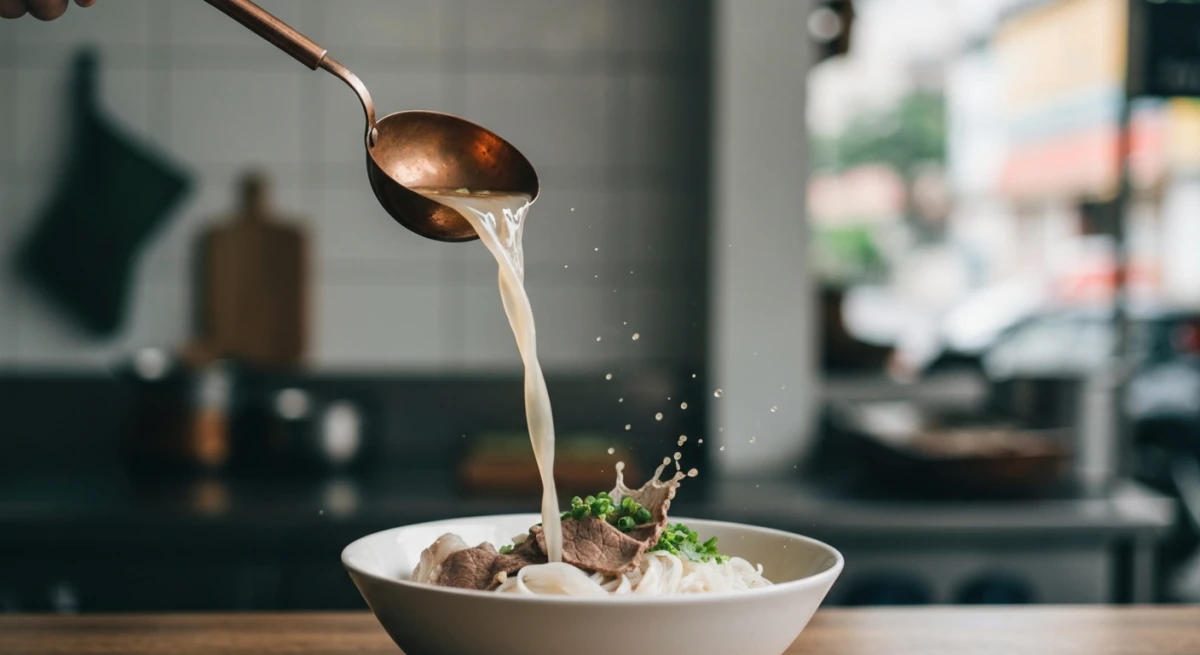
If you are searching for the ultimate culinary destination in Southeast Asia, your journey begins with the vibrant, chaotic, and utterly delicious world of vietnamese food in ho chi minh. Formerly known as Saigon, this sprawling metropolis is a cultural melting pot where recipes from every corner of the country collide. From steaming bowls of herb-laden noodle soups to crispy baguettes packed with rich pâté, eating here is not just a daily routine—it is a way of life. This guide will walk you through the absolute must-try dishes, the best districts for street food, and top-tier local restaurants to ensure you experience Ho Chi Minh City like a seasoned culinary insider.
The Soul of Southern Flavors: What Makes Saigon's Food Scene Unique?
To truly appreciate the vietnamese food in ho chi minh, one must first understand the geographical and cultural factors that shaped it. While Northern Vietnamese cuisine (centered around Hanoi) prides itself on simplicity and balanced seasoning, Southern Vietnamese food is a celebration of abundance, sweet-and-sour contrasts, and bold spices.
The South’s tropical climate, rich soil, and endless networks of rivers in the Mekong Delta provide an unmatched variety of ingredients. Fresh herbs, wild vegetables, freshwater fish, and succulent fruits are available year-round. This agricultural bounty is directly reflected on your plate. You will notice that almost every savory dish in Saigon is accompanied by a massive platter of fresh herbs—such as coriander, fish mint, Thai basil, and wild mustard leaves—designed to cut through rich fats and add a cooling, refreshing element to your meal.
Furthermore, Southern Vietnamese cooking has a distinct sweet profile. Sugarcane and coconut water are used as base liquids for broths and marinades, while coconut cream is frequently added to both sweet and savory recipes. This sweetness is often balanced with fresh lime juice, tamarind, and spicy bird's eye chilies to create the complex sweet-sour-spicy flavor profiles that define Southern cooking.
Historically, Ho Chi Minh City has also served as Vietnam’s largest melting pot. It is a city of migrants, where people from the North, Central, and Southern provinces have moved for opportunities, bringing their regional recipes with them. Over the generations, these recipes have adapted to local tastes. Additionally, the city’s deep Chinese heritage (particularly in District 5's Cholon district) and its French colonial history have heavily influenced the local culinary identity. The result is a highly adaptive, creative food culture where innovation is prized just as highly as tradition. This dynamic environment is why exploring vietnamese food in ho chi minh is such an exciting culinary adventure.
The Core Must-Try Dishes in Ho Chi Minh City
If you are planning your eating itinerary, these are the essential dishes that represent the very best of vietnamese food in ho chi minh. We’ve skipped the generic recommendations to provide you with the exact spots where locals actually go to get their daily fix.
1. Cơm Tấm (Broken Rice)
There is no dish more synonymous with Saigon than Cơm Tấm. Originally a humble peasant meal made from "broken" rice grains that were damaged during the milling process and unsellable to wealthy merchants, it has evolved into the city's ultimate breakfast and late-night comfort food. The fractured rice grains have a unique, fluffy texture that absorbs savory sauces beautifully.
A standard plate of Cơm Tấm Sườn Nướng features a thin, charcoal-grilled pork chop marinated in honey, lemongrass, garlic, and fish sauce. It is accompanied by chả trứng (a savory steamed pork-and-egg meatloaf), bì (shredded pork skin tossed in toasted rice powder), mỡ hành (scallion oil), and crispy pickled vegetables. Everything is brought together by a generous pour of warm, sweet, and spicy garlic-chili fish sauce. For the ultimate local experience, order a side of fried egg with a runny yolk to mix into your rice.
- Where to eat it:
- Cơm Tấm Nguyễn Văn Cừ (74 Nguyễn Văn Cừ, District 5): Famous for serving the most luxurious, thick, and perfectly caramelized pork chops in the city. It is pricier than standard stalls, but the quality of the meat is unmatched.
- Cơm Tấm Ba Ghiền (84 Đặng Văn Ngữ, Phú Nhuận District): A legendary Michelin Bib Gourmand-recommended spot where the massive pork chops hang off the edge of the plate.
2. Hủ Tiếu Nam Vang (Phnom Penh Noodle Soup)
While Pho gets all the global attention, Hủ Tiếu Nam Vang is the true champion of the Southern Vietnamese noodle scene. Originating from Cambodian and Chinese traders who settled in the Mekong Delta, this dish represents the cultural cross-pollination of the region.
The heart of Hủ Tiếu is its rich, clear broth brewed from pork bones, dried squid, and rock sugar. The dish is loaded with tapioca noodles (which have a delightfully chewy bite), minced pork, sliced pork loin, quail eggs, plump shrimp, and optional organ meats like liver and heart. You can order it two ways: Hủ Tiếu Nước (served in the hot broth) or Hủ Tiếu Khô (noodles served dry, tossed in a sweet-savory soy-based sauce, with the hot broth served in a separate bowl on the side).
- Where to eat it:
- Hủ Tiếu Nhân Quán (122D Cách Mạng Tháng 8, District 3): A highly popular local chain known for its pristine ingredients, rich broth, and fast, efficient service.
- Hủ Tiếu Thanh Xuân (62 Tôn Thất Thiệp, District 1): Operating since 1946, this historic spot serves a unique version of dry Hủ Tiếu topped with a secret crab-paste sauce that has kept locals coming back for decades.
3. Bánh Mì (The Ultimate Vietnamese Sandwich)
The French may have introduced the baguette to Vietnam, but the Saigonese perfected it. By adding rice flour to the dough to make the crust incredibly crispy and light, and stuffing it with an array of rich, savory ingredients, they created an international culinary icon.
A classic Saigon-style Bánh Mì is a symphony of textures and flavors. It begins with a thick smear of rich chicken liver pâté and home-style egg mayonnaise. Next comes layers of cold cuts including chả lụa (pork roll), headcheese, and cured pork belly. This heavy meat layer is perfectly balanced by fresh cucumber spears, cilantro, raw scallions, pickled white radish and carrots (đồ chua), and a fiery kick of fresh bird's eye chilies.
- Where to eat it:
- Bánh Mì Huỳnh Hoa (26 Lê Thị Riêng, District 1): Often called the "heavyweight champion" of Bánh Mì, this legendary shop serves sandwiches so packed with meat and pâté that one roll easily feeds two people. Prepare to wait in a fast-moving queue.
- Bánh Mì Bảy Hổ (19 Huỳnh Khương Ninh, District 1): If you want a more historic and balanced street sandwich, visit this humble stall which has been operating for over 80 years. Their home-steamed pâté is incredibly fragrant and smooth.
4. Ốc (Sidewalk Snails and Shellfish)
You cannot claim to have experienced authentic vietnamese food in ho chi minh without sitting on a tiny plastic stool on a smoky sidewalk, surrounded by plates of freshwater and marine snails (ốc). Snails are a massive part of Saigon’s social culture, typically enjoyed in the evening with close friends and plenty of ice-cold local beer.
There are dozens of varieties of snails, clams, cockles, and crabs available. They are prepared to order in a variety of cooking styles: stir-fried in sweet and sour tamarind glaze (xào me), roasted with chili salt (rang muối), smothered in a rich garlic butter sauce (xào bơ), or steamed with fresh lemongrass and ginger.
- Where to eat it:
- Vĩnh Khánh Street (District 4): This lively street is the undisputed capital of snail dining in Saigon. As night falls, the street transforms into a sensory feast of smoking grills, live music, and bustling crowds.
- Ốc Oanh (534 Vĩnh Khánh, District 4): The most famous spot on the street, renowned for its massive sweet snails stir-fried in garlic butter and spicy grilled crab claws.
5. Bún Thịt Nướng (Grilled Pork Vermicelli Noodle Bowl)
For those hot tropical afternoons when a steaming bowl of soup feels too heavy, Bún Thịt Nướng is the perfect alternative. It is a refreshing, cold noodle dish that strikes a flawless balance between smoky, savory, sweet, and fresh.
The dish consists of a bed of cold rice vermicelli noodles topped with thinly sliced, charcoal-grilled pork that has been marinated in lemongrass, sesame, garlic, and fish sauce. It is accompanied by crispy fried spring rolls (chả giò), a mountain of finely shredded lettuce, herbs, cucumber, pickled vegetables, crushed roasted peanuts, and a spoonful of scallion oil. You douse the entire bowl in sweet, garlicky fish sauce and mix it together for a perfect bite every time.
- Where to eat it:
- Bún Thịt Nướng Kiều Giang (139 Đề Thám, District 1): Conveniently located near the backpacker district, this long-standing restaurant serves excellent, consistently high-quality grilled pork with incredibly crispy spring rolls.
- Bún Thịt Nướng Chị Tuyền (175 Cô Giang, District 1): A local favorite famous for its generous portions and the addition of succulent stir-fried beef (thịt bò xào) alongside the traditional grilled pork.
6. Bánh Xèo (Sizzling Crispy Crepe)
Named after the loud sizzling sound (xèo) the batter makes when poured into a scorching hot skillet, Bánh Xèo is a massive, crispy rice-flour crepe colored yellow with turmeric. The Southern style is significantly larger and thinner than its Central Vietnamese counterpart, resulting in an incredibly delicate, paper-thin crust.
The crepe is filled with pork belly, whole shrimp, mung beans, and a handful of sweet bean sprouts. To eat it, you tear off a piece of the hot crepe, wrap it inside a giant mustard green leaf or lettuce leaf along with fresh herbs (like fish mint and Thai basil), roll it up tightly, and dip it into a sweet, tangy chili fish sauce.
- Where to eat it:
- Bánh Xèo Đinh Công Tráng (46A Đinh Công Tráng, District 1): Tucked away in a quiet alley near the famous Pink Church, this historic spot has been serving some of the crispiest, most satisfying Bánh Xèo in Saigon for decades.
Navigating Ho Chi Minh City’s Food Districts like a Local
One of the most exciting aspects of exploring the culinary landscape of Saigon is discovering how different neighborhoods boast their own distinct food personalities. To find the very best vietnamese food in ho chi minh, you need to venture outside of the main tourist zones and explore the local districts.
District 1: The Modern Fusion and Classic Street Food Hub
While District 1 is the commercial heart of the city, filled with luxury hotels and shopping malls, it still holds plenty of culinary treasures.
- Cô Giang Street: A fantastic alternative to the overly touristy Ben Thanh market area. This long street comes alive in the evening with local vendors selling smoky grilled pork, beef wrapped in betel leaves (bò lá lốt), and fresh seafood.
- The Cafe Apartments (42 Nguyễn Huệ): This historic nine-story residential building has been transformed into a vertical maze of trendy boutique cafes, tea houses, and local restaurants. It is the perfect place to grab a traditional Vietnamese iced coffee (cà phê sữa đá) or a modern bowl of noodles while enjoying panoramic views of the walking street below.
District 3: Trendy Alleys and Snack Paradises
District 3 sits right next to District 1 but offers a significantly more residential, leafy-green atmosphere with lower prices and highly concentrated culinary spots.
- Nguyễn Thượng Hiền Street: Known throughout Saigon as the ultimate "snack street." It is incredibly narrow and packed with small stalls selling Bánh Tráng Trộn (a highly addictive street snack made of shredded dry rice paper tossed with beef jerky, quail eggs, green mango, fresh herbs, and chili oil). It is also an excellent street for fresh fruit juices and cheap local beers.
District 4: The Street Food Kingdom
Once a rough-and-tumble port district, District 4 has evolved into the ultimate street food haven of Saigon. It is geographically small, meaning you can easily explore its dense network of alleys on foot.
- Chợ 200 (Xóm Chiếu): This residential market area is a maze of food stalls operating from morning until late at night. Here you can find incredibly cheap bowls of crab noodle soup (bánh canh ghẹ), fried chicken skin, and traditional sweet dessert soups (chè).
- Vĩnh Khánh Street: As mentioned, this is the premier destination for snail lovers and late-night seafood feasts.
District 10: The Masterclass in Local Street Eats
If you want to completely escape the tourist trail, head straight to District 10.
- Hồ Thị Kỷ Flower Market: While it is the city's largest wholesale flower market by day, at night it hosts a chaotic, vibrant street food bazaar. It features over a hundred food stalls selling everything from Cambodian-style grilled skewers and steamed snails to sweet coconut ice cream and spicy peach teas. It is popular with local university students, ensuring prices remain incredibly low.
Fine Dining and Authentic Restaurants in Saigon
While street food is the undisputed heart of the city, sometimes you want a break from the heat, humidity, and exhaust fumes. Fortunately, the options for high-quality, air-conditioned dining that preserve the absolute authenticity of vietnamese food in ho chi minh are exceptional.
Cục Gạch Quán: Nostalgic, Family-Style Home Cooking
If you want to experience the comforting, slow-cooked dishes that Vietnamese grandmothers make for their families, Cục Gạch Quán is an absolute must-visit. Set inside a beautifully restored vintage colonial house with a lush courtyard garden and Koi pond, the restaurant's philosophy is "eat green, live healthy."
The menu is an extensive, beautifully bound book of traditional dishes. They specialize in rustic, home-style plates like caramelized claypot pork belly (thịt kho tộ), lemongrass and chili fried tofu, and stir-fried pumpkin flowers with garlic. The seasoning is delicate, focusing on high-quality, fresh ingredients rather than heavy MSG.
- Address: 10 Đặng Tất, District 1
Ănăn Saigon: Michelin-Starred Street Food Innovation
For a truly unique culinary experience, Ănăn Saigon is the only restaurant in Ho Chi Minh City to hold a prestigious Michelin star. Head Chef Peter Cuong Franklin, a pioneer of modern Vietnamese cuisine, takes classic street food dishes and elevates them using sophisticated Western techniques and luxury ingredients.
Here, you can try their world-famous "$100 Bánh Mì" (featuring French foie gras, black truffles, and caviar) or their modern, deconstructed takes on Pho and Bun Cha. The restaurant is located in the middle of a bustling wet market, creating a beautiful contrast between old-school Saigon and cutting-edge gastronomy.
- Address: 89 Tôn Thất Đạm, District 1
Mặn Mòi (Spice Bistro): A Journey Through Regional Flavors
Mặn Mòi is a gorgeous, upscale restaurant that takes diners on a comprehensive tour of Vietnam's diverse regional cuisines. The menu is divided by region (North, Central, and South), allowing you to compare how different climates and cultures flavor their foods.
With beautiful outdoor garden seating, soft ambient lighting, and impeccable presentation, it is the perfect spot for a romantic dinner or a celebratory meal. Don't miss their regional dipping sauce platters or their claypot braised fish.
- Address: 12 Phạm Ngọc Thạch, District 3
Hum Vegetarian: World-Class Plant-Based Dining
Vietnam has a rich Buddhist tradition, meaning vegetarian (chay) cuisine is highly developed. Hum Vegetarian takes plant-based dining to an extraordinary level. The restaurant is designed as a tranquil oasis of calm, featuring natural wood elements, lush tropical plants, and soothing water features.
The dishes are crafted from fresh, locally sourced organic vegetables, nuts, and herbs, designed to promote wellness. Standout dishes include their steamed mushrooms in coconut shell, deep-fried lotus root with salted egg sauce, and fragrant brown rice cooked in lotus leaves.
- Address: 32 Võ Văn Tần, District 3
Crucial Tips for a Safe and Authentic Saigon Street Food Adventure
Eating street food in Saigon is an incredibly rewarding experience, but it can be intimidating for first-time visitors. Follow these expert tips to ensure your food adventure is safe, fun, and delicious:
Look for High Customer Turnover: The golden rule of street food safety is simple: eat where it is busy. High customer turnover means the ingredients are fresh and haven't been sitting out in the tropical heat. If a stall is packed with local families or students, it is almost guaranteed to be safe and delicious.
Decipher the Word "Chay" (Vegetarian): If you are vegetarian or vegan, look out for the word Chay. Restaurants displaying "Quán Chay" or "Cơm Chay" serve entirely vegetarian menus (which are usually vegan-friendly as dairy is rarely used in traditional cooking). Additionally, on the 1st and 15th of the lunar month, many local Buddhists eat vegetarian, meaning street vendors will offer specialized meat-free options.
Embrace the "Nhậu" Culture: To eat like a true local, you must experience Nhậu—the Southern Vietnamese art of social drinking and eating. It is about slow pacing, ordered snacks, and continuous conversation. Find a lively sidewalk spot, order a plate of grilled snails or spicy hotpot, grab a glass of local beer (poured over a massive block of ice), raise your glass, and join in the local cheer: "Một, Hai, Ba, Dô!" (One, Two, Three, Cheers!).
Is the Ice Safe? Almost all food establishments and street stalls in Ho Chi Minh City use purified "tube ice" (đá bi) produced by commercial factories. This ice is perfectly safe for consumption. If you see ice that has been shaved from a massive, dirty block on the ground, avoid it, but the standard cylindrical tube ice is absolutely fine.
Always Carry Cash: While high-end restaurants accept credit cards, 95% of street food vendors only accept cash. Keep a selection of small denomination bills (10,000 to 50,000 VND) in your pocket to make paying for your street eats quick and easy. Many vendors also use VietQR for instant bank transfers, but cash remains the most foolproof method for international travelers.
Frequently Asked Questions (FAQ)
Is street food in Ho Chi Minh City safe to eat?
Yes, street food in Ho Chi Minh City is generally safe to eat, provided you exercise basic precautions. Always choose stalls with high customer turnover, as this ensures the food is prepared fresh and not left sitting out. Look for clean, organized cooking areas, and ensure your hot food is served steaming hot.
What is the difference between Pho in Hanoi and Ho Chi Minh City?
Pho in Hanoi (Northern-style) features a clearer, simpler, and more delicate beef broth, wider noodles, and is served with minimal garnishes—usually just a squeeze of lime and some chili sauce. Southern-style Pho (found in Ho Chi Minh City) features a sweeter, highly seasoned broth cooked with roasted onions and ginger, thinner noodles, and is served with a mountain of fresh herbs (basil, cilantro, culantro) and dipping sauces like hoisin and Sriracha.
How much does a typical street food meal cost in Saigon?
Street food in Saigon is incredibly affordable. A standard bowl of noodles (like Pho or Hu Tieu) or a plate of broken rice (Com Tam) will cost between 30,000 and 60,000 VND ($1.20 to $2.50 USD). A Banh Mi sandwich ranges from 15,000 to 45,000 VND ($0.60 to $1.80 USD).
Can vegetarians find good food in Ho Chi Minh City?
Absolutely! Thanks to Vietnam's strong Buddhist heritage, vegetarian food (called "chay") is incredibly popular and widely available. Look for signs that say "Cơm Chay" or "Quán Chay" for fully vegetarian restaurants. High-end spots like Hum Vegetarian also offer world-class plant-based dining.
Conclusion
Exploring the world of vietnamese food in ho chi minh is a thrilling, sensory journey that will redefine your appreciation for Southeast Asian cuisine. From the sizzling grills of District 4 to the refined dining rooms of historic District 1, Saigon is a city that lives to eat. By stepping out of your comfort zone, embracing the busy sidewalk stools, and following the local crowds, you will discover why this dynamic city is celebrated as one of the greatest food capitals on Earth. Pack your appetite, keep an open mind, and prepare for a culinary adventure of a lifetime.