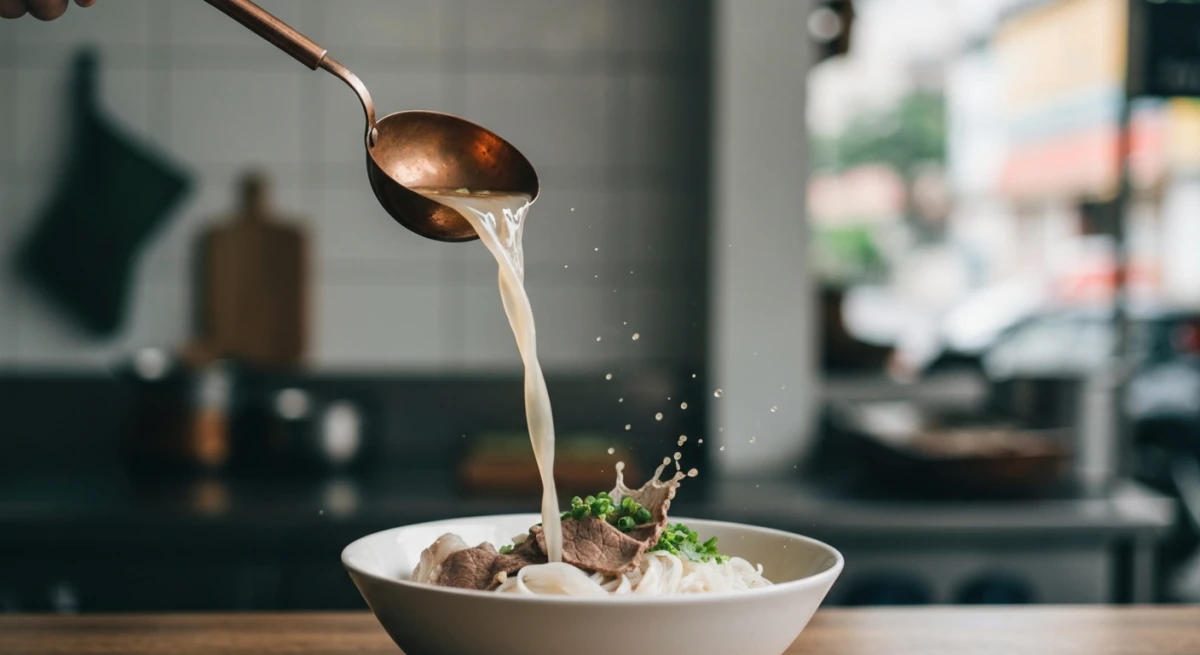
To truly understand Ho Chi Minh City, you have to pull up a tiny plastic stool on a crowded sidewalk, dodge a chaotic swarm of passing motorbikes, and inhale the heavy, intoxicating aroma of charred pork, bubbling herb-infused broth, and toasted sesame. Saigon does not hide its culinary soul behind the polished doors of upscale, air-conditioned dining rooms; it wears it proudly on its pavements. From the early morning steam of a roadside noodle soup stall to the late-night smoke of charcoal-grilled seafood alleys, eating on the street is a sensory, communal, and intensely delicious way of life here.
Whether you are a first-time traveler overwhelmed by the city's relentless energy or a seasoned foodie on the hunt for your next unforgettable meal, this comprehensive ho chi minh street food guide is your master key. We will bypass the sanitized tourist traps and dive straight into the historic alleys, local markets, and legendary culinary corridors across the city's numbered districts. Here is everything you need to know about what to eat, where to find it, and how to conquer Saigon's legendary street food scene like a seasoned local.
1. Icon of the Pavement: The 8 Street Food Holy Grails of Saigon
Saigon's street food scene is a beautiful, chaotic mosaic of regional influences. Migrants from the North, Central Highlands, and Mekong Delta have all brought their culinary traditions to the southern metropolis, adapting them to the sweet, vibrant, and herb-heavy Southern palate. While there are hundreds of dishes to explore, these eight iconic street foods are non-negotiable rites of passage.
Cơm Tấm (Broken Rice)
If Saigon had an official scent, it would be the smoke of marinated pork chops grilling over charcoal on the morning sidewalks. Cơm Tấm, which translates to "broken rice," was originally a humble dish born out of poverty. During the rice milling process, fractured grains were deemed unsellable to wealthy customers, so farmers and working-class locals ate them instead. Over time, Saigonese realized that these tiny, broken grains absorbed sauces and fats far better than whole rice. Today, it is the quintessential Saigon breakfast and late-night comfort meal.
The star of the plate is sườn nướng, a thin, heavily marinated pork chop grilled to sweet, smoky perfection. It is typically accompanied by bì (shredded pork skin and meat tossed in toasted rice powder), chả trứng (a savory steamed pork-and-egg meatloaf), and a fried egg (ốp la). The entire dish is brought to life by mỡ hành (scallion oil) drizzled over the rice and a generous dousing of sweet, garlicky, and slightly spicy fish sauce.
Where to find it: Cơm Tấm Ba Ghiền (84 Đặng Văn Ngữ, Phú Nhuận District) is a legendary, Michelin-selected institution famous for its massive, succulent pork chops that completely cover the plate. For an excellent option closer to the center, try Cơm Tấm Sà Bì Chưởng (179 Trần Bình Trọng, District 5).
Bánh Mì Sài Gòn (The Iconic Sandwich)
While you can find Bánh Mì all over Vietnam, the Saigon-style baguette is a class of its own—light, incredibly crispy, and stuffed with a mountain of ingredients. The classic version is bánh mì thịt nguội (cold cut bread). A fresh, airy baguette is sliced open, smeared with a rich layer of salty French pâté and homemade egg mayonnaise, and then packed with assorted Vietnamese charcuterie, including headcheese, steamed pork roll, ham, and savory pork floss.
What prevents this meat-heavy sandwich from feeling overly rich is the crucial addition of crisp cucumber strips, fresh cilantro sprigs, pickled daikon and carrots (đồ chua), and a fiery splash of bird's eye chilies. It is a perfect harmony of texture and flavor: savory, fatty, sweet, acidic, crunchy, and spicy all in one bite.
Where to find it: Bánh Mì Huỳnh Hoa (26 Lê Thị Riêng, District 1) is famous for its colossal, multi-layered sandwiches that easily feed two people. However, if you want a lighter, more historic bite, seek out Bánh Mì Bảy Hổ (23 Huỳnh Khương Ninh, District 1), which has been serving locals from a humble street cart since the 1930s.
Phở Sài Gòn (Southern-Style Beef Noodle Soup)
To appreciate the great Vietnamese noodle debate, you must understand that Phở in Saigon is a completely different beast than its northern counterpart in Hanoi. While Northern Phở is minimalist, prioritizing a clear, clean, and delicate broth, Southern Phở is loud, bold, and heavily customized. The broth is sweeter and richer, infused with charred onions, ginger, cinnamon, star anise, cloves, and cardamom.
The real fun begins when the bowl is placed in front of you. Southern Phở is always accompanied by a massive platter of fresh table herbs, including Thai basil, saw-leaf herb (ngò gai), rice paddy herb, and a mountain of blanched bean sprouts. You are expected to tear these herbs by hand and submerge them in the steaming broth. Additionally, locals swirl sweet hoisin sauce and spicy Sriracha directly into the broth, or create a small dipping dish of the sauces on the side to dip their rare beef (tái), tender flank (nạm), and bouncy beef meatballs (bò viên).
Where to find it: Phở Lệ (415 Nguyễn Trãi, District 5) is a highly celebrated, Michelin-selected spot that has perfected the rich, sweet, aromatic Southern broth.
Bột Chiên (Fried Rice Cake)
When the sun goes down, Saigon's griddle masters come out. Bột Chiên is a beloved street food snack that arrived with Chinese immigrants from the Chaoshan region and was eagerly adopted by the locals. Cubes of dense, chewy rice flour and tapioca starch are fried on a massive, sizzling flat-top cast iron griddle until they develop a deeply crispy, golden-brown crust while remaining soft and pillowy on the inside.
Just before the rice cakes are finished, the vendor cracks one or two eggs over them, scrambling them directly into the griddle to bind the crispy cubes together. A handful of chopped green scallions is thrown on top for a burst of color and aroma. The dish is served hot off the griddle, accompanied by a mount of crunchy, shredded raw green papaya and a bowl of sweet, tangy soy dipping sauce mixed with vinegar and chili.
Where to find it: Bột Chiên Đạt Thành (277 Võ Văn Tần, District 3) is a local favorite where the griddles are constantly hot, ensuring that perfect contrast of crispy exterior and chewy interior.
Bò Lá Lốt (Grilled Beef in Wild Betel Leaves)
If you are walking down a Saigon street and smell an aroma so sweet, smoky, and garlic-infused that it literally stops you in your tracks, you are likely near a Bò Lá Lốt stall. This dish consists of minced beef seasoned with garlic, shallots, lemongrass, and five-spice powder, which is then wrapped tightly into small, cylinder-shaped rolls using wild betel leaves (lá lốt).
The rolls are skewered and grilled over hot charcoal. As the betel leaves heat up, they release an incredible, herbaceous, and slightly medicinal oil that flavors and tenderizes the beef inside while keeping it remarkably juicy. To eat it, you are given sheets of rice paper, a basket of fresh herbs (including mint, perilla, and wild lettuces), slices of green banana, sour starfruit, and cucumber. You place a grilled beef roll onto the rice paper with the herbs, roll it up like a spring roll, and dip it into mắm nêm—a pungent, fermented anchovy sauce sweetened with crushed pineapple.
Where to find it: Bò Lá Lốt Cô Liêng (321 Võ Văn Tần, District 3) is a legendary spot that serves some of the most flavorful beef rolls in the city.
Ốc (Snails and Shellfish)
In Ho Chi Minh City, eating ốc (which translates literally to "snails" but broadly encompasses clams, oysters, scallops, and crab claws) is more than just dining—it is a cultural phenomenon. It is the ultimate expression of nhậu, the Vietnamese art of gathering after work with friends to drink cold beers, socialize, and snack on highly flavorful finger foods late into the night.
At a traditional quán ốc (snail stall), you will see metal basins overflowing with different varieties of freshwater and marine snails. You choose your shellfish and then choose your preparation method. The culinary options are endless: snails stir-fried with sweet and sour tamarind sauce (xào me), simmered in rich coconut cream (xào dừa), grilled with green peppercorns, roasted with chili-garlic salt, or smothered in rich salted egg sauce. Do not skip ordering a crispy French baguette (bánh mì) to soak up the leftover sauces.
Where to find it: Vĩnh Khánh Street in District 4 is the undisputed mecca of snail culture, and Ốc Oanh (534 Vĩnh Khánh) is its most famous, high-energy temple.
Bún Riêu Cua (Crab and Tomato Noodle Soup)
Bún Riêu is a rustic, comforting noodle soup that highlights the incredible depth of Vietnamese seafood broth. The base is made by boiling pork bones and tomatoes, which is then enriched with freshwater crab paste. The result is a vibrant, reddish broth that is intensely savory, sweet, and slightly acidic.
Floating in this delicious broth are thick rice vermicelli noodles, pieces of fried tofu that act like sponges absorbing the soup, tender tomatoes, succulent pork ribs, and slices of Vietnamese pork roll. Authentic versions also include a cube of savory, maroon-colored congealed pig's blood (huyết) and a large spoonful of riêu cua—a fluffy, cloud-like mixture of crab meat, shrimp paste, and beaten eggs. You season your bowl at the table with lime juice, fresh chilies, split water spinach stems, banana blossom shreds, and a dollop of pungent, fermented shrimp paste (mắm tôm) to unlock its true depth.
Where to find it: Bún Riêu Gánh (4 Phan Bội Châu, District 1), located right next to Ben Thanh Market, has been serving its legendary, deeply flavorful bowl to locals and travelers for over 40 years.
Bánh Xèo (Sizzling Crispy Crepe)
The name Bánh Xèo translates to "sizzling cake," a direct reference to the loud hiss the rice batter makes when poured onto a searing-hot, oil-slicked wok. The batter is made from rice flour, water, coconut milk, and turmeric powder, which gives the crepe its beautiful, bright golden color (often mistaken for egg).
Saigon's version of Bánh Xèo is massive—nearly the size of a large frying pan. The crepe is fried until the edges are thin, lacy, and shatteringly crisp. It is stuffed with a savory filling of pork belly slices, small river shrimp, onions, and fresh mung bean sprouts. Eating it is an interactive, messy affair. You tear off a piece of the crispy crepe, place it onto a large mustard green or lettuce leaf, pack it with fresh Vietnamese herbs (like mint, perilla, and sweet basil), roll it tightly into a green parcel, and dip it into a sweet-and-sour fish sauce dressing (nước chấm).
Where to find it: Bánh Xèo Đinh Công Tráng (46A Đinh Công Tráng, District 1) is a world-famous alleyway spot where you can watch the cooks skillfully manage rows of fiery woks over roaring flames.
2. Neighborhood Crawl: The Top 5 Street Food Hubs in Ho Chi Minh City
While you can find incredible food on almost every corner in Saigon, certain streets and neighborhoods have evolved into high-density culinary ecosystems. If you want to experience the true heartbeat of the city's food culture, escape the sterile tourist districts and plan a self-guided crawl through these five legendary street food hubs.
District 4: Vĩnh Khánh Street (The Seafood Highway)
District 4 was once infamous as a gritty, working-class neighborhood ruled by local gangsters. Today, it is completely safe and celebrated as one of the premier food destinations in Southeast Asia. Vĩnh Khánh Street is the undisputed epicenter. As the sun sets, this wide avenue transforms into a roaring, smoke-filled, open-air seafood party.
Tables and low plastic chairs spill out of open-front restaurants directly onto the asphalt. Hundreds of motorbikes weave through the smoke of outdoor charcoal barbecues, while live street buskers, fire-breathers, and pop singers provide a chaotic soundtrack. The primary draw here is ốc (snails and shellfish), hotpots, and grilled meats. It is loud, intense, and absolutely mesmerizing. Start your evening at Ốc Oanh or Ốc Đào, order a bucket of local Saigon beer on ice, and dive into plates of stir-fried sweet-and-sour tamarind snails and garlic-butter clams.
District 10: Hồ Thị Kỷ Flower & Street Food Market
During the daytime, Hồ Thị Kỷ is Ho Chi Minh City's largest wholesale flower market, filled with stunning mountains of roses, lilies, and orchids imported from Da Lat. But after 4:00 PM, the market's narrow side alleys undergo a magical transformation, morphing into a dizzying, neon-lit street food paradise featuring over one hundred stalls.
What makes Hồ Thị Kỷ incredibly unique is its diverse cultural heritage. Because District 10 has historically been home to a large Cambodian diaspora, you will find a fascinating array of Cambodian-Vietnamese fusion dishes that are difficult to find elsewhere in the city. You can snack on chè Campuchia (Cambodian dessert soups made with pumpkin custard and coconut milk), savory grilled beef skewers marinated in lemongrass and turmeric, spicy papaya salad with dried beef jerky, and deep-fried seafood skewers. The market is incredibly popular with local university students, meaning prices are remarkably cheap and the energy is contagiously youthful.
District 3: Nguyễn Thượng Hiền Street (Snack Alley)
If you are looking for a quick, high-impact snack crawl, head straight to Nguyễn Thượng Hiền Street in District 3. This narrow, incredibly congested street was officially designated as a street food pedestrian zone to accommodate the sheer volume of hungry locals who swarm the area every evening.
The street is globally famous as the birthplace of bánh tráng trộn (mixed rice paper salad), a modern, addictive street food staple. Vendors shred raw rice paper and toss it in a plastic bag with green mango julienne, fresh Vietnamese coriander, hard-boiled quail eggs, dried beef, crispy fried shallots, roasted peanuts, and a savory calamansi-chili dressing. It is the ultimate sweet, salty, sour, and spicy afternoon pick-me-up.
Where to start: Head to Bánh Tráng Chú Viên (38 Nguyễn Thượng Hiền), a legendary vendor where motorbikes line up three-deep on the street just to get their hands on his perfectly balanced, secret-sauce rice paper bags. Afterward, wander down the street to sample grilled meat skewers, fried shrimp baguettes, and cheap local fruit juices.
District 1: Cô Giang Street (The Local Escape)
If you are staying in the popular tourist or backpacker areas of District 1 (such as Bùi Viện or Phạm Ngũ Lão) and want an authentic street food experience without traveling far, Cô Giang Street is your sanctuary. Located just a fifteen-minute walk from the neon noise of Bùi Viện, this street feels like a different universe—a pure, unfazed slice of traditional Saigon street life.
As night falls, fluorescent shop lights illuminate giant boiling cauldrons of noodle soup and glowing embers of street-side grills. Cô Giang is particularly famous for three things: bún thịt nướng (cold rice vermicelli noodles topped with marinated grilled pork and crispy spring rolls), bò né (sizzling beef steaks served on hot iron cow-shaped plates with eggs, pâté, and baguettes), and smoky bò lá lốt.
Where to eat: Visit Bún Thịt Nướng Chị Tuyền (195 Cô Giang) for an exceptional, deeply satisfying bowl of grilled pork noodles that has earned a cult following among locals and international food writers alike.
Bình Thạnh District: Vạn Kiếp Street (The Multi-Genre Food Strip)
To experience a neighborhood completely untouched by Western tourism, cross over into Bình Thạnh District and explore Vạn Kiếp Street. This long, bustling thoroughfare connects two main residential areas and is packed with an extraordinary density of local food stalls. On Vạn Kiếp, you do not need a map; you simply let your nose guide you.
The street is a multi-genre food strip, meaning you can find almost every major Vietnamese dish here within a few hundred meters. It is particularly famous for bún mắm (a pungent, deeply flavorful Southern noodle soup made with fermented fish broth, seafood, crispy pork belly, and eggplant), bánh cuốn (delicate, steamed rice rolls filled with minced pork and wood-ear mushrooms), and roasted chicken. The vibe is hyper-local, the prices are incredibly low, and the diners are almost exclusively neighborhood residents enjoying a casual weeknight meal.
3. The Street Food Survival Guide: Health, Etiquette, and Practical Tips
Eating on the streets of Saigon is one of the most rewarding travel experiences in the world, but it can be intimidating for newcomers. To ensure your culinary adventure is safe, fun, and seamless, keep these practical, real-world survival tips in mind.
How to Spot a Safe Street Food Stall
The most common fear travelers have is "Saigon Belly" (food poisoning). However, street food in Vietnam is often far fresher than restaurant food because of the high turnover. To stay safe, follow the golden rule of street dining: eat where the locals eat.
Look for stalls that are packed with local families and young people. A busy stall means the ingredients are constantly being rotated and cooked fresh, rather than sitting out in the tropical heat. Additionally, choose stalls where you can see the cooking process. High-visibility cooking on a clean, stainless steel cart is a strong indicator of good hygiene.
The Truth About Ice and Tap Water
You should never drink untreated tap water in Vietnam. However, do not be afraid of the ice (đá) served in Saigon's street stalls and cafes. Most ice in the city is manufactured in professional, state-regulated ice factories using purified water.
The safe, factory-made ice is easily identifiable: it comes in clean, machine-cut cylindrical tubes with a hollow hole running through the center. Avoid crushed ice that looks like it was chipped manually from a giant, solid block, as those blocks are sometimes transported in unhygienic conditions. For drinking, stick to bottled water or freshly cracked coconuts.
Mastering the Table Condiments and Herbs
When you sit down at a street food stall, you will notice a colorful array of jars, bottles, and a basket of fresh herbs on the table. Do not ignore them—they are the key to unlocking the true flavor of your dish!
The herb basket (rau sống) is provided for free and is meant to be eaten. If you are eating noodle soup, tear the herbs by hand and submerge them in the hot broth to release their essential oils. If you are eating grilled meats or pancakes, use the herbs to wrap the food. On the table, you will usually find fresh limes, sliced chilies, pickled garlic (tỏi ngâm), chili paste, and fish sauce. Taste the dish first, then gradually add these condiments to adjust the sweet, sour, salty, and spicy balance to your personal preference.
Embrace the Street Etiquette (and the Trash)
Street food dining in Saigon is informal and fast-paced. When you sit on a tiny plastic stool, space is at a premium, so be prepared to share communal tables with friendly locals during peak hours.
One cultural quirk that often shocks first-time visitors is the state of the floor. In traditional street stalls, it is customary to drop used napkins, lime wedges, and food bones directly onto the ground beneath your table. The staff sweep the floor clean periodically throughout the night. Trying to stack dirty tissues on your tiny table actually clutters the space; just do as the locals do and drop them on the ground. When you are ready to pay, simply catch the server's eye and say "Tính tiền" (pronounced tinh teen).
Cash is King
While major restaurants and malls in Ho Chi Minh City accept credit cards, the street food economy runs entirely on cash. Always keep a stash of small Vietnamese Dong (VND) banknotes.
Bills in denominations of 10,000, 20,000, and 50,000 VND are your best friends. Handing a street vendor a 500,000 VND note (about $20 USD) for a 25,000 VND bowl of noodles is bad etiquette, as the vendor may not have enough cash on hand to give you change. Keep your cash in a secure pocket, and avoid pulling out large wads of bills on the street.
4. Frequently Asked Questions (FAQ)
Is street food in Ho Chi Minh City safe to eat? Yes, street food in Saigon is generally very safe and highly hygienic. Because street stalls operate with very limited storage space, vendors buy fresh ingredients from local markets every morning and sell out by the end of the day. To minimize risk, choose stalls with high customer turnover, ensure your food is served piping hot, and clean your chopsticks and spoon with a fresh paper napkin and a squeeze of lime juice before eating.
How much does a typical street food meal cost in Saigon? Street food in Saigon offers some of the best culinary value in the world. A standard plate of Cơm Tấm or a bowl of Phở at a street stall typically costs between 35,000 and 65,000 VND ($1.50 to $2.75 USD). Lighter snacks like Bánh Mì or Bánh Tráng Trộn range from 20,000 to 45,000 VND ($0.85 to $1.90 USD). A feast of seafood and snails for two on Vĩnh Khánh Street will usually cost between 200,000 and 400,000 VND ($8.50 to $17.00 USD) total, including drinks.
Where is the best night market for street food in Ho Chi Minh City? While the historic Bến Thành Night Market is famous, it has become highly commercialized, expensive, and geared toward tourists. For an authentic, high-energy local night market experience, the Hồ Thị Kỷ Flower and Street Food Market in District 10 is undisputed. It features over a hundred stalls serving incredible, affordable Vietnamese and Cambodian-fusion street foods in a vibrant, lively atmosphere.
How do I get around between different street food districts? The safest, cheapest, and most convenient way to travel between Saigon's street food hubs is by using ride-hailing applications like Grab or GoJek. You can book a car or, for the ultimate local experience, hop on the back of a Grab motorbike taxi. The apps provide transparent, pre-negotiated pricing, saving you from having to negotiate with local street taxis, and they track your route via GPS.
What should I do if I have a sensitive stomach? If you have a sensitive stomach or are new to Southeast Asian cuisine, ease your way into the street food scene. Start by eating at established, highly popular street-front shops rather than mobile sidewalk carts. Avoid raw blood puddings (tiết canh), stick to fully cooked meats, and choose bottled beverages without ice for your first couple of days until your gut bacteria adapts to the local environment. Keeping charcoal tablets and oral rehydration salts in your day pack is always a smart precaution.
Conclusion
Ho Chi Minh City's street food scene is not merely a collection of cheap places to eat; it is the vibrant, beating heart of the city's culture, history, and daily life. Every sizzling crepe, every smoky pork chop, and every steaming bowl of noodle soup tells a story of survival, migration, and culinary passion. By leaving the comfort of air-conditioned restaurants behind and pulling up a plastic stool on the crowded pavements, you are not just feeding yourself—you are participating in a rich, century-old social ritual. Pack your appetite, keep an open mind, and let the intoxicating aromas of Saigon's streets guide you on the culinary adventure of a lifetime.