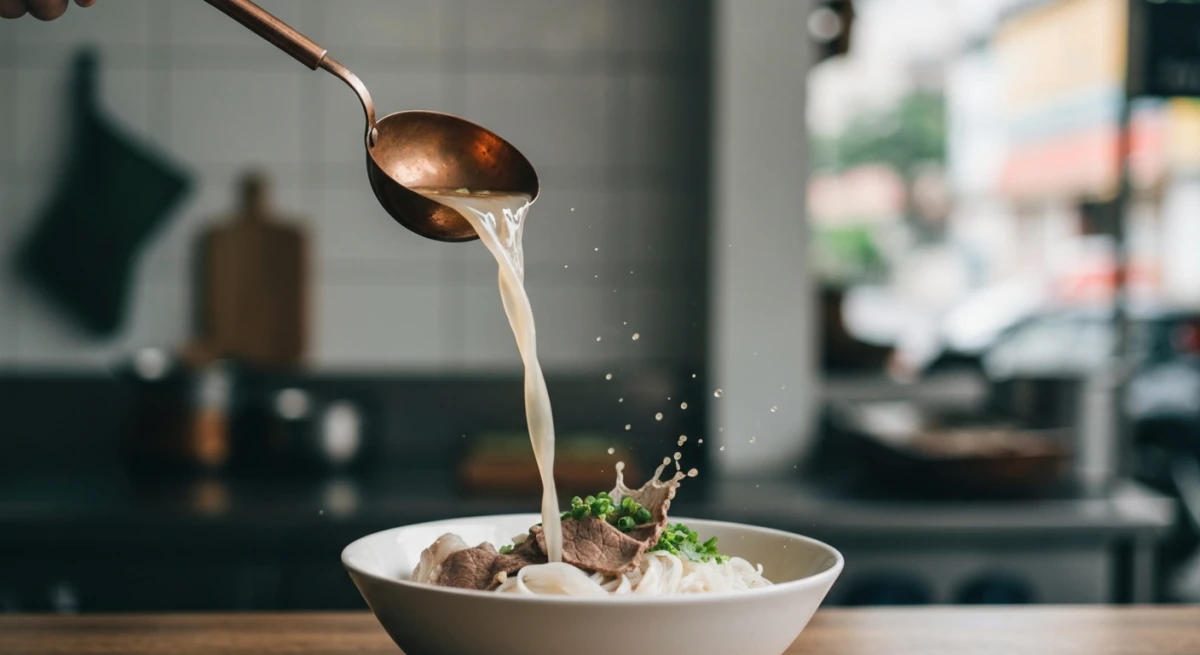
To truly understand Ho Chi Minh City—still warmly called Saigon by the people who walk its bustling streets—you have to eat your way through it. The sensory overload of this southern metropolis is best experienced on a tiny plastic stool, surrounded by the hum of millions of motorbikes, under the neon glow of a street-food stall, with a steaming bowl of noodles or a crispy baguette in hand. In recent years, Saigon's food scene has exploded in popularity, experiencing a monumental surge in culinary tourism as foodies from across the globe arrive to seek out authentic local flavors. Today, the city offers an unparalleled spectrum of dining, from humble, decades-old alleyway vendors to Michelin-recognized institutions and luxury avant-garde bistros. If you are on the hunt for the absolute best vietnamese food ho chi minh has to offer, this definitive guide will lead you through the dishes, the legendary spots, and the dining secrets you need to know.
1. The Soul of Saigon: Quintessential Local Dishes
While Vietnamese cuisine varies wildly from the chilly mountains of the north to the tropical flatlands of the Mekong Delta, Saigon is the ultimate melting pot. Here, traditional regional recipes have been elevated, sweetened, and perfected. If you only have a few days in the city, these are the legendary dishes you must hunt down.
Cơm Tấm (Broken Rice)
The story of Cơm Tấm is as rich as the sweet-and-savory fish sauce drizzled over it. Originally considered a peasant's breakfast in the agricultural Mekong Delta, the dish was made from broken rice grains—the fractured, unsellable leftovers from the milling process. Resourceful cooks discovered that these smaller grains, when steamed, absorb moisture and flavor beautifully, creating a distinct, fluffy texture that holds up against rich, smoky toppings. Today, Cơm Tấm is Saigon's quintessential comfort food, enjoyed by construction workers, office professionals, and international travelers alike.
A classic plate features a charcoal-grilled pork chop (sườn nướng) marinated in lemongrass, honey, shallots, garlic, and fish sauce. This is accompanied by bì (thinly shredded pork skin tossed with roasted rice powder), chả trứng (a savory steamed pork and egg meatloaf with wood-ear mushrooms), and a bright, sunnyside-up egg. It is served with pickled daikon and carrots, cucumber slices, and a generous splash of scallion oil (mỡ hành).
- Where to eat it: Cơm Tấm Ba Ghiền (84 Dang Van Ngu, Phu Nhuan District). This legendary spot holds a prestigious Michelin Bib Gourmand status. The open-air kitchen fills the neighborhood with the irresistible aroma of sweet pork smoke. Their pork chops are famously massive, tender, and deeply caramelized. For another high-end, locally revered option, visit Cơm Tấm Nguyễn Văn Cừ (74 Nguyen Van Cu, District 5), known for having some of the most meticulously grilled, juicy pork ribs in the city.
Bánh Mì
No trip to Vietnam is complete without eating Bánh Mì, and Saigon is the undisputed world capital of this iconic sandwich. Born from a colonial fusion of French baguettes and local ingredients, the Saigonese Bánh Mì is lighter, crispier, and far more heavily loaded than its northern counterparts. The secret lies in the bread itself—often made with a mixture of wheat and rice flour to ensure an ultra-crispy shell and a feather-light, airy interior that doesn't overwhelm the fillings.
A classic "Bánh Mì Thịt" is a masterclass in contrasting textures and flavors. It is heavily spread with rich, savory chicken liver pâté and homemade mayonnaise, then layered with an assortment of cold cuts (Vietnamese ham, cured pork, and headcheese). To balance the rich meats, vendors add crisp spears of cucumber, fresh cilantro leaves, spicy bird's eye chili, and a crunch of sweet-and-sour pickled white radish and carrots.
- Where to eat it: Bánh Mì Huỳnh Hoa (26 Le Thi Rieng, District 1). Often called the "heavyweight champion" of Saigon's Bánh Mì, this shop is famous for its heavily stuffed sandwiches. Packed with over ten layers of different meats, pâté, and floss, a single baguette is easily enough for two people to share. Expect long queues, but the fast-moving assembly line is a spectacle in itself. If you prefer a lighter, more classic, and incredibly crispy baguette, head to Bánh Mì Hồng Hoa (62 Nguyen Van Trang, District 1), where the bread is baked fresh on-site throughout the day.
Hủ Tiếu Nam Vang
While Pho reigns supreme in international media, the local favorite breakfast noodle in Saigon is undoubtedly Hủ Tiếu Nam Vang. This complex noodle soup trace its roots back to Phnom Penh, Cambodia (historically called Nam Vang in Vietnamese), and was heavily influenced by Teochew Chinese merchants before being fully customized by Saigonese palate.
The dish is characterized by its crystal-clear, deeply sweet broth made by simmering pork bones, dried squid, and daikon for hours. It is served with chewy, translucent tapioca noodles and topped with a diverse array of proteins: minced pork, sliced pork loin, whole shrimp, quail eggs, and pork liver. It is always accompanied by a towering plate of fresh greens, including Chinese celery, chives, and lettuce.
You can order Hủ Tiếu Nam Vang in two styles: nước (soup style) or khô (dry style). If you order it dry, the chewy noodles are tossed in a savory, dark soy-and-garlic sauce, while the steaming pork broth is served in a separate side bowl, allowing you to control the broth intake.
- Where to eat it: Hủ Tiếu Hồng Phát (389-391 Nguyen Trai, District 5). A Michelin Bib Gourmand recipient, this upscale, clean restaurant has been serving incredibly clean, comforting bowls of Hủ Tiếu since 1975. The broth is exceptionally clear, and the ingredients are remarkably fresh.
Bánh Xèo (Sizzling Crepe)
Named after the loud, sizzling sound the batter makes when poured onto a scorching hot skillet, Bánh Xèo is a delightful, hands-on dining experience. The Southern Vietnamese version of Bánh Xèo is massive—nearly the size of a pizza—thin, and exceptionally crispy. The batter is made from rice flour, water, and coconut milk, colored bright yellow with turmeric powder.
The crepe is filled with pork slices, small shrimp, mung beans, and a mountain of fresh bean sprouts, then folded in half. To eat it like a local, tear off a piece of the crispy crepe, wrap it in a large mustard green or wild lettuce leaf along with fresh herbs (mint, sweet basil, fish mint), roll it up tightly, and dip it into a sweet, garlicky fish sauce (nước chấm).
- Where to eat it: Bánh Xèo 46A (46A Dinh Cong Trang, District 3). Tucked away in a charming alley next to the famous Pink Church, this open-air restaurant is legendary for cooking its crepes over traditional, high-heat charcoal braziers. The resulting crepes have an incomparable smoky depth and perfect crunch.
2. The Great Pho Debate: Northern vs. Southern Style in Saigon
To understand the best vietnamese food ho chi minh offers, you must understand the cultural divide of Phở. Originating in the northern provinces near Hanoi, Pho migrated south in 1954 when hundreds of thousands of northerners moved to Saigon, bringing their traditional beef noodle soup with them. However, once it arrived in the sunny, prosperous south, the dish underwent a dramatic transformation.
Northern Pho (Phở Bắc) is characterized by its simplicity and purity. The broth is clear, delicate, and savory, relying on high-quality beef bones, charred ginger, onions, and a subtle blend of spices like cinnamon and star anise. It is served with wide, flat rice noodles, minimal green onions, and no fresh herbs. Southern Pho (Phở Nam), on the other hand, is a bold, sweet, and highly customizable affair. The broth is darker, cloudier, and sweet. The noodles are thinner, and it is served with an abundant plate of fresh herbs (sawtooth herb, Thai basil, mint), fresh bean sprouts, and squeeze bottles of hoisin sauce and sriracha.
The Best Southern-Style Pho
If you want the quintessential Southern Pho experience, go where the broth is sweet, the beef is tender, and the herb plates are overflowing.
Phở Lệ (303-305 Nguyen Trai, District 5). Located in the heart of Chinatown, Phở Lệ is considered by many locals to be the gold standard of Southern Pho. The broth here is incredibly robust, sweet, and rich with beef marrow. Order the Phở Tái Nạm (rare beef and flank) and don't forget to dip your beef slices in a small side dish of mixed hoisin and chili sauce.
Phở Hòa Pasteur (260C Pasteur, District 3). One of the oldest and most famous Pho establishments in HCMC, this multi-generational shop has been serving locals and tourists for decades. The atmosphere is classic, noisy, and fast-paced. On the tables, you'll find plates of Quẩy (fried dough sticks) to dip in your broth, as well as banana-leaf-wrapped pork sausages (Chả Lụa) to snack on while you wait.
The Best Northern-Style Pho in Saigon
For those who prefer a cleaner, more delicate broth that focuses entirely on the natural sweetness of beef bone marrow without the distraction of sweet sauces, Saigon still offers historic sanctuaries of Northern-style Pho.
- Phở Minh (63/6 Pasteur, District 1). Hidden deep down a quiet residential alleyway in District 1, Phở Minh has been cooking Northern Pho since the 1950s. The broth is remarkably clear, light, and fragrant, prepared with a closely guarded family recipe. Eating here feels like stepping back in time, far away from the modern neon-lit high-rises just outside the alley.
3. Beyond the Bowls: Seafood, Snail Culture, and Savory Snacks
Saigon’s culinary landscape extends far beyond noodles and rice. To eat like a true local, you must immerse yourself in the city's unique snack and night-eating cultures.
The Art of Eating Snails (Ăn Ốc)
In Saigon, eating snails (ốc) is not just about the food—it is a vital social ritual known as Nhậu (the culture of drinking, feasting, and socializing with friends after dark). Every evening, street-side seafood stalls set up plastic tables across the city, displaying basins of fresh sea snails, freshwater clams, crabs, and shellfish.
These delicacies are prepared in dozens of different styles. You can have them sautéed in sweet coconut milk (ốc len xào dừa), grilled with rich scallion oil and crushed peanuts (sò lông nướng mỡ hành), stir-fried in a rich, velvety salted egg yolk sauce (ốc hương trứng muối), or boiled with fragrant lemongrass and ginger. It is an incredibly flavorful, hands-on experience, washed down with icy mugs of local beer.
- Where to eat it: Ốc Oanh (534 Vinh Khanh, District 4). Located on Saigon's most famous street-food runway, this massively popular, high-energy spot serves fresh seafood cooked to absolute perfection. Try their grilled scallops with scallion oil or the crab claws stir-fried with chili salt. For a slightly more intimate and historic snail dining experience, look for Ốc Đào (212B/C79 Nguyen Trai, District 1), hidden in a quiet courtyard that fills up with local families every evening.
Bò Kho (Vietnamese Beef Stew)
If you crave a rich, slow-cooked meal, Bò Kho is a spectacular choice. Unlike thin soups, Bò Kho is a thick, highly aromatic beef stew flavored with lemongrass, star anise, cinnamon, cloves, and heavy tomato paste. It features melt-in-your-mouth chunks of beef chuck, soft tendon, and sweet carrots, garnished with fresh cilantro and raw onions. You can choose to eat it with an ultra-crispy French baguette (bánh mì) to scoop up the rich gravy, or poured over instant or flat rice noodles.
- Where to eat it: Bò Kho Gánh Sài Gòn (29 Ngo Thoi Nhiem, District 3). This cozy restaurant serves their signature beef stew in bubbling hot stone bowls, which keeps the broth boiling at your table, continuously developing the deep, aromatic spices as you dine.
Bò Lá Lốt (Grilled Beef in Betel Leaves)
Bò Lá Lốt is an incredibly flavorful, smoky street snack. Ground beef is seasoned with garlic, shallots, lemongrass, and spices, wrapped tightly in wild betel leaves (lá lốt) to look like small green sausages, and grilled over open charcoal. The heat of the coals releases the essential oils of the betel leaves, imparting a unique, peppery, herbaceous aroma to the juicy beef inside.
It is served with thin sheets of rice paper, dry vermicelli noodles, fresh herbs, sliced green bananas, starfruit, and a pungent pineapple-anchovy dipping sauce (mắm nêm).
- Where to eat it: Quán Ăn Cô Liêng (321 Vo Van Tan, District 3). This bustling restaurant has been a neighborhood favorite for decades, serving up some of the most aromatic and perfectly charred Bò Lá Lốt rolls in Saigon.
4. Where to Find Street Food Havens: HCMC’s Culinary Districts
While you can find incredible food on almost every corner in Saigon, certain neighborhoods stand out as legendary street-food hubs. If you want to go on a self-guided food crawl, head directly to these culinary districts.
District 4: The Seafood Capital
Historically a rugged port district, District 4 has transformed into the ultimate culinary playground for adventurous eaters. It features narrow, labyrinthine alleys where cars cannot fit, leaving the streets entirely to pedestrians, motorbikes, and food stalls.
- Vĩnh Khánh Street: As soon as the sun sets, this long street turns into an open-air seafood spectacular. Dozens of seafood stalls set up shop on the sidewalk, blasting music, grilling fish, and serving mountains of sea snails to thousands of hungry diners. It is the best place in the city to experience authentic Nhậu culture.
District 3: Leafy Alleys and Local Snacks
Just adjacent to the tourist center of District 1, District 3 is a charming area filled with French-era colonial villas, leafy green canopies, and amazing local food markets.
- Nguyễn Thượng Hiền Street: Famous across Vietnam as the "Street of Bánh Tráng Trộn" (mixed rice paper). This hyper-dense, vibrant snack is made of shredded rice paper tossed with chili oil, dried beef, dried squid, fresh quail eggs, sour mango julienne, Vietnamese coriander, and peanuts. Walking down this street is an incredible sensory experience, with hundreds of vendors selling local treats, juices, and skewers.
Cholon (Districts 5 and 6): Chinese-Vietnamese Fusion
Saigon’s Chinatown, known as Cholon, is one of the largest Chinatowns in the world. Dating back to the late 18th century, Chinese immigrants settled here, blending their culinary traditions with Southern Vietnamese ingredients. The food here is distinct: less spicy, sweeter, and heavily focused on slow-braised meats, hand-pulled noodles, and clay-pot cooking.
- What to eat here: Look for Mì Vịt Tiềm (braised duck leg noodle soup) where a whole, tender duck quarter is marinated in Chinese herbs, deep-fried, and then simmered in a rich broth served with chewy egg noodles. Also explore Tệm Cơm Toong Ký, a multi-generational stall in Cholon serving smoky clay-pot rice dishes fired over hot coals.
5. From Roadside to Refined: The Modern Evolution of Vietnamese Dining
As Saigon charges forward into the future, its culinary scene is evolving rapidly. While street food remains the beating heart of the city, a exciting wave of modern gastronomy has taken root. Today, creative local chefs are combining traditional flavor profiles with international culinary techniques, proving that Vietnamese food can be elevated into a luxurious, fine-dining experience.
The Rise of Art-Led and Fusion Concepts
For travelers who want to experience the rich heritage of Vietnamese flavors but seek a more sophisticated, comfortable, and creative setting, Saigon’s central districts now host a variety of boundary-pushing dining concepts.
ÚNU Cocktails & Eatery (District 1). This premier dining destination is a prime example of Saigon’s modern evolution. Framed around the philosophy of "Flavors Nourished by Art," ÚNU merges luxury art, striking architecture, and contemporary Vietnamese gastronomy. Traditional flavor notes are deconstructed and elegantly reimagined alongside bespoke, craft cocktails, offering a sensory, high-end experience that captures the creative energy of modern Saigon.
NUC Concept Kitchen & Bar (Central District 1). Another standout destination, this culinary establishment specializes in Vietnamese fusion, taking beloved comfort dishes from across the country and presenting them with innovative techniques, high-quality local ingredients, and stunning presentations that appeal to global palates.
6. The Local’s Playbook: How to Eat, Order, and Stay Safe in Saigon
Navigating the chaotic street-food scene of Saigon can be intimidating for first-time visitors. Follow these simple, practical rules to eat like a seasoned local while protecting your stomach.
How to Spot a Good Food Stall
The Crowd Factor: Never eat at an empty street food stall. Always look for vendors crowded with locals. High customer volume guarantees two things: the food is delicious, and the ingredient turnover is extremely fast, meaning your meats and seafood haven't been sitting out in the tropical heat.
The Single-Dish Specialty: The best street food vendors in Saigon do not have extensive menus. They do one thing, and they have spent thirty or forty years perfecting that single dish. If a stall sells Pho, Bun Bo Hue, Banh Mi, and fried rice all at once, keep walking.
What to Drink with Your Meals
Trà Đá (Iced Jasmine Tea): The ultimate savior in Saigon’s hot weather. It is incredibly refreshing, slightly bitter, and served at almost every street stall for a nominal fee (often less than 5,000 VND or even free). It is perfect for cleansing your palate between spicy bites.
Cà Phê Sữa Đá (Iced Milk Coffee): Strong, dark-roasted Vietnamese robusta coffee dripped through a metal filter (phin) directly over sweet condensed milk, served over crushed ice. It is sweet, incredibly strong, and a vital part of Saigon’s daily rhythm.
Nước Mía (Sugarcane Juice): Squeezed fresh on the street side using a roller mill, sugarcane stalks are pressed along with small calamansi citrus fruits to create a sweet, frothy, citrusy juice that is perfect for a midday energy boost.
Ordering and Table Etiquette
Asking for the Bill: When you are ready to pay, catch the eye of a staff member and say "Tính tiền" (pronounced "Ting Tee-en"), which translates to "calculate the money."
The Wet Wipe Rule: At many casual local eateries, you will find wrapped, wet paper towels (khăn lạnh) on your table. Note that these are not free; using them will add a tiny charge (about 2,000 to 5,000 VND) to your final bill. They are, however, incredibly useful for wiping your hands after eating messy dishes like Bánh Xèo.
Tipping Culture: Tipping is not traditionally expected at casual local restaurants or street food stalls in Vietnam. However, in mid-range restaurants, leaving the small change is a kind gesture, and in high-end establishments, a 5% to 10% tip is highly appreciated for exceptional service.
7. Frequently Asked Questions (FAQ)
Is street food safe to eat in Ho Chi Minh City?
Yes, street food in Ho Chi Minh City is generally very safe. In recent years, local tourism and health boards have implemented higher food hygiene standards. To minimize any risk of an upset stomach, always eat at busy stalls with high customer turnover, ensure your food is cooked hot to order, and drink water from sealed bottles. The ice (đá) used in HCMC is almost entirely factory-manufactured tube ice, which is perfectly safe for tourists to consume.
How much does a typical meal cost in Saigon?
Dining in Ho Chi Minh City is exceptionally affordable. A hearty bowl of street-side Pho, Cơm Tấm, or Hủ Tiếu will typically cost between 40,000 VND and 80,000 VND ($1.60 to $3.20 USD). A Bánh Mì on the street ranges from 25,000 VND to 60,000 VND ($1.00 to $2.40 USD). Even at Michelin-recognized Bib Gourmand spots, a full, satisfying meal rarely exceeds 150,000 VND ($6.00 USD) per person.
What are some vegetarian-friendly options in Saigon?
Saigon is a fantastic city for vegetarians. Due to Buddhist traditions, vegetarian food (Ăn Chay) is highly popular and widely available. Look for signs that say "Quán Chay" or "Cơm Chay". Many traditional dishes have spectacular vegetarian counterparts, using fresh mushrooms, tofu, and gluten-based mock meats to replicate the textures of classic Vietnamese dishes. Highly recommended spots include VK Kitchen for traditional vegan Hue-style dishes or the Michelin-selected Hum Garden in Thao Dien.
What is the difference between food in Hanoi and Saigon?
Hanoian food is traditional, delicate, and deeply balanced, focusing on clean, savory flavors with less spice and sugar. Southern Saigonese food is far more robust, sweet, and rich. Saigon cooks use much more coconut milk, fresh chilies, sugar, garlic, and a wider variety of fresh herbs. Saigon also acts as a culinary melting pot, absorbing tastes from Cambodia, Thailand, China, and France.
Conclusion: The Adventure on the Sidewalk
At the end of the day, finding the best vietnamese food ho chi minh city has to offer is about embracing the chaos. It is about wandering down narrow, dimly lit alleyways, following the sweet scent of caramelized pork, and pulling up a tiny blue plastic stool alongside locals. Saigon is a city that lives, breathes, and connects through its food. Whether you are enjoying a five-course art-inspired fusion meal in a luxury District 1 dining room or biting into a crispy, pâté-smeared Bánh Mì on a busy street corner, Saigon's incredible culinary scene will leave an indelible mark on your palate and your heart. Pack your appetite, leave your culinary comfort zone behind, and dive headfirst into one of the greatest food cities on earth.