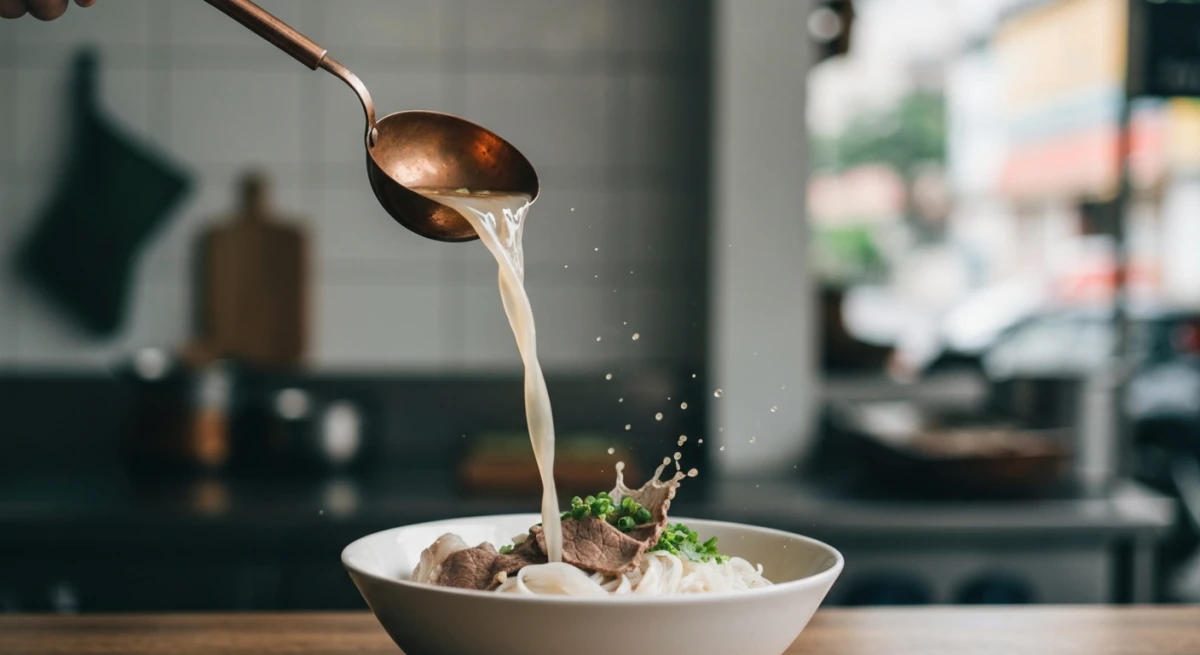
If you are planning a trip to Vietnam, you probably already know about the steaming bowls of beef pho in Hanoi or the sweet, herb-packed banh mi of Ho Chi Minh City. But if you truly want to experience the most exciting, dynamic, and unapologetically bold culinary landscape in the country, you need to head straight to Central Vietnam. Specifically, you need to dive headfirst into the spectacular world of local food Da Nang.
As a coastal metropolis nestled between the ancient imperial capital of Hue and the lantern-lit streets of Hoi An, Da Nang has spent centuries absorbing, adapting, and perfecting the culinary traditions of its neighbors while forging a distinct culinary identity of its own. Here, the seafood is harvested fresh daily from the East Sea, the greens are sourced from fertile river deltas, and the local cooks have a legendary affinity for bold chilies, pungent fermented dipping sauces, and contrasting textures that will make your taste buds sing.
Whether you are looking for a Michelin-approved bowl of duck porridge, a bustling street-side market stall where you can feast for pennies, or a hidden alleyway serving the creamiest peanut-sauce-drenched savory crepes, this ultimate guide will show you exactly how to navigate the local food Da Nang scene like a seasoned pro.
Why Da Nang Food is Different: Central Vietnam’s Bold Flavor Profile
To appreciate the local food Da Nang offers, you must first understand the geography and history that shaped it. Northern Vietnamese food is famously subtle, balanced, and comforting. Southern Vietnamese food leans sweet, coconut-heavy, and highly herbal. Central Vietnamese cuisine, however, is the rebel sibling of the family. It is loud, intensely flavored, heavily spiced, and incredibly complex.
Historically, the royal kitchens of Hue demanded sophisticated, artistic, and multi-layered dishes. Meanwhile, the surrounding agricultural provinces of Quang Nam and Quang Tri relied on rustic, hearty ingredients that could sustain farmers through demanding seasons. Da Nang stands at the crossroads of these two worlds. It pairs the intricate flavor pairings of royal cuisine with the earthy, satisfying textures of rustic farm food.
Furthermore, Da Nang's position directly on the coast means that seafood is not just a menu option—it is the very foundation of the city's seasoning. Locals do not just grill or fry fish; they dry it to intensify broths, ferment it into deep, umami-rich sauces, and cure it raw with forest herbs. When you sit down to eat in Da Nang, expect a sensory roller coaster of salty, sweet, sour, spicy, and bitter notes, often served alongside a mountain of raw greens and a stack of crispy rice paper.
The Holy Trinity of Da Nang Noodles: Mi Quang, Bun Cha Ca, and Bun Mam Nem
When it comes to local food Da Nang is most famous for, noodles reign supreme. But forget what you know about classic noodle soups; Da Nang’s noodle dishes are dry-tossed masterpieces or concentrated, flavor-packed broths that demand your full attention.
1. Mì Quảng (Quang-Style Noodles)
If Da Nang had an official culinary ambassador, it would undoubtedly be Mi Quang. Originating from the neighboring Quang Nam province, this dish is a magnificent, texture-rich creation that defies the traditional boundaries of soup.
- The Anatomy of the Dish: It starts with a bed of wide, flat rice noodles, often dyed a vibrant, sunny yellow using fresh turmeric. Unlike Pho, which swims in broth, Mi Quang is served with only a ladles-worth of highly concentrated, savory broth made from pork bones, dried shrimp, and shallots. It is topped with pork belly, sweet shrimp, quail eggs, and occasionally chicken or tender frog meat (Mì Quảng Ếch).
- The Crucial Accoutrements: What makes Mi Quang truly special is the final layer of texture. It is garnished with toasted sesame rice crackers (bánh tráng nướng), roasted peanuts, fresh scallions, and a massive plate of wild greens including banana blossoms, water mint, and lettuce.
- How to Eat It Like a Local: Break your rice cracker directly into the bowl. Add a generous squeeze of fresh lime, throw in a couple of raw green chilies if you dare, toss everything together so the noodles absorb the shallow broth, and enjoy a perfect bite of crunch, chew, spice, and herb.
- Where to Try It: Mì Quảng Bà Mua (95A Nguyễn Tri Phương) is a legendary chain loved by locals and visitors alike, while Mì Quảng Ếch Bếp Trang (24 Pasteur) serves a premium version featuring braised frog in individual clay pots.
2. Bún Chả Cá (Fish Cake Noodle Soup)
Being a coastal city, Da Nang has mastered the art of fish cakes. Bún Chả Cá is a breakfast and dinner staple that perfectly captures the fresh, sweet, and sour flavors of the sea.
- The Anatomy of the Dish: The broth is a golden, light, and naturally sweet elixir simmered for hours using fish bones, pumpkin, pineapple, tomatoes, and cabbage. It features thin rice vermicelli noodles topped with thick slices of steamed and fried fish cakes (chả cá) made from mackerel, barracuda, or lizardfish, seasoned heavily with garlic and pepper.
- The Flavor Profile: It is sweet, savory, and slightly tangy, offset by a dollop of pungent fermented shrimp paste (mắm tôm) and pickled red onions and chilies that you add at the table.
- Where to Try It: Bún Chả Cá Bà Phiến (137 Nguyễn Chí Thanh) has been serving this legendary soup for decades. The service is fast, the bowls are steaming hot, and the fish cakes have a perfect, bouncy texture.
3. Bún Mắm Nêm (Fermented Fish Sauce Noodles)
If you want to test your limits and eat like a true local, Bún Mắm Nêm is your ultimate challenge. It is a dish that divides travelers but unites locals in pure culinary bliss.
- The Anatomy of the Dish: This is a completely dry noodle dish. A bowl of cold rice vermicelli is topped with crispy-skinned roasted pork belly (heo quay), boiled pork, minced beef sausages (chả bò), boiled pig ears for crunch, raw green papaya, herbs, and roasted peanuts.
- The Star Ingredient: The entire dish is brought to life by a generous pour of mắm nêm—a thick, fermented anchovy sauce that is pungent, salty, sweet, and aggressively spicy, infused with crushed pineapple, garlic, lime juice, and bird’s eye chilies. It is a massive explosion of umami that hits you the moment the bowl is placed on your table.
- Where to Try It: Head down the narrow food alley of Kiệt 23 Hoàng Diệu to find Quán Vân Bún Mắm Nêm. It is noisy, crowded, and smelling strongly of fermented fish—exactly how you know the food is outstanding.
Hands-On Wrapping & Crispy Crepes: Banh Xeo, Nem Lui, and Banh Trang Cuon Thit Heo
In Da Nang, dining is often an interactive, tactile experience. Some of the most beloved local food Da Nang offers requires you to ditch the chopsticks, roll up your sleeves, and assemble your own perfect bites using your hands.
1. Bánh Xèo (Vietnamese Crispy Pancakes) & Nem Lụi (Lemongrass Pork Skewers)
While Banh Xeo can be found throughout Vietnam, Da Nang’s version is uniquely small, incredibly crispy, and served with a dipping sauce that will change your life.
- The Crepe: Made from a batter of rice flour, water, and turmeric, the crepe is ladled into a sizzling, oil-slicked pan until it develops a shatteringly crisp edge. It is stuffed with pork slices, small river shrimp, and fresh bean sprouts.
- The Skewer (Nem Lụi): Minced pork seasoned with garlic, shallots, and fish sauce is wrapped around fresh lemongrass stalks and grilled over glowing charcoal until smoky and caramelized.
- The Secret Dipping Sauce: Unlike Southern Banh Xeo, which is dipped in sweet fish sauce (nước chấm), Da Nang’s version is served with a thick, warm, savory brown sauce made from pork liver, ground peanuts, toasted sesame seeds, and soy sauce. It is rich, nutty, and utterly addictive.
- How to Wrap It: Lay a sheet of dry rice paper on your hand. Place a piece of crispy Banh Xeo and a mountain of fresh herbs (including lettuce, mint, and cucumber) on top. If you ordered Nem Lui, slide the grilled pork off its lemongrass spear and lay it in the center. Roll it up tightly, dip it deep into the warm liver-peanut sauce, and take a massive bite.
- Where to Try It: Bánh Xèo Bà Dưỡng (K280/23 Hoàng Diệu) is a legendary local institution. Tucked at the very end of a winding alleyway, this massive, chaotic eatery pumps out thousands of crispy crepes every single night.
2. Bánh Tráng Cuốn Thịt Heo (Pork Belly Wrapped in Rice Paper)
This dish sounds simple on paper, but its execution in Da Nang is an art form.
- The Pork: The star of the show is boiled pork belly. In Da Nang, skilled chefs slice the pork so expertly that each piece has a thin layer of skin on both ends (known as "thịt hai đầu da"). The meat is tender, succulent, and perfectly balanced between lean meat and fat.
- The Assembly: You are presented with a platter of thin, pliable rice paper, a plate of steamed rice sheets (bánh ướt), a mountain of up to a dozen different wild forest herbs, sliced green bananas, starfruit, cucumber, and the iconic mắm nêm dipping sauce.
- The Technique: You place a sheet of dry rice paper down, layer a soft sheet of wet steamed rice cake over it (this prevents the dry paper from tearing), add your forest herbs and sour fruits, place a slice of pork belly in the center, roll it into a neat cylinder, and dip it in the spicy fermented anchovy sauce.
- Where to Try It: Quán Trần (4 Lê Duẩn) is famous for serving a clean, high-quality version of this dish with an incredibly diverse herb platter.
Coastal Treasures & Hidden Delicacies: Goi Ca Nam O to Michelin Comforts
With miles of pristine coastline stretching along the city, no guide to local food Da Nang would be complete without exploring its marine treasures and high-value hidden culinary gems.
1. Gỏi Cá Nam Ô (Nam O Raw Fish Salad)
Often described as the "Vietnamese sashimi," this dish originates from the ancient fishing village of Nam O, located at the foot of the Hai Van Pass.
- The Fish: Freshly caught herring (cá trích) is immediately deboned, sliced thin, and pressed dry to remove any fishy taste.
- The Dry vs. Wet Style: You can order it "dry" (gỏi cá khô), where the fish is tossed in a mixture of toasted rice powder (thính), roasted sesame, ginger, garlic, and finely minced chilies. Or you can order it "wet" (gỏi cá ướt), where the fish is marinated in a sweet, spicy, and tangy sauce made from fish sauce, lime, and chilies.
- The Herbs: The salad is wrapped in wild, bitter forest herbs gathered from the slopes of the Hai Van Pass, which help balance the rich oils of the fish and aid digestion.
- Where to Try It: Gỏi Cá Thanh Hương (1029 Nguyễn Lương Bằng) is an authentic local spot located near Nam O village that has been serving this specialty for generations.
2. Michelin-Starred Comfort: Quán Nhân's Duck Porridge (Cháo Vịt)
In recent years, the international culinary world has turned its eyes toward Da Nang, resulting in several local street food spots receiving coveted Michelin recognition. One standout is Quán Nhân, which earned a Bib Gourmand for its incredible duck porridge (Cháo Vịt).
- The Dish: A local breed of duck from Cam Nam Island gets the slow-simmer treatment with rice, mung beans, and coix seeds in a rich, velvety duck broth. The result is a comforting, silky porridge that warms the soul.
- The Experience: Order a plate of poached duck or a zesty, refreshing duck salad tossed with shredded cabbage, fresh herbs, fried shallots, and a sweet, gingery dipping sauce. Dip the tender duck meat into the ginger sauce, take a spoonful of the hot, savory porridge, and you will instantly understand why Michelin inspectors fell in love with this humble spot.
- Where to Find It: Quán Nhân (83 Phan Tứ, Mỹ An, Ngũ Hành Sơn).
The Ultimate Da Nang Food Maps: Con Market vs. Châu Thị Vĩnh Tế Street
If you want to experience the highest concentration of local food Da Nang has to offer without spending hours traveling across town, you need to head to the city's culinary epicenters. While tourists flock to Han Market, true local food lovers head to Con Market and the vibrant student food strip of Châu Thị Vĩnh Tế.
Con Market (Chợ Cồn): The Indoor Food Museum
Located at 290 Hùng Vương in the heart of the Hai Châu district, Con Market is the beating culinary heart of Da Nang. Originally established in the 1940s on a high sand dune, this massive wholesale market is a chaotic, sensory-overload paradise for food lovers.
- The Food Court (Khu Ẩm Thực): Inside the market, you will find a highly organized food court split into clean, numbered stalls. Here, friendly female vendors sit behind massive metal bowls piled high with fresh ingredients.
- What to Eat: You can start with a bowl of Bánh Canh (a thick tapioca noodle soup with crab or pork), move on to Bánh Bèo (steamed water fern rice cakes served in tiny ceramic cups with dried shrimp and scallion oil), and finish with Ốc Hút (freshwater snails simmered in a fragrant, spicy lemongrass and chili broth, which you literally suck out of their shells).
- Sweet Finishes: Don't leave without trying Chè (Vietnamese sweet dessert soups). The avocado ice cream sweet soup (chè bơ) is incredibly rich, creamy, and refreshing on a hot afternoon.
- Timing Tip: The indoor food stalls open early, but the real magic happens around 4:00 PM when the outdoor street food vendors set up along the perimeter of the market, turning the entire area into a massive open-air night market.
Châu Thị Vĩnh Tế: The Student Food Highway
Located in the Ngũ Hành Sơn district near several university campuses, Châu Thị Vĩnh Tế Street is a one-kilometer-long treasure trove of hyper-affordable, creative street food that visitors often miss.
- The Vibe: This street comes alive after dark. It is loud, vibrant, packed with motorbikes, and lined with tiny plastic stools spilling onto the sidewalks. Grills smoke in back alleys, and the smell of sizzling meats fills the air.
- Must-Try Dishes:
- Bánh Ép Huế: A unique Hue-style crepe made by pressing seasoned tapioca starch, pork, egg, and green onions between two heavy, hot iron plates. The result is a thin, chewy, and crispy pancake wrapped in fresh herbs and dipped in sweet-sour fish sauce. Try it at Bánh Ép Huế 1998 (224 Châu Thị Vĩnh Tế).
- Bột Chiên: Crispy fried rice flour cakes cooked on a flat flat-top grill with eggs, topped with green onions and served with a tangy soy dipping sauce and shredded green papaya.
- Sữa Chua Muối (Salted Yogurt): A quirky Da Nang specialty. Tiny plastic cups of sweet, creamy, slightly icy homemade yogurt are served with a small plate of coarse sea salt. You dip your spoon into the salt before taking a bite of the yogurt, creating an incredible sweet-and-salty flavor profile.
Practical Tips for Navigating the Da Nang Local Food Scene
Eating street food in Da Nang is an unforgettable adventure, but a few practical tips will help you navigate the scene with confidence, comfort, and safety.
- Follow the Crowds: The golden rule of street food globally applies heavily here. If a stall is packed with locals sitting on tiny plastic stools, the food is guaranteed to be fresh, delicious, and highly safe. High turnover means the ingredients do not sit around.
- Embrace the Ice (With Caution): Da Nang is hot, and you will want cold drinks. Major restaurants and popular street food stalls use factory-produced ice (cylindrical with a hole in the middle), which is perfectly safe to consume. Avoid crushed ice from sketchy, slow-moving stalls.
- Learn the Table Etiquette: Tables are stocked with fresh limes, garlic cloves, raw chilies, and various sauces. Don't be afraid to customize your bowl! Also, look under the table for a small trash can to discard your used napkins (khăn giấy)—keeping the table clean is highly appreciated.
- Keep Small Cash Handy: Most street food vendors do not accept credit cards. Keep a stash of small Vietnamese Dong banknotes (10,000, 20,000, and 50,000 VND) handy. Paying for a 30,000 VND bowl of noodles with a 500,000 VND bill can be difficult for small vendors to change.
Local Food Da Nang: Frequently Asked Questions (FAQ)
Is Da Nang local food very spicy?
While Central Vietnamese food is famous for using more chili than Northern or Southern cuisines, most dishes are not overwhelmingly spicy by default. Instead, the intense spice is served on the side in the form of fresh green chilies, chili sauce, or chili oil. This allows you to control the level of heat yourself. The only exception is Bún Mắm Nêm, which often has chili mixed directly into the fermented sauce, so be sure to ask for "không cay" (not spicy) if you are sensitive to heat.
What is the difference between Han Market and Con Market for food?
Han Market is located in the tourist center near the Dragon Bridge and is highly tailored to tourists, offering souvenir shopping, dried fruits, and a smaller, slightly more expensive food court. Con Market is a massive, authentic wholesale market where the vast majority of local residents shop and eat. If you want a raw, unpolished, incredibly diverse, and highly affordable street food experience, Con Market is by far the superior choice.
Are there good vegetarian local food options in Da Nang?
Yes! Buddhism is highly prominent in Da Nang, and many locals eat vegetarian food (ăn chay) on the 1st and 15th days of the lunar month. Look out for signs that say "Quán Chay" or "Cơm Chay." You can find exceptional vegetarian versions of Mi Quang (Mì Quảng Chay) featuring tofu, mushrooms, and mock meats, as well as vegetarian Banh Xeo and Bun Mang Chay.
How much does local street food cost in Da Nang?
Da Nang is one of the most budget-friendly cities in Vietnam. A standard bowl of Mi Quang or Bun Cha Ca at a local street side stall will cost between 30,000 VND and 45,000 VND ($1.20 to $1.80 USD). A plate of Banh Xeo with Nem Lui typically ranges from 50,000 VND to 80,000 VND ($2.00 to $3.20 USD). You can easily enjoy a massive, multi-course street food feast for under $5 USD per person.
Conclusion
From the first savory spoonful of turmeric-stained Mi Quang broth to the interactive joy of rolling crispy Banh Xeo at a crowded alleyway table, eating local food Da Nang style is far more than just a way to fill your stomach—it is an immersive dive into the history, geography, and soul of Central Vietnam. Da Nang's food scene does not hide behind fancy tablecloths or pretentious plating; it thrives on the chaotic pavements, in the smoke of charcoal grills, and in the warm smiles of vendors who have spent decades perfecting a single, magnificent recipe.
So, ditch the hotel buffet, grab a seat on a tiny plastic stool, and let the bold, unapologetic, and unforgettable flavors of Da Nang redefine your understanding of Vietnamese cuisine.