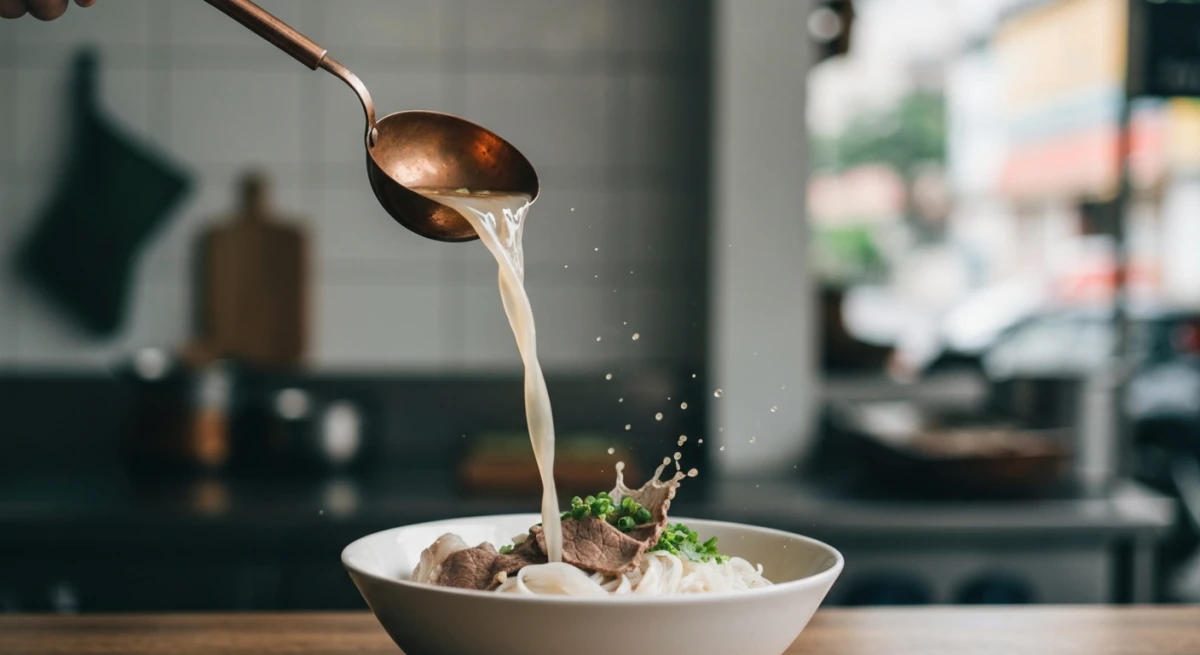
Saigon (officially Ho Chi Minh City) is a sensory overload in the best possible way. It is a city that never sleeps, where the air is thick with the sweet aroma of charcoal-grilled pork and the rich, spice-laden steam of simmering pho broths. Over the last few years, Saigon's culinary landscape has undergone an extraordinary evolution. While it remains a paradise for budget-friendly street eats, it has simultaneously blossomed into a sophisticated global dining destination, boasting Michelin-starred establishments, innovative fusion concepts, and stunning heritage bistros.
If you are searching for the best restaurant in saigon vietnam, you will quickly discover that there is no single answer. The perfect meal here depends entirely on your mood: are you looking for a boundary-pushing, ten-course tasting menu on a chic rooftop, or do you want to squeeze onto a plastic stool in a buzzing alleyway to savor a recipe perfected over generations?
This definitive, curated guide explores Saigon's top dining experiences across every category. From world-class modern gastronomy to historic street food legends, these are the culinary landmarks you cannot afford to miss.
The Michelin Elite: Saigon's Vanguard of Fine Dining
Saigon's fine dining scene has officially entered a golden era, marked by creative chefs who are redefining what Vietnamese cuisine can be. If you want to experience the absolute peak of modern culinary innovation, these award-winning establishments are essential bookings.
Ăn Ăn Saigon
Address: 89 Ton That Dam, Ben Nghe, District 1 Vibe: Energetic, intimate, and wonderfully contrast-rich
As the first restaurant in Ho Chi Minh City to be awarded a prestigious Michelin star, Ăn Ăn Saigon is an absolute must-visit. Founded by Chef Peter Cuong Franklin—a Yale graduate who walked away from a career in global finance to pursue his culinary passion—Ăn Ăn is spectacularly located in the middle of Chợ Cũ, the city's oldest wet market. This deliberate juxtaposition of street-level market chaos and sleek, multi-story dining is central to the restaurant's identity.
Chef Peter's culinary philosophy, which he calls "Cuisine Mới" (New Vietnamese Cuisine), elevates humble street food staples into masterpieces of modern gastronomy. He famously made global headlines with his $100 Banh Mi, a decadent creation featuring French foie gras, truffle, wagyu beef, caviar, and a rich, slow-simmered jus, served alongside a sweet potato herb-infused fry.
Beyond the headline-grabbing novelty, the tasting menus here are a deeply thoughtful journey from the north of Vietnam to the south. Standout dishes include the Foie Gras Spring Roll (an aromatic nod to Hanoi's classic spring roll, elevated with earthy truffles and fresh mango), and the Ca Mau Crab with Sea Urchin, which marries sweet local crab meat with rich sea urchin in a delicate Saigon curry. Dining at Ăn Ăn is a sensory reminder of how Saigon successfully bridges its historic past with a bold, hyper-modern future.
AKUNA Restaurant
Address: Level 9, Le Méridien Saigon, 3C Ton Duc Thang, District 1 Vibe: Ultra-luxurious, artistic, and boundary-pushing
Perched on the ninth floor of Le Méridien Saigon overlooking the shimmering Saigon River, AKUNA is the playground of Michelin-starred Chef Sam Aisbett. The name "Akuna" is an Australian Aboriginal word meaning "flowing water," a theme beautifully reflected in the restaurant's stunning interior design, which features a breathtaking installation of 1,200 hand-blown glass light rods that mimic a glittering stream at sunset.
At AKUNA, Chef Sam discards traditional fine-dining stuffiness and conservative rules. His six-course tasting menu is an electric, intensely personal tapestry of flavors, merging his Australian roots with Japanese influences and the vibrant, unpredictable ingredients he has discovered since making Saigon his home.
Expect dishes that challenge and delight your palate, such as locally sourced crocodile tongue sliced paper-thin and served with tender sweetbreads, or slow-cooked goose elevated with fermented tofu and local wild herbs. The open kitchen layout allows you to watch the culinary team weave their magic, making it one of the most exciting, interactive, and luxurious culinary adventures in Southeast Asia.
Coco Dining
Address: 143 Nam Ky Khoi Nghia, Vo Thi Sau Ward, District 3 Vibe: Moody, romantic, and design-forward
Earning its first Michelin star in recent years, Coco Dining has quickly cemented its status as one of Saigon's premier romantic dining spots. Housed in a beautifully converted, moody space in District 3, Coco focuses on contemporary, innovative Vietnamese cuisine that emphasizes raw fire cooking, complex fermentation, and wood-fired elements.
The chefs here take iconic Vietnamese flavor profiles—the salty tang of fermented fish sauce, the bright punch of calamansi, the earthy warmth of local black pepper—and deconstruct them into striking, beautifully plated modern courses. The wood-grilled seafood is particularly legendary, sourced daily from Vietnam's vast coastline and paired with unexpected, house-fermented condiments. If you want a sophisticated, candlelit evening that showcases the highly artistic side of the city's culinary renaissance, Coco is unmatched.
Soulful Comfort & Elevated Heritage: Reimagined Classics
For many travelers and locals alike, the true soul of Vietnamese cuisine lies in home-style cooking—the dishes passed down from grandmothers and mothers, meant to be shared family-style. These mid-range and heritage-focused restaurants offer a beautifully elevated take on traditional Vietnamese comfort food in stunning, atmospheric settings.
Cục Gạch Quán
Address: 10 Dang Tat Street, Tan Dinh Ward, District 1 Vibe: Rustic, nostalgic, and peaceful
Tucked away on a quiet residential street in the Tan Dinh neighborhood, Cục Gạch Quán is an legendary dining institution. Designed by renowned architect Tran Binh, the restaurant is set within a beautifully restored, rambling French colonial villa. The design is a heartfelt homage to his grandmother's countryside home, featuring worn wooden floorboards, retro mid-century Vietnamese furniture, warm, low-hanging lights, and a stunning wooden staircase that arches over an indoor koi pond.
The restaurant's guiding philosophy is "Eat green, live healthy," a commitment that begins with sourcing fresh, organic produce directly from their own family farm. The menu is massive—resembling a thick, leather-bound book—but the staff are experts at helping you curate a perfectly balanced, multi-course family meal.
You must try the signature "đậu hũ chiên sả ớt" (silken, house-made tofu deep-fried to a perfect golden crisp and showered in finely chopped lemongrass, garlic, and chili). Pair it with "canh chua cá hú" (a classic Southern sweet-and-sour tamarind fish soup packed with okra, pineapple, and fresh herbs) and slow-braised caramelized pork belly served in a rustic claypot ("thịt kho tộ"). In a nod to their eco-friendly ethos, drinks are served with hollowed-out morning glory stems instead of plastic straws. It is easy to see why global celebrities (including Brad Pitt and Angelina Jolie during their historic visit) and discerning locals consistently name this as the best restaurant in saigon vietnam for experiencing authentic, soul-warming home cooking.
Bếp Mẹ Ỉn
Address: 136 Le Thanh Ton Street, Ben Thanh Ward, District 1 Vibe: Vibrant, casual, and bustling
Located in a hidden alleyway just steps from the historic Ben Thanh Market, Bếp Mẹ Ỉn (which translates affectionately to "Fat Mom's Kitchen") is a Michelin Bib Gourmand-recognized gem. The moment you walk through the narrow alley entry, you are greeted by a cheerful, brightly colored dining room featuring vivid yellow walls and rustic blue shutters designed to resemble a traditional Vietnamese village home.
Bếp Mẹ Ỉn is famous for serving highly accessible, expertly executed street food classics and comforting family-style meals in a clean, air-conditioned environment. The star of the show is their iconic "bánh xèo" (a massive, sizzling, turmeric-infused rice flour crêpe that is incredibly crispy on the outside, packed with tender pork, juicy shrimp, and fresh bean sprouts).
The correct way to eat it is to tear off a piece, wrap it in a giant carrot or mustard green or lettuce leaf along with fresh mint and Thai basil, and dip it generously into their perfectly balanced sweet-and-savory fish sauce ("nước chấm"). Other crowd-favorites include the dry stir-fried flat rice noodles with beef, and their aromatic claypot fried rice topped with sweet, caramelized shrimp. It is casual, fast-paced, highly affordable, and endlessly delicious.
NÚC Kitchen and Bar
Address: Central District 1 Vibe: Thoughtful, seasonally responsive, and ingredient-forward
A standout favorite in the contemporary dining scene, NÚC Kitchen and Bar has garnered rave reviews for its "Gastronomy with Nature in Mind" philosophy. This upscale yet approachable venue focuses on Contemporary European-Vietnamese fusion, celebrating Vietnam's rich kitchen culture and seasonal micro-climates.
The culinary team at NÚC works closely with boutique local farmers and foragers, ensuring that the menu shifts continuously to reflect the absolute freshest seasonal ingredients. Dishes here are beautifully structured and minimalist, allowing the natural, unadulterated flavors of local seafood, highland herbs, and heritage meats to shine. Combined with a highly curated selection of local craft beers and innovative cocktails infused with native Vietnamese botanicals, NÚC is the perfect destination for modern food enthusiasts who appreciate thoughtful, sustainable cooking.
The Sacred Pillars: Iconic Street Food & Bib Gourmands
To truly understand Saigon's gastronomy, you must venture out to the city's historic street level. These legendary, single-dish eateries have spent decades doing one thing to absolute perfection. They are the bedrock of the city's food culture and hold prestigious spots in the Michelin Bib Gourmand guide.
Phở Hòa Pasteur
Address: 260C Pasteur Street, Ward 8, District 3 Vibe: Classic, chaotic, and deeply aromatic
No trip to Vietnam is complete without a bowl of pho, and Phở Hòa Pasteur is arguably the most famous and historic pho joint in Saigon. Located on Pasteur Street—a thoroughfare famous for its historic association with noodle stalls—Phở Hòa has been serving steaming bowls of aromatic beef noodle soup to hungry crowds of locals and tourists for over fifty years.
The dining experience here is classic and no-fills: stainless steel tables, plastic stools, and fast-moving servers. The star attraction is the broth, a golden, deeply flavorful elixir that has been simmered for over twelve hours using massive quantities of beef bones, charred ginger, toasted shallots, and a proprietary blend of warm spices including star anise, cinnamon, cloves, and cardamom.
The menu offers various cuts of beef, from tender beef brisket ("nạm") and rare beef slices ("tái") to rich, gelatinous beef tendon ("gân"). When your bowl arrives, do as the locals do: pile in fresh sweet basil, saw-tooth herb, and a squeeze of lime. Be sure to order a plate of "quẩy" (golden, deep-fried Chinese dough sticks) to dip into the rich broth, soaking up every drop of flavor.
Cơm Tấm Ba Ghiền
Address: 84 Dang Van Ngu Street, Ward 10, Phu Nhuan District Vibe: Smoky, intense, and local
While pho is Vietnam's national dish, "cơm tấm" (broken rice) is the true, undisputed culinary king of Saigon. Historically, broken rice consisted of damaged grains left over from the milling process, which were sold cheaply to working-class Saigonese. Today, it is a beloved staple eaten for breakfast, lunch, and dinner.
To experience the absolute pinnacle of this dish, make the pilgrimage to Cơm Tấm Ba Ghiền in the Phu Nhuan District. As you approach the restaurant, you will be guided by the massive clouds of sweet, fragrant smoke billowing from the large street-side charcoal grills.
Ba Ghiền is legendary for serving a colossal, thick-cut pork chop ("sườn nướng") that is marinated for hours in a secret blend of honey, fish sauce, garlic, and lemongrass before being grilled over hot charcoal to juicy, charred perfection. The pork is served over a bed of warm broken rice, accompanied by "chả trứng" (a savory steamed egg and pork meatloaf), "bì" (thinly shredded pork skin tossed in toasted rice powder), a sunny-side-up egg, pickled daikon and carrot, and a generous drizzle of scallion oil. Pour the sweet, chili-flecked fish sauce over the entire plate and dive into a true Saigon classic.
Bún Bò Huế 14B
Address: 14B Duong 46, Ward 5, District 4 Vibe: Takeaway-focused, fast, and intensely flavorful
While pho utilizes a clear, delicate beef broth, "bún bò Huế"—which originates from the historic imperial city of Huế in central Vietnam—is its fiery, spicy, and deeply complex cousin. For the best bowl in Saigon, head to the tiny, unassuming alley stall of Bún Bò Huế 14B in District 4.
Earning a well-deserved Michelin Bib Gourmand, this mostly takeaway-only spot specializes in a robust, mahogany-colored broth that is simmered for over eight hours with beef bones, lemongrass, and fermented shrimp paste ("mắm ruốc"), creating a multi-layered flavor profile that is simultaneously spicy, salty, sour, and sweet.
The thick, slippery cylindrical rice noodles are topped with generous portions of tender beef shank, soft, gelatinous beef tendon, savory pork meatballs, and cubes of rich pig's blood. It is served with a mountain of shredded banana blossoms, split water spinach, and fresh mint. It is a fiery, sinus-clearing culinary masterpiece that highlights the incredible regional diversity of Vietnamese cuisine.
Navigating Saigon's Food Districts: An Insider's Guide
Saigon is a sprawling metropolis divided into numbered and named districts, each possessing its own unique culinary personality and atmosphere. Understanding the layout of these districts is key to planning your ultimate food tour.
District 1: The Culinary Epicenter
District 1 is the heart of Saigon, where you will find the highest concentration of high-end hotels, colonial landmarks, and upscale dining. If you are looking for Michelin-starred fine dining (like Ăn Ăn Saigon and AKUNA), chic rooftop bars, stylish cafes, and elevated heritage spots (like Bếp Mẹ Ỉn), District 1 is your primary playground. It is highly walkable and tourist-friendly, making it the perfect starting point for first-time visitors.
District 3: Cool, Historic, and Shady
Located just adjacent to District 1, District 3 feels noticeably greener, calmer, and more historic. Characterized by wide, tree-lined avenues and beautiful French-era villas, District 3 is a fantastic area to explore for hidden alleyway food stalls, trendy local cafes, and legendary noodle houses (such as Phở Hòa Pasteur). It offers a wonderful balance of local authenticity and stylish lifestyle spots.
Thao Dien (District 2 / Thu Duc City): The Expat Haven
Located across the Saigon River, Thao Dien is a leafy, affluent enclave that has become the creative hub for Saigon's massive international expat community. Here, the dining scene is dominated by chic Western brunch spots, riverside Italian restaurants, artisanal bakeries, craft breweries, and trendy wine bars. It is the perfect place to head when you want a break from traditional Vietnamese fare and are craving high-end international cuisine or a relaxing waterfront lunch.
Districts 4 and 5: Street Food Safaris & Chinese Heritage
For travelers seeking raw, unpolished culinary adventures, Districts 4 and 5 are absolute goldmines. District 4, historically a rough-and-tumble port district, is now famous for having some of the densest street food streets in the world (such as Vĩnh Khánh Street, legendary for its late-night seafood and snail stalls). District 5, also known as Cholon (Saigon's Chinatown), is steeped in centuries of Chinese-Vietnamese history. Head here to explore historic temples and feast on traditional roasted meats, handmade dumplings, and rich, Chinese-style claypot rice dishes.
Frequently Asked Questions (FAQ)
What is the actual best restaurant in saigon vietnam for a first-time visitor?
For a first-time visitor looking for a classic, high-quality, and highly atmospheric introduction to Vietnamese cuisine, Cục Gạch Quán in District 1 is the ultimate recommendation. Its stunning French villa setting, combined with an extensive and exceptionally prepared menu of classic home-style dishes, offers a comfortable yet deeply authentic dining experience that appeals to everyone.
Is the street food in Saigon safe for foreigners to eat?
Yes, street food in Saigon is generally very safe, fresh, and incredibly delicious, provided you follow a few basic rules. Look for stalls that are busy with locals, as a high turnover of customers guarantees that the ingredients are fresh and haven't been sitting out. Opt for hot, cooked-to-order dishes, and stick to bottled water rather than tap water.
Do I need to book tables in advance in Ho Chi Minh City?
For high-end, Michelin-starred establishments like Ăn Ăn Saigon and AKUNA, booking well in advance (ideally 2 to 4 weeks ahead) is highly recommended, as tables are limited and in high demand. Popular casual spots like Cục Gạch Quán and Bếp Mẹ Ỉn also get incredibly busy during peak dinner hours (6:30 PM to 8:30 PM), so making a reservation a day or two in advance is wise. Historic street food stalls do not take reservations; simply turn up and wait for a table.
What is the tipping etiquette in Saigon restaurants?
Tipping is not traditionally expected or required in Vietnam. In casual eateries and street food stalls, you do not need to tip. However, in upscale restaurants, western-style bars, and luxury hotels, a 5% to 10% service charge is often automatically added to the bill. If a service charge is not included and the service was exceptional, leaving a small tip (around 50,000 to 100,000 VND) is highly appreciated by the staff.
Can vegans and vegetarians eat well in Saigon?
Absolutely! Vietnam has a rich Buddhist heritage, which means vegetarianism ("ăn chay") is deeply woven into the local culture. Most restaurants offer dedicated vegetarian sections, and the city is home to incredible high-end vegetarian restaurants, such as Hum Vegetarian and Chay Garden, which serve spectacular, creative plant-based dishes that impress even meat-lovers.
Conclusion
Saigon is a city defined by its culinary contrasts. It is a place where a $2 bowl of street-side noodles crafted from a 50-year-old family recipe can hold its own against a $150 avant-garde tasting menu served on a luxury high-rise. The quest to find the best restaurant in saigon vietnam is not about finding a single, definitive champion; it is about embracing the city's breathtaking diversity. Whether you are cracking open a sizzling "bánh xèo" in a bustling alleyway, savoring a slow-braised pork belly in a historic French villa, or exploring the future of gastronomy at a Michelin-starred counter, Saigon promises a culinary journey that will linger in your memory long after your final bite.