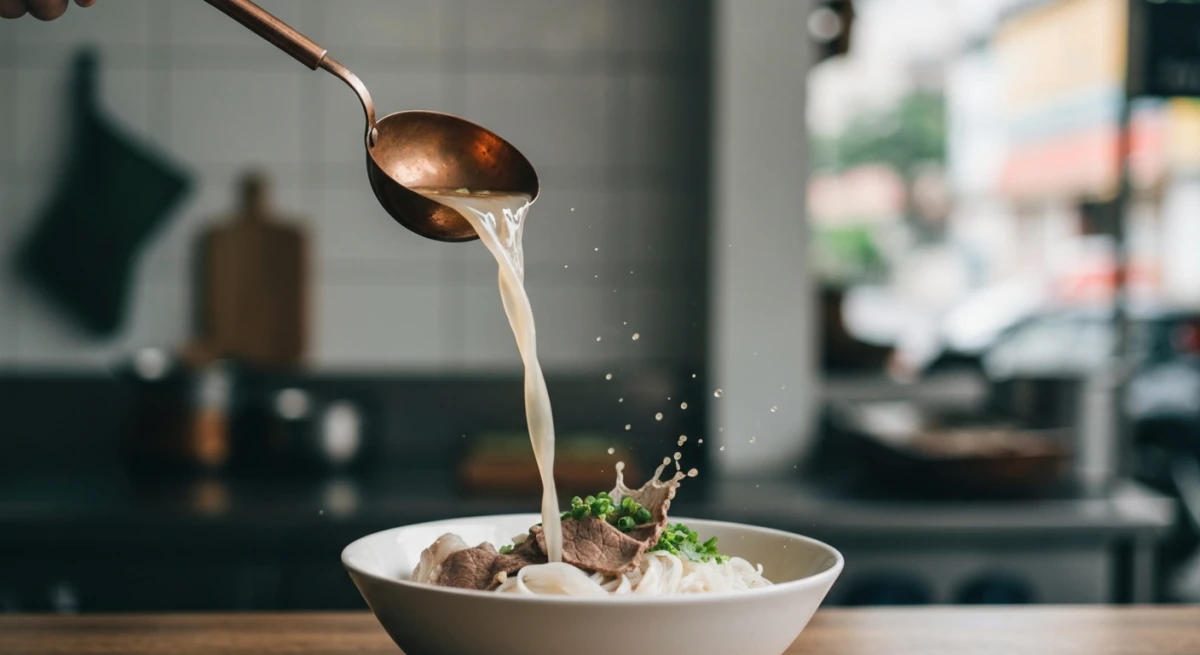
There is a distinct, intoxicating magic to dining on the coastline of Central Vietnam, where the salt air mingles with the rich, smoky aroma of charcoal-grilled shellfish. If you are a traveling foodie, finding the best seafood Da Nang has to offer is likely at the top of your culinary bucket list. This vibrant coastal city is renowned not just for its golden beaches and dramatic bridges, but for a world-class culinary scene powered by the daily catches of the East Sea. Whether you are looking for an energetic beachfront shack or a refined, Michelin-recommended dining room, Da Nang is a paradise for seafood lovers. This comprehensive guide will show you exactly how to navigate the local dining scene, master the live-tank ordering system, and find the absolute best seafood Da Nang has waiting for you.
1. The Soul of Da Nang: Why It’s Vietnam's Ultimate Seafood Capital
To understand why the best seafood Da Nang serves is so legendary, you must first look at the city's unique geography. Nestled between the lush Son Tra Peninsula to the north and the pristine ocean waters stretching down to Hoi An to the south, Da Nang enjoys immediate access to rich, biologically diverse fishing grounds. Cold and warm ocean currents converge off the Central Vietnamese coast, creating an environment teeming with life—from sweet slipper lobsters and blue swimmer crabs to delicate mud snails and fatty groupers.
Every single morning, long before the sun rises over My Khe Beach, the city's maritime heart begins to beat. At around 4:30 AM, hundreds of local wooden fishing boats and round bamboo basket boats (thuyền thúng) land their catches at the Tho Quang fishing harbor. Seafood merchants, restaurant owners, and market vendors gather in a chaotic, brightly lit frenzy to bid on the freshest specimens. Within hours, these ocean delicacies are transported to live-seafood tanks across the city.
This rapid farm-to-table (or ocean-to-plate) pipeline means that the local philosophy of dining centers on "tươi sống" (live and kicking). Unlike in many Western countries where seafood is filleted, frozen, and shipped over vast distances, the best seafood Da Nang restaurants offer is actively swimming in bubbling glass tanks right next to your table. When you order, your food is plucked directly from the water, weighed in front of you, and rushed to the kitchen. This extreme level of freshness creates a sweetness of meat and a springy texture that frozen seafood simply cannot replicate.
2. The Golden Rules of Ordering Seafood in Da Nang (A Step-by-Step Guide)
Walking into a traditional Da Nang seafood restaurant can be an incredibly sensory, yet slightly overwhelming experience for first-time visitors. The typical setup features massive rows of bubbling blue plastic tubs and glass aquariums, busy staff shouting orders, and huge open kitchens pouring out steam and charcoal smoke. To help you navigate this like a seasoned local and avoid any tourist traps, here is your step-by-step masterclass on how to order.
Step 1: Choose Between "Hàng Tươi Sống" (Live) and "Hàng Ướp Đá" (Chilled)
When you walk up to the selection area, you will notice two main displays. The aquariums house the "hàng tươi sống" (live seafood)—this includes lobsters, mud crabs, spanner crabs, active fish like grouper, and various live clams and snails. These are premium items and are sold strictly by the kilogram based on daily market prices.
On nearby stainless steel tables piled high with crushed ice, you will find "hàng ướp đá" (chilled/iced seafood). This usually features squid, octopus, certain varieties of ocean fish, and crabs that have recently died. Chilled seafood is significantly cheaper than live seafood, yet because it was caught just hours prior, it remains incredibly delicious. If you are dining on a budget, mixing a few chilled items with one or two live delicacies is the smartest strategy.
Step 2: Master the Weighing Station
Once you point out what you want, a staff member will scoop the seafood into a red or blue plastic basket and carry it to a digital scale. Here is where you must pay attention to avoid the "water-weight" trick.
- The Golden Rule: Make sure the staff member vigorously shakes the plastic basket to drain all excess sea water before placing it on the scale. Water trapped in the basket can easily add 100 to 200 grams of weight, artificially inflating your bill.
- Check the digital scale carefully to ensure it starts at zero before your basket is placed on it.
- Confirm the price per kilogram, which should either be displayed on a nearby blackboard or quoted to you verbally. Ask "Bao nhiêu một ký?" (How much per kilo?) to clarify before they take it to the kitchen.
Step 3: Select Your Cooking Prep Style
Once your seafood is weighed, the staff will ask how you want it prepared. Vietnamese cuisine excels at letting the natural sweetness of fresh seafood shine through while using herbs, citrus, and spices to elevate the dish. Here is a translation and style guide to help you choose:
- Hấp Sả (Steamed with Lemongrass & Chili): The absolute best preparation for clams (especially the local Chíp Chíp), snails, and squid. It preserves the clean, ocean-fresh sweetness of the meat.
- Nướng Mỡ Hành (Grilled with Scallion Oil & Roasted Peanuts): An absolute must-try for oysters, scallops, and larger clams. The smoky charcoal flavor combines with rich onion-infused oil and crunchy peanuts for an unforgettable texture.
- Sốt Bơ Tỏi (Garlic Butter Sauce): Rich, savory, and decadent. This is the ultimate cooking style for lobsters, slipper lobsters, and giant prawns. Pro tip: Always order a side of crispy Vietnamese baguette (bánh mì) to soak up the leftover garlic butter sauce.
- Sốt Trứng Muối (Salted Egg Yolk Sauce): A modern Vietnamese favorite. Creamy, slightly sweet, and intensely savory, this rich yellow sauce is spectacular when paired with mud crabs or prawns.
- Rang Me / Sốt Me (Stir-fried in Sweet & Tangy Tamarind): The sour, sweet, and spicy notes of tamarind sauce cut through the richness of mud crabs and sea snails beautifully.
- Nướng Muối Ớt (Grilled with Chili Salt): Smoky, spicy, and aromatic. Best for whole fish, squid, octopus, and prawns.
Step 4: Confirming the Bill
To ensure complete transparency, the staff member will write down the weights, chosen preparation styles, and calculated prices on an order slip. Take a quick photo of this slip with your phone. This serves as your receipt and guarantees that no extra charges or heavier weights mysteriously appear on your final bill at the end of the night.
3. The Best Seafood Restaurants in Da Nang: Handpicked & Categorized
To help you find the perfect dining experience for your style and budget, we have divided the top seafood establishments in Da Nang into three distinct categories: Michelin-approved trendsetters, legendary high-energy beachfront giants, and deep-alley budget champions.
Category A: The Michelin-Approved & Trendy Favorites
1. Mộc Quán Seafood (Mộc Quán)
- The Vibe: Rustic, lush, and incredibly charming. Opened in 2019, Mộc Quán has quickly become one of the most celebrated dining spots in the city, earning a coveted recommendation in the MICHELIN Guide. The restaurant features a spacious, open-air garden layout adorned with twinkling fairy lights, bamboo architecture, and lush tropical greenery, creating an intimate evening atmosphere that is highly aesthetic.
- The Specialty: Their signature lobster or giant prawns cooked in a garlic butter sauce enriched with salted egg yolk. The springy, juicy texture of the lobster pairs flawlessly with the rich, layered sauce.
- The Service Edge: Unlike chaotic street-side venues where you must deshell your own food, Mộc Quán's highly professional, gloved staff will deshell your lobsters and prawns tableside, making for a seamless and mess-free dining experience. Because of its massive popularity, reservations are highly recommended during peak hours.
- Address: 26 To Hien Thanh, An Hai Dong, Son Tra, Da Nang
2. My Hanh Seafood
- The Vibe: Upscale beachfront elegance. Sitting directly on the sands of My Khe Beach, My Hanh is a massive three-story restaurant that offers sweeping views of the East Sea. It is breezy, beautifully lit, and perfect for a special occasion or a romantic sunset dinner.
- The Specialty: My Hanh is famous for sourcing incredibly rare regional delicacies, such as the prized Hoi An brick crab. Another standout is their mantis shrimp prepared "Typhoon Shelter" style—flash-fried and tossed with an aromatic mountain of crispy garlic, scallions, and dried chilies.
- Address: 3-5 Vo Nguyen Giap Street, Phuoc Mỹ, Son Tra, Da Nang
Category B: The Legendary, High-Energy Beachfront Giants
3. Bé Mặn Seafood Restaurant (Quán Bé Mặn)
- The Vibe: Pure, unadulterated Vietnamese "nhậu" (drinking and dining) culture. Located on the main coastal highway of Vo Nguyen Giap, Bé Mặn is a legendary, cavernous, open-air warehouse of a restaurant. It is bright, incredibly loud, chaotic, and packed to the brim with hundreds of locals clinking glasses of cold beer. It is a sensory overload in the best way possible.
- The Specialty: Because of the restaurant's massive daily turnover, their live seafood tanks are incredibly fresh. Order the grilled oysters with scallion oil, steamed lemongrass clams, and mud crab stir-fried in a tangy tamarind glaze.
- Insider Tip: Do not expect fine dining service here. You will sit on small plastic or metal chairs, and you may need to wave down busy waiters. However, the raw energy and sheer quality of the food make it an essential Da Nang experience.
- Address: Lot 9, Vo Nguyen Giap Street, Man Thai, Son Tra, Da Nang
4. Bé Ni 2 Seafood
- The Vibe: A slightly more relaxed and budget-friendly alternative to the massive scale of Bé Mặn. Located just a short walk from My Khe Beach, Bé Ni 2 offers a fantastic balance of high-quality live tanks, friendly local service, and competitive pricing.
- The Specialty: Their steamed sea snails, grilled scallops with peanuts, and garlic-butter mud crab are local favorites. They also serve excellent seafood fried rice packed with fresh squid and shrimp.
- Address: 228 Vo Nguyen Giap Street, Phuoc My, Son Tra, Da Nang
Category C: The Deep-Alley Local Secrets & Budget Champions
5. Năm Đảnh Seafood Restaurant (Hải Sản Năm Đảnh)
- The Vibe: The ultimate hidden gem. Tucked away deep in a labyrinth of narrow residential alleys in the Tho Quang ward near the base of the Son Tra Peninsula, finding Năm Đảnh is a classic Da Nang adventure. Despite its highly hidden location, this massive, no-frills local eatery is packed with diners every single day.
- The Specialty: Crispy fried whole grouper (song ca) smothered in a sweet-and-spicy green mango, mint, garlic, and chili salad. The contrast of the hot, crispy fish skin with the cold, tart, herbal mango salad is culinary perfection.
- Why It's Unique: Unmatched value. Năm Đảnh is incredibly affordable, with many of their signature seafood stir-fries, steamed clams, and snail dishes priced significantly lower than the beachfront restaurants. It is the absolute best place in Da Nang to feast like a king on a backpacker's budget.
- Address: 139/59/38 Tran Quang Khai Street, Tho Quang, Son Tra, Da Nang
6. Quán Nhậu Hải Sản Lão Đại
- The Vibe: A classic local "drinking joint" that offers a fantastic, low-key atmosphere. Located away from the tourist-heavy beachfront strips, Lão Đại is favored by local university students and families.
- The Specialty: Their signature water prawns (tôm đất) cooked in sweet coconut water, stir-fried morning glory with garlic (rau muống xào tỏi), and their intensely flavorful seafood hotpot (lẩu hải sản).
- Address: 81 To Hien Thanh, Phuoc My, Son Tra, Da Nang
4. Must-Try Seafood Specialties in Da Nang: The Ultimate Culinary Checklist
When searching for the best seafood Da Nang has to offer, you should step outside your comfort zone and try local preparations that you cannot find anywhere else. Here is your ultimate culinary checklist of dishes to order:
Chíp Chíp Hấp Sả (Lemongrass Steamed Coquina Clams)
If there is one dish that defines Da Nang's casual seafood culture, it is Chíp Chíp. These small, triangular coquina clams are native to the sandy shallows of Central Vietnam. They are steamed in a clay pot with fresh lemongrass stalks, ginger, pineapple slices, and red bird's eye chilies. The clams release their sweet, briny juices into the broth, creating a light, aromatic soup that is deeply comforting.
Hàu Nướng Mỡ Hành (Charcoal-Grilled Oysters with Scallion Oil & Peanuts)
Fresh, plump oysters are shucked, placed directly over glowing charcoal embers, and generously ladled with "mỡ hành"—a savory mixture of rendered pork lard and fresh green onions. Just before serving, they are topped with crispy fried shallots and crushed roasted peanuts. The combination of the warm, creamy oyster, the rich, savory scallion oil, and the smoky crunch of the peanuts is sheer perfection.
Cua Huỳnh Đế (The Spanner Crab / King Crab of Central Vietnam)
Highly prized and deeply local, the Spanner Crab (literally translated as "Emperor Crab") is a bizarre-looking, bright red crab with a frog-like body and a hard, bumpy shell. Caught in the deep, cold waters surrounding the nearby Ly Son Island and Hoang Sa archipelago, this seasonal luxury is famous for its thick, sweet, dense white meat and incredibly rich, buttery orange roe. It is typically prepared simply—either steamed with ginger or boiled—to preserve its delicate, natural flavors.
Tôm Mũ Ni (Slipper Lobster)
Also known as the flathead lobster, Tôm Mũ Ni is easily recognized by its wide, flat head and lack of claws. Do not let its unusual appearance fool you; many local foodies prefer the sweet, clean, and incredibly tender meat of the slipper lobster over traditional rock lobster. It is best enjoyed grilled over charcoal with chili salt (nướng muối ớt) or smothered in rich garlic butter.
Lẩu Cá Cu (Cu Fish Sour Hotpot)
Cá Cu is a unique, firm-fleshed local fish native to the waters of Central Vietnam. Local families love to prepare it in a traditional sour hotpot (lẩu chua). The broth is infused with fresh tomatoes, pineapple, starfruit, green onions, and dill, creating a beautiful balance of sweet, sour, and savory flavors that perfectly complements the clean taste of the fish.
5. Insider Tips: Seasons, Safety, and Avoiding Tourist Traps
To ensure your culinary journey is nothing short of perfect, keep these highly actionable insider tips in mind when dining in Da Nang.
Timing and Seasons Matter
Because Da Nang's seafood relies on local, wild-caught fishing boats, the weather plays a major role in what is available and how much it costs.
- The Best Time to Visit: The dry season, which runs from April to August. During these months, the seas are calm, fishing boats go out daily, and the seafood supply is incredibly abundant, resulting in the freshest catches and highly competitive prices.
- The Rainy Season: From September to December, Central Vietnam experiences monsoons and rough seas. Fewer boats can head out to fish, which means live seafood variety will be limited, and market prices will spike significantly.
Beware of the "Taxi Commission" Scam
While Da Nang is generally a safe and welcoming city, some local taxi and Grab drivers participate in a commission-referral system. If you ask a driver to take you to a highly popular spot like Bé Mặn or Năm Đảnh, they may try to convince you that the restaurant is "closed for renovations" or "not fresh today." They will offer to take you to "their favorite local spot" instead. This alternative spot is often an overpriced beachfront tourist trap where the driver receives a hefty kickback from your bill. Stick to your plans, check Google Maps, and insist on being dropped off at the exact address of your chosen restaurant.
Beverage Etiquette: Master the "Văn Hóa Nhậu" (Drinking Culture)
Seafood in Da Nang is highly social and deeply connected to local beer culture. The local favorites are Larue (brewed right in Da Nang) and Huda (imported from nearby Hue).
- When dining at a local "nhậu" spot, your beer will typically be served warm alongside a bucket of large ice cubes (đá). You are expected to place a large chunk of ice directly into your glass to keep the beer cold.
- Join in the local cheers: Before taking a sip with your dining companions, raise your glass and shout: "Một, hai, ba, dô!" (One, two, three, cheers!).
Food Safety and Hygiene
Da Nang's seafood is incredibly fresh, but if you have a sensitive stomach, stick to fully cooked items. Avoid raw oysters or blood cockles unless you are dining at high-end, reputable establishments like Mộc Quán or My Hanh. Additionally, check that the ice used in your drinks is "tube ice" (cylindrical ice with a hole through the middle), which indicates it was produced in a purified commercial facility rather than sliced from unsanitary blocks.
6. Frequently Asked Questions (FAQ)
How much does a typical seafood meal cost in Da Nang?
The cost of a seafood feast in Da Nang depends entirely on your ordering style:
- Budget (100,000 to 250,000 VND / $4 to $10 USD per person): Dining at local back-alley spots like Năm Đảnh, ordering steamed clams (Chíp Chíp), grilled oysters, seafood fried rice, and local beers.
- Mid-Range (350,000 to 600,000 VND / $14 to $25 USD per person): Dining at places like Mộc Quán, ordering a mix of live prawns, squid, scallops, whole fish, and side dishes.
- High-End / Luxury (800,000 to 2,000,000+ VND / $32 to $80+ USD per person): Indulging in premium live delicacies like lobster, spanner crab, and mantis shrimp at beachfront venues like My Hanh.
Is it safe to eat oysters and snails in Da Nang?
Yes, it is highly safe, provided you choose busy restaurants with high daily turnover (like Bé Mặn or Mộc Quán) where the seafood doesn't sit in tanks for long. Always ensure that shellfish is fully cooked—steamed, boiled, or grilled over charcoal until completely open.
Which street has the best seafood in Da Nang?
Vo Nguyen Giap Street is the undisputed "Seafood Highway" of Da Nang. Running directly along My Khe and Man Thai beaches, this massive coastal boulevard is lined with dozens of seafood restaurants featuring glowing live-tanks. For a more budget-friendly local street, head to To Hien Thanh Street, located just a few blocks inland.
Do I need to make reservations at Da Nang seafood restaurants?
For high-end and trendy spots like Mộc Quán, reservations are highly recommended, especially on weekends and during the peak summer tourist season (May to August). For massive, high-energy local spots like Bé Mặn or Năm Đảnh, reservations are not accepted; seating is strictly on a first-come, first-served basis. Simply show up, find a table, and prepare for a spectacular feast.
Final Thoughts: Dive Into Da Nang's Seafood Scene
To truly experience Da Nang is to experience its oceans. The city's culinary identity is built on the daily rhythm of the tides and the hard work of its fishing communities. By stepping away from the typical tourist zones, learning the live-tank ordering system, and seeking out the legendary dining spots highlighted in this guide, you will unlock some of the freshest, most vibrant, and best seafood Da Nang has to offer. Grab a cold glass of Larue beer, roll up your sleeves, and dive into an unforgettable culinary adventure on Vietnam's stunning Central Coast.