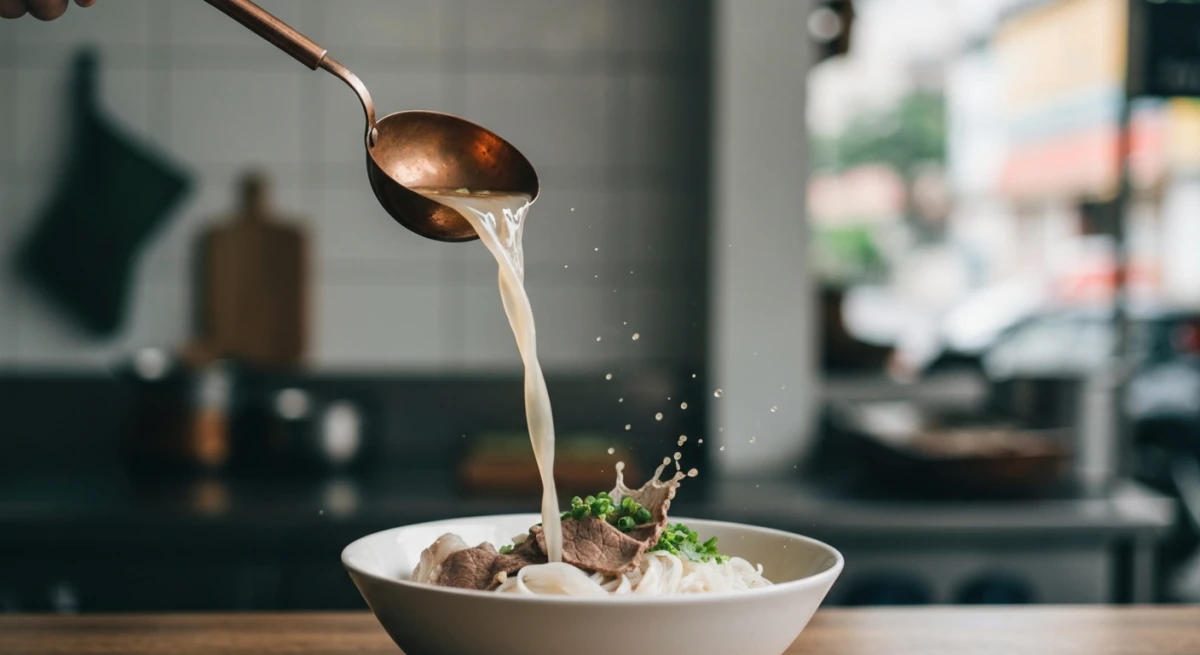
Introduction: The Culinary Heartbeat of Saigon
Ho Chi Minh City—still affectionately known as Saigon—is a sprawling metropolis that runs on culinary adrenaline. If Hanoi is Vietnam’s refined cultural capital, Saigon is its wild, beating heart, and nowhere is this energy more apparent than on its plates. The city's food scene is an intoxicating blend of old and new, where centuries-old traditions exist side-by-side with cutting-edge gastropubs and high-concept tasting menus. Here, a dining adventure can begin on a low plastic stool on a crowded sidewalk over a $2 bowl of noodles and end in a sleek penthouse overlooking the Saigon River with a multi-course tasting menu that rivals the best in Tokyo or New York.
Over the last few years, the city has cemented its status as one of Asia's premier dining capitals. The arrival of the prestigious Michelin Guide has illuminated what food-obsessed travelers have known for decades: Saigon's chefs possess a fierce dedication to flavor. Whether you are on a quest to find the perfect crispy banh xeo, want to indulge in an immersive regional tasting menu, or are curious to see how local ingredients like wild herbs and sea snails are elevated in contemporary fine dining, finding the best restaurants in ho chi minh city vietnam is an unforgettable journey of discovery. This definitive guide is designed to navigate Saigon's diverse gastronomic landscape, helping you discover the finest culinary experiences the city has to offer.
1. Navigating Ho Chi Minh City’s Culinary Neighborhoods
To truly appreciate the dining scene in Saigon, you must understand its geography. The city is divided into several districts, each with its own distinct culinary personality. Navigating these neighborhoods is essential to mapping out your foodie itinerary.
- District 1 (The Downtown Epicenter): This is the glittering, hyper-modern core of Saigon, home to historic French-colonial buildings and sleek skyscrapers. District 1 is where the old world collides with the new. Here, high-end French bistros, cutting-edge fusion concepts, and stunning rooftop restaurants sit juxtaposed against bustling wet markets and hidden alleyway stalls. If you are looking for world-class cocktail bars, Michelin-starred fine dining, or legendary specialty coffee shops, District 1 is your primary playground.
- District 3 (Colonial Elegance and Creative Bistros): Bordering District 1, District 3 is characterized by leafy, tree-lined avenues and beautiful French-colonial villas. It is a fantastic neighborhood for discovering trendy cafes, independent bistros, and upscale restaurants that focus on modern Vietnamese and international cuisines. The dining scene here often feels more localized, intimate, and relaxed than the flashy downtown core.
- Thảo Điền (District 2 / Thủ Đức City): Located across the Saigon River, Thao Dien has transformed from a sleepy suburb into a trendy, walkable enclave favored by expats and affluent locals. Thao Dien’s culinary landscape is defined by its international variety and lifestyle-driven dining. Here, you will find fantastic wood-fired pizzerias, artisanal sourdough bakeries, organic farm-to-table eateries, craft breweries, and stylish natural wine bars.
- District 5 (Chợ Lớn / Chinatown): To the west of the city center lies Cho Lon, Saigon's vibrant Chinatown. District 5 is a paradise for lovers of Cantonese, Teochew, and Hokkien flavors, which have seamlessly fused with Vietnamese ingredients over generations. The streets are lined with historic shophouses, ancestral temples, and generational family-run eateries serving roasted meats, handmade dumplings, and sizzling claypot dishes.
2. The Modern Pioneers: Michelin Stars & Contemporary Fine Dining
Saigon's fine dining scene has entered a golden age. A wave of visionary chefs—both local culinary stars and worldly expats—are utilizing classical French, Japanese, and modern European techniques to reinterpret Vietnamese flavors. These Michelin-recognized establishments represent the absolute pinnacle of contemporary dining in Saigon.
Ăn Ăn Saigon: The Trailblazer of Elevated Street Food
No discussion of the best restaurants in ho chi minh city vietnam is complete without mentioning Anan Saigon. Tucked away in the middle of Chợ Cũ, the oldest wet market in District 1, Anan (which translates to "eat, eat") was the first restaurant in Saigon to be awarded a Michelin Star. Helmed by Chef Peter Cuong Franklin, a Viet Kieu (overseas Vietnamese) chef who trained at Le Cordon Bleu and worked in top kitchens worldwide, Anan is famous for its revolutionary "Cuisine Mới" (New Vietnamese Cuisine).
Chef Peter famously captured global headlines with his $100 Banh Mi—a decadent creation featuring truffle, foie gras, caviar, and slow-cooked wagyu beef. But beyond the media hype, Anan’s true magic lies in its multi-course tasting menus, such as the "Treasure Island Tasting Menu." Here, humble street food staples are deconstructed and reimagined with stunning artistic precision. Expect dishes like the "Bánh Xèo Taco," which wraps a delicate, crispy rice-flour shell filled with pork belly and shrimp inside a taco format, or a reimagined Dalat-style street pizza featuring local artisanal cheese and shaved black truffles. Dining at Anan is a sensory journey that honors the bustling wet market outside while pushing the boundaries of what Vietnamese food can be.
CoCo Dining: An Immersive Regional Journey
Located in a beautifully restored villa in District 3, CoCo Dining has emerged as one of the most exciting and creative culinary destinations in Vietnam. Led by Chef Vo Thanh Vuong, the winner of Top Chef Vietnam 2019, this One-Michelin-Star restaurant offers a deeply personal, theatrical dining experience built around the concept of an immersive train journey through Vietnam’s diverse culinary regions.
Upon arrival, guests are presented with a nostalgic replica train ticket, setting the stage for an 11-course tasting menu that moves geographically from the mountainous North down to the lush Mekong Delta. The dining room is dark, moody, and elegant, centering on an open kitchen where the culinary team works with synchronized precision. Each dish tells a story, supported by beautiful table-side descriptions and creative custom illustrations. Chef Vuong masterfully elevates regional ingredients that are rarely seen in westernized fine dining—incorporating elements like fermented wild mushrooms from Sapa, smoked duck breast from the Southwest, and coastal seafood with locally sourced herbs. Combined with an outstanding beverage program featuring Japanese sake and premium wines, CoCo Dining delivers an unforgettable, highly memorable dinner.
Akuna: Rule-Breaking Contemporary Gastronomy
Situated inside the luxurious Le Méridien Saigon overlooking the Saigon River, Akuna represents contemporary dining at its most daring and technical. The restaurant is led by acclaimed Australian Chef Sam Aisbett, whose impressive pedigree includes helming Singapore’s Michelin-starred Whitegrass. At Akuna, Chef Sam brings his signature "rule-breaking" culinary philosophy to Vietnam, presenting a menu that defies easy categorization.
While the techniques are firmly rooted in modern European haute cuisine, the ingredients are intensely local. Chef Sam and his team spend weeks sourcing rare, underrated ingredients from across Vietnam’s provinces, transforming them into complex, texturally surprising masterpieces. You might find premium Australian wagyu paired with local sea snails (ốc), or local crocodile tail prepared with sea grapes and fermented chili. The open-kitchen design allows diners to witness the intense focus of the culinary team, while the dramatic, ocean-inspired crystal installations overhead create a stunning, sophisticated atmosphere. For travelers seeking a meal that is technically flawless and highly innovative, Akuna is a must-visit.
3. The Mid-Range & Hip Bistro Scene
While Saigon’s fine dining scene is dazzling, the true heartbeat of the city's daily dining culture lies in its vibrant mid-range restaurants and trend-setting bistros. These spots offer a perfect balance of exceptional food, chic design, and warm hospitality.
ST25 by KOTO: Sustainable Dining with a Social Conscience
Located within the elegant Sofitel Saigon Plaza in District 1, ST25 by KOTO is a restaurant that satisfies both the palate and the soul. The establishment operates as a social enterprise in partnership with KOTO (Know One, Teach One), an incredible non-profit organization that has spent over two decades training at-risk and disadvantaged Vietnamese youth for careers in the hospitality industry.
Named after the famous ST25 variety of rice—which was crowned the "World's Best Rice"—the restaurant centers its culinary identity on premium, sustainably sourced local ingredients. The menu offers a beautiful, modern interpretation of classic Vietnamese dishes. Standout creations include slow-cooked beef cheek infused with rich, aromatic five-spice, crispy grilled octopus served with local mountain herbs, and an array of incredibly flavorful rice dishes highlighting the fluffy, fragrant ST25 grain. The service is remarkably warm, attentive, and enthusiastic, reflecting the passion of the KOTO graduates.
Secret Garden Restaurant: A Rustic Rooftop Oasis
To find Secret Garden, you must be willing to embark on a quintessential Saigon adventure. Hidden at the end of a narrow alleyway in District 1, you must climb four flights of stairs inside an old, weathered apartment building. As you reach the top, the gritty concrete stairs give way to a stunning, leafy rooftop oasis filled with climbing green vines, wooden rustic furniture, and glowing traditional silk lanterns.
Secret Garden serves authentic, soul-satisfying Southern Vietnamese home-style cooking (cơm gia đình). The menu is designed for sharing, featuring classic dishes that local families eat daily. Must-order items include caramelized pork belly cooked in a clay pot (thịt kho tộ), crispy deep-fried spring rolls, and fresh pumpkin blossoms stuffed with minced shrimp. The flavors are balanced, comforting, and authentic, focusing on the sweetness, fresh herbs, and savory fish sauce that define Southern cuisine. The romantic, relaxed rooftop atmosphere makes it the perfect place to unwind with a cold local craft beer.
Lửa Wine Bar: Thao Dien’s Natural Wine and Farm-to-Table Darling
If you want to experience where Saigon’s trendy young professionals, food writers, and creative expats hang out, head to Lửa Wine Bar in Thao Dien. "Lửa" means fire in Vietnamese, a fitting name for a kitchen that centers its culinary philosophy on wood-fired cooking, house-made ferments, and hyper-seasonal ingredients sourced from small-scale local farms.
Led by a talented team of Japanese and Vietnamese culinary minds, Lửa’s menu changes frequently to reflect the freshest produce available. The food is best described as casual, high-caliber international bistro fare with strong Japanese precision and French techniques. Expect beautifully curated charcuterie boards, hand-churned butter served with freshly baked sourdough bread, and perfectly grilled local seafood doused in vibrant herb-infused oils. Lửa is also widely considered one of the best spots in the city for natural and low-intervention wines, boasting a curated, highly dynamic bottle list that pairs beautifully with their smoky, wood-fired dishes. The atmosphere is warm, social, and effortlessly chic.
Quán Bụi Central: Elegant Traditional Comfort
For travelers who want to dive into traditional Vietnamese cuisine in a clean, beautifully designed, and highly accessible environment, Quan Bui Central is an absolute staple. Located in the heart of District 1, this beloved restaurant is decorated in a gorgeous Indochine-style aesthetic, featuring vintage hand-painted floor tiles, dark polished wood furniture, and warm retro lighting.
Quan Bui’s philosophy is to preserve and celebrate traditional family recipes from across Vietnam’s three main regions, preparing them without the addition of MSG or artificial preservatives. The menu is expansive and incredibly friendly for first-time visitors. Excellent starters include the pomelo salad with fresh shrimp and pork, and crispy tofu coated in fragrant lemongrass and chili. For mains, the claypot snakehead fish caramelized in a rich, peppery fish sauce is a true masterpiece of sweet-and-savory balance. It is an ideal spot for a comfortable, delicious introduction to the nuances of Vietnamese home cooking.
4. The Legendary Local Icons: From Streets to Stalls
You cannot truly claim to have experienced the best restaurants in ho chi minh city vietnam without eating on the streets. Saigon’s street food stalls and historic local joints are the foundation upon which the city’s entire culinary culture is built. These generational icons specialize in perfecting just one or two dishes, serving them with incredible speed and unmatched flavor.
Cơm Tấm Ba Ghiền: The King of Broken Rice
Broken rice (cơm tấm) is the quintessential culinary symbol of Saigon. Originally a dish created by poor Mekong Delta farmers who utilized the cheap, fractured rice grains rejected during the milling process, it has evolved into the city’s most beloved comfort food. When Saigonese people debate who makes the best version, the conversation almost always leads to Cơm Tấm Ba Ghiền in the Phu Nhuan District.
Operating since the 1990s, this legendary, open-air restaurant has earned a Michelin Bib Gourmand for its exceptional quality and value. You can smell the sweet, smoky aroma of charcoal-grilled pork chops (sườn nướng) from blocks away. The signature dish consists of a bed of warm, fluffy broken rice topped with a gargantuan pork chop that is marinated in a secret blend of honey, five-spice, and fish sauce before being grilled to juicy, caramelized perfection over open coals. To experience the ultimate plate, order the "combination" (cơm tấm sườn bì chả ốp la), which adds shredded pork skin (bì), a savory steamed egg-and-pork custard (chả trứng), and a crispy fried egg with a runny yolk. Drizzle the whole plate with their sweet, chili-flecked fish sauce for a sweet, savory, and smoky flavor explosion.
Bánh Xèo 46A: Anthony Bourdain’s Favorite Sizzling Crepe
Tucked away on Đinh Công Tráng street in District 1, Bánh Xèo 46A is a historic open-air restaurant that achieved international fame after being featured by the late, legendary culinary explorer Anthony Bourdain. The restaurant specializes in bánh xèo—which translates literally to "sizzling cake"—named after the loud, dramatic hiss the rice-flour batter makes when poured onto a scorching-hot wok.
At 46A, the cooks stand over a row of roaring gas burners, masterfully swirling the thin batter of rice flour, coconut milk, and turmeric to create massive, paper-thin crepes with incredibly crispy, lacy edges. The crepes are stuffed generously with pork belly, fresh shrimp, mung beans, and a mountain of crunchy bean sprouts. The art of eating bánh xèo is entirely hands-on: you tear off a piece of the hot, crispy crepe, place it inside a large, peppery mustard leaf or lettuce leaf, add fresh herbs like mint, basil, and Vietnamese coriander, roll it up into a tight bundle, and dip it deeply into a sweet-and-sour fish sauce (nước chấm). It is a messy, deeply interactive, and incredibly delicious sensory experience.
The Great Pho Debate: Phở Minh vs. Phở Lệ
No trip to Vietnam is complete without eating phở, the country's national noodle soup. However, Saigon represents a fascinating culinary battleground between the two main regional styles of pho: the minimalist Northern style and the bold, sweet Southern style. To truly understand this culinary divide, you must visit two of the city's most iconic institutions.
- Phở Minh (Northern Style): Hidden down a quiet, narrow residential alleyway off Pasteur Street in District 1, Phở Minh has been serving hungry patrons since the late 1940s. The atmosphere is nostalgic and austere. The Northern style served here is defined by its clean, delicate, and deeply savory broth, which is simmered for hours with beef bones, charred ginger, and shallots, with only subtle hints of star anise and cinnamon. The noodles are tender, and the beef is the star of the show. There are no sweet bean sauces or mountains of herbs here; instead, the soup is garnished simply with green onions and a squeeze of fresh lime, allowing the pure, comforting flavor of the beef broth to shine.
- Phở Lệ (Southern Style): For a complete contrast, head to Phở Lệ in District 5. This bustling, high-energy restaurant represents the bold, sweet, and herb-laden Southern style that dominates Saigon’s streets. The broth at Phở Lệ is richer, darker, and notably sweeter, heavily spiced with star anise, cloves, and cardamom. When your steaming bowl arrives, it is accompanied by a virtual garden of fresh herbs—including Thai basil, culantro, rice paddy herb, and a plate of blanched bean sprouts. Diners are encouraged to customize their bowl, tearing the herbs directly into the hot soup and utilizing sweet hoisin sauce (tương đen) and spicy chili sauce (tương ớt) both in the broth and as a dipping sauce for the generous portions of tender beef, brisket, and handmade beef meatballs. Both styles are exceptional; trying both is a rite of passage for any serious food lover.
Ốc Oanh: The Ultimate Street Seafood Feast
In Saigon, eating snails and shellfish—collectively known as ốc—is more than just a meal; it is a vital social ritual known as ăn ốc. On any given evening, groups of friends, colleagues, and families gather at open-air street seafood restaurants to drink cold beers, socialize, and feast on an array of fresh bivalves. To experience this culture at its absolute wildest and most delicious, head to Ốc Oanh on Vĩnh Khánh Street in District 4.
Vinh Khanh is a legendary street food avenue that comes alive after dark with smoke, neon lights, and the clatter of woks. Ốc Oanh is the undisputed anchor of the street. The menu is massive, featuring dozens of varieties of snails, clams, crabs, and prawns. The magic lies in the diverse, incredibly bold sauces used to cook the seafood. Must-order dishes include sweet sea snails stir-fried in a rich, velvety salted egg yolk sauce (ốc hương hoàng kim), which you must soak up with a freshly baked warm baguette, and clams steamed in a fragrant, lemongrass and chili broth (nghêu hấp sả). Don't miss the grilled scallops with scallion oil and crushed peanuts (sò điệp nướng mỡ hành), or the mud crabs stir-fried in a fiery chili-salt crust. It is a high-octane, noisy, and incredibly fun dining experience that perfectly captures the untamed spirit of Saigon.
5. Pro Tips for Dining in Ho Chi Minh City
To make the absolute most of your culinary adventures in Saigon, keep these practical, insider tips in mind:
- Book Well in Advance for Michelin Stars: If you want to dine at high-end spots like Anan Saigon, CoCo Dining, or Akuna, you must book weeks (and sometimes months) in advance. These restaurants have limited seating and are highly sought after by international travelers and local foodies.
- Embrace the "Hẻm" (Alleyways): In Saigon, some of the most extraordinary culinary treasures are hidden inside the city's labyrinthine residential alleyways (hẻm). Do not be afraid to wander down these narrow paths; if you see a crowd of locals gathered around a steaming pot or a smoky grill, it is a guaranteed sign of incredible food.
- Keep Cash on Hand: While modern fine dining establishments, international bistros, and mid-range restaurants in shopping areas readily accept international credit cards, street food stalls, local neighborhood joints, and market vendors are strictly cash-only. Always carry a pocketful of Vietnamese Dong (VND) in smaller denominations for seamless street-side transactions.
- Practice Smart Street Food Safety: Saigon’s street food is incredibly fresh and generally safe, but basic precautions apply. Look for stalls that have a high turnover of local customers, as this guarantees that the ingredients are not sitting out and are prepared fresh. Ensure that hot dishes like soups and fried meats are served steaming hot, and opt for bottled water over tap water.
- Navigating Vegetarianism ("Ăn Chay"): Vietnam has a deep Buddhist heritage, which means vegetarian food is highly respected, incredibly delicious, and widely available. Look for the word "Chay" on restaurant signs. For an upscale, beautifully serene vegetarian dining experience, check out establishments like Chay Garden in District 3, which serves exquisite, plant-based Vietnamese dishes in a peaceful garden villa.
Frequently Asked Questions (FAQ)
What is the absolute must-try dish in Ho Chi Minh City?
While pho is famous nationwide, the absolute must-try local dish in Saigon is Cơm Tấm (Broken Rice), specifically topped with a grilled pork chop (sườn nướng), egg custard (chả trứng), and sweet fish sauce. Additionally, trying street-style Snails (Ốc) along Vinh Khanh Street is an essential, uniquely Saigonese culinary experience.
Is it customary to tip at restaurants in Vietnam?
Tipping is not traditionally expected in casual local eateries or street food stalls in Vietnam. However, in high-end Western restaurants, Michelin-starred establishments, and upscale hotel dining rooms, a service charge of 5% to 10% is often automatically added to the bill. If service is exceptional and no charge is added, a tip of 10% is highly appreciated by the staff.
What are the best dining options for vegetarians in Saigon?
Saigon is incredibly vegetarian-friendly due to the local Buddhist tradition of eating plant-based meals on the new and full moons. Look for restaurants displaying the word "Chay". Excellent options range from casual street-side noodle stalls to beautiful, high-end vegetarian venues like Chay Garden (District 3) and Hum Vegetarian (District 1).
How expensive is fine dining in Ho Chi Minh City?
Compared to major western culinary hubs, fine dining in Saigon offers exceptional relative value. A multi-course tasting menu at a One-Michelin-Star restaurant like Anan Saigon or CoCo Dining typically ranges from $80 USD to $150 USD per person (excluding alcohol). Mid-range, stylish bistros generally cost between $15 USD and $30 USD per person for a substantial meal.
What is the dress code for upscale restaurants in Ho Chi Minh City?
While Saigon is generally a very casual and warm city where shorts and T-shirts are acceptable for daytime sightseeing, high-end restaurants, Michelin-starred establishments, and upscale rooftop bars enforce a smart-casual dress code. Avoid wearing athletic wear, flip-flops, or singlets (for men) to ensure a smooth and comfortable dining experience.
Conclusion: Savoring the Spirit of Saigon
Ho Chi Minh City is a place where food is not simply a means of sustenance, but a shared passion, an art form, and the ultimate expression of hospitality. From the delicate, smoky sweetness of a street-side broken rice plate to the multi-sensory storytelling of an 11-course Michelin-starred tasting menu, Saigon’s dining landscape is as diverse as it is delicious.
As you navigate the city’s bustling districts, allow yourself to step out of your culinary comfort zone. Climb the hidden staircases, follow the smoky aromas down narrow residential alleyways, and sit shoulder-to-shoulder with locals on low plastic stools. It is in these moments—where the rich history of Vietnamese cuisine meets the vibrant, forward-looking energy of modern Saigon—that you will discover why this spectacular metropolis is truly one of the greatest food cities on Earth. Pack your appetite, embrace the sensory beautiful chaos, and prepare for a culinary journey that will stay with you long after the final bite.