To step into Hanoi is to enter a living, breathing kitchen. The air is a thick, heady mix of roasted star anise, sizzling pork fat, and the fresh, citrusy tang of squashed limes. Motorbikes weave past sidewalk diners perched on plastic stools, while vendors carrying shoulder poles balance baskets of golden fried dough. If you want to truly experience Northern Vietnamese culture, you must learn to eat Hanoi. This isn’t a city where the best food is hidden away in five-star hotels; instead, the most profound culinary masterpieces are served right on the pavement, cooked over charcoal burners in recipes passed down through generations.
Whether you are a first-time traveler trying to navigate the bustling Old Quarter or a seasoned foodie looking to dive deeper into local subcultures, this ultimate culinary guide will show you exactly what, where, and how to eat Hanoi like a true local.
1. The Iconic Hanoi Dishes (and Exactly Where to Find Them)
To eat Hanoi is to appreciate a food culture defined by balance, freshness, and minimalism. Unlike the sweeter, herb-loaded dishes of Southern Vietnam, Northern cuisine focuses on clean, subtle, and savory flavors that highlight the quality of the primary ingredients. Here are the non-negotiable dishes that define the Hanoi palate.
Phở: The Soul of the Capital
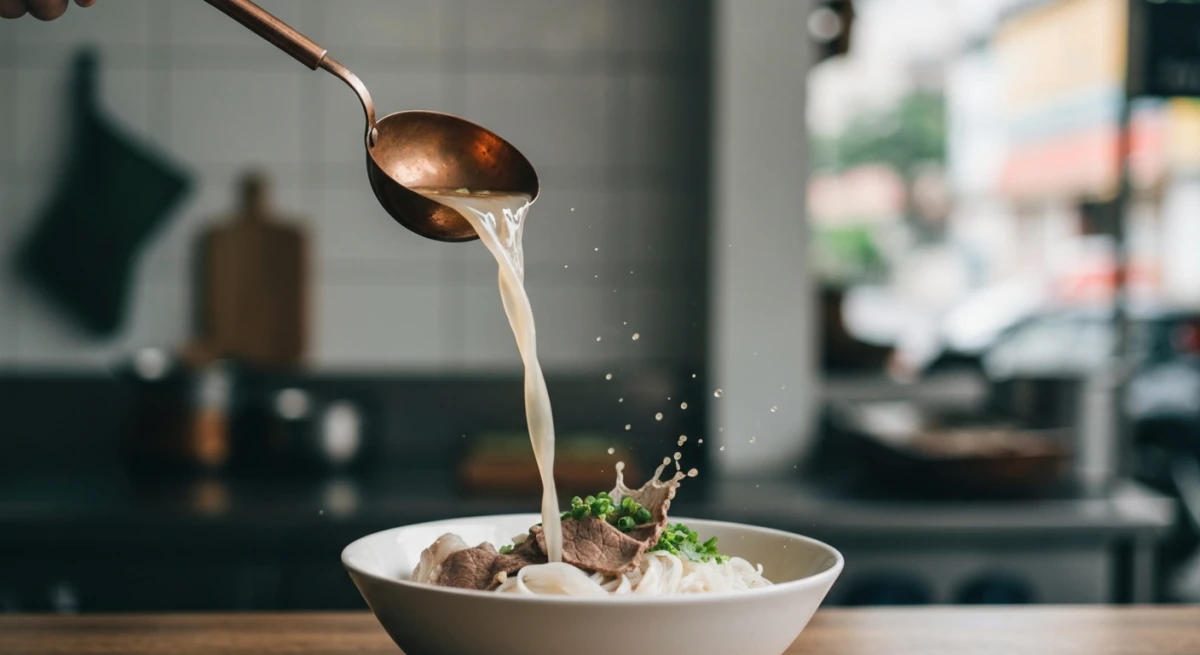
No discussion of Hanoi can begin without phở. While this noodle soup is enjoyed nationwide, Hanoi is its spiritual home. Northern-style phở is elegant and stripped-back. The broth is clear and intensely savory, simmered for upwards of twelve hours with beef marrow bones, charred ginger, onions, and warming spices like cinnamon and star anise. You won't find bean sprouts or sweet hoisin sauce here; instead, Hanoians garnish their bowls with fresh chili slices, a squeeze of lime, and a handful of green onions and coriander.
There are two main variants to seek out:
- Beef Pho (Phở Bò): For a legendary experience, head to Phở Gia Truyền Bát Đàn (49 Bát Đàn). Be prepared to wait in a queue alongside locals. Order the phở tái nạm (rare beef and flank) and make sure to grab a side of quẩy (crispy fried dough sticks) to dip into your bowl. For a richer, garlic-heavy variation, Phở Thìn Lò Đúc (13 Lò Đúc) stir-fries its beef in garlic before adding it to the bowl.
- Chicken Pho (Phở Gà): Chicken pho is lighter but equally complex. Phở Gà Nguyệt (5b Phủ Doãn) is a Michelin-recommended stall famous for both its traditional noodle soup and its phở gà trộn (dry mixed chicken noodle), where flat rice noodles are tossed in a savory sweet soy-based sauce and topped with shredded chicken, peanuts, and fried shallots.
Bún Chả: Charcoal-Grilled Perfection
If phở is Hanoi’s national dish, bún chả is its favorite lunch. This crowd-pleasing classic features smoky, charcoal-grilled pork belly slices (chả miếng) and seasoned minced pork patties (chả viên) swimming in a warm, sweet-and-sour dipping sauce made from fish sauce, vinegar, sugar, and water. It is served with a mountain of fresh rice vermicelli noodles (bún), pickled green papaya, carrots, and a giant basket of fresh herbs (perilla, Vietnamese balm, and mint).
- Tuyết Bún Chả 34 (34 Đường Thành): Tucked away in the Old Quarter, this is a beloved local favorite. The pork is incredibly smoky, grilled right on the street, and the dipping sauce is perfectly balanced. It is best enjoyed with a side of crispy crab spring rolls (nem cua bể).
- Bún Chả Hương Liên (24 Lê Văn Hưu): Known globally as the "Obama Bun Cha" spot, this is where President Barack Obama and Anthony Bourdain famously shared a meal on plastic stools in 2016. Order the "Obama Combo" which comes with a bowl of bún chả, a fried seafood roll, and a cold Bia Hanoi.
Cháo Sườn Sụn: The Silky Comfort Food
A dish frequently missed by standard tourist guides, Cháo Sườn Sụn is a revelation for anyone looking to eat Hanoi like a true resident. Unlike the grainier rice porridges found elsewhere, this Northern delicacy is made from finely ground rice flour cooked in a rich pork rib stock, giving it an incredibly smooth, velvety, almost pudding-like consistency. It is topped with tender, slow-cooked pork rib cartilage, savory pork floss (ruốc), and crispy fried dough sticks (quẩy).
- Where to try: Cháo Sườn Sụn Huyền Anh (14 Đồng Xuân) near Dong Xuan Market is legendary. It is the ultimate afternoon snack or late-night comfort food, particularly comforting during Hanoi’s chilly winter months.
Bánh Tôm Hồ Tây: Lakeside Crispy Shrimp Fritters
Born as a popular street snack around West Lake (Hồ Tây), Bánh Tôm is a masterclass in textures. Fresh whole prawns, with their shells still intact, are placed onto a sweet potato batter and deep-fried until they achieve a shatteringly crisp golden crust. The sweetness of the sweet potato and the savory crunch of the prawns pair beautifully when wrapped in fresh lettuce and dipped into a tangy garlic-chili fish sauce.
- Where to try: Head to Nhà hàng Thanh Tâm (43 Phủ Tây Hồ) near the famous Tay Ho Temple. Eating crunchy prawn fritters while overlooking the misty waters of West Lake is an essential Hanoi experience.
Chả Cá: Sizzling Turmeric and Dill Fish
Chả cá is so famous in Hanoi that an entire street in the Old Quarter was renamed after it. This dish features chunks of firm white fish (traditionally hemibagrus, or cá lăng) marinated in turmeric, galangal, and ginger, which are then fried tableside in a sizzling pan filled with generous heaps of fresh dill and green scallions. You assemble your own bowl by layering rice noodles, roasted peanuts, the sizzling fish and herbs, and drizzling it with mắm tôm (a pungent, savory fermented shrimp paste balanced with lime juice and sugar).
- Where to try: Chả Cá Thăng Long (65 Đường Thành) offers an exceptional, modern, and highly clean dining experience with fantastic service, making it a wonderful introduction to this sensory dish.
Bánh Cuốn: Translucent Steamed Rice Rolls
If you want a delicate, fresh breakfast, look no further than bánh cuốn. These ultra-thin sheets of fermented rice batter are steamed over a stretched cloth, filled with seasoned minced pork and wood-ear mushrooms, and rolled up. They are brushed with a touch of shallot oil, sprinkled with crispy fried shallots, and served alongside chả lụa (Vietnamese pork sausage) and a warm, mild dipping sauce.
- Where to try: Bánh Cuốn Bà Xuân (16 dốc Hòe Nhai) is a historic local favorite where you can watch the skilled chef steam and roll each crepe with mesmerizing speed.
Egg Coffee (Cà Phê Trứng): Liquid Tiramisu
While not a savory meal, you cannot truly eat Hanoi without experiencing its most famous sweet beverage. Invented in 1946 by Nguyen Giang during a wartime milk shortage, egg coffee consists of a shot of strong, bitter Vietnamese robusta coffee topped with a thick, decadent, airy custard whipped from egg yolks and sweetened condensed milk. It is rich, warm, and tastes remarkably like a liquid tiramisu.
- Where to try: Cà Phê Giảng (39 Nguyễn Hữu Huân) is the birthplace. Squeeze down the narrow, unassuming alleyway to the rustic courtyard inside. For a slightly stronger coffee flavor, try Cà Phê Đinh (13 Đinh Tiên Hoàng) located on the second floor overlooking Hoan Kiem Lake.
2. Neighborhood Culinary Map: Eat Hanoi District by District
Hanoi is a sprawling city, and its food scene changes subtly depending on which district you find yourself in. Mapping your meals geographically is the most efficient way to maximize your culinary adventures.
Hoan Kiem (The Old Quarter): The Street Food Heart
The Old Quarter is a labyrinth of 36 ancient streets, each historically dedicated to a specific trade. Today, it is the epicenter of street food culture. Here, culinary life happens on the sidewalks. You will find small vendors tucked into wet alleys and tiny dining areas operating out of the front rooms of historic tube houses.
- What to seek out: Classic beef pho, bún chả, fried dumplings (bánh gối), and bánh mì. Walk down Hang Buom or Hang Chieu streets at night for an endless parade of sweet gruels (chè), roasted chestnuts, and skewers.
Truc Bach & Ba Dinh: The Home of Phở Cuốn
Just north of the Old Quarter lies Truc Bach Lake, a quieter, leafier neighborhood that is famous for inventing Phở Cuốn (pho rolls). Instead of serving pho in a hot broth, inventive local cooks took uncut sheets of steamed flat rice noodles and wrapped them around stir-fried beef, fresh lettuce, and coriander.
- What to seek out: Head directly to Ngu Xa island. Along with phở cuốn, order Phở Chiên Phồng—puffed-up squares of deep-fried pho noodles that are crispy on the outside, hollow on the inside, and smothered in a rich beef and vegetable gravy.
Tay Ho (West Lake): Lakeside Views and Fresh Seafood
Tay Ho is a vast, scenic district popular with expats and affluent locals. It has a distinctly relaxed vibe. The culinary scene here ranges from hipster brunch cafes and craft breweries to traditional lakeside seafood stalls.
- What to seek out: Bánh Tôm (shrimp fritters) and Ốc (steamed sea snails cooked with lemongrass and ginger). Snails are a beloved social food in Hanoi; sitting by the breezy lake with a bowl of steaming snails, green figs, and cold beers is a local rite of passage.
Hai Ba Trung: Budget-Friendly and Authentic
Located south of Hoan Kiem, Hai Ba Trung is a residential and university district. Because of the high student population, it is the absolute best place to find incredibly cheap, creative, and highly authentic street food that remains untouched by tourism.
- What to seek out: Street-side Vietnamese BBQ, where marinated meats, mushrooms, and vegetables are grilled on foil-lined burners over direct flames, and cheap bowls of Bún Riêu Cua (crab and tomato noodle soup).
3. The 24-Hour Self-Guided Hanoi Food Itinerary
If you only have one day to dedicate entirely to your palate, follow this carefully timed, step-by-step itinerary designed to take you from a comforting breakfast to a late-night feast.
- 08:00 AM — The Breakfast of Champions: Start your morning at Phở Gà Nguyệt (5b Phủ Doãn). Order a bowl of phở gà trộn (mixed dry chicken noodle) with a side of clear broth. The sweet and savory soy dressing combined with the fresh herbs and tender shredded chicken is the perfect, energetic start to your day.
- 09:30 AM — Morning Caffeine Kick: Walk over to Cà Phê Giảng (39 Nguyễn Hữu Huân) for a hot egg coffee. Sit in the cozy, plant-filled courtyard and slowly sip the creamy, custard-like top layer before stirring it into the strong robusta coffee underneath.
- 12:30 PM — The Smoked Lunch Feast: Head to Tuyết Bún Chả 34 (34 Đường Thành). Sit on the tiny plastic stools on the pavement and order a full serving of bún chả with a side of crispy nem cua bể (crab spring rolls). Wet your noodles in the warm, smoky pork broth and enjoy.
- 03:30 PM — Mid-Afternoon Lakeside Snack: Take a short taxi ride to Truc Bach Lake and find a lakeside spot on Ngu Xa street. Order a plate of fresh Phở Cuốn and a refreshing glass of Trà Đá (iced green tea). Take a leisurely stroll along the water to digest.
- 07:00 PM — The Sizzling Dinner Ritual: Make your way to Chả Cá Thăng Long (65 Đường Thành) for dinner. Watch the staff fry the golden turmeric-marinated fish with heaps of dill right in front of you. Assemble your bowl with noodles, peanuts, herbs, and a splash of bold fermented shrimp paste.
- 09:30 PM — Midnight Sweetness & Street Life: End your night in the heart of the Old Quarter. Grab a bowl of warm, soothing Bánh Trôi Tàu (sweet ginger soup with sesame-stuffed glutinous rice balls) or pull up a plastic stool for some street-side pork BBQ at Thái Đạt (69 Hàng Bông), enjoying the vibrant, chaotic night energy of Hanoi.
4. Street Food Etiquette and Safety: How to Eat Hanoi Like a Pro
The prospect of eating street food in a foreign country can be intimidating, but a few simple habits and local insights will ensure you stay perfectly healthy while enjoying the absolute best of Hanoi's culinary offerings.
The Golden Rules of Street Food Safety
- Follow the Crowds: The single most important safety indicator is local popularity. If a stall is packed with Hanoians, it means the food has a high turnover rate. Ingredients do not sit around; everything is freshly cooked and served hot.
- The Magic of Tube Ice (Đá Viên): Many travelers fear getting sick from ice. In modern Hanoi, almost all ice is produced industrially in factories using purified, filtered water. This safe ice is easily recognizable: it is perfectly cylindrical with a hollow hole running through the center (tube ice). Avoid crushed, hand-chipped blocks of ice, which can sometimes pick up impurities during transport.
- Embrace Trà Đá (Iced Green Tea): If you want a refreshing beverage but want to avoid bottled water, order trà đá. It is brewed using boiling water, which naturally sterilizes it, before being cooled and poured over safe tube ice. It costs next to nothing and is the ultimate Hanoian thirst quencher.
- Wipe Your Utensils: Look at the table of any local street food stall. You will always see fresh lime halves and a container of napkins. Before eating, take a piece of lime, squeeze the juice over your chopsticks and metal spoon, and wipe them clean with a napkin. It is a completely standard hygienic practice that locals perform before every single meal.
- Dealing with MSG (Mì Chính): Northern Vietnamese cooking uses MSG to enhance the natural savory profile of slow-cooked bone broths. If you are highly sensitive to MSG, you can politely request your meal without it by saying: "Không mì chính" or "Không bột ngọt".
5. Frequently Asked Questions about Eating in Hanoi
Is street food in Hanoi safe to eat?
Yes, street food in Hanoi is highly safe, provided you eat at busy stalls with high customer turnover. The Vietnamese Ministry of Health has implemented strict hygiene regulations for street vendors, ensuring that food is prepared on clean, elevated surfaces and handled with gloves.
What is the main difference between Hanoi and Saigon Pho?
Hanoi phở (Northern style) is focused on minimalist elegance. The broth is clear, pure, and lightly spiced, served only with green onions, coriander, lime, and fresh chili. Southern phở (Saigon style) is sweeter, richer, uses thinner noodles, and is served with a mountain of fresh herbs, bean sprouts, hoisin sauce, and chili paste for customization.
How much does a typical street food meal cost in Hanoi?
Hanoi is incredibly budget-friendly. A steaming bowl of high-quality phở or a generous serving of bún chả typically costs between 40,000 and 80,000 VND (approximately $1.60 to $3.20 USD).
Can vegetarians easily eat in Hanoi?
Absolutely. While many traditional street food dishes are meat-centric, Hanoi has a flourishing Buddhist vegetarian culture. Look for signs that say Quán Chay or Cơm Chay (vegetarian food/rice) for delicious, inexpensive, plant-based buffets and traditional dishes recreated with tofu and mushrooms.
Where is the famous street where Anthony Bourdain and Barack Obama ate?
They ate at Bún Chả Hương Liên located at 24 Lê Văn Hưu in the Hai Ba Trung district. The table they used is actually preserved in a glass case, and visitors can still order the exact meal they shared by asking for the "Combo Obama."
Conclusion
Hanoi is a city that reveals its true self through its food. To truly eat Hanoi is to look past the chaos of the traffic, pull up a tiny blue plastic stool on a busy sidewalk, and lose yourself in a bowl of hot, aromatic broth. By stepping out of your comfort zone and embracing the local culinary map, you will discover that the capital's street food isn't just a quick meal—it is the very beating heart of Hanoi’s history, culture, and community.