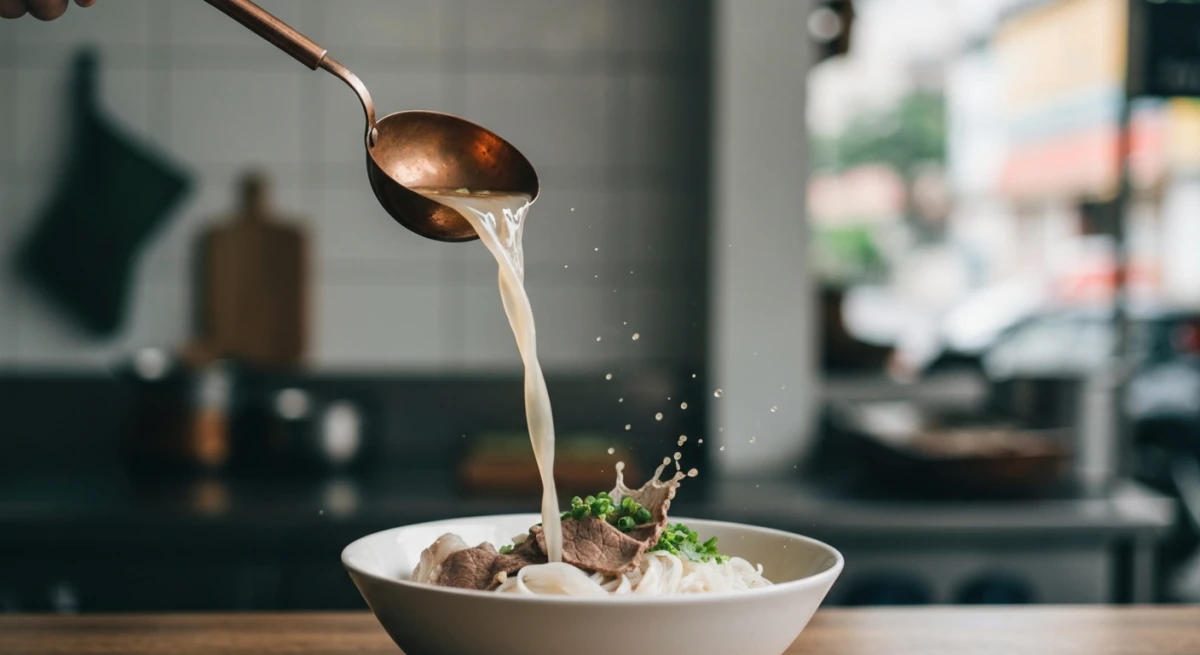
For travelers touching down in Vietnam, Hanoi is celebrated for its historic, delicate broths, and Ho Chi Minh City for its sweet, chaotic, and diverse street stalls. But if you want to experience the absolute pinnacle of Vietnam's culinary creativity, you must head to the coast. Eating in Da Nang is a revelation. Nestled between the ancient imperial capital of Hue and the rustic charm of Hoi An, this coastal powerhouse is a crossroads where royal culinary complexity meets hearty, sun-soaked coastal flavors.
Whether you are slurping turmeric-tinted noodles on a tiny plastic stool, peeling grilled giant prawns overlooking the East Sea, or sipping salted cream coffee in a hidden alleyway café, eating in Da Nang is an unforgettable sensory adventure. In this ultimate food guide, we will unpack the must-try dishes, point you to the absolute best spots (including MICHELIN-honored local gems), and teach you the local dining etiquette so you can eat like a local.
The Core Flavors of Central Vietnam: Why Da Nang Eating is Different
To truly appreciate eating in Da Nang, you have to understand the geography and history of Central Vietnam. Unlike the milder, herb-forward plates of the North or the sweet, sugar-and-coconut-laced dishes of the South, Central Vietnamese cuisine is bold, intensely savory, and unapologetically spicy. It is a terroir defined by rugged coastlines, mountainous borders, and a historical heritage shaped by the Nguyen Dynasty emperors who demanded creative, visually stunning meals.
In Da Nang, this manifests as a beautifully chaotic food scene. The city's dishes rely heavily on raw, pungent aromatics: lemongrass, garlic, bird's eye chilies, banana blossoms, and purple perilla leaves. Rather than masking the ingredients, cooks use fermented fish sauces—specifically mắm nêm (fermented anchovy sauce) and mắm ruốc (shrimp paste)—to deliver deep, umami-rich undertones that linger on the palate. Rice is also transformed into endless vessels: thin, dry paper for wrapping; thick, hand-cut turmeric noodles; and delicate, steamed water-fern cakes.
Furthermore, Da Nang is a coastal city. The cool morning breeze brings in fresh catches that land on restaurant grills by lunchtime. Because of this proximity to the ocean, seafood isn't a luxury here—it's a daily staple. When eating in Da Nang, you will notice a wonderful duality: the comforting, rustic mountain-and-river recipes of Quang Nam province side-by-side with the ultra-fresh, salty delicacies of the sea.
7 Iconic Dishes You Must Try While Eating in Da Nang (and Where to Find Them)
If you want to skip the standard tourist traps and experience the real soul of the city, these seven dishes should be at the absolute top of your culinary itinerary. Each represent a different facet of the local heritage.
1. Mì Quảng (Quang Noodles)
Mì Quảng is the undisputed king of Da Nang's local food scene. Originating from the surrounding Quang Nam province, this dish is a sensory masterpiece of colors, textures, and temperatures. Unlike Pho, which features a deep well of clear broth, Mì Quảng is served with only a splash of highly concentrated, savory broth at the bottom of the bowl—just enough to coat the wide, flat rice noodles, which are often tinted yellow with fresh turmeric.
The noodles are topped with a protein of your choice (pork, shrimp, chicken, or quail eggs), a scattering of roasted peanuts, toasted sesame rice crackers (bánh tráng nướng), and a massive basket of fresh local greens, including shredded banana blossoms, mint, and Vietnamese coriander.
How to eat it: Do not just dive in with your chopsticks. First, squeeze in a wedge of lime and add a few slices of fresh green chili. Break up the crispy sesame rice cracker and throw it directly into the bowl. Toss everything together vigorously so the tiny pool of broth coats every noodle and herb, then enjoy the crunch of the cracker alongside the tender chew of the noodles.
Where to eat it:
- Mì Quảng 1A (1A Hai Phong St, Hai Chau District): A legendary local spot operating for decades, known for its rich, traditional pork and shrimp Mì Quảng.
- Mì Quảng Bà Mua (95A Nguyen Tri Phuong): A highly popular chain among locals that serves a fantastic variety, including beef, chicken, and frog Mì Quảng.
2. Bánh Xèo & Nem Lụi (Sizzling Pancakes & Lemongrass Pork Skewers)
If you love hands-on eating, Bánh Xèo is going to be your new favorite meal. The name translates literally to "sizzling cake," referencing the sound the rice-flour and turmeric batter makes when it hits a blazing-hot, oil-slicked cast-iron skillet. The pancake is fried to an ultra-shatteringly crispy golden brown, folded over, and stuffed with pork belly, tiny sweet shrimp, and fresh bean sprouts. It is almost always paired with Nem Lụi—ground pork seasoned with garlic and fish sauce, wrapped around lemongrass stalks and grilled over charcoal until smoky.
What truly sets Da Nang's Bánh Xèo apart is the dipping sauce. While Southern Vietnam serves these crepes with a sweet, diluted fish sauce (nước chấm), Central Vietnam uses a warm, incredibly rich, thick sauce made from pork liver, ground peanuts, and sesame seeds. It is savory, nutty, and deeply complex.
How to eat it: Take a sheet of dry rice paper. Layer on a leaf of fresh lettuce, some spicy mustard greens, and pickled cucumber or green mango. Place a piece of the crispy Bánh Xèo and a smoky Nem Lụi (sliding it off the lemongrass skewer) inside. Roll it up tightly, dip it generously into the warm peanut-liver sauce, and take a big bite.
Where to eat it:
- Bánh Xèo Bà Dưỡng (K280/23 Hoang Dieu, Hai Chau District): Tucked deep inside a maze-like alley, this is Da Nang's most famous Bánh Xèo restaurant. Follow the smoke and the crowds—it is loud, chaotic, and utterly delicious.
3. Bún Chả Cá (Fish Cake Noodle Soup)
For a lighter, ocean-forward breakfast or lunch, locals turn to Bún Chả Cá. This vibrant orange fish-cake noodle soup is a staple of coastal central Vietnam. The broth is a labor of love, simmered for hours using sweet fish bones, fresh tomatoes, pumpkin, pineapple, cabbage, and local bamboo shoots. This combination yields a broth that is naturally sweet, savory, and slightly sour without relying on heavy artificial seasonings.
Inside the bowl, you will find thick, bouncy rice vermicelli noodles and a mixture of fish cakes: some are steamed (chả cá hấp) to highlight their delicate texture, while others are fried (chả cá chiên) for a caramelized, savory bite.
How to eat it: Elevate your bowl by adding a spoonful of minced garlic, pickled red chilies, a squeeze of lime, and a small dab of pungent mắm ruốc (shrimp paste) which is always provided on the table. Stir it up to unlock a deeply savory depth of flavor.
Where to eat it:
- Bún Chả Cá Bà Phiến (63 Le Hong Phong, Hai Chau District): Serving hungry locals for over 30 years, this spot is legendary for its rich broth and generous portions of homemade fish cakes.
- Bún Chả Cá 109 (109 Nguyen Chi Thanh): Another classic downtown establishment that offers both standard fish cake soup and variations featuring whole chunks of mackerel or tuna.
4. Bánh Tráng Cuốn Thịt Heo (Sliced Pork Rolled in Rice Paper)
Bánh Tráng Cuốn Thịt Heo is a celebration of simple ingredients executed with absolute perfection. At its core, the dish consists of boiled pork belly sliced thin, served alongside a platter of paper-thin, dual-texture rice paper (a unique combination of a soft, steamed rice sheet laid over a dry, crispy sheet), and a massive forest of raw greens—often featuring up to 15 different types of herbs, including wild mint, banana flower, lettuce, cucumber, green banana, and star fruit.
The real secret to this dish is the dipping sauce: mắm nêm. This is a pungent, fermented anchovy sauce spiked with crushed pineapple, chili, garlic, sugar, and lime. It has a funky, powerful aroma that might intimidate first-timers, but once you taste the sweet, salty, spicy explosion, you will be hooked.
How to eat it: Lay the dry rice paper flat, gently press the moist, freshly steamed rice sheet onto it so they stick together. Lay down your bed of diverse green herbs, top it with a slice of pork belly (which should have a thin layer of fat on both ends), roll it tightly, and dip it deep into the mắm nêm.
Where to eat it:
- Quán Mậu (35 Do Thuc Tinh, Cam Le District): Highly praised by culinary purists as the most authentic, rustic spot in town.
- Quán Trần (4 Le Duan, Hai Chau District): A more upscale, clean, and comfortable restaurant chain that is perfect for those who want a softer introduction to the dish in an air-conditioned setting.
5. Cháo Vịt (Duck Porridge)
Porridge might not be the first thing you think of when visiting a tropical coastal city, but Cháo Vịt is a beloved local comfort food, particularly in the cool evenings. In fact, Da Nang's duck porridge scene is so remarkable that local spots like Quán Nhân have earned recognition in the prestigious MICHELIN Guide under the Bib Gourmand category.
The dish starts with a rich, velvety rice porridge simmered with mung beans, ginger, and duck broth. It is served alongside a plate of tender, succulent poached duck (sourced from local free-range breeds) and a vibrant, crunchy salad of shredded cabbage, banana blossom, and fresh herbs tossed in a sweet-and-sour dressing.
How to eat it: Drizzle the sweet ginger-chili fish sauce (nước mắm gừng) over the duck meat, eat a piece of duck with some crunchy cabbage salad, and follow it up with a warm, comforting spoonful of the ginger-infused porridge.
Where to eat it:
- Quán Nhân (Bib Gourmand, MICHELIN Guide): Famous for its slow-simmered porridge and melt-in-your-mouth duck meat. It is a bustling, no-frills local spot that delivers elite comfort food.
6. Cơm Gà (Chicken Rice)
While Hoi An is famous for its delicate, shredded chicken rice, Da Nang offers its own heavy-hitting version that focuses on crispy, satisfying textures. The rice itself is cooked in chicken fat, broth, and fresh turmeric, giving it a beautiful yellow glow and a rich, savory aroma.
You can order it two ways: Cơm Gà Xé (shredded chicken tossed with Vietnamese coriander, onions, and lime) or Cơm Gà Quay (a whole chicken thigh fried to a deep, shatteringly crispy golden brown while remaining incredibly juicy on the inside). It is served with a bowl of light chicken broth, pickled vegetables, and a fiery chili garlic sauce.
Where to eat it:
- Cơm Gà A Hải (96 Phan Chu Trinh, Hai Chau District): Arguably the most famous chicken rice spot in Da Nang. The fried chicken thighs here are legendary for their crispiness, and the place is constantly packed.
7. Fresh Coastal Seafood (Hải Sản)
No guide to eating in Da Nang would be complete without diving into the city's spectacular seafood scene. Known locally as Hải Sản, dining at a local seafood joint is as much a social ritual as it is a meal. These spots are typically massive, open-air halls lined with red plastic chairs, lit by bright fluorescent lights, and filled with the roar of laughing locals clinking beer glasses.
Along the walls, you will find rows of bubbling blue tanks filled with live crabs, clams, mantis shrimp, oysters, sea snails, and fish. You point to what you want, negotiate the price per kilogram, and choose your cooking style.
How to order: For clams, go with Hấp Sả (steamed with lemongrass). For prawns or lobsters, choose Nướng Muối Ớt (grilled with chili salt) or Sốt Bơ Tỏi (stir-fried in a rich garlic butter sauce). For sea snails or mud creepers, try Xào Sả Ớt (stir-fried with lemongrass and chili).
Where to eat it:
- Hải Sản Năm Đảnh (K139/H59/38 Tran Quang Khai, Son Tra District): A legendary budget-friendly spot hidden deep within a maze of residential alleyways. It is wildly popular among local students and families for its incredibly cheap, fresh, and spicy seafood plates.
- Hải Sản Bé Mặn (Binh Minh 2, Vo Nguyen Giap): Located right on the main beachfront road, this is a massive, high-energy venue. It is slightly more expensive, but the sheer variety of live seafood and the sea-breeze atmosphere make it an essential Da Nang experience.
Navigating the Food Neighborhoods: Where to Go Hungry
To map out your culinary adventures, it helps to understand how Da Nang's geography dictates its food culture. The Han River splits the city in half, creating distinct dining districts that cater to different vibes.
Hai Chau (The Traditional Downtown)
Hai Chau is the historic heart of Da Nang. Located on the western side of the Han River, this neighborhood is defined by narrow streets, traditional tube houses, and generational family-run eateries. If you are looking for authentic street food, old-school noodle joints, and traditional markets, this is your playground.
Spend your mornings wandering through Con Market (Chợ Cồn), where a dedicated food court serves up cheap bowls of Bún Mắm, sweet soups (Chè), and savory rice cakes at breakneck speed. For a more tourist-friendly market experience, head to Han Market (Chợ Hàn), which is perfect for buying local dried specialties like beef jerky, dried squid, and local coffees.
My An & An Thuong (The Expat and Vegan Enclave)
On the eastern side of the river, just steps from the white sands of My Khe Beach, lies the My An and An Thuong neighborhood. Historically a fishing village, this area has transformed into a hip, cosmopolitan hub popular with digital nomads, expats, and travelers.
Here, the culinary landscape is remarkably diverse. Alongside local street food stalls, you will find modern brunch spots, craft breweries, and some of the best vegetarian and vegan food in Southeast Asia. Because of a strong expat influence, places like Roots Plant-Based Cafe serve gorgeous smoothie bowls and avocado toasts, while spots like Loving Vegan and Chickpea Eatery offer incredible, clean plant-based reinterpretations of traditional Vietnamese classics.
Son Tra (The Seafood Strip)
Running north along the coastline is the Son Tra Peninsula beachfront. This is the undisputed epicentre of Quán Nhậu (local drinking and dining culture). As soon as the sun sets, the sidewalks along Vo Nguyen Giap street light up with charcoal grills and towering displays of fresh fish. It is the perfect place to feel the salty ocean breeze while enjoying cold beers and hot plates of garlic butter clams.
Street Food Etiquette and Safety: Eat Like a Local
For many travelers, the idea of sitting on a tiny plastic stool on a busy sidewalk can be slightly intimidating. However, street dining is where the magic happens. Here are a few insider tips to help you navigate Da Nang's street food stalls with confidence.
1. Decoding the Table Set-Up
When you sit down at a local street food spot, you will notice a standard array of condiments: a jar of pickled garlic, a bowl of fresh whole green chilies, a plate of limes, and jars of chili paste, fish sauce, and shrimp paste. These are not just decoration—Vietnamese cuisine is highly customizable. Locals expect you to doctor your bowl to suit your exact tastes. Do not be afraid to squeeze, splash, and mix.
On the table, you will also see a basket of fresh herbs. These are washed and safe to eat. Tear them up and add them to your hot soups to wilt them slightly, or use them to wrap your crispy fried meats.
2. The Ice and Water Question
One of the biggest concerns for travelers is food hygiene, specifically surrounding ice (đá). In Da Nang, you can breathe easy: the vast majority of ice used in restaurants and street stalls is manufactured in dedicated, sterile ice factories. This ice is easily recognizable by its hollow, cylindrical shape. If you see this tube-shaped ice, it is perfectly safe to consume.
Avoid crushed block ice, which is occasionally used to chill beer bottles externally, and stick to bottled water rather than drinking tap water.
3. Cleaning Your Chopsticks
You will notice that local street stalls often have a basket of chopsticks and spoons on the table, alongside a container of paper tissues and fresh limes. It is a common local ritual to take a tissue, squeeze a bit of lime juice onto it, and thoroughly wipe down the tips of your chopsticks and spoon before eating. It is a quick, sanitary habit that shows you know the local ropes.
4. Vegetarian and Vegan Survival (Quán Chay)
If you are a vegetarian or vegan, eating in Da Nang is surprisingly easy. Simply look for signs that read Quán Chay (Vegetarian/Vegan Restaurant). Buddhism is deeply woven into the local culture, and many Vietnamese locals eat strictly vegan food on the 1st and 15th days of the lunar month.
Because of this, even non-vegetarian street stalls will often offer a delicious vegetarian alternative on these days, and dedicated Quán Chay spots serve up incredibly realistic mock-meats made from mushrooms, tofu, and jackfruit that will blow your mind.
Beyond the Plate: Da Nang's Coffee and Drink Culture
Eating in Da Nang is only half the journey; the city's drink scene is equally legendary. Coffee is not just a morning pick-me-up here—it is a lifestyle, a social gathering, and an art form.
Cà Phê Muối (Salted Coffee)
Originally hailing from the imperial city of Hue, Salted Coffee has taken Da Nang by storm. It sounds unusual, but the science behind it is perfect. Strong, dark-roast robusta coffee is dripped through a traditional metal filter (phin) over sweet condensed milk, topped with a thick, velvety layer of salted cream. The salt cuts through the natural bitterness of the robusta beans and balances the intense sweetness of the condensed milk, creating a rich, caramel-like flavor profile that is highly addictive.
Cà Phê Cốt Dừa (Coconut Coffee)
If you have a sweet tooth, Coconut Coffee is a must-try. It is essentially a culinary dessert: dark, robust espresso poured over a thick, icy slushie made from blended coconut milk and condensed milk. It is creamy, icy, and incredibly refreshing on a humid tropical afternoon.
Craft Beer and Nightlife
Da Nang also boasts one of the most exciting craft beer scenes in Vietnam. After a long day of exploring, head to the riverfront to visit 7 Bridges Brewing Co., a pioneer in the local craft beer scene known for its award-winning IPAs and stunning views of the famous Dragon Bridge. It is the perfect place to toast to a day of incredible culinary discoveries.
FAQ: Common Questions About Eating in Da Nang
How much does a typical meal cost in Da Nang?
Eating in Da Nang is remarkably affordable. A bowl of local noodles like Mì Quảng or Bún Chả Cá at a street food spot typically costs between 30,000 to 45,000 VND ($1.20 to $1.80 USD). A sit-down dinner at a local Vietnamese restaurant will run about 100,000 to 150,000 VND ($4.00 to $6.00 USD) per person. Fresh seafood is more expensive, but a massive feast of crabs, clams, and prawns with beers will usually cost around 300,000 to 500,000 VND ($12.00 to $20.00 USD) per person.
Is tap water safe to drink in Da Nang?
No, you should avoid drinking tap water directly in Da Nang. Stick to bottled water, which is cheap and widely available at every convenience store and street cart. However, as mentioned earlier, ice served in drinks at established restaurants and street food stalls is almost always made from purified water in factories and is safe.
What are the best night markets in Da Nang for food?
The two best night markets for food lovers are Son Tra Night Market (located right next to the Dragon Bridge, great for grilled lobster, street snacks, and smoothies) and Helio Night Market (located near the city center, which has a massive, clean, and highly organized food court area with live music and draft beers).
Is English widely spoken in local restaurants?
In tourist-centric areas like My An/An Thuong and major beachfront seafood restaurants, basic English is widely spoken and menus often feature English translations. In deep, local street stalls in the Hai Chau district, English might be limited. However, pointing, smiling, and using Google Translate will easily get you exactly what you need. Vietnamese locals are incredibly warm and eager to help you enjoy their food.
What is the tipping culture like in Da Nang?
Tipping is not historically part of Vietnamese culture, and it is not expected at local street food stalls or casual restaurants. However, in modern Western cafes, high-end dining establishments, or for exceptional service at a seafood joint, leaving a small tip of 5% to 10% (or leaving the change) is highly appreciated.
Conclusion
Eating in Da Nang is more than just a way to refuel—it is an immersion into the very heart of Central Vietnamese culture. It is a city where every alleyway holds the promise of a sizzling pancake, a steaming bowl of turmeric noodles, or a glass of rich, salted cream coffee. By stepping away from the Western comfort zones and embracing the energetic, plastic-stool dining scene, you will unlock flavors that are bold, complex, and deeply memorable. Pack your appetite, leave your culinary hesitations at the door, and prepare to fall in love with one of the greatest food cities in Asia.