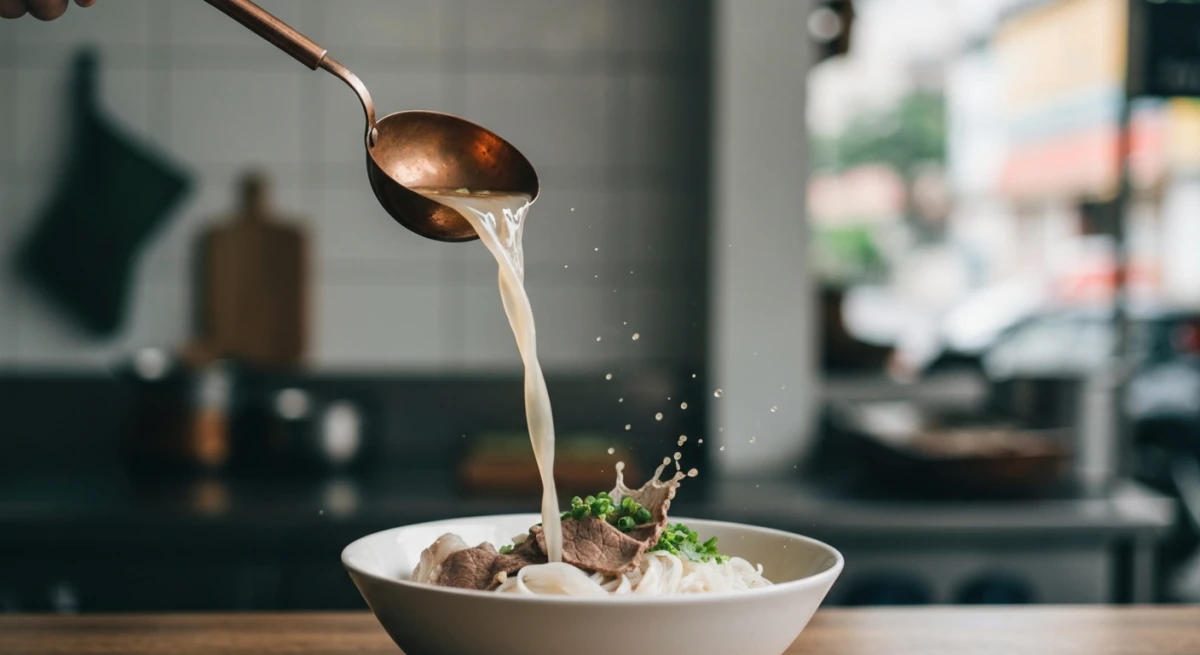
Few cities on earth assault the senses quite like Saigon. The air is thick with the sweet aroma of charcoal-grilled pork, the pungent steam of slow-cooked bone broths, and the crisp fragrance of fresh herbs. If you are planning a trip to southern Vietnam, discovering the most famous food in Ho Chi Minh City is likely at the top of your itinerary.
Unlike the more conservative, tradition-bound food scene of Hanoi, the culinary landscape in Ho Chi Minh City (still affectionately called Saigon by locals) is loud, sweet, bold, and experimental. It is a true culinary melting pot, shaped by mass migration from other Vietnamese provinces, Chinese-Cambodian trade routes, and French colonial history.
In this comprehensive guide, we will take you on a deep dive into the absolute best and most famous food in Ho Chi Minh City. We will bypass the generic tourist traps to show you exactly what to order, how to eat it like a local, and the legendary, generations-old stalls where Saigonese foodies actually go.
The Culinary DNA of Saigon: A Melting Pot of Flavors
To truly appreciate Saigon’s food, you must first understand its geography and history. Located in the fertile south, close to the bounty of the Mekong Delta, Saigon has access to an incredible abundance of fresh tropical fruits, vegetables, and seafood.
Southern Vietnamese cuisine favors bolder flavor profiles than its northern counterpart. Here, dishes lean sweeter due to the liberal use of coconut milk and sugar cane. They are also spicier, fresher, and served with a literal mountain of raw greens and herbs.
Furthermore, Saigon’s food is heavily influenced by history:
- The French Influence: Left behind the baguette (which evolved into the crispy bánh mì), rich pâtés, mayonnaise, and condensed milk.
- The Chinese Influence: Brought by Teochew and Cantonese immigrants who settled in the Cholon (Chinatown) district, introducing wok-fried noodle dishes, dumplings, and roasting techniques.
- The Khmer & Mekong Influence: Contributed complex noodle soups like hủ tiếu and the pungent, umami-rich fermented fish bases used in southern hotpots.
Now, let's explore the legendary dishes that define this vibrant metropolis.
1. Cơm Tấm (Broken Rice): The Soul of Saigon
If Hanoi is a city powered by noodle soup, Saigon is a city built on a foundation of broken rice. Cơm Tấm is, without a doubt, the most famous food in Ho Chi Minh City.
Historically, "broken rice" refers to the fractured rice grains damaged during the milling process. Because these broken grains could not be sold to wealthy buyers, poor farmers and working-class Saigonese kept them for themselves. They discovered that when steamed, the smaller grains absorbed flavors beautifully and cooked into a unique, fluffy, slightly dry texture. Today, it is a beloved daily staple eaten for breakfast, lunch, and dinner alike.
Deconstructing the Perfect Plate of Cơm Tấm
A standard plate of Cơm Tấm Sườn Bì Chả is a masterclass in texture and flavor balance:
- Sườn Nướng (Grilled Pork Chop): The star of the show. Thick pork chops marinated in a secret blend of fish sauce, honey, lemongrass, shallots, garlic, and sometimes condensed milk, then grilled over glowing charcoal until sticky, caramelized, and smoky.
- Bì (Shredded Pork Skin): Thinly sliced, chewy pork skin tossed with toasted, ground-rice powder (thính), which adds a subtle nutty flavor and fascinating texture.
- Chả Chưng (Steamed Egg Meatloaf): A savory, dense meatloaf made from minced pork, wood ear mushrooms, glass noodles, and eggs, steamed to perfection.
- Trứng Ốp La (Sunny-Side Up Egg): Cooked so the yolk remains perfectly runny, ready to be broken over the rice.
- The Garnishes: A drizzle of mỡ hành (scallion oil) to add richness, đồ chua (pickled daikon and carrots) to cut through the grease, and a generous bowl of sweet, garlicky nước mắm pha (diluted fish sauce) poured over the entire plate.
Where to Eat Cơm Tấm in Saigon
- Cơm Tấm Ba Ghiền (84 Đặng Văn Ngữ, Phú Nhuận District): This legendary spot received a Michelin Bib Gourmand nod. Their pork chops are famously massive—so large they completely obscure the rice underneath. The marinade is sweet, intensely smoky, and absolutely addictive.
- Cơm Tấm Nguyễn Văn Cừ (74 Nguyễn Văn Cừ, District 5): Known as one of the most expensive broken rice plates in the city, but locals swear by its premium quality. The pork here is cut thick, grilled to order, and incredibly juicy.
2. Bánh Mì: The Ultimate Street Sandwich
While you can find bánh mì all over Vietnam, Saigon is its spiritual home and the place where it evolved from a French breakfast plate into a portable street-food icon.
French colonists brought the baguette, butter, and cold cuts to Indochina. However, it was local Vietnamese bakers who revolutionized the bread by adding rice flour to the wheat dough. This created a baguette that was lighter, airier, and featured an incredibly thin, ultra-crispy crust that shattered upon bite. They then swept aside the plate, stuffed the meats directly inside the bread, added fiery chilies and sour pickles, and created the sandwich the world loves today.
The Anatomy of a Saigon-Style Bánh Mì
Unlike northern versions which tend to be simpler, a classic southern bánh mì thịt is loaded with contrasting ingredients:
- A thick swipe of rich, savory pork-liver pâté.
- A smear of house-made egg-yolk mayonnaise (bơ).
- Layered Vietnamese cold cuts (chả lụa, headcheese, and cured ham).
- Savory, sweetened pork floss (chà bông).
- Crunchy cucumber spears, fresh cilantro, and julienned pickled carrots and daikon.
- Fresh slices of spicy bird's eye chili and a quick dash of maggi seasoning sauce.
The Great Bánh Mì Debate: Where to Eat
- Bánh Mì Huỳnh Hoa (26 Lê Thị Riêng, District 1): Often hailed as the heavy-weight champion of Saigon street food. This is an absolute beast of a sandwich, packed with nearly a dozen layers of meats, pâté, and floss. It is rich, incredibly filling, and easily shared by two people. Expect long lines of delivery drivers and tourists.
- Bánh Mì Hồng Hoa (54 Nguyễn Văn Tráng, District 1): If Huynh Hoa feels too heavy, Hong Hoa is your answer. Their bread is baked fresh on-site, offering an unparalleled crunch. The ratio of rich pâté to crisp, fresh vegetables is perfectly balanced, making for a lighter, more refreshing bite.
- Bánh Mì Bảy Hổ (19 Huỳnh Khương Ninh, District 1): A humble, historic street cart that has been serving hungry locals for over 80 years. Their secret weapon is a warm, incredibly fragrant house-made pâté that has a looser, melt-in-your-mouth texture.
3. Hủ Tiếu Nam Vang: The South's Signature Noodle Soup
While travelers flock to Vietnam expecting phở, locals in Saigon are just as likely to start their day with a bowl of hủ tiếu. Specifically, Hủ Tiếu Nam Vang (Phnom Penh noodle soup).
This dish represents Saigon’s multicultural history. It originated in Phnom Penh, Cambodia (Nam Vang is the Vietnamese name for the Cambodian capital), and was brought to Saigon by Chinese and Khmer immigrants. Over the decades, it was heavily adapted to suit southern Vietnamese tastes.
The Flavor Profile
The backbone of Hủ Tiếu Nam Vang is its intensely sweet, savory, and aromatic broth, simmered for hours using pork bones, dried squid, and dried shrimp. The noodles used are hủ tiếu noodles—chewy, translucent, and made from tapioca starch.
What makes this noodle dish so famous is the sheer variety of toppings packed into one bowl:
- Minced pork (which clouds the broth delightfully)
- Slices of tender lean pork
- Succulent whole boiled shrimp
- Quail eggs
- Pork liver and heart (highly traditional, though you can ask to omit them)
- Crispy, golden bits of fried garlic and shallots
Wet vs. Dry: How to Order
When ordering Hủ Tiếu Nam Vang, you will be asked: "Nước" (wet/soup) or "Khô" (dry)?
- Hủ Tiếu Nước: The classic noodle soup experience, where everything is served together in a steaming, fragrant bowl.
- Hủ Tiếu Khô (Highly Recommended): The noodles are served in a dry bowl, tossed in a rich, sweet, and savory dark soy and oyster sauce glaze. All the meat toppings are piled on top, and the pork broth is served on the side in a separate bowl. This style allows you to appreciate the chewy, sauce-coated texture of the noodles before sipping the hot broth.
Where to Eat Hủ Tiếu Nam Vang
- Hủ Tiếu Nhân Quán (122D Cách Mạng Tháng 8, District 3): A beloved institution that operates late into the night. Their dry version is legendary, featuring perfectly chewy noodles, beautifully caramelized sauce, and incredibly fresh seafood.
- Hủ Tiếu Thanh Xuân (62 Tôn Thất Thiệp, District 1): A historic lane-way stall that has been operating since 1946. They are famous for adding a splash of crab-infused sauce to their dry noodles, giving the dish a unique, luxurious depth.
4. Southern-Style Phở: Sweet, Herbaceous, and Bold
You cannot write about the famous food in Ho Chi Minh City without addressing phở. However, the phở you eat in Saigon is fundamentally different from the phở of Hanoi.
Northern phở (Phở Bắc) is minimalist and refined. The broth is clear and delicate, focused purely on the clean taste of beef, ginger, and subtle spices. No herbs are added other than green onions and cilantro.
Southern phở (Phở Nam), by contrast, is a flamboyant affair. The broth is darker, cloudier, and noticeably sweeter, heavily seasoned with charred onions, ginger, star anise, cinnamon, and cloves.
The Southern Phở Experience
When you order a bowl of beef phở (Phở Bò) in Saigon, it comes with a sprawling array of accompaniments:
- The Herb Basket: A massive plate piled high with fresh Thai basil (húng quế), culantro/sawtooth herb (ngò gai), rice paddy herb (ngò ôm), and raw bean sprouts.
- The Sauces: Squeeze bottles of sweet hoisin sauce (tương đen) and spicy chili sauce (tương ớt) are on every table. Locals squirt these directly into the broth to sweeten and spice it, or create a small dipping saucer for the beef.
- The Beef Cuts: You can customize your meat toppings. Popular options include tái (rare sliced beef), nạm (flank), gầu (fatty brisket), gân (tendon), and bò viên (Vietnamese beef meatballs).
Where to Eat Southern-Style Phở
- Phở Hòa Pasteur (260C Pasteur, District 3): Operating for over 40 years, this is arguably the most famous phở shop in the city. The broth is deeply fragrant, complex, and sweet. The tables are perpetually laden with plates of fresh herbs, lime, chilies, and quẩy (crispy Chinese fried dough sticks, which you dip into the broth).
- Phở Lệ (303-305 Võ Văn Tần, District 3): Extremely popular among local Saigonese. The broth here is richer, oilier, and sweeter than Pho Hoa's, with exceptionally tender cuts of beef and highly praised homemade beef balls.
5. Bún Thịt Nướng: Refreshing Charcoal-Grilled Pork Noodles
For those hot, humid Saigon afternoons when a hot bowl of soup feels too overwhelming, Bún Thịt Nướng is the perfect solution. It is a dry, cold rice vermicelli noodle salad that is refreshing, highly textured, and incredibly satisfying.
While Hanoi has Bún Chả (where grilled pork patties are served in a warm dipping broth alongside noodles), Saigon has Bún Thịt Nướng, where all the elements are layered into a single bowl.
The Perfect Bowl
To eat Bún Thịt Nướng, you pour a generous amount of sweet, garlicky nước chấm (fish sauce dressing) over the bowl and toss everything together. The magic lies in the contrast of temperatures, textures, and flavors:
- The Base: Cold, silky bún (rice vermicelli noodles) layered over a bed of shredded lettuce, cucumber, bean sprouts, and fresh mint.
- The Protein: Warm, smoky pork shoulder, marinated in lemongrass, garlic, sesame, and fish sauce, grilled over open charcoal flames.
- The Crunch: Deep-fried, crispy spring rolls (chả giò) stuffed with pork and taro, chopped into bite-sized pieces.
- The Toppings: A spoonful of roasted crushed peanuts and savory scallion oil.
Where to Eat Bún Thịt Nướng
- Bún Thịt Nướng Chị Tuyền (175 Cô Giang, District 1): A bustling street-side eatery famous for its generous portions. Their grilled pork is incredibly tender, and they add unique stir-fried beef to the bowl upon request. Their crispy spring rolls are legendary.
6. Sizzling Crispy Crepes: Bánh Xèo and Bánh Khọt
Bánh Xèo literally translates to "sizzling cake," named after the loud, dramatic hiss the savory rice-flour batter makes when it hits a searingly hot, oil-slicked skillet.
While bánh xèo is eaten across Vietnam, the southern version found in Ho Chi Minh City is massive. While central Vietnamese crepes are small and thick, a southern bánh xèo is paper-thin, incredibly crispy, and can easily be the size of a large frying pan.
How Bánh Xèo is Made and Eaten
The batter is a vibrant yellow color, derived from turmeric powder, and is mixed with coconut milk to give it a rich, subtle sweetness. It is poured into a large wok and swirled thin. The chef then stuffs the crepe with pork belly, small whole shrimp, mung beans, and fresh bean sprouts, folding it in half once the edges get shatteringly crisp.
The Eating Ritual: You do not eat bánh xèo with chopsticks directly. Instead, you use your hands:
- Tear off a piece of the crispy, hot crepe.
- Place it inside a large, fresh mustard green leaf (lá cải xanh) or a lettuce leaf.
- Add herbs like Vietnamese mint and Thai basil.
- Roll it up tightly like a wrap.
- Dip it deep into sweet-and-sour fish sauce (nước mắm chua ngọt) and take a bite.
Bánh Khọt: The Bite-Sized Cousin
Often sold alongside bánh xèo is Bánh Khọt. These are miniature, bite-sized savory pancakes cooked in special cast-iron molds. They have a crispy exterior, a soft, creamy coconut-milk interior, and are topped with a single shrimp, scallion oil, and dried shrimp powder. You wrap and eat them in the exact same manner as bánh xèo.
Where to Eat Bánh Xèo & Bánh Khọt
- Bánh Xèo 46A (46A Đinh Công Tráng, District 1): Made globally famous by the late Anthony Bourdain, this open-air restaurant still serves some of the best crepes in town, cooked over traditional charcoal stoves.
- Bánh Khọt Cô Ba Vũng Tàu (402-404 Cao Thắng, District 10): A clean, sit-down restaurant that specializes in incredibly crispy, clean, and delicious bánh khọt with various premium toppings.
7. The Nightlife Ritual: Feast on Ốc (Snails and Shellfish)
In Saigon, eating snails (ăn ốc) is not just about the food; it is a vital social ritual. It is the ultimate expression of nhậu—the Vietnamese culture of gathering with friends after dark, drinking ice-cold beer, and feasting on shared plates in a loud, energetic street-side setting.
Do not let the word "snails" intimidate you. Saigon’s snail stalls serve an astonishing variety of fresh saltwater and freshwater shellfish, crabs, clams, and scallops, all cooked to order in highly inventive, fragrant sauces.
Essential Snail Dishes to Order
When you sit down at a local quán ốc (snail stall), look out for these classic preparation styles:
- Ốc Hương Hoàng Kim: Sweet snails cooked in a rich, velvety, savory-sweet salted egg yolk sauce. Order some crusty bread (bánh mì) to mop up every drop of the sauce.
- Sò Điệp Nướng Mỡ Hành: Scallops grilled on the half-shell over charcoal, topped with fragrant scallion oil, crispy fried shallots, and crushed roasted peanuts.
- Ốc Len Xào Dừa: Mud creepers simmered in a rich, sweet, lemongrass-infused coconut milk broth. You suck the snails directly out of their shells.
- Nghêu Hấp Sả: Clams steamed in a clean, fiery broth of fresh lemongrass, ginger, chili, and pineapple.
Where to Experience Saigon's Snail Culture
- Vĩnh Khánh Street (District 4): The undisputed epicentre of Saigon’s night food scene. As soon as the sun goes down, this street turns into a smoky, neon-lit strip of sidewalk seafood stalls. It is loud, chaotic, and incredibly fun.
- Ốc Đào (212B/C12 Nguyễn Trãi, District 1): Tucked away deep in a quiet alleyway in District 1, this legendary spot is highly popular among locals who come for the incredibly fresh seafood and perfectly balanced sauces.
8. Bột Chiên: The Ultimate Late-Night Comfort Food
If you find yourself wandering the streets of Ho Chi Minh City late at night after a few beers, look for a vendor standing over a massive, flat cast-iron griddle. They are likely frying up Bột Chiên, a beloved comfort food with Teochew Chinese roots.
Bột Chiên consists of thick cubes of taro or rice flour dough. The vendor fries these dough cubes in lard on the hot griddle until the exteriors become wonderfully crispy and golden brown, while the insides remain soft and chewy.
Once crispy, the vendor cracks one or two eggs directly over the dough cubes, binding them together into a single, cohesive pancake. It is topped with a mountain of chopped green onions and served with a side of sweet, tangy, diluted soy sauce and a heap of crunchy, shredded raw green papaya to cut through the oiliness.
Where to Eat Bột Chiên
- Bột Chiên Đạt Thành (277 Võ Văn Tần, District 3): Frying up some of the crispiest, most satisfying bột chiên in the city for decades. It is cheap, fast, and exceptionally delicious.
9. Bún Mắm: The Rich, Pungent Mekong Delta Noodle Soup
For adventurous foodies seeking the most complex and robust flavors Vietnam has to offer, Bún Mắm is the holy grail. Originating in the Mekong Delta, this noodle soup is incredibly popular in Saigon.
Its signature element is a dark, highly pungent broth flavored with mắm cá sặc or mắm cá linh (fermented mud carp or gourami fish paste). While the aroma is famously strong and fishy, the cooking process softens the paste. Enhanced with lemongrass, chili, and tamarind, the broth transforms into a beautiful, deeply savory, sweet-and-sour masterpiece.
The Toppings
This is a luxurious soup, loaded with thick rice noodles and a rich medley of toppings:
- Crispy, savory roasted pork belly (heo quay)
- Prawns and squid
- Tender chunks of white fish
- Chunky pieces of eggplant (which act like sponges, soaking up the flavorful broth)
- Steamed stuffed chilies
It is accompanied by a unique plate of bitter herbs and vegetables, including water spinach stems, banana blossom, and bitter herbs (rau đắng).
Where to Eat Bún Mắm
- Bún Mắm Phan Bội Châu (22 Phan Bội Châu, District 1): Located directly across from the East Gate of Ben Thanh Market, this cozy stall has been serving packed crowds of locals and tourists for years. Their broth is rich, balanced, and fully loaded with high-quality ingredients.
10. Bánh Tráng Trộn: The Quintessential Youth Snack
If you want to eat like a Saigon teenager, you need to seek out a street vendor mixing up Bánh Tráng Trộn (Mixed Rice Paper Salad).
This modern street food phenomenon was created as a way to use up leftover scraps of dry rice paper. It has since exploded into the city's most popular snack, sold from mobile carts outside schools and parks.
How It is Made
The vendor takes strips of dry, raw rice paper and places them in a large plastic bag. They then throw in an array of ingredients:
- Julienned sour green mango
- Hard-boiled quail eggs
- Strips of spicy beef jerky
- Dried shrimp
- Toasted peanuts and fried shallots
- Fragrant Vietnamese coriander (rau răm)
- A splash of chili oil, sweet tamarind sauce, and freshly squeezed kumquat juice
The vendor shakes and mixes the bag vigorously by hand. The rice paper absorbs the liquid, softening into a chewy, incredibly flavorful snack that is simultaneously sweet, sour, spicy, salty, and herbaceous. It is served in a plastic bag with two long toothpicks for eating.
A Guide to the Saigon Herb Basket (Rau Thơm)
One of the defining features of enjoying the famous food in Ho Chi Minh City is the mountain of fresh greens served on the side. These are not merely decorative garnishes; they are vital components designed to balance the temperature, rich fats, and spices of the food.
Here is a quick reference guide to the herbs you will encounter:
| Vietnamese Name | English Name | Flavor Profile & Best Paired With |
|---|---|---|
| Húng Quế | Thai Basil | Sweet, anise-like, licorice flavor. Essential in southern Phở. |
| Ngò Gai | Culantro / Sawtooth | Strong, intense coriander-like flavor. Tough texture. Great in beef soups. |
| Kinh Giới | Vietnamese Balm | Bright, citrusy, with notes of lemongrass and lemon-mint. Great with Bún Thịt Nướng. |
| Rau Răm | Vietnamese Coriander | Spicy, peppery, slightly musky. Paired with seafood, snails, and balut. |
| Tía Tô | Perilla / Shiso | Earthy, minty, hints of cinnamon. Used to wrap Bánh Xèo. |
Pro Tips for Eating Street Food in Ho Chi Minh City
To make the most of your culinary adventure in Saigon, keep these practical tips in mind:
- Follow the Crowds: The gold standard of street food safety and quality is turnover. If a local stall is packed with people, sitting on low plastic stools on the pavement, the food is guaranteed to be fresh, safe, and delicious.
- Cash is King: Most street food vendors, local cafes, and market stalls do not accept credit cards. Always carry cash, preferably in smaller denominations (10,000, 20,000, 50,000, and 100,000 VND bills), as vendors may struggle to make change for large 500,000 VND bills.
- The Wet Wipe Rule: Many street food stalls have pre-packaged wet wipes (khăn lạnh) on the table. Be aware that these are usually not free; the vendor will add a small charge (typically 2,000 to 3,000 VND per wipe) to your final bill if you use them. It is always handy to carry your own pocket tissues and hand sanitizer.
- Is the Ice Safe? In a hot tropical city like Ho Chi Minh City, you will inevitably want to drink trà đá (iced green tea) or cà phê sữa đá (iced milk coffee). In major cities like Saigon, commercial ice production is heavily regulated, and the tubular ice used by most vendors is perfectly safe for travelers. Avoid ice that looks like it was shaved off a giant block by hand, but otherwise, feel free to enjoy cold drinks.
Frequently Asked Questions (FAQ)
What is the most famous food in Ho Chi Minh City?
The most iconic and famous dish native to Saigon is Cơm Tấm (Broken Rice), typically served with charcoal-grilled pork chops, egg meatloaf, and sweet fish sauce. Other globally famous staples include Bánh Mì and Phở Nam (Southern-Style Pho).
Is street food safe to eat in Ho Chi Minh City?
Yes, street food in Saigon is generally very safe and highly hygienic because of the rapid turnover of ingredients. Stick to busy stalls where food is cooked fresh to order over open flames or high heat, and ensure the surfaces and utensils look clean.
How much does street food cost in Ho Chi Minh City?
Street food in Saigon is incredibly affordable. A hearty bowl of noodle soup or a plate of broken rice will typically cost between 35,000 to 70,000 VND ($1.50 to $3.00 USD). A basic bánh mì can cost as little as 20,000 to 45,000 VND ($0.80 to $1.80 USD).
What is the difference between Northern and Southern Vietnamese food?
Northern Vietnamese food (Hanoi style) is subtle, delicate, and balanced, relying heavily on black pepper and clean broths. Southern Vietnamese food (Saigon style) is much bolder, sweeter, and spicier, featuring coconut milk, a wide array of fresh seafood, and an abundance of raw herbs and greens.
Conclusion: Savor Every Bite
Ho Chi Minh City is a paradise for food lovers. It is a place where culinary barriers do not exist, and some of the world's most complex, flavorful meals are served on humble plastic stools on a noisy sidewalk. From the sweet crunch of a morning bánh mì to a late-night feast of charcoal-grilled scallops and cold beers on Vĩnh Khánh Street, Saigon's food scene is unforgettable. Embrace the chaos, trust your senses, and eat your way through one of the greatest food cities on earth.