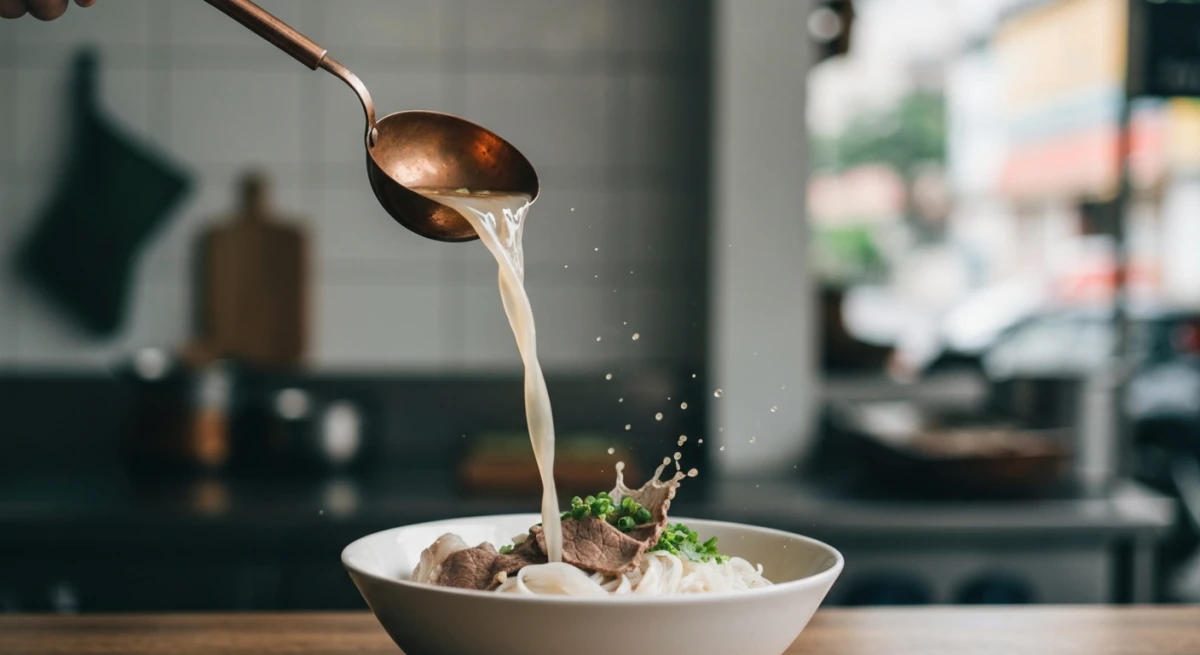
When the blistering equatorial sun finally dips below the horizon, Saigon (Ho Chi Minh City) undergoes a spectacular metamorphosis. The humid daytime heat yields to a cool evening breeze, and the city’s concrete arteries transform into a neon-lit, open-air kitchen. For food lovers, there is no greater adventure than diving headfirst into the world of night street food Saigon. This is not merely a dining option; it is a sprawling, sensory ritual where millions of locals pull up tiny plastic stools, crack open cold beers, and share plates of sizzling, charred, and aromatic delicacies under the stars.
To truly understand Saigon, you must eat it after dark. Whether you are navigating the chaotic, snail-strewn alleyways of District 4 or weaving through the fragrant flower-market lanes of District 10, this guide will serve as your ultimate compass. We will walk you through the absolute best street hubs, introduce you to the must-eat late-night dishes, and give you the local insider knowledge needed to navigate this culinary wonderland safely and confidently.
1. The Magic of Saigon's Late-Night Food Culture
Before you set off, it is essential to understand the cultural forces that drive the city’s nocturnal appetite. In Saigon, street food at night centers around a concept known as "nhậu" (pronounced "n-how"). While often translated simply as "drinking," nhậu is a deeply social institution. It means gathering with friends, family, or colleagues after a long day to share food, swap stories, and drink beer in a lively, informal setting. Night street food is the fuel for this social engine.
Unlike Hanoi, where the streets tend to quiet down relatively early due to local regulations and cultural habits, Saigon is a metropolis that genuinely never sleeps. Here, the street food landscape shifts dynamically as the sun sets. Daytime vendors selling comforting breakfast soups fade away, replaced by late-night specialists operating heavy iron woks, charcoal grills, and massive steaming cauldrons of broth. Southern Vietnamese cuisine is inherently bolder, sweeter, and more herb-heavy than its northern counterpart, utilizing an abundance of fresh seafood from the nearby Mekong Delta and coastal regions.
Another unique element of the night street food Saigon experience is its deep connection to motorbike culture. In Saigon, the scooter is not just a mode of transport; it’s an extension of the diner. It is entirely common to see locals pull up directly to a street vendor, order a freshly pressed sugarcane juice or a warm banh mi without ever stepping off their bikes, and speed off into the neon-lit evening. This high-speed, high-flavor ecosystem is what keeps the city’s heart beating long after midnight.
2. The Top Night Street Food Hubs in Saigon (District by District)
While you can find incredible food on almost any corner in Ho Chi Minh City, certain streets and neighborhoods have evolved into legendary night food hubs. To get the most authentic experience, skip the tourist-centric areas like Bui Vien or the immediate perimeter of Ben Thanh Market. Instead, set your sights on these highly localized, culinary-dense neighborhoods:
Vinh Khanh Seafood Street (District 4)
If there is one absolute, non-negotiable destination for your night street food Saigon itinerary, it is Vinh Khanh Street in District 4. Historically a rough-around-the-edges, working-class enclave once controlled by notorious mid-century mobsters, District 4 has completely transformed into the undisputed capital of Saigon’s late-night seafood and snail ("ốc") culture.
As evening falls, Vinh Khanh erupts into a symphony of clashing metal, roaring gas burners, and classic Vietnamese rock music. Motorbikes jam the street while thousands of patrons squeeze onto low plastic stools. The air is thick with the sweet, savory scent of garlic, lemongrass, chili, and charcoal-grilled meats.
- What to Eat: Order "Ốc Hương Sốt Trứng Muối" (sweet snails drenched in a rich, velvety salted egg yolk sauce, served with a warm baguette to soak up the sauce) and "Nghêu Hấp Sả" (plump clams steamed in a fiery lemongrass, ginger, and chili broth). Don't miss out on "Càng Ghẹ Rang Muối Ớt" (crab claws stir-fried with a fiery chili-salt crust).
- Where to Go: Ốc Oanh (504 Vĩnh Khánh) is the legendary giant of the street, famous for its aggressive seasoning and lightning-fast service.
- Vibe: Electric, loud, chaotic, and intensely local. This is the epitome of the southern "nhậu" experience.
- Best Time to Visit: 7:00 PM to 11:00 PM.
Ho Thi Ky Food Street (District 10)
Tucked deep within the winding alleys of the city's largest wholesale flower market lies Alley 52, Ho Thi Ky Street. During the day, this area is a bustling maze of roses, lilies, and orchids. But from 3:00 PM until late evening, it transforms into an incredible culinary corridor that reflects Saigon’s diverse multicultural population.
What sets Ho Thi Ky apart is its distinct Cambodian-Vietnamese heritage. Due to a historic influx of Cambodian refugees in the late 20th century, this market serves up unique, cross-border flavors that you won't find anywhere else in the city, alongside classic Vietnamese street treats.
- What to Eat: Visit the legendary "Chè Cô Có" stall, which has been serving traditional Cambodian sweet dessert soups for over four decades. Try their "Chè Bí Chưng" (steamed pumpkin stuffed with egg custard, coconut milk, and durian). For savory options, grab a few "Bò Nướng Xiên" (lemongrass-marinated beef skewers grilled over hot coals) or a crispy "Bánh Tráng Nướng" (known colloquially as the "Vietnamese pizza"—a grilled rice paper sheet topped with quail eggs, green onions, minced pork, and chili sauce).
- Vibe: A vibrant, tightly packed alleyway market filled with sweet floral scents mingling with smoky charcoal grills.
- Best Time to Visit: 5:00 PM to 9:00 PM.
Van Kiep Street (Binh Thanh District)
Located on the border of Phu Nhuan and Binh Thanh districts, Van Kiep Street is a beloved local secret. Because it lies outside the typical tourist zones of District 1, prices here remain incredibly affordable, and the food quality is exceptionally high. This street caters largely to local university students, young professionals, and families.
Van Kiep is essentially a mile-long buffet. Every building seems to house a different food vendor, and the variety is staggering, ranging from Southern noodle soups to central Vietnamese delicacies.
- What to Eat: Seek out "Bún Thịt Nướng" (a refreshing bowl of cold rice vermicelli noodles topped with charred, lemongrass-marinated grilled pork, crispy spring rolls, fresh herbs, peanuts, and sweet-and-sour fish sauce). Alternatively, try "Bánh Mì Chảo" (a sizzling individual cast-iron skillet loaded with eggs, pate, laughing cow cheese, and sausage, served piping hot with a fresh, crispy baguette).
- Vibe: Energetic, youthful, and highly accessible. Great for travelers who want a less touristy but highly approachable food street.
- Best Time to Visit: 6:00 PM to 10:00 PM.
Ha Ton Quyen Street (District 11)
For those craving a comforting, late-night carb-fest, Ha Ton Quyen Street in District 11 is the holy grail. District 11 is home to a massive Chinese-Vietnamese community, and this particular street is globally famous for its "Sủi Cảo" (handmade Cantonese dumplings).
As you walk down the street, you will see steam rising from massive stainless-steel pots where thousands of plump, freshly folded dumplings are boiled to order.
- What to Eat: Order the classic "Sủi Cảo Thập Cẩm" (a rich, clear broth loaded with pork-and-shrimp dumplings, squid, fish balls, and pork skin). If you prefer dry noodles, get the "Sủi Cảo Khô", which tosses egg noodles and dumplings in a thick, savory dark soy sauce, served with a side bowl of piping hot soup.
- Vibe: Bustling, old-school, and comforting. The perfect rainy-night stop.
- Best Time to Visit: 6:00 PM to midnight.
Nguyen Thuong Hien Street (District 3)
Measuring just under a mile long, Nguyen Thuong Hien is a narrow street in District 3 that is legendary for one specific snack: "Bánh Tráng Trộn" (mixed rice paper salad). During peak evening hours, the street is blocked by endless rows of motorbikes waiting to pick up bags of this addictive, sour, spicy, and savory treat.
While "Bánh Tráng Trộn" is the star, the street also boasts fantastic vendors selling grilled quail, fresh fruit, and fresh juices.
- What to Eat: Grab a bag of "Bánh Tráng Trộn" from any of the highly rated stalls (look for the ones with the longest lines). Strips of dry rice paper are tossed in chili oil, beef broth, and lime juice, then mixed with green mango, fresh herbs, beef jerky, dried shrimp, and quail eggs. It is a flavor explosion that perfectly captures the Saigonese palate.
- Vibe: Fast-paced, hectic, and intensely snack-oriented.
- Best Time to Visit: 4:00 PM to 8:30 PM.
3. The Ultimate Late-Night Food Crawl Itinerary
If you only have one night to experience the magic of Saigon’s nocturnal culinary scene, trying to choose where to go can feel overwhelming. To make things easy, we have mapped out a highly efficient, 3-hour self-guided street food crawl that hits three distinctly different districts, ensuring you taste a wide variety of flavors without spending your entire evening stuck in traffic.
Phase 1: The Sunset Appetizer (6:00 PM – 6:45 PM)
- Location: Nguyen Thuong Hien Street, District 3
- The Mission: Kick off your evening with a light, refreshing snack. Book a ride via Grab (either a GrabBike for the ultimate local thrill or a GrabCar for comfort) and head to District 3. Stop at one of the busy street-side stalls and order a bag of "Bánh Tráng Trộn" (mixed rice paper). Eat it standing on the sidewalk or while walking down the narrow street, soaking in the early evening buzz as the streetlights flicker on.
Phase 2: The Main Event (7:00 PM – 8:15 PM)
- Location: Ho Thi Ky Food Street, District 10
- The Mission: From District 3, take a quick 10-minute Grab ride southwest to the Ho Thi Ky Flower Market. Walk past the colorful flower stalls and dive straight into the street food alley. This is where you’ll have your main meal. Start with a few skewers of "Bò Nướng Xiên" (grilled lemongrass beef), then pull up a plastic stool at "Chè Cô Có" to try their famous Cambodian sweet dessert soups. If you're still hungry, grab a freshly grilled "Bánh Tráng Nướng" to eat on the go.
Phase 3: The Midnight Grand Finale (8:30 PM – 10:00 PM+)
- Location: Vinh Khanh Seafood Street, District 4
- The Mission: Cross the river into District 4 to experience the true soul of Saigonese night life. Head straight to Vinh Khanh Street and find a table at an iconic snail spot. Order a couple of cold local beers (Saigon Special or Tiger), a plate of "Ốc Hương Sốt Trứng Muối" (sweet snails in salted egg yolk), and a bowl of steaming clams in lemongrass broth. Raise your glass, join in the local cheers, and toast to an unforgettable culinary adventure.
4. Must-Try Southern Dishes (And How to Order Them)
While we have highlighted several fantastic neighborhoods, you don't always need to go to a specific street food hub to get an incredible meal. Saigon is filled with independent street carts that set up on random corners. If you spot any of these iconic southern dishes, do not hesitate to pull over and order:
Bột Chiên (Pan-Fried Rice Cakes)
"Bột Chiên" is the ultimate late-night comfort food. Thick, chunky cubes of rice flour cake are fried on a massive, flat cast-iron skillet until the exterior turns beautifully crispy and golden brown while the interior remains soft and chewy. The cook then cracks a couple of eggs over the top, scattering green onions over the mixture. It is served with a sweet-and-sour dark soy sauce and a mound of crunchy, shredded green papaya.
- How to Pronounce: "Boat Chee-un"
- Ordering Phrase: "Cho tôi một đĩa bột chiên" (Please give me one plate of fried rice cakes).
Phá Lấu (Offal Stew in Coconut Broth)
Don’t let the translation of "offal" scare you away. "Phá Lấu" is a masterpiece of Southern Vietnamese comfort food. Pork or beef stomach, intestines, and lungs are meticulously cleaned and simmered in a rich, deeply aromatic broth of coconut milk, lemongrass, five-spice, and chili. It is served piping hot in a small bowl, accompanied by a crispy, warm baguette ("bánh mì") or instant noodles ("mì gói"), and a tangy chili-tamarind dipping sauce.
- How to Pronounce: "Pah-Lao"
- Ordering Phrase: "Cho tôi một bát phá lấu bánh mì" (Please give me one bowl of pha lau with bread).
Hủ Tiếu Gõ (Late-Night "Knock" Noodles)
If you are wandering the streets of Saigon past midnight, you will likely hear a rhythmic, clacking wood sound echoing through the alleyways. This is the sound of "Hủ Tiếu Gõ" vendors. Traditionally, young boys would walk through neighborhoods clacking bamboo sticks together to announce the noodle cart's arrival. These mobile carts serve up simple, incredibly cheap, and deeply comforting bowls of pork broth noodles topped with thin slices of pork, quail eggs, and fresh chives.
- How to Pronounce: "Who T-ew Gaw"
- Ordering Phrase: "Cho tôi một tô hủ tiếu gõ" (Please give me one bowl of knock noodles).
Bánh Xèo (Sizzling Savory Crepe)
"Bánh Xèo" is a giant, crispy, golden crepe made of rice flour, water, and turmeric, filled with pork, shrimp, mung beans, and bean sprouts. The magic is in the eating: you tear off a piece of the crispy crepe, wrap it in a large mustard green or lettuce leaf along with fresh mint and basil, and dip the entire package into a sweet-and-sour fish sauce ("nước chấm").
- How to Pronounce: "Banh Sair-o"
- Ordering Phrase: "Cho tôi một cái bánh xèo" (Please give me one savory crepe).
5. Night Street Food Safety, Hygiene & Etiquette Checklist
Eating night street food Saigon style is one of the most rewarding travel experiences in the world, but if you are new to Southeast Asian street food, it can feel a bit intimidating. To ensure your culinary adventure is both delicious and safe, keep this checklist in mind:
- Follow the Crowds: The gold standard of street food safety is high turnover. If a stall is packed with local families and young people, it means the ingredients are exceptionally fresh and aren't sitting around in the heat. Avoid completely empty stalls.
- Inspect the Cook's Workstation: Look for stainless-steel surfaces, clean preparation areas, and organized ingredient storage. Most high-quality vendors are incredibly proud of their setups and keep them clean.
- The Ice Debate: A common worry for travelers is the ice ("đá") in drinks. In Saigon, almost all commercial ice is manufactured in modern factories using purified water and delivered daily in cylindrical tubes. If the ice has a hole through the center, it is safe commercial ice. Avoid crushed, block-shaved ice if you have an exceptionally sensitive stomach.
- Learn the Table Etiquette: Street food tables are simple. You will usually find a basket of fresh herbs, a selection of sauces (chili, soy, fish sauce), and a box of tissues. It is standard practice to use a tissue to wipe down your metal chopsticks and spoon before eating. When you are finished, discard your used tissues and lime wedges in the small plastic trash basket located directly under your table.
- Master the "Nhậu" Toast: If you find yourself eating at a lively snail street, you will undoubtedly hear tables chanting in unison. If someone raises their glass to you, join in: "Một, hai, ba, dô!" (One, two, three, cheers!).
- Bring Cash: While high-end restaurants and cafes in HCMC accept credit cards, street food vendors deal exclusively in Vietnamese Dong (VND). Keep small bills (10,000, 20,000, and 50,000 VND) handy, as vendors may struggle to make change for 500,000 VND notes.
6. FAQ: Navigating Saigon's Street Food at Night
Is night street food in Saigon safe to eat?
Yes, absolutely. The vast majority of street food in Saigon is incredibly safe because dishes are prepared to order at extremely high temperatures. To minimize risk, choose busy stalls with high customer turnover, ensure your food is served steaming hot, and stick to commercial tubular ice.
What time does the night street food scene start and end?
Most night-specific street food vendors start setting up around 4:00 PM or 5:00 PM as the workday ends. Peak dining hours are from 7:00 PM to 9:30 PM. However, you can easily find late-night spots, especially snail joints on Vinh Khanh or "Hủ Tiếu Gõ" carts, operating well past midnight and up to 2:00 AM.
How much does a typical street food meal cost?
Street food in Saigon is exceptionally budget-friendly. A bowl of noodles or a plate of "Bột Chiên" will typically cost between 30,000 to 50,000 VND ($1.20 to $2.00 USD). A feast of fresh seafood and snails on Vinh Khanh Street with beers will cost around 150,000 to 250,000 VND ($6.00 to $10.00 USD) per person.
Can vegetarians enjoy Saigon’s night street food?
Yes, though it requires a bit of searching. While many street food hubs are heavy on meat and seafood, look out for signs that say "Chay" (meaning vegetarian). You can find vegetarian versions of Pho, Banh Mi, and spring rolls. Additionally, sweet desserts like "Chè" at Ho Thi Ky are naturally vegetarian.
Conclusion
Saigon is a city that only reveals its true heart after dark. When the neon lights turn on and the charcoal grills are fired up, the streets transform into a massive communal dining table where everyone is welcome. By bypassing the tourist traps and heading deep into the local culinary enclaves of District 4, District 10, and Binh Thanh, you will experience the unforgettable sights, sounds, and flavors of night street food Saigon. Pull up a tiny plastic stool, pour yourself a cold beer, and dive in—your ultimate culinary adventure awaits.