Hanoi is a city that communicates through its appetite. To truly understand Vietnam’s historic capital, you must eat your way through it. But finding nice food in Hanoi is not just about choosing between high-end, white-tablecloth establishments and roadside plastic stools; it is about embracing both. The culinary landscape here is a mesmerizing tapestry where hundred-year-old street-side recipes exist alongside sophisticated, Michelin-starred tasting menus. Whether you are seeking a romantic dinner in a restored French colonial villa or want to squeeze onto a tiny blue plastic stool in a buzzing alleyway, Hanoi offers an unparalleled gastronomic adventure. This ultimate guide will walk you through the very best dining experiences the city has to offer, bridging legendary local street food with the most elegant heritage restaurants.
Many first-time visitors are surprised by how democratic the local food scene is. In Hanoi, a retired politician, a tech entrepreneur, and a budget backpacker might sit side-by-side on the same low-lying stools, hunched over identical bowls of steaming noodle soup. To Hanoians, "nice food" does not refer to the price tag or the luxury of the dining room—it refers to the depth of the broth, the quality of the herbs, and the perfect balance of sweet, sour, salty, and spicy notes. That said, the capital's dining landscape has undergone a remarkable culinary renaissance. With the arrival of the Michelin Guide and a wave of talented chefs reclaiming their heritage, Hanoi now boasts world-class fine dining that honors traditional flavors while using cutting-edge techniques. Let's dive deep into the neighborhoods, the dishes, and the specific spots that make Hanoi one of the greatest food cities on Earth.
The Soul of Hanoi Street Food: Sidewalk Masterpieces
To experience the true heart of Hanoi, you must start on the sidewalk. Street food is not just a cheap dining option here; it is a way of life, a daily ritual, and an art form perfected over generations. Here are the iconic street food dishes that represent the absolute pinnacle of flavor.
The Art of Northern Pho
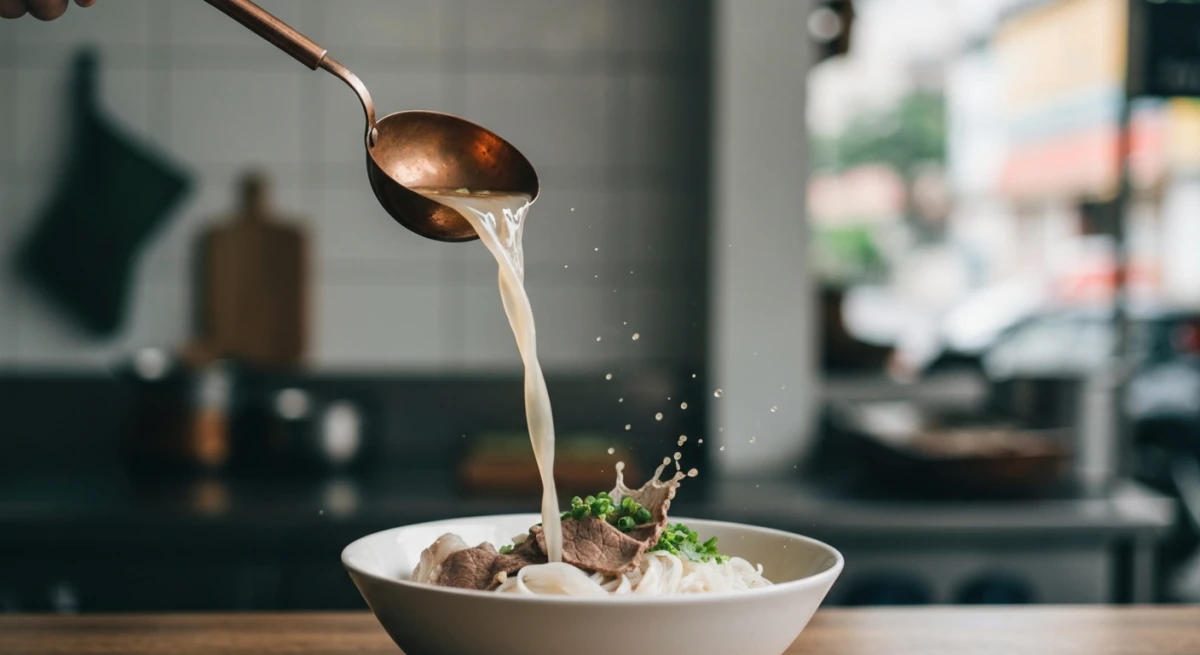
No dish represents the city more than Pho, but to eat nice food in Hanoi, you must understand the distinction of Pho Bac (Northern Pho). Unlike its Southern sibling, which is served with a mountain of bean sprouts, hoisin sauce, and sriracha, Northern Pho is an exercise in elegant minimalism. The star of the show is the broth. A proper Hanoian beef broth (Pho Bo) is cooked for over twelve hours, simmered gently with marrow-rich beef bones, charred ginger, shallots, star anise, black cardamom, and cinnamon. The result is a clear, deeply aromatic consommé that is intensely savory without being greasy.
To try the absolute best, head to Pho Gia Truyen Bat Dan (49 Bat Dan, Hoan Kiem). Here, you will join a queue of locals waiting patiently for a bowl of Pho Tai Nam (half-done beef and flank). The beef is sliced to order and flash-cooked by the boiling broth poured directly over the delicate rice noodles. For a slightly more comfortable sit-down experience that still delivers legendary flavors, Pho 10 Ly Quoc Su (10 Ly Quoc Su, Hoan Kiem) is a Michelin-selected staple. The broth here is robust and consistently excellent, and you can watch the chefs pull, chop, and assemble bowls behind a clean glass partition.
Bun Cha: The Smoky Midday Ritual
As midday approaches, the air in Hanoi's Old Quarter fills with the sweet, unmistakable scent of pork caramelizing over hot charcoal. This signifies the arrival of Bun Cha, a dish native to Hanoi that remains a favorite lunchtime ritual. Bun Cha consists of seasoned ground pork patties and slices of tender pork belly grilled over embers until beautifully charred and smoky. These are submerged in a warm, diluted dipping sauce made of fish sauce, sugar, vinegar, and lime juice, balanced by slices of pickled green papaya and carrot.
While many travelers flock to Bun Cha Huong Lien (famously dubbed "Obama Bun Cha" after the former U.S. President dined there with Anthony Bourdain), locals often prefer spots like Tuyet Bun Cha 34 (34 Hang Than, Ba Dinh). At this bustling family-run joint, the grilled pork is exceptionally juicy, the herbs are crisp, and the atmosphere is wonderfully chaotic. To eat Bun Cha like a local, do not dump your cold rice noodles (bun) into the broth all at once. Instead, grab a small nest of noodles with your chopsticks, dip them briefly into the warm pork-filled broth, scoop up some fresh shiso, coriander, and mint, and eat them together in one harmonious bite.
Banh Cuon: Delicate Mornings
If you prefer a lighter start to your day, Banh Cuon Ba Xuan (16 Hoe Nhai, Ba Dinh) offers a masterclass in texture. Banh Cuon are delicate, paper-thin steamed rice batter rolls stuffed with a savory mixture of minced pork and wood ear mushrooms. The magic lies in the preparation: the chef spreads a ladle of fermented rice batter over a tightly stretched fabric screen sitting on top of a pot of boiling water. In a matter of seconds, the batter steams into a translucent sheet, which is carefully lifted with a long bamboo stick, filled, rolled, and brushed with fragrant shallot oil. Served with a side of cha lua (Vietnamese pork sausage), fresh herbs, and a light dipping sauce, it is a clean, comforting breakfast that highlights the delicate, subtle nature of Northern Vietnamese cooking.
Refined Heritage: Elegant Restaurants for "Nice" Sit-Down Dining
While street food is essential, sometimes you want a dining experience that offers comfort, exceptional service, and gorgeous surroundings. Hanoi's upscale dining scene has exploded, proving that traditional Vietnamese flavors can easily hold their own in beautiful, refined settings.
Tam Vi: A Michelin-Starred Homage to the North
Tucked away on a quiet street near the Hoan Kiem district, Tam Vi (4C Hang Manh, Hoan Kiem) achieved legendary status when it was awarded a coveted Michelin Star. Stepping into Tam Vi is like taking a step back in time. The restaurant is housed in a beautifully restored wooden house, adorned with vintage Chinese-style lanterns, antique wooden cupboards, and rustic ceramic tableware that evoke the nostalgic atmosphere of a mid-20th-century Northern home.
The menu at Tam Vi is a love letter to traditional, home-style Northern Vietnamese cooking (com gia dinh). There are no experimental gimmicks here; instead, simple, everyday dishes are elevated to perfection. Must-try dishes include the caramelized pork belly stewed with eggs in a rich claypot, the crispy fried tofu doused in a vibrant green scallion sauce, and the refreshing sour crab soup with water spinach. It is comforting, deeply satisfying, and served in an elegant, tranquil environment that makes you forget the roaring motorbikes outside.
Gia: Modern Vietnamese Fine Dining
For those seeking a truly avant-garde dining experience, Gia (61 Van Mieu, Dong Da) is an absolute masterpiece. Also boasting a Michelin Star, Gia is led by the visionary Head Chef Sam Tran, who returned to Vietnam after years of working in Michelin-starred kitchens in Australia. Located directly opposite the historic Temple of Literature, the restaurant is set within an elegant, nearly century-old building that beautifully blends French colonial architecture with traditional Vietnamese motifs.
Gia does not offer an à la carte menu; instead, diners embark on a multi-course seasonal tasting journey that reinterprets regional Vietnamese cuisine through modern culinary techniques. Chef Sam Tran takes humble, local ingredients—such as indigenous herbs, wild mushrooms, and fermented fruits—and transforms them using techniques like dehydration, slow-cooking, and delicate emulsions. Each dish tells a story, making dinner at Gia a highly theatrical, intellectual, and utterly delicious experience.
Hanoi Garden: An Oasis in the Old Quarter
If you want a peaceful escape from the hustle and bustle of the Old Quarter without compromising on flavor, Hanoi Garden (36 Hang Manh, Hoan Kiem) is a superb choice. Operating since 1998, this long-standing favorite is housed in a stunning Indochine-style villa featuring a lush, green courtyard. The serene ambiance, complete with soft lighting and cascading plants, makes it the perfect venue for a romantic dinner or a relaxed business lunch.
The culinary team at Hanoi Garden specializes in giving classic Vietnamese dishes a refined, contemporary twist. Their House Special Nem Platter—a selection of crispy spring rolls filled with fresh seafood and pork—is beautifully presented and exceptionally delicious. Their claypot dishes and grilled meats are seasoned with precision, showcasing the clean, balanced flavors that Northern cuisine is famous for.
Cha Ca: The Sizzling Turmeric Legend
No exploration of nice food in Hanoi is complete without trying Cha Ca, a dish so celebrated that an entire street in the Old Quarter was renamed after it. Cha Ca Thang Long (21 Duong Thanh, Hoan Kiem) offers an exceptional, comfortable dining environment to experience this theatrical meal.
The dish consists of chunks of firm, white catfish marinated in turmeric, galangal, and ginger, which are brought to your table in a sizzling pan over a portable burner. As the fish sizzles, you are given a mountain of fresh dill and scallions to toss into the pan. Once the greens wilt, you assemble your bowl: start with a base of soft rice noodles, add the aromatic fish and greens, sprinkle with roasted peanuts, and drizzle with a spoonful of savory fish sauce or, for the bold, a splash of pungent fermented shrimp paste (mam tom). The combination of textures—the crispy fish, the soft noodles, the crunchy peanuts—and the herbaceous punch of the dill is culinary magic.
Unique Snacks and Side-Street Secrets
Beyond the major meals, Hanoi's food culture is defined by its snack culture. These unique dishes are tied to specific neighborhoods and are best enjoyed during lazy afternoons when the tropical heat begins to break.
Banh Tom Ho Tay: Lakeside Crispy Delights
West Lake (Ho Tay) is the scenic heart of Hanoi, and its shores are home to a beloved local snack: Banh Tom. These are crispy prawn fritters made by coating whole, fresh-water prawns (shell and all) and julienned sweet potato in a light, seasoned batter, then deep-frying them until golden and shatteringly crisp.
To try this lakeside classic, head to Nhà hàng Thanh Tâm (43 Phủ Tây Hồ, Tay Ho), located near the historic Phu Tay Ho temple. The fritters are served hot alongside a massive basket of fresh lettuce and herbs, and a sweet-and-sour dipping sauce filled with pickled green papaya. To eat them, wrap a piece of the crispy, sweet-potato-and-shrimp fritter inside a large lettuce leaf, stuff it with fresh herbs, dip it generously into the sauce, and enjoy the incredible contrast of textures. It is the perfect savory bite to enjoy as the sun sets over the water.
Pho Cuon: The Fresh Roll Revolution
In the quiet, leafy neighborhood of Truc Bach, a culinary innovation was born in the early 2000s. Legend has it that a late-night street vendor ran out of noodle broth for her hungry customers. Unwilling to turn them away, she took the wide, uncut sheets of steamed pho noodles, laid them flat, rolled them up with stir-fried garlic beef and fresh herbs, and served them with a sweet-sour dipping sauce. Thus, Pho Cuon (rolled pho) was born.
Today, the epicenter of this dish remains Pho Cuon Chinh Thang (7 Nguyen Khac Hieu, Ba Dinh), the very restaurant credited with popularizing it. These fresh, translucent rolls are incredibly clean, refreshing, and satisfying—perfect for a hot afternoon. They are best paired with Phở Chiên Phồng—deep-fried squares of puffed pho noodle sheets topped with stir-fried beef and rich gravy.
Egg Coffee: Hanoi's Liquid Dessert
To round off any culinary journey in Hanoi, you must seek out Ca Phe Trung, or Egg Coffee. This rich, velvety drink is a testament to Vietnamese resourcefulness. In 1946, during the First Indochina War, condensed milk was scarce in Hanoi. Mr. Nguyen Giang, a bartender at the luxury Sofitel Legend Metropole Hanoi, decided to whisk egg yolks with sugar and condensed milk as a substitute. The result was so delicious that he left the hotel to open his own cafe.
Today, Cafe Giang (39 Nguyen Huu Huan, Hoan Kiem) still serves the original recipe. Located down a narrow, blink-and-you-miss-it corridor, the cafe is a cozy, atmospheric spot filled with low wooden tables and tiny stools. The egg coffee is served in a small bowl of hot water to keep it warm. It is thick, creamy, and tastes remarkably like liquid tiramisu or a warm custard, cut beautifully by the bold, bitter punch of dark Vietnamese robusta coffee. For a scenic view to accompany your caffeine fix, visit Cafe Dinh (13 Dinh Tien Hoang, Hoan Kiem), run by Mr. Giang’s daughter, which overlooks the shimmering waters of Hoan Kiem Lake.
The Ultimate 24-Hour Hanoi Food Itinerary
To help you maximize your time and taste buds, here is a curated, highly actionable 24-hour itinerary designed to showcase the best of Hanoi's culinary diversity, from sunrise to sunset.
- 07:00 AM — The Sunrise Broth: Start your morning early, just as the city is waking up. Make your way to Pho 10 Ly Quoc Su. Ordering a steaming bowl of Pho Bo (beef noodle soup) for breakfast is the ultimate Hanoian ritual. The morning air is still cool, the steam rises from the giant cauldrons, and the rich, spice-infused broth will wake up your senses and fuel you for the day ahead.
- 09:30 AM — The Egg Coffee Ritual: Walk off your breakfast through the winding lanes of the Old Quarter, making your way to Cafe Giang. Navigate the narrow, dark alleyway into the sunlit courtyard at the back, squeeze onto a tiny stool, and order a hot Egg Coffee. Sip it slowly, letting the sweet, velvety egg cream mingle with the robust coffee beneath.
- 12:30 PM — The Smoky Charcoal Lunch: For lunch, head to Tuyet Bun Cha 34 on Hang Than Street. Watch the grill master fan the glowing coals outside, sending plumes of delicious-smelling smoke into the street. Grab a table, order a portion of Bun Cha with extra crispy spring rolls (nem cua be), and enjoy the ultimate sweet, sour, and smoky midday feast.
- 03:30 PM — Afternoon Lakeside Breeze: Take a short taxi ride to the Truc Bach peninsula. Walk along the lakeside and stop at Pho Cuon Chinh Thang for a light afternoon snack of fresh Pho Cuon. It is light, herbal, and refreshing—a perfect pick-me-up to beat the afternoon heat.
- 07:30 PM — The Michelin-Starred Dinner: Celebrate your final evening in Hanoi with a reservation at Tam Vi. Dine in the warm, nostalgic glow of their beautifully restored wooden dining room. Order a feast of braised pork belly, fried tofu, and seasonal vegetables, taking your time to appreciate the subtle, deeply comforting flavors of authentic Northern Vietnamese home cooking.
Essential Insider Tips for Dining in Hanoi
To ensure your culinary adventure is smooth, safe, and enjoyable, keep these practical tips in mind when dining in Hanoi:
- The High-Turnover Rule for Street Food: If you are worried about food hygiene, look for stalls that are packed with local families. High customer turnover means the ingredients do not sit around; they are prepped, cooked, and served fresh throughout the day.
- Embrace the Table Condiments: Vietnamese food is designed to be customized. When your bowl of noodles arrives, do not eat it plain. Taste the broth first, then use the table condiments to tailor it to your liking. A squeeze of fresh lime or kumquat adds acidity; a splash of garlic vinegar adds depth; and fresh bird's eye chilies provide a fiery kick. Just remember that Vietnamese chilies are incredibly hot, so start with one or two slices!
- Carry Cash: While high-end heritage restaurants like Gia, Tam Vi, and Hanoi Garden readily accept credit cards, street food vendors and small local cafes do not. Always keep a stack of Vietnamese Dong (VND) in small denominations (10,000, 20,000, and 50,000 bills) for easy transactions.
- Mind the Dining Etiquette: When eating street food, it is common practice to throw used paper napkins, lime wedges, and herb stems into the small trash bins placed on the floor beneath the tables—never on the table itself. Also, when passing chopsticks or bowls to dining companions, use both hands as a sign of respect.
Frequently Asked Questions
Is street food in Hanoi safe to eat? Yes, street food in Hanoi is generally very safe and highly hygienic, provided you choose the right spots. To avoid any stomach issues, stick to stalls that are busy with locals, as this guarantees high ingredient turnover. Avoid drinking tap water, and ensure the ice in your drinks is made from purified water (cylindrical ice with holes in the middle is a good sign of factory-made, safe ice).
What is the difference between Northern and Southern Vietnamese food? Northern Vietnamese food (Hanoi style) is characterized by its balanced, subtle, and clean flavors. It relies heavily on black pepper, fresh herbs, and light fish sauce, and is rarely overly sweet or spicy. Southern Vietnamese food (Saigon style) tends to be sweeter, bolder, and uses more coconut milk, sugar, and chili, accompanied by a wider variety of fresh vegetables and herbs.
How much does a typical meal cost in Hanoi? Hanoi is incredibly budget-friendly. A hearty bowl of street-side Pho or a serving of Bun Cha will typically cost between 40,000 and 70,000 VND ($1.60 to $2.80 USD). A casual sit-down meal at a local restaurant will cost around 150,000 to 300,000 VND ($6.00 to $12.00 USD) per person, while a multi-course fine dining experience at a Michelin-starred spot like Gia will range from 2,000,000 to 3,500,000 VND ($80 to $140 USD) per person.
Do I need to make reservations in advance for restaurants? For street food stalls and casual local joints, reservations are neither possible nor necessary—you simply turn up, find a stool, and order. However, for highly popular and Michelin-recognized spots like Tam Vi, Gia, and Hanoi Garden, booking a table several days (or even weeks, in the case of Gia) in advance is highly recommended to secure a spot.
Conclusion
Hanoi's culinary scene is a beautiful contradiction. It is a place where you can find some of the most complex, soul-stirring flavors on Earth served in a humble plastic bowl on a noisy sidewalk, or enjoy elevated, world-class gastronomy inside a historic, century-old villa. To truly appreciate the nice food in Hanoi, you must be willing to step out of your comfort zone, follow your nose down narrow alleyways, and trust the local crowds. From the aromatic broth of a morning Pho to the smoky perfection of a midday Bun Cha and the refined elegance of a Michelin-starred dinner, Hanoi invites you to slow down, pull up a stool, and savor every bite.