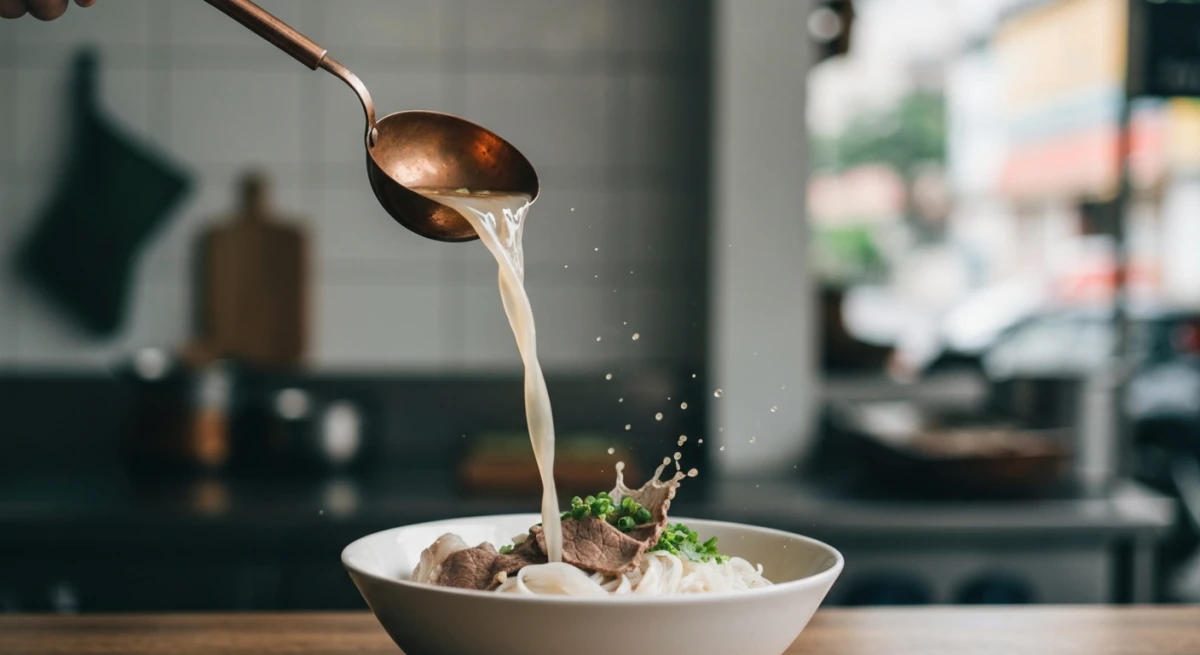
If there is one city in the world where life is lived entirely on the sidewalk, it is Ho Chi Minh City. Better known to locals as Saigon, this sprawling metropolis pulses with a raw, electric energy that is best experienced on a tiny blue plastic stool. When it comes to street food saigon represents an unmatched culinary wonderland. The sensory overload is immediate: the hiss of pork chops hitting charcoal, the sweet aroma of simmering beef bone broth, the roar of motorbike engines, and the bright laughter of locals sharing a late-night feast.
For first-time visitors, diving into the Saigon street food scene can feel incredibly intimidating. Navigating the chaotic traffic, deciphering hand-written menus, and understanding the unspoken etiquette of sidewalk dining requires a bit of insider knowledge. But behind the apparent chaos lies a deeply sophisticated food culture built on generations of culinary heritage. This comprehensive guide is designed to help you navigate the alleys, markets, and hidden corners of Ho Chi Minh City like a seasoned local. We will uncover the iconic dishes you absolutely must try, point you toward the legendary stalls that competitors miss, and arm you with the ultimate street-side survival tips. Grab a pair of chopsticks, pull up a plastic stool, and let’s dive into the ultimate culinary journey.
The Soul of the Sidewalk: Understanding Saigon’s Food Culture
To truly appreciate street food in Saigon, you must understand that the city’s sidewalks are more than just transit corridors—they are the living rooms, dining rooms, and social hubs of the community. In a city of nearly ten million people, space is at a premium. The street is where life happens, and street food is the fuel that keeps this massive machine running from before sunrise until well past midnight.
Saigon’s culinary landscape is unique because it is a glorious melting pot of regional Vietnamese flavors. Throughout the 20th and 21st centuries, migrants from all over Vietnam flocked to Saigon in search of economic opportunity, bringing their regional recipes with them. As a result, you can eat a comforting bowl of Northern-style beef Pho for breakfast, a spicy Central-style Bún Bò Huế for lunch, and a sweet, coconut-infused Southern seafood hot pot for dinner—all within a single square mile. This massive migration created a beautiful evolution of flavors where traditional dishes were adapted to Southern tastes, which lean slightly sweeter and incorporate abundant fresh herbs.
Furthermore, Saigon has a distinct daily rhythm when it comes to eating. In the early morning hours, the sidewalks are dominated by fast-paced breakfasts: office workers grabbing a crispy Bánh Mì wrapped in newspaper or sitting down for a quick plate of Cơm Tấm (broken rice) before disappearing into high-rise buildings. By mid-afternoon, the city hits its snacking stride (known locally as "ăn vặt"), where teenagers and workers gather for light, playful dishes like Bánh Tráng Trộn (mixed rice paper) or fried quail eggs.
But the true magic happens after dark. As the scorching tropical sun sets, Saigonese street food transitions into "nhậu" culture—the art of social eating, drinking, and chatting. Sidewalks transform into lively, open-air banquets illuminated by neon lights and smoky charcoal grills. Friends and families gather around low tables to crack open cold Saigon beers, crack open shellfish, and swap stories. To eat on the street in Saigon is not just a cheap way to fill your stomach; it is an active participation in the city's living, breathing soul.
7 Iconic Saigon Street Food Dishes (And Where to Eat Them)
While you could easily spend months eating your way through the city without repeating a single dish, there are several foundational classics that define the street food saigon experience. These are the legendary plates and bowls that have stood the test of time, perfected by multi-generational vendors who specialize in doing just one thing exceptionally well.
1. Cơm Tấm (Broken Rice)
If Saigon had an official state dish, it would undoubtedly be Cơm Tấm. Historically, "tấm" refers to the fractured, broken rice grains that were damaged during the milling process. Because these broken grains were unsellable, poor farmers in the Mekong Delta kept them for themselves. When they migrated to Saigon, they brought this humble grain with them, transforming it into a culinary icon. The broken rice has a unique, slightly dry texture that perfectly absorbs the juices of sweet-savory grilled pork chops (sườn) marinated in lemongrass, garlic, and fish sauce. A standard plate is topped with a sunny-side-up egg, chả chưng (a baked egg loaf stuffed with minced pork and glass noodles), bì (shredded pork skin coated in roasted rice powder), and drizzled with a sweet, chili-flecked fish sauce.
Where to try: Cơm Tấm Ba Ghiền (84 Đặng Văn Ngữ, Phú Nhuận District). This legendary spot, recognized by the Michelin Guide, serves massive, thick-cut pork chops grilled over smoky charcoal. It is crowded, chaotic, and absolutely worth the trip outside the tourist center.
2. Bánh Mì (The Franco-Vietnamese Baguette)
You cannot talk about street food in Saigon without mentioning Bánh Mì. Born from French colonial culinary influences and adapted by Vietnamese ingenuity, a classic Saigon Bánh Mì features an airy, crispy-crust baguette smeared with rich, savory pork liver pâté and homemade mayonnaise. It is then stuffed with various pork cold cuts (such as chả lụa), headcheese, fresh cucumber spears, cilantro, pickled carrots and daikon radishes, and a fiery kick of fresh bird's eye chilies. The balance of warm bread, savory meats, rich fats, crunchy pickled vegetables, and fresh herbs is pure culinary perfection.
Where to try: Bánh Mì Huỳnh Hoa (26 Lê Thị Riêng, District 1). Often called the "Bentley of Bánh Mì," this spot is famous for its heavily packed sandwiches containing up to a dozen layers of meats and an incredibly rich homemade pâté. Be prepared for a queue, but the line moves fast. For a lighter, more traditional local option, try Bánh Mì Hồng Hoa (54 Nguyễn Văn Tráng, District 1).
3. Ốc (Sea Snails and Shellfish)
In Saigon, eating Ốc (which translates literally to "snails" but encompasses a wide variety of clams, scallops, crabs, and oysters) is a competitive sport. Sidewalk shell-shucking is the ultimate social dining experience. The snails are prepared in a dazzling array of sauces: stir-fried in sweet and sour tamarind sauce (sốt me), simmered in rich coconut cream (xào dừa), sautéed in salty garlic butter (bơ tỏi), or roasted with chili salt (rang muối ớt). The joy is in the texture and the intense sauces, which you mop up with pieces of fresh baguette.
Where to try: Ốc Đào (212B/C79 Nguyễn Trãi, District 1). Hidden down a deep maze of alleyways, this expansive alleyway eatery is always packed. Order the ốc hương xào bơ tỏi (sweet snails in garlic butter) and the sò điệp nướng mỡ hành (grilled scallops with scallion oil and peanuts).
4. Hủ Tiếu Nam Vang (Phnom Penh Noodle Soup)
While Pho gets all the international glory, Hủ Tiếu Nvang is arguably the preferred everyday noodle soup of Saigon. Originating from Cambodia (Nam Vang is the Vietnamese name for Phnom Penh) and refined by Southern Vietnamese and Teochew Chinese influences, this dish features thin, chewy tapioca noodles bathed in an incredibly sweet, clear pork bone broth. It is loaded with toppings: minced pork, sliced pork loin, whole shrimp, quail eggs, pork liver, and fresh chives. You can order it "nước" (wet, with the broth in the bowl) or "khô" (dry, where the noodles are tossed in a rich, sweet soy-based sauce and served with a comforting bowl of hot soup on the side).
Where to try: Hủ Tiếu Thanh Xuân (62 Tôn Thất Thiệp, District 1). This generational stall has been operating since 1946. Their signature dry version features a closely guarded, thick crab sauce recipe that elevates the chewy noodles to another level.
5. Bột Chiên (Pan-Fried Rice Cakes)
For a comforting, carb-heavy snack, nothing beats Bột Chiên. This dish consists of thick, square-cut rice flour cakes that are fried on a massive, flat cast-iron skillet until they develop a beautifully crispy, golden-brown crust while remaining soft and chewy on the inside. Once the cakes are crisp, the cook tosses in a handful of green onions and cracks one or two eggs directly over the top to bind everything together. Served sizzling hot, it is topped with a mountain of crunchy, pickled green papaya shreds and accompanied by a tangy, sweetened dark soy sauce for dipping.
Where to try: Bột Chiên Đạt Thành (277 Võ Văn Tần, District 3). A beloved local institution where you can watch the chefs expertly fry up plates of bột chiên with lightning speed.
6. Bún Thịt Nướng (Grilled Pork over Vermicelli)
If you are looking for a meal that is light, refreshing, and incredibly flavorful, Bún Thịt Nướng is the answer. It is a harmonious bowl of room-temperature rice vermicelli noodles topped with smoky charcoal-grilled pork, crispy deep-fried spring rolls (chả giò), fresh lettuce, mint, basil, sliced cucumber, pickled vegetables, and crushed roasted peanuts. To eat it, you pour a generous portion of sweet-and-sour fish sauce (nước chấm) over the bowl, mix everything together, and enjoy the explosion of hot, cold, crunchy, chewy, sweet, and savory elements.
Where to try: Bún Thịt Nướng Kiều Giang (139 Đề Thám, District 1). Conveniently located in District 1, they serve incredibly tender pork and some of the crispiest spring rolls in the city.
7. Bánh Xèo (Sizzling Crepes)
Bánh Xèo (literally "sizzling cake") is a giant, paper-thin, crispy crepe made from a batter of rice flour, water, turmeric powder, and coconut milk. When poured onto a blistering hot pan, it makes a dramatic sizzling sound. It is stuffed with pork belly, whole shrimp, and bean sprouts. To eat it, you tear off a piece, wrap it inside a large, bitter mustard green leaf along with various fresh herbs, roll it up, and dip it into sweet-and-savory fish sauce.
Where to try: Bánh Xèo Ăn Là Ghiền (74 Nguyễn Văn Trỗi, Phú Nhuận District). This bright restaurant specializes in massive, extra-crispy crepes with a variety of gourmet fillings.
Mapping the Best Street Food Hubs in Ho Chi Minh City
While you can find incredible food on almost every street corner, Saigon is home to several dedicated food enclaves—alleys, neighborhoods, and market streets where food stalls are concentrated in dizzying numbers. Visiting these hubs is the best way to immerse yourself in the city's culinary geography.
1. Ho Thi Ky Street Food Market (District 10)
By day, Ho Thi Ky is Saigon's largest wholesale flower market, filled with colorful roses, orchids, and lilies. But as evening approaches, the narrow, winding alleys behind the flower stalls transform into a spectacular food street with over 100 active stalls. What makes Ho Thi Ky particularly unique is its rich cultural heritage. The market sits adjacent to a historic Cambodian-Vietnamese neighborhood, meaning you can find rare Cambodian (Khmer) delicacies alongside classic Vietnamese street food. Don't miss the grilled beef skewers marinated in lemongrass and wild lime leaves, the crispy "Vietnamese pizza" (bánh tráng nướng), or the colorful Cambodian sweet pumpkin custard chè.
- Address: Hồ Thị Kỷ Street, Ward 1, District 10, Ho Chi Minh City.
- Best Time to Visit: 5:00 PM to 9:30 PM.
2. Vinh Khanh Street (District 4)
If you want to experience the absolute peak of Saigon's high-energy nhậu dining, make a pilgrimage to Vinh Khanh Street in District 4. Once a notorious neighborhood associated with local gangs, Vinh Khanh has completely transformed into the seafood and snail capital of Saigon. Stretching for nearly a mile, this street is lined with open-air restaurants spilling onto the sidewalks. The atmosphere is loud, smoky, and unbelievably festive. Here, you will dine to the soundtrack of roaring motorbikes, street musicians, fire-breathers, and the clinking of beer glasses. It is the premier destination for grilled oysters with cheese, salt-crusted chili prawns, and garlic-butter mud creepers.
- Address: Vĩnh Khánh Street, Ward 9, District 4, Ho Chi Minh City.
- Best Time to Visit: 7:00 PM to 11:00 PM.
3. Nguyen Thien Thuat Apartment Complex (District 3)
Built in the late 1960s, the Nguyễn Thiện Thuật apartment blocks represent a classic slice of old-school Saigon architecture. The narrow pathways winding between these crumbling, plant-draped residential buildings are home to a vibrant, multi-generational community—and some of the most authentic food in District 3. Because the vendors here cater almost exclusively to local residents rather than tourists, the prices are incredibly low, and the flavors remain uncompromisingly traditional. It is an excellent place to sample deep-fried fish balls, beef offal stew (phá lấu), and crispy pan-fried rice cakes.
- Address: Nguyễn Thiện Thuật Apartments, Ward 1, District 3, Ho Chi Minh City.
- Best Time to Visit: 4:00 PM to 8:30 PM.
4. Cô Giang Street (District 1)
For travelers staying in the city center who want to escape the tourist-centric eateries of the backpacker district (Bùi Viện) or Ben Thanh Market, Cô Giang Street is a fantastic culinary sanctuary. Located just a short walk from District 1's main sights, Cô Giang retains a deeply local residential feel. The street is famous for its late-night eateries serving sizzling plates of Bò Lá Lốt (beef wrapped in betel leaves and grilled over charcoal), heavy bowls of Hủ Tiếu, and freshly blended tropical fruit smoothies (sinh tố).
- Address: Cô Giang Street, District 1, Ho Chi Minh City.
- Best Time to Visit: 6:00 PM to 10:00 PM.
The Street Food Survival Guide: Etiquette, Safety, and Tips
Eating on the streets of Saigon is incredibly rewarding, but it does require navigating a new set of cultural norms and hygiene standards. Here is your ultimate practical guide to eating like a pro while keeping your stomach happy.
How to Identify a Safe Vendor
The golden rule of street food safety is simple: follow the crowds. High turnover is your best friend. A street food stall that is packed with local families and young people at 7:00 PM is guaranteed to have fresh, rapidly rotating ingredients. The food hasn't been sitting out in the tropical heat; it goes straight from the sizzling pan or boiling pot to your plate. Additionally, look for stalls where the cooking area is visible and kept clean. Vendors who take pride in their setup will keep their stainless-steel surfaces wiped down and their ingredients neatly organized.
The Ice and Water Myth
Many travelers are terrified of consuming ice in Vietnam, fearing it will lead to food poisoning. However, in Saigon, the vast majority of street stalls use commercially produced, purified tube ice (known as đá ống). This ice is manufactured in dedicated factories using treated water and delivered daily in large bags. You can easily identify safe, factory-made ice by its clean, cylindrical shape with a hollow hole running down the middle. Avoid crushed ice that looks like it was hacked off a large block, as the transport and handling of block ice can be less sanitary. For drinks, stick to canned beers, bottled water, hot tea (Trà Nóng), or freshly pressed sugarcane juice (Nước Mía) squeezed right in front of you.
Sidewalk Etiquette and Ordering
When you approach a busy street food stall, do not wait to be seated. Simply look for an empty blue or red plastic stool, sit down, and make eye contact with the cook or waitstaff. Menus are often non-existent or painted directly onto the cart. If you don't speak Vietnamese, pointing at what other customers are eating is a universally accepted and highly effective way to order.
Once you finish eating, simply catch a staff member’s eye and say "Tính tiền" (pronounced ting tee-en) to ask for the bill. It is customary to drop used napkins, lime wedges, and herb stems directly onto the floor beneath your table. While this may feel counterintuitive to Western travelers, it is standard practice; the staff sweeps up the dining area constantly throughout the night.
The Art of the Condiment Tray
Every street food table in Saigon is equipped with a colorful tray of condiments: lime wedges, bird's eye chilies, pickled garlic, chili paste, sweet soy sauce, and fish sauce. Do not ignore these! Vietnamese cuisine is all about finding a perfect balance of sweet, sour, salty, and spicy. Watch how the locals at neighboring tables doctor their bowls. A squeeze of fresh lime juice and a spoonful of pickled garlic can instantly transform a rich noodle broth into a bright, complex masterpiece.
Frequently Asked Questions (FAQ)
Is street food in Saigon safe to eat?
Yes, Saigon street food is highly safe, provided you apply common sense. Stick to busy stalls with high customer turnover, ensure your food is cooked hot and served steaming, and prioritize drinking bottled beverages or drinks served with clean, machine-made tube ice. Avoid raw vegetables if you have a highly sensitive stomach, though most busy stalls wash their herbs thoroughly.
How much does a street food meal cost in Saigon?
Street food in Saigon is incredibly affordable. A standard bowl of noodles (like Pho or Hu Tieu) or a plate of Com Tam typically costs between 35,000 VND and 65,000 VND (approximately $1.50 to $2.70 USD). A Banh Mi on the street ranges from 20,000 VND to 40,000 VND ($0.85 to $1.70 USD). Seafood and snail feasts (Ốc) are slightly more expensive but still very cheap, usually running about 150,000 VND to 250,000 VND ($6.00 to $10.00 USD) per person for a massive, multi-dish spread with beers.
Do I need to book a street food tour?
While you can easily explore Saigon's food scene on your own using this guide, booking a street food tour is highly recommended, especially for first-time visitors or solo travelers. A professional tour guide will navigate the chaotic traffic on a motorbike, take you to deep alleyway stalls that are virtually impossible for tourists to find, and explain the rich history and cultural context behind each dish. It is a fantastic way to build your confidence before exploring solo.
Are there vegetarian street food options in Saigon?
Absolutely. Vietnam has a rich Buddhist tradition, which means vegetarian food (known as Ăn Chay) is highly popular and widely available. Look for stalls or signs displaying the word "Chay". You can find exceptional vegetarian versions of Banh Mi (Bánh Mì Chay), noodle soups (Hủ Tiếu Chay), and broken rice (Cơm Tấm Chay) using tofu, mushrooms, and mock meats that taste remarkably like the real thing. Vegetarian food is especially abundant on the 1st and 15th days of the lunar month when many locals observe vegetarian diets.
Conclusion
The true magic of Saigon’s street food scene does not lie in Michelin stars or fancy table settings. It lies in the democratic, communal nature of sidewalk dining. On the streets of Ho Chi Minh City, wealthy business executives in tailored suits sit side-by-side with motorbike taxi drivers on the same low plastic stools, sharing the same delicious, affordable meals. It is a place where boundaries dissolve over steaming bowls of noodles and clinking glasses of cold beer. By stepping out of your comfort zone, embracing the beautiful chaos, and eating where the locals eat, you will discover the real heart and soul of Saigon.