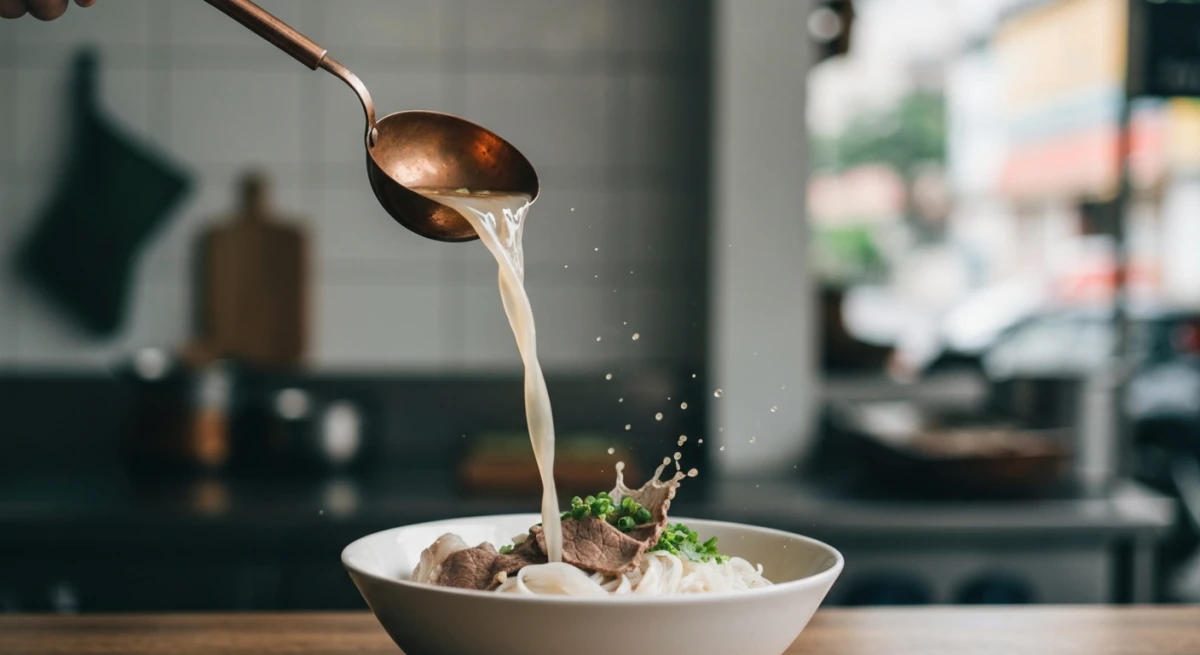
When you think of a hot, steaming bowl of noodles in Ho Chi Minh City, your mind immediately drifts to the iconic, herb-infused broths of local phở or a late-night plate of comforting hủ tiếu. However, beneath the city’s vibrant Vietnamese culinary veneer lies an incredibly sophisticated, authentic, and fast-growing Japanese noodle scene. Driven by a dedicated population of Japanese expats, finding a world-class bowl of ramen ho chi minh has evolved into a major culinary trend. Whether you are craving a thick, collagen-rich Hakata Tonkotsu, a cold dipping-style Tsukemen with bouncy handmade noodles, or a delicate, clear chicken broth, Saigon's noodle shops serve bowls that easily rival those found in the alleyways of Tokyo or Osaka. In this ultimate guide, we will take you through the hidden streets of Saigon’s "Little Tokyo" to uncover the absolute best ramen joints, complete with insider tips on what to order, how to customize your bowl, and how to navigate the city’s secret culinary mazes.
1. Navigating Saigon’s 'Little Tokyo': The Epicenter of Ramen Culture
To truly appreciate the landscape of ramen ho chi minh, you must understand where its heart beats. The epicenter of Japanese culture in Saigon is a historic neighborhood affectionately known as "Little Tokyo" or "Japan Town." Located in central District 1, this enclave is primarily contained within the labyrinth of narrow, interconnected alleys at Hẻm 15B Lê Thánh Tôn and Hẻm 8 Thái Văn Lung.
Entering these alleys feels like crossing an invisible portal. Suddenly, the chaotic roar of Saigon's motorbikes fades, replaced by the quiet rustle of bamboo noren curtains, glowing red paper lanterns, and heavy sliding wooden doors. This neighborhood was originally established to serve the needs of Japanese expats and business travelers who wanted a slice of home. Over the years, these hidden alleyways have evolved into a premier dining and nightlife destination.
While the alleys can feel intimidatingly quiet during the day, they burst into life in the evenings. Salarymen, trendy locals, and adventurous travelers rub shoulders at intimate counter-service noodle bars. This unique, high-density environment is why Saigon’s ramen is so exceptionally authentic; these shops must satisfy the discerning palates of native Japanese diners who expect perfection in every drop of broth and every strand of noodle.
2. The Heavyweights: The Best Ramen in Ho Chi Minh City
Saigon’s ramen scene is diverse, ranging from global franchises executing recipes with clinical precision to independent, chef-driven stalls pushing the boundaries of noodle fusion. Here are the absolute best places to secure a life-changing bowl of ramen in the southern metropolis.
Ramen Danbo: The Gold Standard for Customizable Hakata Tonkotsu
For many purists, Ramen Danbo is the gold standard for Fukuoka-style Hakata Tonkotsu in Ho Chi Minh City. Originating from Kyushu, Japan, Danbo operates two highly popular locations in HCMC: one tucked deep in the cozy alleys of Thai Van Lung (District 1) and another spacious, modern branch in the trendy expat neighborhood of Thao Dien (District 2).
What sets Danbo apart is its extreme commitment to customization. When you sit down, you are given a personalized order sheet where you specify exactly how you want your bowl built:
- Noodle Firmness: Choose from katamen (firm/al dente), futsuu (normal), or yawarakamen (soft). The thin, straight Hakata-style noodles are designed to carry just the right amount of broth.
- Soup Richness & Oil Level: Adjust how heavy or light you want the pork broth.
- Spiciness: Choose the intensity of Danbo's signature red spicy tare sauce.
- Toppings: Add extra tender chashu pork, a perfectly gooey seasoned soft-boiled egg (ajitama), or extra green onions.
Danbo's Tonkotsu broth is brewed daily using specially treated, purified water to extract the maximum amount of savory marrow flavor without any harsh, gamey odors. The result is a silky, rich, comforting broth that coats your mouth.
Pro Tip: Be sure to order a side of their chahan (Japanese fried rice). Cooked in a blistering hot wok, it has an incredible smoky wok hei aroma and serves as the perfect counterpart to a rich bowl of soup.
Ramen Ittou: The Unchallenged King of Rich Tsukemen
If your idea of noodle heaven involves thick, toothsome noodles dipped into an incredibly concentrated, gravy-like reduction, then Ramen Ittou on Le Thanh Ton is your ultimate destination. Located just a short walk from the central Japan Town maze, this cozy, bi-level restaurant is legendary for introducing Saigon to high-grade Tsukemen (dipping ramen).
At Ittou, the culinary focus is on the Gyokai Tonkotsu style—a highly complex hybrid broth made by boiling pork bones and dried seafood (such as bonito and mackerel flakes) for over twenty hours. This process creates a thick, intensely savory dipping sauce that packs a serious umami punch.
The noodles here are thick, pale, and handmade daily in-house. Before serving, they are rinsed thoroughly in ice-cold water to halt the cooking process, giving them an incredibly bouncy, chewy texture. When dipped into the piping-hot, concentrated broth, the soup clings beautifully to the noodles.
Pro Tip: Do not let the remaining dipping broth go to waste when you finish your noodles. Ask the server for soup-wari (a light dashi broth) to dilute the heavy dipping sauce into a comforting, drinkable soup, or order a small scoop of rice to mix into the remaining broth for a luxurious end to your meal.
Tori Soba Mutahiro: Whimsical Vibes and Masterful Chicken Broths
While heavy, pork-based Tonkotsu is the dominant style across Saigon, Tori Soba Mutahiro offers a magnificent, lighter alternative centered on chicken. Hidden in a quiet corner of the Thai Van Lung alley, this charming 12-seat counter-only shop is decorated with colorful katakana characters and whimsical straw hats worn by the friendly staff.
Mutahiro’s specialty is Tori Soba (chicken ramen), featuring a broth that is beautifully clear, elegant, and clean yet deeply savory. Diners can choose between a shio (salt) base or a shoyu (soy sauce) base. The shio version is incredibly delicate, letting the pure essence of chicken shine, while the shoyu version utilizes a proprietary blend of imported Japanese soy sauces to add a rich, fermented depth.
The toppings are equally refined, featuring exceptionally tender sous-vide chicken chashu, marinated bamboo shoots, and fresh scallions.
The Game Changer: Mutahiro also serves a highly sought-after Kani Soba (crab ramen). Limited to just 15 bowls per day, this rare dish features a broth infused with sweet, local crab stock, offering an intensely rich, sweet seafood profile that is completely unique to Saigon.
Choi Oi Noodle: Home of the Legendary Cappuccino Ramen
Ramen has always been the ultimate late-night comfort food, and no shop understands this better than Choi Oi Noodle. With its intimate, counter-service stall in the heart of Japan Town and a newer, spacious Izakaya-style branch on Tran Hung Dao Street near Ben Thanh Market, Choi Oi is open until 3:00 AM, making it the premier late-night noodle stop in the city.
Choi Oi Noodle earned its massive reputation by creating Saigon’s very first Tonkotsu Cappuccino Ramen. While the name might sound like a strange culinary experiment, there is no actual coffee in the bowl. Instead, the chefs use a specialized hand blender to froth the upper layer of their rich Tonkotsu broth right before serving, creating a velvety, aerated foam that mimics the top of a cappuccino.
This luxurious layer of micro-bubbles acts as a natural heat insulator, keeping the thin noodles hot and creating an unbelievably smooth, creamy mouthfeel. The bowl is beautifully presented with two large nori sheets, black wood ear mushrooms, marinated bamboo, a seasoned egg, and arguably the thickest, most succulent slabs of charred chashu pork in Saigon. If you crave fatty, melt-in-your-mouth pork, Choi Oi is an absolute must-visit.
Miso Chikura: Thick, Hearty Sapporo-Style Comfort
When the tropical rains fall on Saigon and the humidity drops, there is nothing more comforting than a piping-hot bowl of Sapporo-style miso ramen from Miso Chikura. Located just a few blocks outside of the central Le Thanh Ton spiderweb, this cozy, rustic eatery focuses on bold, rustic flavors.
Miso broth is notoriously difficult to balance, as the fermented paste can easily become overly salty or one-dimensional. Chikura solves this by stir-frying their proprietary miso paste with minced pork, aromatic garlic, and fresh cabbage in a blazing hot wok before introducing the rich pork bone broth. This stir-frying process caramelizes the sugars in the miso, resulting in a smoky, deeply complex, and incredibly robust soup.
Chikura pairs this hearty broth with thick, curly yellow noodles that are incredibly chewy and designed specifically to hold onto the heavy, textured soup.
Pro Tip: For the ultimate comfort experience, order your miso ramen with a slab of melting butter and a sweet corn topping. The butter melts into the miso, creating an unbelievably rich, velvety broth that warms you from the inside out.
Aoya Ramen: Lo-Fi Beats and Sidewalk Shoyu Bowls
If you want to experience how Saigon's modern youth culture is putting its own spin on Japanese traditions, make your way to Aoya Ramen in District 3. Moving away from the dark, enclosed alleys of Japan Town, Aoya is a trendy, open-air sidewalk stall run by a passionate local husband-and-wife duo.
Aoya perfectly blends local street-food vibes with Japanese culinary discipline. Lo-fi hip-hop beats play from the speakers, strings of warm Edison bulbs hang overhead, and customers sit on low stools along a beautiful wooden counter as steam billows into the night air.
The focus here is on clean, classic Shio and Shoyu ramen. Priced around 130,000 VND (approximately $5 USD), it is exceptionally affordable without compromising on quality. The broth is remarkably clean and balanced, served with perfectly cooked noodles and tender, hand-torched pork chashu. While you wait for your bowl, you can watch the chefs grill fresh yakitori skewers on a small charcoal grill right beside the bubbling stockpots. It is a relaxed, uniquely Saigonese way to enjoy a classic Japanese dish.
3. Essential Pro Tips for Navigating HCMC’s Ramen Scene
To ensure you have the absolute best dining experience, keep these expert tips in mind before you head out:
- Understand and Adjust the Salt Levels: Authentic Japanese ramen is historically highly seasoned and oily, meant to replenish workers after a hard day's labor. Some shops in Saigon adjust their recipes to cater to local Vietnamese preferences, which lean toward sweeter and lighter profiles. However, the most authentic alleyway shops stick strictly to traditional Japanese salinity. If you prefer a less intense bowl, do not hesitate to ask for "light soup" (nhạt) or "less oil" (ít mỡ) on your order card.
- Beat the Salaryman Rush: Because many of Saigon's best ramen joints are small counter-service shops holding fewer than 15 diners, they can fill up incredibly fast. To avoid waiting in long queues, try to arrive slightly early for lunch (around 11:30 AM) or after the main dinner rush (after 8:30 PM).
- Master the "Kaedama" Refill: If you are eating Hakata-style ramen (which features thin, straight noodles) and find yourself still hungry after finishing your noodles, do not order a brand-new bowl! Instead, leave plenty of broth in your bowl and call out "Kaedama!" to the server. The chef will cook a fresh portion of hot noodles and slide them directly into your existing broth for a fraction of the cost of a full bowl.
4. A Quick Style Guide: Which Ramen Broth Fits Your Mood?
If you are new to the world of Japanese noodles, the terminology can be overwhelming. Here is a quick cheat sheet to help you decide what to order:
- Tonkotsu (Pork Bone): Made by boiling pork bones at a rolling boil for up to 20 hours until the collagen, fat, and marrow emulsify into a rich, milky, cream-like broth. It is heavy, luxurious, and highly satisfying. (Best at: Ramen Danbo, Choi Oi Noodle)
- Tsukemen (Dipping Noodles): Cold, thick, chewy noodles served on a plate alongside a separate bowl of incredibly concentrated, warm dipping broth. It is perfect for hot Saigon days, as the cold noodles keep the meal refreshing. (Best at: Ramen Ittou)
- Tori Paitan / Tori Soba (Chicken): A chicken-based alternative. Can range from a clear, delicate broth (Tori Shio/Shoyu) to a thick, creamy soup (Tori Paitan). It is an excellent choice if you want a lighter meal or do not eat pork. (Best at: Tori Soba Mutahiro)
- Miso (Fermented Soybean Paste): A thick, complex, and intensely savory broth flavored with fermented soybean paste. It is often sweet, nutty, and slightly spicy, making it the ultimate comfort food on rainy days. (Best at: Miso Chikura)
5. Frequently Asked Questions (FAQs)
Is authentic Japanese ramen expensive in Ho Chi Minh City?
Compared to local street food like pho, which typically costs between 40,000 and 80,000 VND ($1.50 to $3.50 USD), authentic ramen is considered a premium meal. Expect to pay between 120,000 and 220,000 VND ($5.00 to $9.00 USD) for a high-quality bowl. However, this is exceptionally affordable compared to the prices of authentic ramen in cities like Tokyo, London, or New York, where a similar bowl would easily cost double or triple.
Where is the best place to eat ramen late at night in Saigon?
Choi Oi Noodle (open until 3:00 AM) and several hidden joints tucked inside the alleys of Le Thanh Ton are famous for serving late-night bowls to night owls, bar-hoppers, and late-working professionals in District 1.
Are there good vegetarian or vegan ramen options in Ho Chi Minh City?
Yes! While traditional Japanese ramen is heavily meat-focused, Saigon's growing plant-based culinary movement has pushed several top ramen shops to adapt. Global chains like IPPUDO offer fantastic vegetarian and vegan ramen options featuring a remarkably creamy vegetable broth that doesn't sacrifice the deep umami flavor of traditional broths.
How do I find the hidden ramen shops in Japan Town?
Do not let the quiet, narrow alleys scare you away! The two main entrance points to Japan Town are Alley 15B Le Thanh Ton and Alley 8 Thai Van Lung in District 1. Simply walk under the entrance signs, follow the red paper lanterns, and look for the wooden sliding doors. Grab maps are highly accurate in Saigon; if you input the specific name of the ramen shop into your ride-hailing app, your driver will drop you off right at the entrance of the correct alley.
Conclusion
Ho Chi Minh City’s food scene is a magnificent, ever-evolving tapestry, and its authentic Japanese ramen culture is a shining testament to this culinary diversity. From the highly customizable, silky Hakata bowls at Ramen Danbo to the avant-garde "cappuccino" creations at Choi Oi Noodle, and the hidden, lantern-lit alleys of Japan Town, Saigon offers a world-class noodle experience for every type of food lover.
The next time you are craving a warm, comforting meal packed with master-level culinary craftsmanship, step off the busy main avenues of Saigon, wander down a quiet, red-lanterned alleyway, and dive into a steaming bowl of authentic ramen. Your taste buds will thank you.