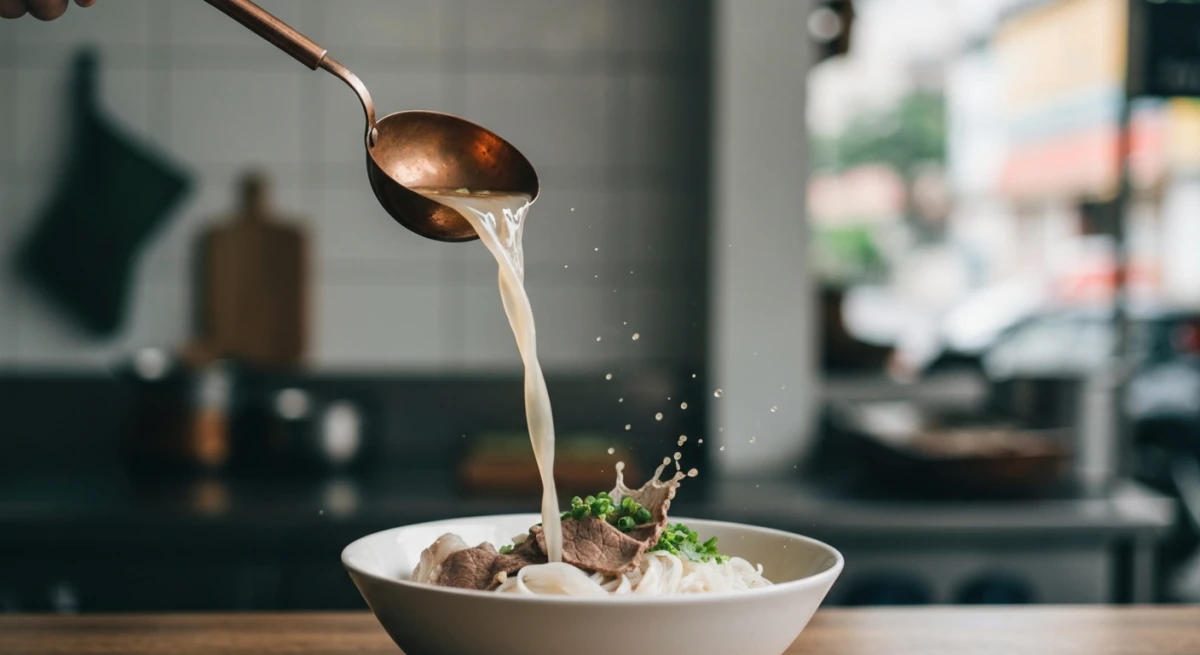
When you search for the term "rice field ho chi minh," you are likely looking for one of two very different, yet equally enchanting experiences. On one hand, you have the highly acclaimed, Michelin-selected restaurant "Rice Field - Home Cooked Vietnamese Food" nestled in the heart of District 1. On the other hand, you have the picturesque, wind-swept green and golden rice paddies that represent the soul of Vietnam's agricultural heritage, resting just on the outskirts of the city.
Fortunately, you do not have to choose between a world-class dining experience and a scenic rural escape. This ultimate guide is designed to address both search intents in complete detail. Whether you want to savor authentic, rustic dishes in a village-inspired rooftop setting in downtown Saigon or plan an unforgettable journey to photograph and cycle through real rice fields just a short drive from the city center, we have compiled everything you need for the perfect itinerary.
The Culinary Oasis: Rice Field Restaurant in District 1
Located at 2F, 75-77 Ho Tung Mau Street, Ben Nghe Ward, District 1, Ho Chi Minh City, Rice Field - Homecooked Vietnamese Cuisine is a true culinary sanctuary. Just a five-minute walk from the iconic Bitexco Financial Tower, the restaurant’s entrance is unassuming, resembling a hidden speakeasy. Stepping inside, however, immediately transports you from the chaotic, scooter-filled streets of Saigon into the nostalgic warmth of a traditional Vietnamese countryside home.
The Ambiance and Design
The restaurant spans three beautifully designed levels, concluding in a charming open-air rooftop. The decor is a heartfelt homage to Vietnam’s rural villages. Vintage cement tiles line the floors, while raw brick walls, sturdy dark wood furniture, and hand-woven bamboo baskets create an earthy, rustic feel. Warm, golden lanterns hang from the ceilings, casting a soft glow over hand-painted murals depicting water buffaloes and endless rice paddies.
The rooftop terrace is the crown jewel of the venue. Adorned with lush potted plants and actual small plots of decorative rice, it offers a breezy, open-air escape where you can dine under the stars while listening to the distant hum of the city. It is the perfect blend of traditional pastoral charm and modern urban sophistication.
A Michelin-Selected Menu of Regional Classics
Recognized in the Michelin Guide, Rice Field is celebrated for its commitment to preserving authentic, traditional recipes from the North, Central, and Southern regions of Vietnam. The menu is structured around the classic Vietnamese concept of "Cơm Nhà" (home-cooked family meals), which features a harmonious balance of salty, sweet, savory, and sour dishes designed to be shared family-style.
Here are the signature dishes you absolutely must try:
- Stuffed Snails with Lemongrass (Ốc Nhồi Thịt): A beloved Northern specialty, this dish features succulent freshwater snail meat minced finely with seasoned pork, wood-ear mushrooms, shallots, and garlic. The mixture is stuffed back into the snail shells alongside a fragrant stalk of lemongrass and steamed. Pulled out by the lemongrass stem and dipped into a fiery ginger fish sauce, it is a culinary masterpiece of texture and aroma.
- Hanoi-Style Turmeric Fish (Chả Cá Lã Vọng): Sizzling chunks of firm white fish are marinated in earthy fresh turmeric, galangal, and garlic. It is then cooked tableside on a portable stove with massive heaps of fresh dill and scallions. Assembled in a small bowl with soft rice vermicelli, roasted peanuts, fresh mint, and a drizzle of frothy, lime-infused fermented shrimp paste (mắm tôm), it provides an unforgettable explosion of flavor.
- Sautéed Tonkin Creeper with Beef (Hoa Thiên Lý Xào Thịt Bò): The delicate, yellowish-green blossoms of the Tonkin jasmine vine are flash-fried in a roaring hot wok with garlic and tender slices of beef. The flowers retain a satisfying, crisp snap and offer a subtle, naturally sweet floral flavor that perfectly balances the savory beef.
- Claypot Caramelized Pork Belly (Thịt Kho Quẹt): A rustic Southern staple, this dish consists of pork belly and crispy pork fatback slow-cooked in a thick, sticky reduction of fish sauce, sugar, black pepper, and fresh green peppercorns. Served bubbling hot in a claypot, it is accompanied by a colorful platter of freshly boiled seasonal vegetables (such as okra, cabbage, and carrots) for dipping.
To complement these rich, multi-layered dishes, the restaurant offers an extensive selection of traditional Vietnamese beverages and modern refreshments. You can experience the theater of a classic Vietnamese Drip Coffee (Cà Phê Phin), where dark-roasted Robusta beans slowly drip over sweet condensed milk, creating a rich, chocolatey brew. For something lighter and more refreshing, their house-made Pennywort Juice (Nước Rau Má) is a fantastic, earthily sweet herbal drink known for its cooling properties in the tropical heat. They also feature a range of freshly squeezed local fruit juices—such as passion fruit, soursop, and calamansi—and a curated list of Vietnamese craft beers that pair wonderfully with the rich, savory profiles of the claypot dishes.
Dining Tips and Practical Information
- Pricing: Extremely reasonable for a Michelin-selected venue in District 1. Expect to spend between 250,000 VND and 450,000 VND ($10 to $18 USD) per person for a comprehensive family-style feast.
- Reservations: Highly recommended, particularly if you wish to secure a table on the open-air rooftop during the cooler evening hours (from 6:00 PM onwards).
- Dietary Accommodations: The restaurant is highly vegan and vegetarian-friendly, offering an array of plant-based dishes such as claypot-braised eggplant, stir-fried morning glory, and fresh tofu prepared with local herbs.
Finding Real Rice Fields Within Ho Chi Minh City Limits
If your heart is set on experiencing the open air, the scent of damp earth, and the sight of endless green stalks swaying under the tropical sun, you do not need to book an expensive flight to the mountainous North. While Ho Chi Minh City is a rapidly expanding concrete metropolis, several of its outer districts still preserve active, breathtaking agricultural zones.
Xuan Thoi Son Commune (Hoc Mon District)
Located approximately 18 kilometers northwest of District 1, Xuan Thoi Son commune in Hoc Mon District has recently exploded as a viral sensation for locals and travelers seeking a peaceful, rural escape without leaving the city borders. Historically part of the famous "Eighteen Betel Hamsets" (Mười Tám Thôn Vườn Trầu), Hoc Mon has deep agricultural roots that persist to this day.
- The Sunset Phenomenon: The fields surrounding the intersection of Truong Thi Nhu and Xuan Thoi Son A roads have become the ultimate destination for evening relaxation. As the fierce midday heat breaks around 4:30 PM, the vast, flat rice fields are bathed in a warm, cinematic golden light.
- The Dyke Coffee Culture: A delightful, grassroots tourism trend has emerged here. Local vendors set up mobile drink carts along the narrow concrete canal paths, offering classic iced Vietnamese milk coffee (cà phê sữa đá), fresh coconut water, and fruit teas. For a nominal fee (usually under $1.00 USD), you are provided with a low plastic stool to place directly on the grassy dyke. Sitting there, sipping a cold drink while watching the golden sun set behind the distant tree line, is incredibly therapeutic.
- What to Expect: Depending on the agricultural calendar, you will either be greeted by an endless, vibrant neon-green carpet of young rice sways, or a heavy, fragrant sea of golden-ripe stalks ready for harvest. The air is thick with the sweet, clean scent of grain—a refreshing contrast to the exhaust fumes of central Saigon.
For photography enthusiasts heading to Xuan Thoi Son, timing is everything. To capture the absolute best shots, plan to arrive by 4:00 PM. This gives you time to scout a location along the dykes before the "Golden Hour" begins around 5:00 PM. The soft, angled sunlight at this time illuminates the delicate seed heads of the rice, creating a glowing, backlit halo effect. A telephoto lens (such as a 70-200mm) is excellent for compressing the landscape and capturing intimate portraits of farmers or the detailed texture of the crops. If you plan to fly a drone, be highly cautious: while the area is rural, Ho Chi Minh City has strict civil aviation and military regulations regarding drone flights, and obtaining proper permits is highly recommended to avoid steep fines.
Cu Chi District: Fields of History and Resilience
Famous worldwide for the incredible Cu Chi Tunnels—a 250-kilometer underground network used during the war—Cu Chi District (located about 40 kilometers northwest of central HCMC) is also home to vast, rolling agricultural plains.
- Biking the Countryside: The absolute best way to experience the rice paddies of Cu Chi is to skip the standard tour buses and book a guided bicycle day trip. Several eco-conscious tour operators lead small groups along quiet, unpaved backroads.
- The Scenic Journey: As you pedal through the Cu Chi countryside, you will ride alongside expansive, flat rice fields irrigated by channels branching from the Saigon River. The route takes you past local duck farms (where thousands of ducks paddle through the flooded paddies), rubber tree plantations, and traditional homesteads. You will witness farmers working the rich soil with small tractors, water buffaloes grazing by the roadside, and local children waving cheerfully. It is a slow, deeply authentic look at Vietnamese rural life.
Binh Chanh District: Where Urban Meets Rural
Binh Chanh District, located on the southwestern fringe of Ho Chi Minh City, offers a fascinating, surreal visual experience for photographers. As an area undergoing rapid urban transition, it is one of the few places where you can witness ancient farming practices operating in the literal shadow of modern development.
- Tan Nhut Commune: In areas like Tan Nhut, generational farming families continue to cultivate rice in massive, flat paddies.
- The Contrast: Standing on a narrow dirt dyke in Tan Nhut, you can capture stunning photographs of farmers in traditional conical hats tending to their vibrant green crops, with the towering, futuristic glass skyscrapers of the city rising dramatically in the distant, hazy background. It perfectly symbolizes the dual soul of modern Vietnam.
Spectacular Day-Trip Escapes: Rice Fields Near Ho Chi Minh City
For those willing to travel just a bit further (between 1.5 to 2.5 hours outside the city center), the surrounding provinces offer some of the most expansive and visually stunning agricultural landscapes in Southeast Asia.
Long An Province: The Sea of Gold
Bordering Ho Chi Minh City to the southwest, Long An Province is the immediate gateway to the fertile Mekong Delta. Nourished by the Vam Co Dong and Vam Co Tay rivers, this province is a powerhouse of Vietnamese rice production.
- The National Highway N2 Route: For an unforgettable road trip, rent a motorbike or hire a private driver to travel down National Highway N2 through Thanh Hoa District. During the harvest seasons, this route transforms into a breathtaking, endless corridor of golden rice stretching to the horizon. The air here is filled with the rich, earthy scent of ripening grain and the sweet smell of burning rice straw following a harvest.
- Tan Lap Floating Forest: Combine your rice field exploration with a visit to the Tan Lap Floating Village (Làng Nổi Tân Lập). Located nearby, this spectacular eco-tourism site features a five-kilometer raised concrete walkway that winds through a dense, mystical cajeput forest rising out of flooded wetlands. You can also hire a traditional rowing boat (xuồng ba lá) to glide through the narrow green canals, surrounded by wild lotuses and water lilies.
While exploring Long An, it is highly recommended to seek out a bowl of rice made from Nàng Thơm Chợ Đào, a legendary heirloom variety of rice grown exclusively in the Can Duoc District of Long An. This rice is famous throughout Vietnam for its exquisite, natural scent of jasmine and pineapple, and its uniquely soft, non-sticky texture that remains flavorful even when cold. It is considered the finest rice in the South, and tasting it directly in its home province, surrounded by the very fields where it is grown, is a bucket-list experience for any food lover.
The Mekong Delta (My Tho and Ben Tre)
Often referred to as the "Rice Basket of Vietnam," the Mekong Delta produces over half of the country’s total rice crop and 90% of its agricultural exports. Because of the tropical climate and rich alluvial soil, farmers here can harvest up to three crops per year.
- Immersive Day Tours: Day trips from HCMC to My Tho and Ben Tre are highly popular, but to see the true agricultural heart of the region, choose a tour that includes a rural cycling component.
- Cycling the Backroads: Pedaling along the narrow, paved pathways of local river islands and villages allows you to escape the tourist crowds. You will ride through shaded coconut groves, cacao orchards, and emerge into vast, flat, emerald-green rice fields bordered by towering nipa palms. You can stop to chat with friendly local farmers, observe the intricate canal irrigation systems, and experience a way of life that has remained unchanged for generations.
Understanding Southern Vietnam's Rice Harvest Cycles
To plan the perfect trip and capture the exact scenery you desire, it is crucial to understand the agricultural calendar of Southern Vietnam. Unlike the mountainous regions of Northern Vietnam (like Sapa and Mu Cang Chai), which only have one harvest per year due to cold winters, the tropical South enjoys a continuous, year-round growing cycle with three main crops.
| Crop Season | Planting Period | Harvest Period | Visual Character |
|---|---|---|---|
| Winter-Spring (Đông Xuân) | November – December | February – March | Highly Recommended: Lush, vibrant green transitioning to heavy, brilliant gold. Beautiful, dry, and cooler weather. |
| Summer-Autumn (Hè Thu) | April – May | July – August | Lush & Green: Deep, intense emerald fields. High humidity with dramatic afternoon monsoon downpours. |
| Autumn-Winter (Thu Đông) | August – September | November – December | Water Landscapes: Often coincides with the "floating water" season. Beautiful reflections of sky on flooded fields. |
FAQs on Rice Fields in and Around Ho Chi Minh City
Is there a real rice field inside Ho Chi Minh City?
Yes. While the central districts are entirely urbanized, suburban districts like Hoc Mon (specifically Xuan Thoi Son commune), Cu Chi, and Binh Chanh still have active, working rice fields cultivated by local farming families.
What is the address of the Rice Field restaurant in HCMC?
The famous Michelin-selected restaurant Rice Field - Homecooked Vietnamese Cuisine is located at 75-77 Ho Tung Mau Street, Ben Nghe Ward, District 1, Ho Chi Minh City, near the Bitexco Financial Tower.
Can I see terraced rice fields near Ho Chi Minh City?
No. Terraced rice fields require steep mountainous terrain, which is only found in Northern Vietnam (such as Sapa, Mu Cang Chai, and Hoang Su Phi). The rice fields in Ho Chi Minh City and the surrounding southern provinces are entirely flat plains.
How do I get to the Xuan Thoi Son rice fields in Hoc Mon?
From central HCMC (District 1), you can travel northwest along Cong Hoa Street and National Highway 22 (QL22) toward Hoc Mon. Navigate to the intersection of Truong Thi Nhu and Xuan Thoi Son A roads. The journey takes approximately 45 to 60 minutes by motorbike or taxi, depending on traffic.
When is the best time of day to visit the rice fields?
The absolute best time to visit is in the late afternoon, between 4:30 PM and 6:00 PM. The midday tropical heat will have subsided, the light is incredibly warm and golden for photography, and you can experience the local sunset coffee culture.
Conclusion
The term "rice field ho chi minh" beautifully captures the dual identity of Vietnam’s southern metropolis. It is a city where you can enjoy a refined, Michelin-selected dinner representing the country's rich culinary traditions on a rooftop in District 1, and then, within an hour, find yourself sitting on a grassy dyke in Hoc Mon, watching the sunset over miles of rustling golden paddies. Rice is more than just a staple crop in Vietnam; it is the physical and cultural foundation of the nation. By exploring both the rustic culinary interpretations in downtown Saigon and the scenic agricultural fields on its outskirts, you will gain a profound, unforgettable connection to the true heart of Vietnam.