The Soul of Hanoi Street Food: What Makes It Unique
Hanoi's food scene is not just about sustenance; it is a sensory journey deeply woven into the city's history, culture, and daily life. Walking through the narrow, bustling streets of the Old Quarter, you are greeted by a symphony of sights, sounds, and aromas. From the sizzling of grilled pork over charcoal to the fragrant steam rising from cauldrons of simmering beef broth, food in Hanoi is everywhere, vibrant and unapologetically public.
Unlike the sweeter, more herb-heavy dishes of Southern Vietnam (such as those in Ho Chi Minh City), Northern Vietnamese cuisine—with Hanoi at its heart—is characterized by its clean, balanced, and subtle flavors. Chefs here rely on high-quality fresh ingredients, using black pepper, mild chilies, and salt to enhance natural flavors rather than masking them with heavy spices or sugars. The result is a profile that is light, aromatic, and deeply satisfying.
The culture around eating in Hanoi is equally captivating. Dining is an informal, communal affair. You will find corporate executives in tailored suits sitting side-by-side with local school children on tiny plastic stools on the sidewalk, all focusing intently on a hot, steaming bowl of noodles. This egalitarian street food culture makes Hanoi one of the world's premier culinary destinations. If you are planning a trip to the Vietnamese capital, finding the best recommended food in hanoi is key to experiencing the city's true spirit.
12 Ultimate Recommended Dishes in Hanoi (and Where to Find Them)
To help you navigate this culinary paradise, we have compiled the ultimate list of recommended food in hanoi. These twelve iconic dishes define the local gastronomy, ranging from world-famous noodle soups to hidden alleyway snacks.
1. Phở Bò (Beef Noodle Soup)
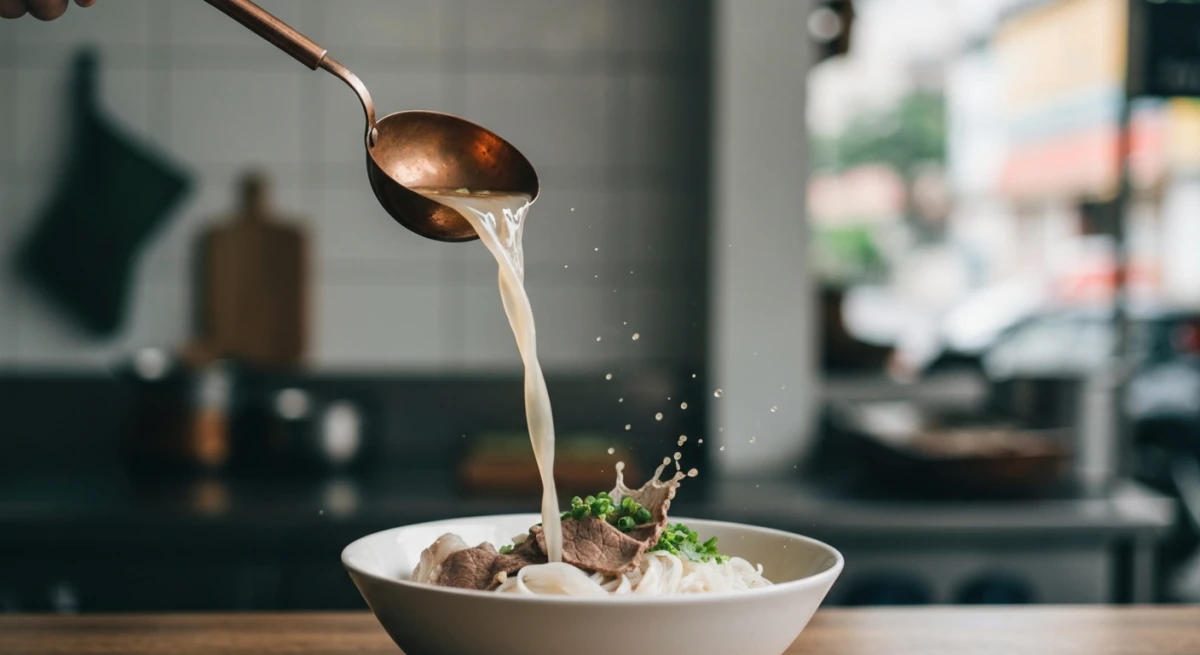
Phở is synonymous with Vietnam, but its birthplace is the North, and Hanoi serves the most traditional version. Hanoian Pho focuses on a crystal-clear, intensely aromatic broth made by simmering beef bones, charred ginger, onions, and star anise for up to twelve hours. It is served with flat rice noodles (bánh phở) and tender cuts of beef, finished with a generous handful of green onions and cilantro. No sugar or heavy hoisin sauce is added here—locals simply season their bowls with a squeeze of fresh lime, a few slices of fresh red chili, or a splash of chili sauce.
- Where to try it:
- Phở Gia Truyền Bát Đàn (49 Bát Đàn, Hoàn Kiếm) – A legendary spot where patrons line up daily. Known for its rich, traditional broth and raw beef (phở tái) that cooks instantly in the boiling soup.
- Phở Thìn Lò Đúc (13 Lò Đúc, Hai Bà Trưng) – Famous for its stir-fried beef pho, a unique twist where the beef is flash-fried with garlic before being added to the broth, creating an incredibly rich and smoky flavor.
2. Bún Chả (Grilled Pork Noodles)
If Pho is Hanoi's breakfast staple, Bún Chả is its undisputed lunchtime king. The dish consists of charcoal-grilled pork patties (chả) and strips of tender pork belly swimming in a warm, sweet-savory dipping broth made of fish sauce, vinegar, sugar, and lime, accompanied by green papaya pickles. It is served alongside a plate of cold rice vermicelli noodles (bún) and a mountain of fresh herbs. To eat it, dip a portion of noodles and herbs directly into the pork broth and take a bite.
- Where to try it:
- Bún Chả Hương Liên (24 Lê Văn Hưu, Hai Bà Trưng) – Globally famous as the "Obama Bun Cha" after former US President Barack Obama dined here with Anthony Bourdain. The food is exceptionally delicious and lives up to the monumental hype.
- Tuyet Bun Cha 34 (34 Hàng Than, Ba Đình) – A Michelin Bib Gourmand-awarded spot loved by locals for its exceptionally well-marinated pork wrapped in wild betel leaves.
3. Chả Cá Lã Vọng (Sizzling Turmeric Fish with Dill)
Chả Cá is a unique Hanoian specialty that transforms dining into an interactive, theatrical experience. White fish is marinated in turmeric, galangal, and shrimp paste, then pan-fried at your table in a sizzling skillet filled with fresh dill and spring onions. Once the herbs wilt, you assemble your bowl with rice vermicelli, roasted peanuts, fresh coriander, and a drizzle of pungent mắm tôm (fermented shrimp paste) or lime-infused fish sauce.
- Where to try it:
- Chả Cá Lã Vọng Original (14 Chả Cá, Hoàn Kiếm) – The birthplace of the dish, run by the same family for over a century. It's historic, though slightly touristy.
- Chả Cá Anh Vũ (120 K1 Giảng Võ, Ba Đình) – A highly-rated local favorite offering generous portions, incredibly fresh herbs, and impeccable service.
4. Cà Phê Trứng (Egg Coffee)
Born out of necessity during the 1940s milk shortage, egg coffee has become Hanoi's signature sweet treat. Whisked egg yolks are beaten vigorously with condensed milk and sugar until they form a thick, velvety, meringue-like foam, which is poured over a shot of strong, hot Vietnamese robusta coffee. The cup is usually served sitting in a bowl of warm water to keep the temperature consistent. It tastes like a rich, liquid tiramisu and is the perfect afternoon pick-me-up.
- Where to try it:
- Café Giảng (39 Nguyễn Hữu Huân, Hoàn Kiếm) – Founded by Nguyen Giang, the creator of the original recipe. Tucked down a narrow alley, this multi-level cafe is an essential pilgrimage for any food lover.
- Café Đinh (13 Đinh Tiên Hoàng, Hoàn Kiếm) – Run by Giang’s daughter, this rustic, second-story café offers stunning views of Hoan Kiem Lake and a slightly stronger coffee profile.
5. Bánh Mì Sốt Vang (Crispy Baguette with Beef Stew)
While the classic Vietnamese cold-cut bánh mì is available throughout the city, Hanoi's true specialty is Bánh Mì Sốt Vang. This dish showcases French culinary influence, featuring a rich, slow-cooked beef stew seasoned with red wine, cinnamon, star anise, and lemongrass. The tender chunks of beef and carrots are served piping hot, accompanied by a freshly baked, ultra-crispy, hollow baguette. Tear off a piece of bread and use it to scoop up the luscious, aromatic gravy.
- Where to try it:
- Bánh Mì Trâm (30 Đình Ngang, Hoàn Kiếm) – Renowned for its incredibly thick, comforting gravy and melt-in-your-mouth beef brisket.
- Bánh Mì 25 (25 Hàng Cá, Hoàn Kiếm) – Ideal if you are looking for classic, highly-customizable sandwich-style bánh mì with excellent pate and modern fillings.
6. Bún Bò Nam Bộ (Stir-Fried Beef Vermicelli Salad)
Despite "Nam Bộ" meaning "Southern style," this warm noodle salad has been perfected and popularized in Hanoi. Unlike most Vietnamese noodle soups, this dish is dry. It features warm rice vermicelli topped with tender beef flash-fried with garlic and lemongrass, crunchy bean sprouts, fresh herbs, pickled green papaya, roasted peanuts, and fried shallots. The entire bowl is brought together by a light, sweet, and tangy fish-sauce-based dressing poured over the top.
- Where to try it:
7. Bánh Cuốn (Steamed Rice Crepes)
Bánh Cuốn is a delicate, light breakfast dish. A thin sheet of fermented rice batter is steamed over a taut cloth stretched over a boiling pot of water. The chef deftly lifts the paper-thin crepe with a bamboo stick and rolls it with minced pork, wood-ear mushrooms, and shallots. It is served with sliced Vietnamese pork sausage (chả lụa), crispy fried shallots, fresh herbs, and a light dipping sauce.
- Where to try it:
- Bánh Cuốn Thanh Vân (12-14 Hàng Gà, Hoàn Kiếm) – Famous for its expertly thin sheets and variety of fillings, including pork, chicken, and even shrimp.
- Bánh Cuốn Bà Hoành (66 Tô Hiến Thành, Hai Bà Trưng) – Known for a rustic, thicker crepe served with delicious grilled pork instead of the traditional minced fillings.
8. Bún Riêu Cua (Crab and Tomato Noodle Soup)
Bún Riêu is a visual and flavor masterpiece. The soup features a tangy, vibrant red broth made from tomatoes, rice vinegar, and crushed freshwater paddy crabs. The highlight is the fluffy crab paste (riêu cua) that floats on top. It is typically served with rice vermicelli, fried tofu blocks, sliced pork sausage, and occasionally beef or congealed blood. The tangy broth, balanced with the savory crab flavor and fresh shredded banana flower, is incredibly refreshing.
- Where to try it:
- Bún Riêu Trang (23 Nguyễn Siêu, Hoàn Kiếm) – A busy, no-nonsense street food stall in the Old Quarter serving some of the most authentic crab broth in town.
9. Phở Cuốn & Phở Chiên Phồng (Rolled and Fried Pho)
If you love Pho but want a modern, dry alternative, head to Truc Bach Lake to try these twin delicacies. Phở Cuốn consists of wide, uncut sheets of steamed pho noodles wrapped around stir-fried beef, lettuce, and coriander, dipped in sweet fish sauce. Phở Chiên Phồng features squares of uncut pho sheets deep-fried until they puff up like crispy little pillows, which are then smothered in a savory stir-fry of beef, mustard greens, and thick gravy.
- Where to try it:
- Phở Cuốn Hưng Bền (33 Ngũ Xã, Trúc Bạch) – Located in the heart of the "Pho Cuon village" near West Lake, this is the original and most famous establishment serving both versions.
10. Nộm Bò Khô (Dried Beef Salad)
Nộm Bò Khô is the ultimate Hanoian street snack. This refreshing salad features a bed of finely shredded green papaya and carrots, topped with sweet-and-spicy dried beef jerky, boiled beef spleen, fresh herbs (mostly Thai basil and mint), and roasted peanuts. It is tossed in a sweet, sour, and mildly spicy vinaigrette. It's crunchy, savory, and incredibly addictive, especially when paired with a cold local beer.
- Where to try it:
- Nộm Long Vi Dung (23 Hồ Hoàn Kiếm, Hoàn Kiếm) – Situated on the famous "dry beef salad street" right next to Hoan Kiem Lake. It’s always crowded, energetic, and delicious.
11. Bún Ốc (Snail Noodle Soup)
Snails are a beloved delicacy in Hanoi, and Bún Ốc is the most popular way to enjoy them. This unique soup consists of a tangy, tomato-based broth made sour by the addition of "dấm bỗng" (distilled rice vinegar). It features plump, chewy freshwater snails, fried tofu, and fresh herbs. The combination of chewy snails and the piping-hot, sour, spicy broth makes for an incredibly distinct flavor profile that food adventurers must try.
- Where to try it:
- Bún Ốc Giang (36 Lương Ngọc Quyến, Hoàn Kiếm) – A legendary Old Quarter stall that has been serving exceptional, traditional snail soup for generations.
12. Xôi Xéo (Turmeric Sticky Rice with Mung Bean)
Xôi Xéo is a comforting, carb-heavy breakfast staple. Glutinous rice is dyed a bright, natural yellow using turmeric powder, then cooked until perfectly sticky. When ordered, the vendor layers thin slices of a dense, savory mung bean paste over the rice, finishes it with a generous scoop of crispy fried shallots, and drizzles rendered pork fat over the top. You can also add toppings like shredded chicken, braised pork belly, or Vietnamese ham.
- Where to try it:
- Xôi Yến (35b Nguyễn Hữu Huân, Hoàn Kiếm) – A massive, multi-story street food institution that revolutionized how Xôi is served in Hanoi. Open late, it is perfect for both early morning energy and late-night cravings.
Best Food Neighborhoods in Hanoi: A Culinary Map
To make the most of your culinary adventure, it helps to understand the layout of Hanoi's distinct culinary neighborhoods. Each area has its own vibe, specialties, and dining culture.
1. The Old Quarter (Hoàn Kiếm)
The Old Quarter is the epicenter of recommended food in hanoi. Its ancient, maze-like streets are named after the guilds that once operated there. This is where you will find the highest concentration of classic street food stalls, cozy cafes, and historic food alleys.
- Vibe: Bustling, chaotic, and highly interactive.
- Key Specialties: Pho Bo, Bun Cha, Banh Cuon, Egg Coffee, and street beer (Bia Hơi) at the famous Ta Hien Corner.
2. Trúc Bạch and Ngũ Xã Island
Located just south of West Lake, the quiet, residential peninsula of Truc Bach is famous for inventing Phở Cuốn (rolled pho). It offers a more relaxed, scenic dining environment away from the chaotic traffic of the Old Quarter.
- Vibe: Scenic, laid-back, and youthful.
- Key Specialties: Phở Cuốn, Phở Chiên Phồng, and lakeside seafood hot pots (Lẩu).
3. West Lake (Tây Hồ)
Tây Hồ is Hanoi's expat enclave, offering a fascinating blend of high-end international dining, trendy vegetarian cafes, and traditional lakeside street food. It’s the perfect place to watch the sunset while enjoying fresh seafood or a modern culinary fusion.
- Vibe: Cosmopolitan, breezy, and upscale.
- Key Specialties: Bánh Tôm (crispy West Lake shrimp cakes), snail dishes (ốc), and artisanal craft beer.
Tips for Navigating Hanoi’s Street Food Scene Like a Local
Eating like a local in Hanoi is an art form. To ensure you have a safe, authentic, and unforgettable culinary experience, keep these professional tips in mind:
- Follow the Crowds: The gold standard of street food safety and quality is local patronage. If you see a stall packed with locals sitting on low stools, join them. High turnover means the ingredients are fresh, and the flavors are highly approved.
- Embrace the Stool: Street food in Hanoi is eaten on miniature plastic stools on the pavement. It may feel tight at first, but it is an integral part of the experience. Sit back, relax, and enjoy being closer to the ground and the action.
- Wipe Your Utensils: It is a common local habit to use a dry tissue to wipe down your chopsticks and spoon before eating. Most tables will have a box of tissues or wet wipes readily available.
- Don't Fear the Condiments: Vietnamese tables are lined with small jars of pickled garlic, fresh limes, chili sauce, and fresh red chilies. Don't hesitate to use them! Taste the broth first, then customize it to strike your preferred balance of sour, spicy, and salty.
- Mind the Dining Hours: Traditional street food stalls in Hanoi are highly specialized, often serving only one specific dish during specific hours. Pho and Xoi are primarily breakfast foods, while Bun Cha is predominantly a lunch dish. Plan your meals around these traditional dining cycles.
Frequently Asked Questions (FAQ)
Is street food in Hanoi safe to eat?
Yes, street food in Hanoi is generally safe and incredibly fresh. Because of high customer turnover at popular stalls, food rarely sits around. To minimize risk, choose stalls that are busy with locals, ensure your food is served hot/cooked to order, and drink bottled or boiled water.
What is the most famous food in Hanoi?
The two most famous dishes in Hanoi are Phở (specifically Phở Bò, beef noodle soup) and Bún Chả (charcoal-grilled pork served with vermicelli and herb-infused broth). Both dishes originated in Northern Vietnam and represent the absolute pinnacle of Hanoi's culinary heritage.
Can vegetarians find good food in Hanoi?
Absolutely! While traditional Hanoian cuisine is meat-heavy, the city has a rich Buddhist heritage, resulting in a thriving vegetarian culture. Look for signs that say "Chay" (which means vegetarian/vegan). You can find incredible plant-based versions of Pho, Banh Mi, and claypot dishes at dedicated "Quán Chay" restaurants throughout the city.
How much does a meal cost in Hanoi?
Hanoi is incredibly budget-friendly. A hearty bowl of street food like Pho or Bun Cha typically costs between 40,000 and 70,000 VND ($1.60 to $2.80 USD). Even a high-end, multi-course meal or a specialty dish like Cha Ca will generally only run about 150,000 to 250,000 VND ($6.00 to $10.00 USD) per person.
Conclusion
Hanoi is a city that reveals its heart and history through its food. By exploring its aromatic alleys, sitting on low plastic stools, and tasting the delicate, balanced flavors of its heritage dishes, you connect with the capital's living culture. Whether you are sipping velvety egg coffee overlooking Hoan Kiem Lake, savoring a smoky bowl of Bun Cha, or comforting yourself with a warm bowl of traditional beef Pho, the recommended food in hanoi will leave an indelible mark on your palate and your memory. Pack your appetite, leave your culinary comfort zone behind, and prepare for one of the greatest food journeys of your life.