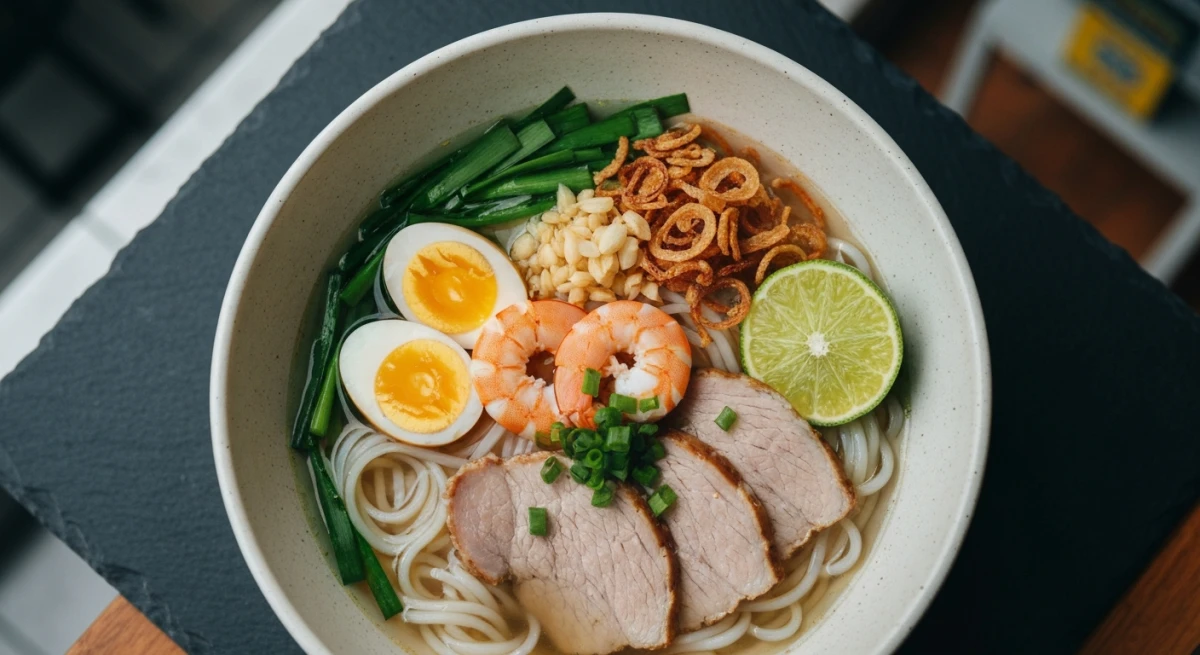
Ho Chi Minh City—still affectionately called Saigon by locals—is a sprawling, high-octane metropolis where culinary traditions do not just survive; they reinvent themselves daily. From the hiss of pork fat dripping onto red-hot charcoals down narrow alleyways to the hushed luxury of high-concept dining rooms overlooking the Saigon River, this city is an absolute playground for hungry travelers. If you are looking for the best restaurants to try in ho chi minh, you have come to the right place.
Rather than repeating the same outdated recommendations, we have curated a comprehensive, highly updated guide to Saigon's dynamic dining scene. Whether you are hunting for multi-generational street food legends, looking to indulge in the city’s brand-new wave of Michelin-starred champions, or seeking tucked-away modern fusion bistros, this guide is your definitive culinary roadmap. Let us dive into the flavors, neighborhoods, and essential plates that define contemporary Saigon.
The Michelin Revolution: High-End and Fine Dining in Saigon
For decades, Saigon’s food scene was primarily celebrated for its rustic street corners and casual pavement dining. However, the arrival of the Michelin Guide has catalyzed an exciting fine-dining renaissance. Today, a new generation of boundary-pushing chefs are elevating local ingredients onto the global stage. If you are looking for exceptional restaurants to try in ho chi minh that offer a world-class dining experience, these starred establishments must be at the top of your list.
Anan Saigon (District 1)
Tucked away in the middle of Chợ Cũ—the city’s oldest wet market—Anan Saigon is a masterful study in contrasts. Helmed by Chef Peter Cuong Franklin, a pioneer of modern Vietnamese cuisine ("Cuisine Mới"), Anan is legendary for taking humble street food concepts and transforming them with luxury ingredients and French-trained techniques.
- The Vibe: Energetic and unpretentious. The multi-story building features a narrow staircase, vibrant local art, and a stunning rooftop bar overlooking the chaotic wet market below.
- What to Order: The famous "$100 Bánh Mì" (featuring truffle, foie gras, and wagyu beef) must be ordered in advance, but the regular tasting menu is equally spectacular. Do not miss the Caviar Bánh Nhúng (a delicate, crispy Vietnamese rosette waffle topped with caviar and smoked salmon) or the Wagyu Beef Marrow Pho, which distills the essence of Vietnam’s national dish into a rich, decadent bone marrow reduction.
- Pro-Tip: Make reservations weeks in advance, especially if you want a table on the rooftop terrace.
AKUNA (District 1)
Located inside the luxurious Le Méridien Saigon overlooking the river, AKUNA is where fine dining sheds its stiff, formal skin. Led by the charismatic, Michelin-starred Chef Sam Aisbett, AKUNA is a playground of flavor that refuses to be boxed into a single culinary category. Aisbett blends his Australian heritage with local Vietnamese ingredients to create dishes that are bold, unpredictable, and deeply personal.
- The Vibe: Moody, artistic, and sophisticated. The open kitchen lets you watch the culinary theater unfold beneath a stunning, hand-blown glass installation designed to mimic flowing river water.
- What to Order: The multi-course tasting menu changes seasonally. Highlights often include creatively prepared local seafood, slow-cooked crocodile rimmed with native herbs, and inventive desserts that utilize local Vietnamese chocolate and tropical fruits.
- Pro-Tip: Ask for the counter seating to interact directly with Chef Sam and the culinary team as they prep your dishes.
CoCo Dining (District 3)
As one of the newest additions to Saigon's prestigious One-Michelin-Star club, CoCo Dining has quickly captured the hearts of serious food lovers. Led by Chef Thanh Vuong Vo, this stunning restaurant explores the intersection of contemporary culinary art and traditional Vietnamese roots.
- The Vibe: Housed in a beautifully designed space that blends raw concrete, dark woods, and warm ambient lighting, CoCo Dining feels like an upscale urban sanctuary.
- What to Order: Opt for the signature 12-course tasting menu. Chef Thanh Vuong Vo utilizes age-old preservation techniques—such as drying, salting, and fermenting—to draw profound depths of flavor from humble local ingredients.
- Pro-Tip: Arrive early and enjoy a signature cocktail at their bar; their mixology program is heavily inspired by Vietnamese spices and herbs.
The Royal Pavilion (District 1)
For those seeking an uncompromisingly luxurious experience, The Royal Pavilion inside the ultra-opulent Reverie Saigon hotel is a masterclass in Cantonese fine dining. Earning its Michelin star through flawless consistency and masterful technique, this restaurant transports diners directly to the high-end banquet halls of Hong Kong.
- The Vibe: Gilded columns, vibrant red-and-gold silks, and sweeping views of Nguyen Hue walking street. The service here is exceptionally formal and highly attentive.
- What to Order: The Pekin Duck (carved tableside) is legendary, featuring perfectly lacquered, crispy skin wrapped in delicate crepes. Their dim sum lunch menu is also widely considered the finest in Saigon, showcasing pristine scallop dumplings and melt-in-your-mouth barbecue pork buns (char siu bao).
- Pro-Tip: Book one of the private dining rooms if you are traveling with a group for an intimate, VIP experience.
Elevated Vietnamese Heritage: Regional Flavors and Bistro Eats
While fine-dining tasting menus are thrilling, some of the most memorable restaurants to try in ho chi minh are those that celebrate comforting, family-style Vietnamese meals. These bistro-style venues offer air-conditioned comfort, impeccable hygiene, and stunning, heritage-rich interiors without losing the soul of the traditional dishes they serve.
Mặn Mòi (District 3 & District 2)
Mặn Mòi is a love letter to the immense culinary diversity of Vietnam. The restaurant’s mission is to showcase authentic, often forgotten dishes from the country's three main regions: the mountainous, herb-rich North; the fiery, spice-forward Central region; and the sweet, tropical, seafood-abundant South.
- The Vibe: The District 3 location is housed in a gorgeous, leafy colonial-style villa. Clay tile floors, wooden shutters, and lush tropical foliage create a nostalgic, romantic atmosphere that makes you feel a world away from the city's traffic.
- What to Order: Start with their regional platter of wild herbs served with a rich, caramelized fish sauce dip (kho quẹt). Move on to the slow-cooked beef brisket in spicy Hue-style broth or the charcoal-grilled sea bass wrapped in wild banana leaves.
- Pro-Tip: Mặn Mòi is highly vegetarian-friendly, offering an extensive selection of plant-based interpretations of traditional dishes.
Bếp Mẹ Ỉn (District 1)
Conveniently located just steps from the historic Bến Thành Market, Bếp Mẹ Ỉn is tucked down a narrow alleyway that suddenly opens up into a colorful, high-energy dining space. Styled after a traditional Vietnamese countryside home, it specializes in "món ăn gia đình"—the kind of comforting, home-cooked food a Vietnamese mother would make.
- The Vibe: Bright yellow walls, retro enamel plates, and vintage wooden stools. It is bustling, loud, and incredibly friendly, making it popular with both curious tourists and locals craving a quick, high-quality lunch.
- What to Order: You must order the Bánh Xèo (crispy sizzling crepe stuffed with shrimp, pork, and bean sprouts). Tear off a piece, wrap it in mustard leaves with fresh herbs, dip it in sweet-and-sour fish sauce, and enjoy. The Cơm Chiên Trái Dừa (coconut fried rice served inside a whole coconut shell) is another fan favorite.
- Pro-Tip: Because of its proximity to Ben Thanh, it can get very busy at peak lunch and dinner hours. Try visiting around 2:00 PM or 5:30 PM to beat the rush.
Nhà Tú (District 3)
Another Bib Gourmand favorite, Nhà Tú translates to "Tu's House," and that is exactly what the dining experience feels like. This cozy, tucked-away bistro specializes in Northern and Southern Vietnamese home-style cooking, emphasizing fresh, clean flavors and beautiful presentation.
- The Vibe: Warm, rustic, and intimate. It feels like you are sitting in a close friend's stylish living room in District 3.
- What to Order: The Caramelized Pork Belly with Quail Eggs (Thịt Kho Tàu) served in a traditional clay pot is spectacular—the meat is so tender it falls apart with chopsticks. Pair it with a bowl of sour seafood soup (Canh Chua) to balance the sweet and savory pork fat.
- Pro-Tip: Ask the staff for recommendations on daily specials, as they often source unique seasonal ingredients from local markets.
Modern Fusion and Contemporary Gastronomy
Saigon's dining landscape is exceptionally fluid, drawing creative culinary minds from all over the globe. The city's contemporary and fusion bistros seamlessly blend Vietnamese flavor profiles with international culinary techniques, resulting in some of the most exciting dining experiences in Southeast Asia.
NÚC Kitchen and Bar (District 1)
NÚC Kitchen and Bar represents the absolute cutting edge of Saigon’s ingredient-forward dining scene. Operating under the philosophy of "Gastronomy with Nature in Mind," NÚC focuses heavily on seasonal availability, sustainability, and thoughtful sourcing.
- The Vibe: Minimalist, calm, and highly sophisticated. The design features soft, natural tones and hand-crafted elements, creating a thoughtful, reflective environment that contrasts with the fast-paced streets of District 1.
- What to Order: The menu evolves constantly depending on what local farms and fisheries provide. Expect dishes like locally caught sea bass paired with fermented tropical fruits, or tender duck breast infused with indigenous highland spices and served with seasonal root purees.
- Pro-Tip: Pair your meal with their curated selection of biodynamic wines or natural, herb-infused cocktails.
Sol Kitchen & Bar (District 1)
If you are looking for vibrant energy, excellent music, and bold, punchy flavors, Sol Kitchen & Bar is a must-visit. Earning a coveted Bib Gourmand status, this hotspot blends Latin-American culinary traditions with fresh Southeast Asian ingredients.
- The Vibe: Trendy, lively, and incredibly stylish. Boasting Mediterranean-tulum style decor with white plaster walls, lush hanging plants, and a bustling open kitchen, it is the perfect spot for a weekend night out or a date.
- What to Order: The Grilled Octopus with chimichurri and local sweet potato puree is a masterpiece. Also, do not miss their birria tacos or the charcoal-roasted wagyu flank steak.
- Pro-Tip: Sol’s cocktail list is phenomenal. Try their signature spicy margarita, which utilizes local Vietnamese chili peppers to pack a delicious, unexpected punch.
Fortune Ivy (Bình Thạnh District)
Located on Pham Viet Chanh—Saigon's premier neighborhood for hip, independent bars and eateries—Fortune Ivy is one of the most buzzed-about recent openings in the city. Helmed by an unconventional and incredibly talented team of chefs, bartenders, and creatives, this venue bridges the gap between a casual neighborhood restaurant and a high-concept culinary lab.
- The Vibe: Genuinely international and electric. On any given night, you will find a diverse mix of local Vietnamese, expats, and travelers enjoying the casual, high-quality culinary experience.
- What to Order: The menu shifts regularly but features creative fusion tapas, innovative main plates, and artisanal pastries that challenge traditional flavor boundaries.
- Pro-Tip: After dinner, stay for drinks. The bar program is just as creative as the food menu, featuring unique spirits and house-fermented sodas.
Legendary Street Food & Bib Gourmand Staples
You cannot fully experience the culinary spirit of Saigon without sitting on a plastic stool on the sidewalk. However, if you are looking for reliable, world-renowned street food institutions that have stood the test of time, these historic, Bib Gourmand-approved establishments offer some of the most essential flavors in the city.
Phở Hòa Pasteur (District 3)
Serving hungry locals since the 1960s, Phở Hòa on Pasteur Street is widely considered the grand cathedral of Southern-style Pho. Unlike its lighter Northern counterpart, Southern Pho features a sweeter, highly aromatic broth rich with star anise, cinnamon, and cloves, and is accompanied by a mountain of fresh table herbs.
- The Vibe: Chaotic, fast, and classic. The walls are lined with vintage mirrors, and the metal tables are constantly packed with tourists and local families. Large plates of fresh herbs, lime wedges, and chili are plopped onto the table the moment you sit down.
- What to Order: The Phở Tái Nạm (thinly sliced rare beef and tender brisket) is the gold standard. Be sure to order a side of Quẩy (deep-fried Chinese dough sticks) to dip into the rich broth.
- Pro-Tip: Do not be alarmed by the plates of small banh chung (sticky rice cakes) or spring rolls already on the table when you arrive—you only pay for what you actually eat.
Cơm Tấm Ba Ghiền (Phú Nhuận District)
Cơm Tấm (broken rice) is the ultimate soul food of Saigon, historically made from fractured rice grains that could not be sold as premium quality. Today, Cơm Tấm Ba Ghiền is the undisputed king of this dish.
- The Vibe: You will smell Ba Ghiền long before you see it. Plumes of sweet, savory smoke from the massive charcoal grills out front drift down the busy street. It is a classic local joint—simple metal tables, tile floors, and non-stop action.
- What to Order: Order the classic Cơm Tấm Sườn Bì Chả Ốp La (broken rice topped with a giant, lemongrass-marinated grilled pork chop, shredded pork skin, a steamed pork loaf egg cake, and a crispy fried egg). The pork chop here is famously massive, thick, and perfectly caramelized.
- Pro-Tip: Arrive before 12:00 PM if possible, as the signature pork chops can sell out during the intense lunch rush.
Bánh Xèo 46A (District 3)
Located on Dinh Cong Trang street, Bánh Xèo 46A is an absolute institution made globally famous by legendary travelers and food critics alike. This humble street-side eatery has been frying up giant, golden Vietnamese crepes for generations.
- The Vibe: Simple, open-air, and incredibly hot. You can watch the cooks skillfully swirl thin ladles of rice batter over raging charcoal furnaces, causing the crepes to blister and crisp in seconds.
- What to Order: The Bánh Xèo Đặc Biệt (extra-large crispy crepe filled with pork, shrimp, onions, and bean sprouts). Wrap pieces of the crispy crepe inside fresh mustard leaves and herbs, dip it in their perfectly balanced fish sauce, and enjoy the perfect harmony of textures.
- Pro-Tip: The restaurant also serves incredible fresh spring rolls (Gỏi Cuốn) and deep-fried spring rolls (Chả Giò)—order a portion of each to share while you wait for your crepe to cook.
Pro-Tips: Navigating the Saigon Culinary Scene
To help you get the absolute most out of your culinary exploration, keep these practical dining tips in mind:
- Embrace the Grab App: Getting around Ho Chi Minh City's chaotic traffic is incredibly easy and affordable using Grab (Southeast Asia's leading ride-hailing app). You can book GrabCar or GrabBike to zip between districts. Grab also features GrabFood, which is perfect if you want to order legendary local dishes directly to your hotel room.
- Always Carry Cash: While high-end restaurants like AKUNA and Anan Saigon accept all major international credit cards, smaller street food stalls, local bistros, and Bib Gourmand spots like Cơm Tấm Ba Ghiền strictly accept cash (Vietnamese Dong - VND). Always keep a few 100,000 VND notes handy.
- Look for the "Chay" Sign: If you are vegetarian or vegan, Ho Chi Minh City is a paradise. Look for restaurants with the word "Chay" (which means vegetarian/Buddhist food). Vietnamese vegetarian cuisine is highly sophisticated, utilizing tofu, mushrooms, and local vegetables to recreate traditional flavors.
- Ice and Water Safety: In established restaurants and popular street food stalls throughout Ho Chi Minh City, the ice is manufactured in commercial factories and is perfectly safe to consume. However, always drink bottled or filtered water rather than tap water.
Frequently Asked Questions About Dining in Ho Chi Minh City
Do I need to book restaurants in Ho Chi Minh City in advance?
For high-end, Michelin-starred venues like Anan Saigon, AKUNA, and CoCo Dining, reservations are absolutely essential and should be made 2 to 4 weeks in advance. However, for casual bistros like Bếp Mẹ Ỉn or Mặn Mòi, you can typically walk in or book a table just a day or two beforehand. Street food stalls do not accept reservations; simply walk up, grab a plastic stool, and order!
What is the tipping etiquette in Saigon restaurants?
Tipping is not traditionally expected in Vietnam, but it is increasingly appreciated in tourist areas and high-end establishments. In casual local restaurants and street food stalls, tipping is not necessary. In mid-range bistros, leaving the change or a small tip (5-10%) is a kind gesture. In high-end fine dining restaurants, a 5% to 10% service charge is usually already added to your bill, but you can leave an extra tip for exceptional service.
Is the street food safe for foreign travelers to eat?
Yes, street food in Saigon is generally very safe, provided you follow a few basic rules. Look for stalls that have a high turnover of local customers—this ensures the ingredients are fresh and haven't been sitting out. Avoid raw shellfish at street-side stalls unless it is a busy, specialized snail (Ốc) restaurant. Additionally, ensure your food is cooked hot and fresh in front of you.
Which districts have the best concentration of restaurants to try in Ho Chi Minh City?
District 1 is the heart of the city's culinary action, home to high-end fine dining, trendy fusion bistros, and classic street food. District 3 is ideal for leafy, colonial-era villa restaurants, cozy local cafés, and traditional family bistros. If you are looking for trendy, expat-friendly eateries, artisanal bakeries, and high-quality international cuisine, head to Thao Dien in District 2. For an authentic, bustling Japanese culinary experience, visit the "Little Tokyo" alleys around Thai Van Lung street in District 1.
Conclusion
Ho Chi Minh City is a culinary destination that defies easy categorization. It is a place where a $1 street food snack can bring just as much joy and complexity as a multi-course, avant-garde tasting menu at a Michelin-starred establishment. By stepping outside of your comfort zone—exploring the smoke-filled alleyways of Phu Nhuan, stepping into the sleek dining rooms of District 1, and sampling the rich regional flavors of District 3—you will discover why Saigon remains one of the world's most electrifying cities for food lovers. Grab your chopsticks, embrace the beautiful chaos, and start exploring the incredible culinary landscape of Saigon.