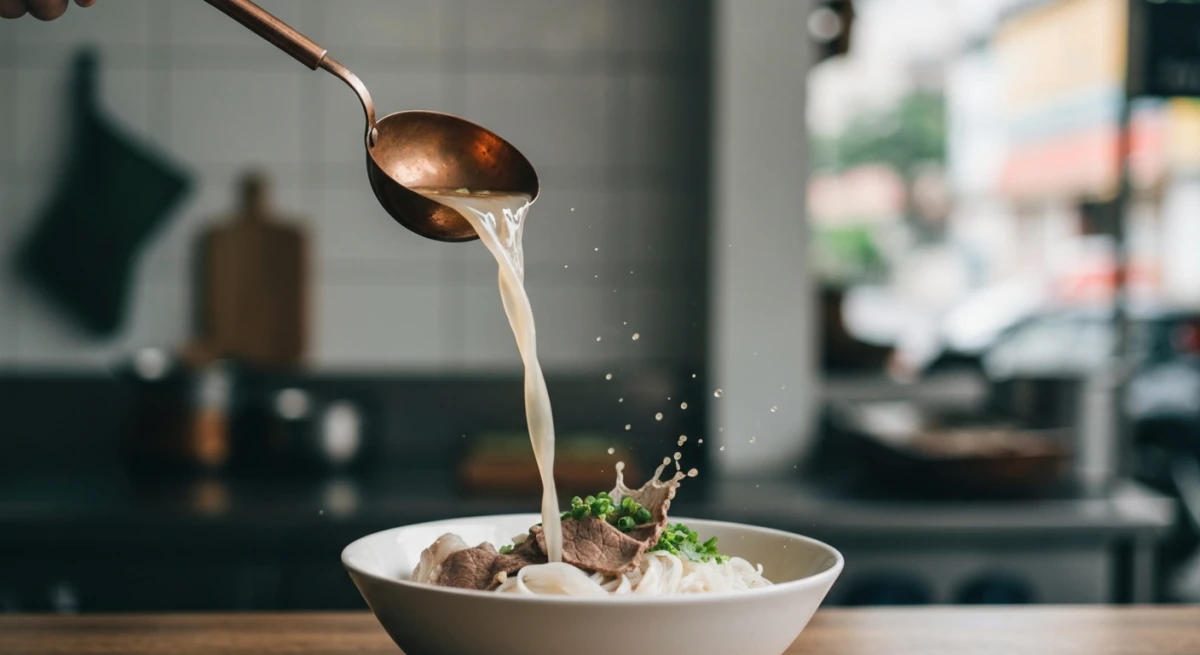
Ho Chi Minh City, colloquially known as Saigon, is a culinary wonderland where street-side plastic stools sit in the shadow of soaring skyscrapers. While the local southern Vietnamese cuisine—with its sweet, herb-laden broths and smoky grilled meats—rightfully dominates the landscape, there is another culinary giant that has firmly captured the hearts of local diners and expats alike: Thai food.
For anyone searching for the best thai food ho chi minh has to offer, the options can be overwhelming. From high-end dining rooms tucked inside colonial-era courtyards to bustling modern bistros and humbler noodle shops serving authentic street food, Saigon's Thai food scene has matured dramatically over the past decade. No longer limited to standardized curry powders and toned-down heat, the city now offers a vibrant array of regional Thai flavors, ranging from the fiery Isan specialties of the northeast to the rich, comforting boat noodles of Bangkok.
Whether you are a seasoned expat living in Thao Dien, a traveler exploring District 1, or a local foodie looking for that perfect balance of sour, spicy, salty, and sweet, this comprehensive guide will take you on a journey through the absolute best Thai dining experiences in Saigon. We will explore authentic staples, modern fusion champions, and even delve into how Saigonese street vendors created their own legendary adaptation of Thai cuisine.
The Spicy, Sour, and Sweet Overlap: Why Thai Cuisine Rules Ho Chi Minh City
To understand the popularity of Thai food in Ho Chi Minh City, one must first look at the striking similarities between Southern Vietnamese and Thai flavor profiles. Unlike the more delicate, savory-focused palate of Northern Vietnam, Southern Vietnamese cuisine unapologetically embraces bold sweetness, sharp acidity, and generous heat. It is a palate that feels instantly at home with the foundational elements of Thai cooking.
Both cuisines rely heavily on the dynamic contrast of fresh herbs, lime juice, fish sauce, and palm sugar. The aromatic base of lemongrass, galangal, and kaffir lime leaves—so vital to Thai tom yum and curries—is deeply familiar to Vietnamese diners who grew up eating lemongrass-marinated meats and herb-infused snail dishes. Additionally, both cultures share a profound love for fresh seafood, tropical fruits like green mango and papaya, and of course, jasmine rice.
However, where they diverge is the nature of their heat. Vietnamese dishes often use fresh bird's eye chilies as a table condiment, allowing the diner to control the spice level, whereas Thai cuisine builds heat directly into the fabric of the dish through roasted chili pastes, dried flakes, and crushed fresh chilies. This subtle difference makes dining out for Thai food an exciting, sweat-inducing adventure for Saigonese foodies. It represents a punchier, more intense version of the flavors they already love.
In response to this booming demand, the city's culinary entrepreneurs have imported authentic ingredients, hired native Thai chefs, and secured prestigious certifications to prove their culinary pedigree. Today, searching for Thai food in Saigon is no longer a compromise—it is a world-class dining experience.
The District 1 Elite: Authentic Thai Fine Dining & Chic Bistros
District 1 is the beating heart of Saigon's dining scene, and it is here that you will find the most prestigious, historically rich, and visually stunning Thai restaurants in the city. If you are looking for an impeccable meal in a beautiful setting, these four establishments represent the pinnacle of District 1's Thai culinary offerings.
Lạc Thái: The French-Alley Pioneer
Address: 71/2 Mạc Thị Bưởi, Bến Nghé, District 1
To step into Lạc Thái is to step back in time. Established in 1999, Lạc Thái is one of the oldest and most respected Thai restaurants in Ho Chi Minh City. Finding it is half the adventure: you must head down a narrow, atmospheric French-style alleyway just off the bustling Mac Thi Buoi street, not far from the Saigon River.
The restaurant is housed in a beautifully preserved colonial building, featuring exposed brick walls, warm amber lighting, and an eclectic decorative blend of Thai sculptures, Chinese accents, and contemporary art. It feels intimate, romantic, and deeply comforting—a quiet sanctuary away from the chaotic city traffic.
Lạc Thái's longevity is built entirely on the consistency of its kitchen. Their signature dish is Yam Plaa Dook Foo (crispy catfish salad with green mango). The catfish is meticulously shredded and deep-fried until it transforms into an incredibly light, airy, cloud-like golden raft of pure crunch. Drizzled with a sharp, tangy green mango dressing studded with peanuts and shallots, it is a masterclass in texture and flavor contrast.
Another absolute must-order is their Yam Woon Sen (glass noodle salad with seafood). Served warm, the delicate glass noodles are tossed with exceptionally fresh, plump river prawns, squid, minced pork, and a refreshing, citrusy dressing that carries a fiery kick. For mains, their Tom Yam Koong is served in a traditional charcoal-fired hot pot, boasting a deeply aromatic broth rich with fresh lemongrass, galangal, and kaffir lime leaves.
Somtam ZAAP: Certified Isan Fiery Flavors
Address: 136 Pasteur Street, Bến Nghé, District 1
If your palate craves the uncompromising, rustic, and deeply savory flavors of northeastern Thailand (Isan), Somtam ZAAP is your ultimate destination. Located on the bustling Pasteur Street, this restaurant has been awarded the prestigious "THAI Select" certification by the Ministry of Commerce of Thailand—a seal of approval reserved for restaurants that maintain strict authenticity in their ingredients and cooking techniques.
The interior design of Somtam ZAAP beautifully mirrors its culinary philosophy. The space is a vibrant fusion of traditional Isan cultural motifs, colorful textile patterns, and sleek, contemporary gray concrete walls. It is loud, high-energy, and modern, making it a favorite hotspot for young locals and international visitors.
As the name suggests, the star of the show here is Somtum (green papaya salad). Unlike milder versions found elsewhere, Somtam ZAAP offers a dizzying array of papaya salads, including the traditional Som Tum Puu (with pickled blue crab) and versions utilizing authentic plara (fermented fish sauce). The plara provides an intensely savory, funky umami depth that perfectly cuts through the fiery heat of the bird's eye chilies and the sour snap of fresh lime.
Beyond salads, do not miss their grilled meats, particularly the marinated pork neck served with a tangy tamarind dipping sauce (Nam Jim Jaew), and their incredibly comforting, sour-spicy pork rib soup. Insider Tip: Somtam ZAAP is notoriously crowded during dinner hours, and cash or direct local bank transfers are highly preferred as their credit card machines are occasionally offline. Be sure to arrive early or book ahead.
TukTuk Thai Bistro: Modern Street-Style Energy
Address: 38 Lý Tự Trọng, Bến Nghé, District 1
For those who love the frantic, creative energy of Bangkok's modern street food scene, TukTuk Thai Bistro is a must-visit. Situated in a prime, multi-story corner building on Ly Tu Trong street, TukTuk was a pioneer in redefining Thai food in Ho Chi Minh City as something trendy, youthful, and highly stylish.
The aesthetic is clean, industrial, and distinctly urban, with bold graphic murals, sleek metal accents, and massive windows that look out onto the bustling streets below. It is the perfect place for a casual lunch with colleagues or a lively dinner with friends before heading out to Saigon's nightlife districts.
TukTuk's menu is a brilliant curation of Thai street food classics executed with modern flair. One of their most beloved dishes is the Beef Fried Rice, which features perfectly separated grains of rice wok-tossed to achieve a smoky wok hei (breath of the wok), loaded with tender, savory beef slices. Their Pad Thai Koong Sod is equally stellar, featuring chewy rice noodles perfectly coated in a tangy, sweet-sour tamarind glaze, served with fresh bean sprouts, crushed peanuts, and massive, juicy prawns.
If you enjoy bold appetizers, try their minced pork with hot basil (Pad Kra Prow) served in bite-sized portions, or their delicious shrimp cakes (Tod Mun Goong), which are crispy on the outside and incredibly bouncy and juicy on the inside. TukTuk successfully bridges the gap between authentic street flavors and a polished, hygienic, and highly comfortable dining environment.
Anh Tukk: Elegant Fusion in a Colonial Courtyard
Address: 74/7 Hai Bà Trưng, Bến Nghé, District 1
When the occasion calls for sophistication, romance, or a business dinner to impress, Anh Tukk is the undisputed choice. Tucked inside the historic "Opium Refinery" courtyard off Hai Ba Trung street, this restaurant offers a luxurious, upscale take on Thai cuisine that is unique to Ho Chi Minh City.
The setting is spectacular: a beautifully restored French colonial courtyard that feels a world away from the surrounding motorcycle chaos. Inside, the design is sultry and elegant, featuring dark wood paneling, plush velvet seating, and dim, romantic lighting.
Anh Tukk's culinary approach is defined by modern refinement. While the core flavor profiles remain deeply respectful of traditional Thai cooking, the presentation and ingredient choices are decidedly upscale. Here, you can indulge in dishes like grilled Wagyu beef salad, crispy soft-shell crab in a rich, velvety yellow curry, and slow-cooked lamb shanks in a deeply aromatic Massaman curry that melts off the bone.
Their cocktail program is equally impressive, featuring creative libations infused with Thai ingredients like kaffir lime, lemongrass, and spicy chili-infused syrups. It is a sensory dining experience that elevates Thai street flavors into the realm of fine gastronomy.
District 2 (Thảo Điền): Expats, Gardens, and Gourmet Street Noodles
Across the Saigon River lies District 2, specifically the leafy, affluent neighborhood of Thảo Điền. Known as Saigon's primary expat enclave, Thảo Điền boasts a remarkably laid-back atmosphere, lined with stylish cafes, boutique shops, and a highly international culinary scene. Thai food thrives here, shifting away from the dense, multi-story urban setups of District 1 toward spacious garden eateries and specialized noodle bars.
Gõ - Thai Noodles: The King of Boat Noodles
Address: 94 Xuân Thủy, Thảo Điền, District 2
Tucked away on the vibrant Xuan Thuy street, Gõ - Thai Noodles is a beloved two-story sanctuary for noodle enthusiasts. Gõ has earned a cult-like following among both expats and locals for one primary reason: they serve the most authentic, uncompromising bowl of Kuay Teow Reua (Thai Boat Noodles) in Ho Chi Minh City.
Traditionally sold by vendors paddling through Bangkok's canals, boat noodles are famous for their deeply aromatic, dark, and intensely flavorful broth. At Gõ, this broth is a labor of love. Simmered for over twelve hours with pork bones, cinnamon, star anise, pandan leaves, and a secret blend of Thai herbs, the broth is incredibly rich and complex. It features that essential, authentic touch of culinary magic: a splash of seasoned pig's blood added at the very end of cooking, which thickens the soup and gives it a velvety, deeply savory texture without any iron-like aftertaste.
Diners can customize their bowls with their choice of glass noodles, wide rice noodles, or thin rice vermicelli, topped with incredibly tender braised beef, bouncy beef meatballs, fresh morning glory, and crispy pork cracklings. If you want something with a brighter, sharper profile, their Guay Teow Tom Yum noodle soup—packed with crushed peanuts, lime juice, and fiery chili flakes—is equally sensational.
Lạc Thái Thảo Điền: Garden Oasis Dining
Address: 14 Trần Ngọc Diện, Thảo Điền, District 2
For those who want the legendary flavors of Lạc Thái but prefer a breezy, nature-filled environment, the Thảo Điền branch on Tran Ngoc Dien street is an absolute dream. Unlike the cozy, hidden alleyway vibe of the District 1 original, this location is designed as a sprawling garden oasis.
The restaurant features a gorgeous outdoor courtyard surrounded by lush tropical greenery, frangipani trees, and romantic hanging lanterns. It is the perfect venue for long, lazy weekend lunches with family, or balmy evening dinners spent sipping cold Chang beer under the stars.
The menu carries all of the District 1 branch's hits—including the legendary crispy catfish salad and the rich tom yum soup—but also offers a wider selection of sharing plates, charcoal-grilled seafood, and refreshing Thai desserts like Khao Niew Mamuang (sweet mango sticky rice with rich, salty-sweet coconut cream). The service here is exceptionally warm and family-friendly, cementing its status as a Thảo Điền neighborhood institution.
The Street-Side Adaptation: How Saigon Created "Bún Thái"
While high-end restaurants and authentic noodle bars cater to those seeking traditional flavors, no guide to Thai food in Ho Chi Minh City would be complete without exploring a fascinating culinary phenomenon: Bún Thái.
If you wander through the street food hubs of District 4 (such as Vinh Khanh street) or the local residential pockets of District 7, you will inevitably spot steaming metal cauldrons marked with signs reading "Bún Thái Hải Sản" (Thai Seafood Noodle Soup). This is not a dish you will find on the streets of Bangkok or Chiang Mai. Instead, it is a brilliant, completely localized adaptation of Thai Tom Yum soup created by innovative Saigonese street vendors.
Saigon's culinary landscape has always been highly adaptive. When Tom Yum soup first arrived in Vietnam, locals fell in love with its sour, spicy, and lemongrass-heavy profile. However, the traditional Thai soup was often eaten as a shared family dish with rice. Saigon's street food culture, on the other hand, is dominated by the "one-bowl noodle" format—dishes like Phở and Hủ Tiếu that can be quickly consumed on a plastic stool.
To bridge this gap, street vendors took the fundamental flavor base of Tom Yum—lemongrass, kaffir lime, galangal, chili paste, and tamarind—and transformed it into a light, highly drinkable noodle broth. To cater to the local southern palate, they dialed down the fiery heat of the raw chilies, increased the sweetness using rock sugar and pineapple, and added a touch of Vietnamese fish sauce for savory balance.
Instead of traditional Thai rice noodles, they paired this vibrant, sweet-and-sour broth with thick, slippery Vietnamese rice vermicelli (bún) or even instant noodles (mì gói). The bowls are loaded to the brim with local, affordable ingredients: fresh squid rings, river prawns, rare beef slices, fish cakes (chả cá), and fresh local greens like morning glory (rau muống) and shredded banana blossoms.
The result is Bún Thái: a comforting, deeply satisfying, and affordable bowl of street-side fusion that perfectly represents the historical and culinary connection between Vietnam and Thailand. It is sour, spicy, sweet, and incredibly fresh—the ultimate comfort food for a rainy Saigon afternoon.
The Insider's Guide: Tips for Navigating Thai Dining in Saigon
To ensure you have the absolute best experience while exploring the rich world of Thai food in Ho Chi Minh City, keep these essential insider tips in mind:
The Spiciness Scale (Thai Spicy vs. Vietnamese Spicy) When dining at highly authentic spots like Somtam ZAAP or Gõ - Thai Noodles, the staff will often ask how spicy you want your food. Do not underestimate "Thai Spicy" (cay kiểu Thái). It is designed to match the fiery standards of Thailand and can easily overwhelm diners who are not accustomed to intense heat. If you enjoy a solid kick but want to actually taste your food, ask for "Vietnamese Spicy" (cay kiểu Việt) or "Medium Spicy" (cay vừa). If you cannot handle heat at all, be sure to say "No Chili" (không cay) or "Very Mild" (ít cay), as even "standard" preparations can carry a surprising burn.
Understanding Payment Methods While upscale establishments and hotel restaurants in District 1 accept all major international credit cards, many mid-range and street-side Thai eateries do not. Some popular spots (like Somtam ZAAP) often have issues with card readers or only accept cash and local Vietnamese bank transfers (via QR code/banking apps like MoMo). Always carry a bit of cash (at least 500,000 VND) to avoid any awkward situations at the end of a delicious meal.
Reservations are Key for Dinner Saigonese love dining out in groups, and Thai food—with its sharing-friendly salads, curries, and hot pots—is incredibly popular for family gatherings and celebrations. Trendy spots like TukTuk Thai Bistro, Lạc Thái, and Somtam ZAAP are packed to capacity almost every evening between 6:30 PM and 8:30 PM. To avoid waiting on the sidewalk in the humid heat, make a quick reservation via phone or Facebook Messenger a day in advance.
Herb Modifications Thai cuisine relies heavily on fresh coriander (cilantro), culantro (sawtooth herb), and sweet basil. If you have the genetic trait that makes cilantro taste like soap, or if you simply dislike certain strong herbs, be sure to inform the waitstaff when ordering. In Vietnamese, you can say "Không ăn ngò rí" (No cilantro).
Frequently Asked Questions About Thai Food in Ho Chi Minh City
Is Thai food in Ho Chi Minh City authentic?
Yes, absolutely! While some casual chains and street-side stalls adjust their recipes to suit the local, sweeter southern Vietnamese palate, there are numerous restaurants dedicated to strict authenticity. Look for restaurants with the "THAI Select" certification (issued by the Thai government), such as Somtam ZAAP, which import native ingredients and employ Thai chefs to preserve traditional recipes.
What is the average price of a Thai meal in Saigon?
The price varies widely depending on the dining style:
- Street food (like Bún Thái): 40,000 VND to 60,000 VND ($1.60 to $2.50 USD) per bowl.
- Mid-range bistros & noodle shops (TukTuk, Gõ, Chang): 150,000 VND to 300,000 VND ($6.00 to $12.00 USD) per person.
- Upscale dining (Anh Tukk, Lạc Thái): 400,000 VND to 800,000+ VND ($16.00 to $32.00+ USD) per person.
Where can I find vegetarian or vegan Thai food in HCMC?
Many Thai dishes can be made vegetarian by substituting meat with tofu and requesting mushroom sauce instead of fish sauce or oyster sauce. However, because fish sauce is a foundational element in Thai cooking, always explicitly state your dietary restrictions. For dedicated vegetarian and plant-based dining, head to Thao Dien (District 2), where modern cafes and boutique Thai spots are highly accommodating to vegan diners.
Is tap water safe to drink at these restaurants?
As a general rule in Vietnam, you should not drink tap water. Reputable restaurants in Ho Chi Minh City will always use purified ice and serve bottled or filtered water. If you are dining at a rustic street-side stall, it is safest to stick to bottled water or canned beverages and ask for no ice (không đá) if you have a sensitive stomach.
Finding Your Perfect Plate of Pad Thai in Saigon
Ho Chi Minh City's culinary landscape is defined by its diversity, open-mindedness, and passion for bold, unforgettable flavors. The remarkable rise of thai food ho chi minh is a testament to this spirit. Whether you find yourself tucked away in the romantic colonial brick alleyway of Lạc Thái, sweating happily over a fiery green papaya salad at Somtam ZAAP, or slurping a rich, comforting bowl of boat noodles at Gõ in Thao Dien, you are experiencing a beautiful cross-cultural love affair of flavor.
The next time you are in Saigon and crave a break from the local noodles, venture into one of these incredible establishments. Your taste buds will thank you for the thrilling journey across the Mekong.