Introduction: Welcome to the Culinary Heart of Saigon
Ho Chi Minh City, or Saigon as locals still affectionately call it, is a sensory-fueled metropolis where life unfolds on the pavement. The city’s heartbeat is the collective purr of millions of motorbikes, the rhythmic clink of ice in tall coffee glasses, and the fragrant steam rising from roadside pots. If you are looking for the absolute best things to eat in Ho Chi Minh City, you have come to the right place. Southern Vietnamese cuisine is a dynamic, vibrant tapestry of sweet, savory, herbal, and spicy flavors. It is shaped by the lush abundance of the nearby Mekong Delta, historic French colonial culinary influences, and centuries of Chinese-Teochew migration.
To truly understand Saigon, you have to eat like a Saigonese. This means pulling up a tiny plastic stool on a crowded sidewalk, ignoring the chaotic traffic whizzing inches from your elbows, and diving into a bowl of complex broth or a crisp baguette. In this comprehensive guide, we will take you on an ultimate foodie journey through the top things to eat in Ho Chi Minh City, highlighting legendary local stalls, regional culinary differences, and practical tips to eat like a seasoned local.
1. The Holy Trinity of Saigon Street Food
No culinary exploration of Ho Chi Minh City is complete without diving into the three iconic staples that keep this massive city running. These are the dishes you will find on almost every corner, from dawn until deep into the night.
Cơm Tấm (Broken Rice)
If Saigon had an official state dish, it would undoubtedly be cơm tấm. Historically, "broken rice" was made from fractured grains that were damaged during the milling process. Because these broken grains could not be sold at premium prices, they were eaten by low-income farmers and laborers. Today, what was once peasant food has become a beloved culinary masterpiece eaten by street vendors and billionaires alike.
The magic of a plate of cơm tấm lies in the perfect orchestration of textures and flavors. The base of dry, slightly fluffy broken rice is topped with sườn nướng—a thin pork chop marinated in lemongrass, garlic, shallots, and sweet soy, then charcoal-grilled to caramelized perfection. This is accompanied by chả trứng, a steamed egg, pork, and wood-ear mushroom meatloaf; bì, shredded pork skin tossed with toasted rice powder; and a sunny-side-up egg with a runny yolk. The entire plate is drizzled with sweet, garlic-and-chili-infused fish sauce (nước mắm pha) and garnished with scallion oil (mỡ hành).
- Where to try it: Cơm Tấm Ba Ghiền (84 Đặng Văn Ngữ, Phú Nhuận District). This legendary, Michelin-selected spot is famous for serving a pork chop so massive it practically covers the entire plate.
Bánh Mì
A spectacular testament to French-Vietnamese culinary fusion, the bánh mì is perhaps Vietnam’s most famous export. However, eating one on the streets of Ho Chi Minh City is a completely different experience. The Vietnamese took the French baguette, modified it by adding rice flour to make the crust crusty yet impossibly light and airy, and packed it with rich, vibrant local fillings.
A classic Saigon bánh mì is spread with a generous layer of rich pork liver pâté, Vietnamese mayonnaise, and stuffed with assorted cold cuts (chả lụa, headcheese, and cured ham). This richness is cut through with a refreshing, crunchy combination of sliced cucumbers, cilantro, raw scallions, and pickled carrots and daikon (đồ chua). A splash of soy sauce or Maggi seasoning and a few fiery slices of bird's-eye chili tie it all together.
- Where to try it: Bánh Mì Huỳnh Hoa (26 Lê Thị Riêng, District 1). Often called the "heavyweight champion" of bánh mì, their sandwiches are packed with massive layers of meat and pâté, easily sharing-sized. For a lighter, more balanced morning bite, head to Bánh Mì Hồng Hoa (54 Nguyễn Văn Tráng, District 1).
Phở Nam (Southern-Style Pho)
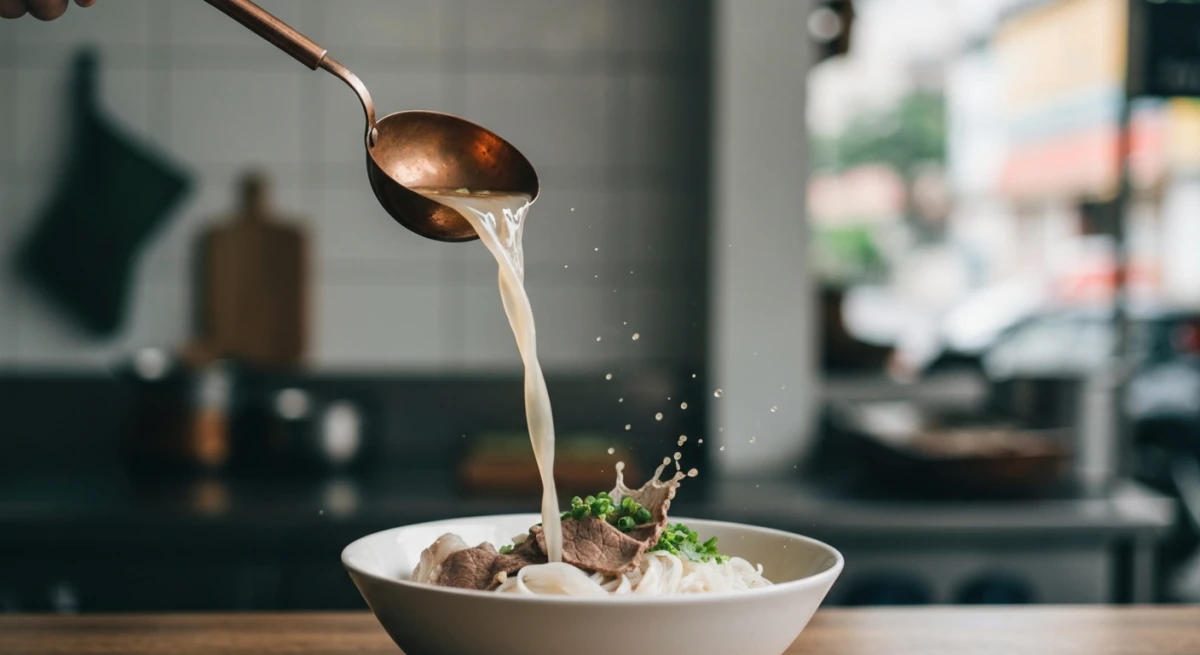
While northern Hanoi is the birthplace of phở, Ho Chi Minh City took the noodle soup and gave it a flamboyant, sweet, and herb-heavy makeover. This evolution happened largely after 1954, when over a million northerners migrated south, bringing their beloved soup with them. While northern pho (phở Bắc) is minimalist, featuring a clear, clean broth and few embellishments, southern pho (phở Nam) is a complex playground of condiments.
The Southern broth is darker, slightly sweeter, and heavily spiced with star anise, cinnamon, clove, and charred ginger. When you order a bowl of phở in Saigon, it arrives with a massive side basket of raw herbs, including sweet basil (húng quế), culantro (ngò gai), rice paddy herb, and freshly blanched bean sprouts. Locals squeeze in lime juice, add fresh sliced chilis, and swirl in a mixture of hoisin sauce and sriracha. The meat options are extensive, ranging from rare beef (tái) and brisket (nạm) to bouncy beef meatballs (bò viên) and tendon (gân).
- Where to try it: Phở Lệ (415 Nguyễn Trãi, District 5). Operating since 1970, this bustling spot serves one of the richest, most authentic southern-style broths in town.
2. Iconic Southern Soups and Noodle Bowls
Beyond pho, Ho Chi Minh City is a paradise of diverse noodle soups, many of which originate from the fertile Mekong Delta or have deep roots in Teochew Chinese and Cambodian heritage.
Hủ Tiếu Nam Vang (Phnom Penh Noodle Soup)
This dish is a beautiful culinary map of historical trade routes. Named after Phnom Penh, the capital of Cambodia, and created by Chinese-Cambodian immigrants, hủ tiếu nam vang is one of the most popular things to eat in Ho Chi Minh City for breakfast or lunch. It features chewy, translucent tapioca noodles served in a sweet, intensely savory pork bone broth.
The noodle bowl is loaded with toppings: minced pork, pork slices, quail eggs, plump shrimp, and sometimes pork liver or heart. It is served in two variations: nước (wet, with the broth in the bowl) or khô (dry, where the noodles are tossed in a savory, slightly sweet soy-based sauce, and the hot broth is served on the side).
- Where to try it: Hủ Tiếu Thanh Xuân (62 Tôn Thất Thiệp, District 1). This spot has been serving a classic version of the dish for over seven decades, utilizing a unique crab paste sauce in their dry version.
Bún Thịt Nướng (Grilled Pork with Vermicelli)
If you are not in the mood for hot soup on a humid Saigon afternoon, bún thịt nướng is the perfect alternative. This is a salad-style noodle dish that balances hot, cold, sweet, and savory elements.
A bowl is assembled with a base of fresh, cold rice vermicelli noodles (bún), topped with smoky, charcoal-grilled pork, crispy sliced spring rolls (chả giò), fresh herbs, shredded lettuce, cucumber, pickled vegetables, and crushed peanuts. The entire dish is brought to life when you pour a generous amount of diluted, sweet-and-sour fish sauce over it and mix everything together.
- Where to try it: Bún Thịt Nướng Chị Tuyền (175 Cô Giang, District 1). Famous for its incredibly tender, perfectly marinated grilled pork and extra-crispy spring rolls.
Bún Mắm (Fermented Fish Noodle Soup)
For travelers seeking bold, complex flavors, bún mắm is an absolute must-try. Originating from the Mekong Delta, this noodle soup features a thick, dark broth flavored with fermented mud carp or gourami fish paste (mắm cá). Don't let the word "fermented" scare you; while the broth has a pungent aroma, the flavor is balanced with lemongrass, tamarind, and coconut water, creating a sweet, deeply savory, and comforting taste.
The soup is packed with thick rice vermicelli, crispy roasted pork belly (heo quay), shrimp, squid, eggplant, and fish cakes. It is served with a unique array of local herbs, including water mimosa, yellow velvetleaf (kèo nèo), and shredded banana blossoms.
- Where to try it: Bún Mắm Cô Ba Lâm (444 Lê Quang Định, Bình Thạnh District) for an incredibly rich and authentically rustic bowl.
Bún Riêu (Crab and Tomato Noodle Soup)
A vibrant, reddish noodle soup, bún riêu is a masterpiece of rustic flavor. The broth is prepared by simmering pork bones, tomatoes, and freshwater crab meat, resulting in a slightly sweet, tangy taste. The star of the dish is the riêu, a fluffy, savory cloud of minced crab paste, egg, and pork.
Each bowl is loaded with fried tofu cubes, pork knuckles, congealed pig's blood (huyết), and water spinach. It is traditionally seasoned at the table with a dollop of pungent shrimp paste (mắm tôm), fresh lime, and chili.
- Where to try it: Bún Riêu Gánh (4 Phan Bội Châu, District 1), situated right across from Ben Thanh Market, offering a legendary recipe that has been comforting locals for generations.
3. Sizzling Bites and Street-Side Snacks
Saigon's snacking scene is legendary, with many dishes cooked right in front of you on blazing hot griddles and portable charcoal grills.
Bánh Xèo (Sizzling Savory Crepe)
The name literally translates to "sizzling cake," named after the loud hiss the rice flour batter makes when poured onto a searing hot, oiled skillet. The batter, colored bright yellow with turmeric and rich with coconut milk, is swirled around the pan to create an incredibly thin, crispy edge.
It is filled with pork belly, shrimp, and mung beans, and topped with a handful of fresh bean sprouts. To eat it, tear off a piece of the crispy crepe, place it onto a large mustard green or wild leaf, pile on fresh herbs like mint and Thai basil, roll it up like a taco, and dip it into a sweet, tangy garlic-chili fish sauce.
- Where to try it: Bánh Xèo 46A (46A Đinh Công Tráng, District 3). Famed globally after Anthony Bourdain visited, this spot serves massive, ultra-crispy crepes cooked over traditional charcoal stoves.
Bò Lá Lốt (Grilled Beef in Wild Betel Leaves)
As the sun sets, the irresistible aroma of smoky beef wafts through the alleyways of Saigon. Bò lá lốt consists of minced beef seasoned with garlic, shallots, and five-spice powder, wrapped into tight rolls using wild piper lolot leaves (often called betel leaves), and grilled over glowing charcoal.
The grilling process causes the leaves to release an intoxicating, herbal aroma, while keeping the beef inside incredibly juicy. You eat these savory beef rolls by wrapping them in rice paper with vermicelli noodles, green banana, sour starfruit, and herbs, then dipping them in a spicy, sweet fermented pineapple fish sauce (mắm nêm).
- Where to try it: Quán Ăn Cô Liêng (321 Võ Văn Tần, District 3). A long-standing favorite known for high-quality beef and excellent dipping sauces.
Bột Chiên (Pan-Fried Rice Cakes)
A beloved late-night comfort food, bột chiên is Saigon's answer to the street-side hash brown. Cubes of steamed rice flour (and sometimes taro) are fried on a flat, cast-iron skillet until the exteriors are crispy and golden-brown, while remaining chewy on the inside.
An egg is cracked over the cakes to bind them together, topped with a generous handful of green onions. The dish is served hot with a sweet-sour, diluted soy sauce and a side of crunchy shredded green papaya to balance the richness.
- Where to try it: Bột Chiên Đạt Thành (277 Võ Văn Tần, District 3), a highly popular spot packed with locals every evening.
Bánh Tráng Nướng (Vietnamese Pizza)
This modern street snack originated in the highlands of Da Lat but has taken Saigon by storm. A sheet of thin rice paper is placed directly over open charcoal, brushed with quail eggs, butter, minced pork, dried shrimp, and green scallions. It is grilled until the rice paper becomes completely crispy, then drizzled with chili sauce and sweet mayonnaise, folded in half, and eaten warm.
- Where to try it: You will find street food carts selling bánh tráng nướng outside of schools and in busy public parks like Turtle Lake (Hồ Con Rùa, District 3) starting from late afternoon.
4. Navigating the Legendary "Ốc" (Snail) Culture
In Ho Chi Minh City, eating ốc (which translates to snails, but encompasses a massive variety of shellfish, clams, crabs, and sea snails) is a sacred social ritual. Known as "đi ăn ốc," this is not just a quick dinner—it is an all-evening affair of drinking cold beers, peeling shellfish, and chatting with friends on low plastic stools.
The preparation of these shellfish is highly inventive. You can order them cooked in a variety of styles: grilled with scallion oil and crushed peanuts (nướng mỡ hành), stir-fried in a rich, velvety salted egg yolk sauce (sốt trứng muối), sautéed in sweet-and-sour tamarind sauce (xào me), or steamed with lemongrass and chili (hấp sả).
- Must-order dishes: Ốc hương sốt trứng muối (sweet snails in salted egg yolk sauce, served with a fresh banh mi to dip in the sauce) and Sò lông nướng mỡ hành (grilled ark clams with scallion oil).
- Where to experience it: Vĩnh Khánh Street in District 4. This lively street turns into a smoky seafood paradise every night. Look for Ốc Oanh (579 Vĩnh Khánh), a legendary institution that is always packed, loud, and incredibly delicious.
5. Sweet Sips and Saigon's Coffee Obsession
To fuel your culinary adventures, you must embrace Saigon's deeply rooted drink and cafe culture. It is the lifeblood of the city.
Cà Phê Sữa Đá (Iced Sweetened Condensed Milk Coffee)
Saigon runs on caffeine. The iconic cà phê sữa đá is made by slow-dripping strong, dark-roast Robusta beans through a metal filter (phin) directly over a thick layer of sweet condensed milk. It is then poured into a glass packed with crushed ice. The result is a bold, chocolatey, and incredibly sweet drink that provides an instant jolt of energy to tackle the city’s heat.
- Where to try it: Cheo Leo Cafe (109-36 Nguyễn Thiện Thuật, District 3). Operating since 1938, this is Saigon's oldest active cafe, where they still brew coffee in traditional clay pots over charcoal stoves, resulting in a remarkably smooth flavor.
Bánh Tráng Trộn (Shredded Rice Paper Salad)
This is the ultimate afternoon snack for Saigon’s youth. Strips of dry rice paper are tossed in a plastic bag with chili oil, sour kumquat juice, quail eggs, dried beef beef jerky, shredded green mango, crushed peanuts, and Vietnamese coriander (rau răm). The rice paper softens slightly, absorbing all the tangy, spicy, and savory flavors.
- Where to buy it: Bánh Tráng Trộn Chú Viên (38 Nguyễn Thượng Hiền, District 3). People line up on motorbikes to purchase bags of this highly addictive snack from this famous stall.
6. Essential Tips for Eating Street Food in Saigon Like a Pro
To make the most of your culinary journey, keep these practical street-food strategies in mind:
- Follow the Crowd: If a street stall is packed with locals, especially during peak hours (7:00 AM to 9:00 AM for breakfast, 6:00 PM to 8:00 PM for dinner), it’s a guarantee of fresh ingredients and excellent taste. High turnover means the food doesn't sit around.
- Mind Your Hygiene: While Saigon’s street food is generally safe, stick to stalls where the cooking area is visible, broths are kept at a rolling boil, and meats are cooked fresh. Bring hand sanitizer, and use the provided tissues to wipe down your chopsticks and spoons before eating.
- Embrace the Trash on the Floor: In traditional street stalls, it is customary to throw used napkins, lime wedges, and food wrappers directly on the floor beneath your table. Do not worry about making a mess—the staff sweeps the floors regularly. Leaving trash on the table is actually seen as cluttered!
- Cash is King: Most street food stalls and local markets do not accept credit cards. Always keep small denominations of Vietnamese Dong (10,000 VND, 20,000 VND, and 50,000 VND notes) on hand.
- How to Find Vegetarian Options: If you are a vegetarian or vegan, look for signs that say Quán Chay. Saigon has a huge Buddhist population, and you will find exceptional plant-based versions of pho (phở chay), broken rice (cơm tấm chay), and noodle soups that taste just as rich as their meaty counterparts.
Frequently Asked Questions About Food in Saigon
Is it safe to eat street food in Ho Chi Minh City?
Yes, street food in Saigon is remarkably safe, provided you use basic common sense. Look for busy stalls with high customer turnover, ensure hot soups are served boiling, and opt for fully cooked meats. Avoid raw blood puddings (tiết canh) or stalls that look neglected.
What is the most famous food in Ho Chi Minh City?
The most iconic and uniquely Saigonese dish is Cơm Tấm (Broken Rice served with grilled pork chop). While Bánh Mì and Phở are famous countrywide, Cơm Tấm is the true culinary soul of Ho Chi Minh City.
How much does a street food meal cost in Ho Chi Minh City?
Street food in Saigon is incredibly affordable. A hearty bowl of pho or a plate of broken rice typically costs between 35,000 VND to 70,000 VND ($1.50 to $3.00 USD). A fresh Bánh Mì ranges from 20,000 VND to 50,000 VND ($0.80 to $2.00 USD).
Is the ice in drinks safe to consume?
Yes, in almost all established street stalls and restaurants, ice is commercially produced in clean, monitored factories (characterized by cylindrical tube ice with a hole in the middle) and is perfectly safe for tourists. Avoid crushed block ice if you are particularly sensitive.
What is the best district for street food in Saigon?
While District 1 has great tourist-friendly options, the real culinary gems lie in the surrounding districts. District 3 offers fantastic historic alleyways, District 4 is famous for street-side seafood and snails, and District 10 is a paradise for youth-centric snacks and massive food alleys.
Conclusion
Ho Chi Minh City is a city that reveals its true self through its food. By stepping away from the polished tourist restaurants and embracing the vibrant, smoky, and chaotic street scene, you will unlock the heart of Vietnamese hospitality. Every plastic stool tells a story, and every steaming bowl of noodles is a masterclass in culinary balance. So, grab your chopsticks, keep an open mind, and discover the unforgettable, delicious flavors of Saigon.