Ho Chi Minh City, still affectionately called Saigon by locals, is a city that never stops eating. From the humid mornings to neon-lit midnights, its sidewalks are alive with the sounds of sizzling woks, clinking glasses, and the aroma of sweet pork grilling over charcoal. If you are looking for the absolute best things to eat in Ho Chi Minh, you have come to the right place. In Saigon, food is not just a daily necessity; it is the primary way of life.
The true soul of Saigon’s food scene lies on its curbsides, down narrow alleyways (hẻm), and on tiny plastic stools. It is a spectacular culinary melting pot where Southern sweetness, French remnants, and fresh Mekong Delta produce collide. This comprehensive guide will take you beyond tourist traps straight to the heart of Ho Chi Minh City’s most iconic dishes, historic eateries, and local secrets.
1. The Heavy Hitters: Saigon’s Iconic Daily Staples
To understand Saigon's culinary DNA, you must start with the holy trinity of daily dining: Phở, Bánh Mì, and Cơm Tấm. While available nationwide, Saigon's local adaptations have made them legendary.
Southern Phở (Phở Nam)
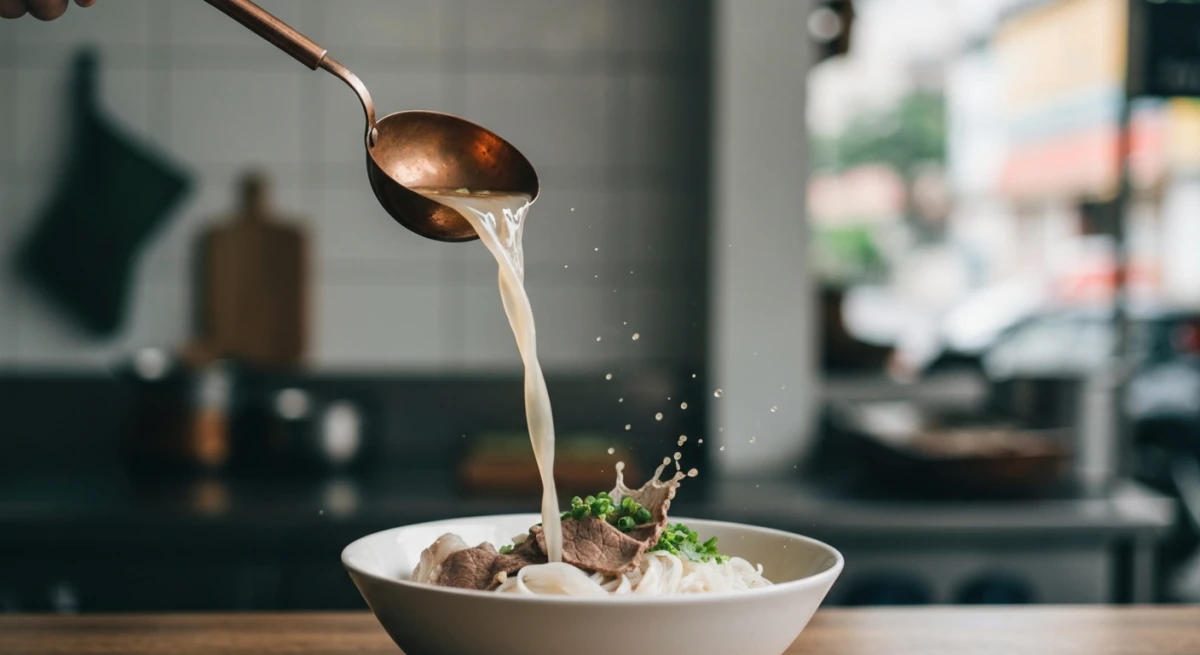
Though Phở was born in Northern Vietnam, it found a bold, sweet second home in the South. While Northern phở features a minimalist, clear broth, Southern phở (Phở Nam) is a full-throttle sensory experience.
The Saigon broth is sweeter, richer, and deeply spiced with star anise, cloves, and charred ginger. It is served with a mountain of fresh herbs (rau sống) like Thai basil (húng quế), sawtooth herb (ngò gai), and blanched bean sprouts. Locals tear these herbs by hand, releasing their aromatic oils directly into the steaming soup. Slices of rare beef (tái) or brisket (gầu) are dipped into a 50/50 mix of sweet hoisin and chili sauce on the side. Order some savory fried dough (quẩy) to dunk into the soup.
- Where to try it:
- Phở Lệ (415 Nguyễn Trãi, District 5): Famous for its rich broth and exceptionally tender beef meatballs (bò viên).
- Phở Hòa Pasteur (260C Pasteur, District 3): A legendary multi-generational institution with generous herb baskets.
Bánh Mì (The Saigon Baguette)
The French introduced the baguette, but Saigon turned Bánh Mì into the world’s ultimate sandwich. A proper Saigon bánh mì is a masterclass in textural contrast: an impossibly thin, crispy crust that shatters upon biting, yielding to an airy, light interior.
The standard Bánh Mì Thịt is layered with mathematical precision. First comes a generous swipe of savory pork liver pâté and homemade egg yolk mayonnaise (bơ). Next are cold cuts like Vietnamese ham (chả lụa), head cheese (giò thủ), and roasted pork. This heavy richness is cut by fresh cucumber, pickled daikon and carrots (đồ chua), cilantro, and fiery bird's eye chili.
- Where to try it:
- Bánh Mì Huỳnh Hoa (26 Lê Thị Riêng, District 1): Known as the "monster" of bánh mì, this spot serves heavy, decadent sandwiches packed with layers of meats and thick pâté.
- Bánh Mì Bảy Hổ (19 Huỳnh Khương Ninh, District 1): Operating since the 1930s, this historic cart offers a smaller, beautifully balanced traditional roll.
Cơm Tấm (Broken Rice)
Cơm Tấm is Saigon’s signature dish. Originally eaten by poor rice farmers who could only afford fractured, broken grains discarded during milling, it is now a beloved culinary icon. The smoky aroma of grilled pork chops over street charcoal is the ultimate Saigon morning scent.
A classic plate of Cơm Tấm Sườn Nướng features dry broken rice topped with a caramelized, lemongrass-marinated pork chop. It is accompanied by chả trứng (a savory steamed egg-and-pork meatloaf), bì (shredded pork skin tossed in toasted rice powder), and mỡ hành (scallion oil). Drizzle sweet, garlic-and-chili-infused fish sauce (nước mắm ngọt) over the top.
- Where to try it:
- Cơm Tấm Ba Ghiền (84 Đặng Văn Ngữ, Phú Nhuận District): A legendary Michelin Bib Gourmand spot serving massive, incredibly tender pork chops.
- Cơm Tấm Nguyễn Văn Cừ (74 Nguyễn Văn Cừ, District 1): Known for premium, exceptionally high-quality grilled pork chops.
2. Noodle Soups & Bowls Beyond Pho
Saigon’s noodle scene is incredibly diverse. If you limit yourself only to phở, you are missing out on some of the best culinary treasures.
Bún Thịt Nướng (Cold Rice Noodles with Grilled Pork)
If you crave the flavors of Vietnamese grilled meats but want something refreshing in Saigon's tropical climate, Bún Thịt Nướng is the perfect choice. This dry noodle salad is served at room temperature, making it a favorite lunch staple.
In a deep bowl, cold rice vermicelli (bún) is piled over shredded lettuce, herbs, cucumber, and bean sprouts. The vendor tops it with sizzling-hot, lemongrass-marinated grilled pork, crispy deep-fried spring rolls (chả giò), pickled carrots, and roasted peanuts. You pour sweet, tangy fish sauce (nước chấm) over the top, mix it all together, and enjoy a perfect harmony of hot and cold, crunchy and soft.
- Where to try it:
- Bún Thịt Nướng Chị Tuyền (175 Cô Giang, District 1): A legendary spot that adds stir-fried garlic beef alongside the grilled pork and crunchy spring rolls.
- Bún Thịt Nướng Kiều Bảo (multiple locations): A popular, budget-friendly chain offering massive, delicious portions.
Hủ Tiếu Nam Vang (Saigon’s Multicultural Soup)
To taste the multicultural history of Southern Vietnam, try Hủ Tiếu Nam Vang. The dish originated in Phnom Penh, Cambodia, was adapted by Chinese merchants, and was ultimately perfected in Saigon.
It features thin, chewy tapioca noodles served either "wet" (in a sweet pork-bone broth) or "dry" (tossed in a thick, savory-sweet soy-and-oyster sauce glaze). The bowl is piled high with sliced pork, minced pork, quail eggs, shrimp, and fresh Chinese celery. If you order the dry version, a bowl of piping-hot pork broth is served on the side.
- Where to try it:
- Hủ Tiếu Nhân Quán (122D Cách Mạng Tháng Tám, District 3): A bustling eatery renowned for its rich pork broth and fresh seafood toppings.
- Hủ Tiếu Thanh Xuân (62 Tôn Thất Thiệp, District 1): Operating for over seven decades, famous for its unique crab-infused sauce.
Bún Bò Huế (Spicy Beef Noodle Soup)
Though originally from Central Vietnam, Bún Bò Huế has been eagerly adopted by Saigon. The local version is slightly sweeter and comes with an abundance of fresh herbs.
The fiery broth is a masterpiece of complex flavor: deep beef stock simmered with lemongrass, chili oil, and fermented shrimp paste (mắm ruốc). The thick, round rice noodles are loaded with tender beef shank, slices of Vietnamese ham (chả lụa), pork knuckle, and cubes of congealed pig's blood. It is spicy, citrusy, and deeply satisfying.
- Where to try it:
- Bún Bò Huế 14B (14B Đường số 46, District 4): A beloved local favorite hidden down a lively alleyway, serving up exceptionally rich, lemongrass-forward bowls.
3. Sizzling Crepes, Steaks, and the Snail Street Culture
For dinner, Saigon transitions from quick soups to interactive, communal street eats that are as much about socializing as they are about flavor.
Bánh Xèo (Southern Crispy Crepes)
While Northern or Central crepes are small, Southern Bánh Xèo are gigantic, thin, and paper-crisp. The name translates to "sizzling cake," named after the sound the rice-flour and coconut-milk batter makes when poured onto a screaming-hot wok.
Seasoned with turmeric powder for a vibrant yellow color, the crepe is stuffed with pork belly, shrimp, mung beans, and bean sprouts. To eat it like a local, tear off a piece, wrap it inside a large mustard leaf (lá cải xanh) or lettuce leaf with fresh herbs, roll it up, and dip it into sweet, sour, and spicy fish sauce.
- Where to try it:
- Bánh Xèo Đinh Công Tráng (46A Đinh Công Tráng, District 1): Famous for its massive, crispy crepes cooked over traditional wood-fired stoves.
- Bánh Xèo Bà Hai (119 Lê Văn Linh, District 4): A local favorite serving a generous array of rare wild forest herbs.
Ăn Ốc (The Snail & Seafood Ritual)
You cannot claim to have experienced Saigon until you have participated in Ăn Ốc (literally "eating snails"). This is not fine dining; it is a lively sidewalk ritual. Locals gather at metal tables, cracking open sea snails, sweetwater snails, and clams cooked in mouthwatering sauces, washed down with ice-cold local beers.
Must-try snail preparations include:
Ốc hương rang muối: Sweet snails tossed in a dry, fiery chili-salt crust.
Ốc len xào dừa: Blunt mud creepers simmered in sweet, rich coconut milk broth.
Sò điệp nướng mỡ hành: Scallops grilled with scallion oil and crushed peanuts.
Ốc tỏi cháy tỏi: Giant garlic snails stir-fried with caramelized garlic and crispy pork fat.
Where to try it:
- Vĩnh Khánh Street (District 4): This is Saigon's ultimate "Snail Street." Try Ốc Oanh or Ốc Nho along this strip for an unforgettable, energetic atmosphere.
- Ốc Đào (212B/D48 Nguyễn Trãi, District 1): Tucked deep inside an alley, this iconic spot offers an incredibly high-quality introduction to snail culture.
Bò Né (Sizzling Steak Breakfast)
If you are wondering what to eat in Ho Chi Minh for a hearty breakfast, Bò Né is the answer. It is the Vietnamese version of steak and eggs, served sputtering on a heavy, cow-shaped cast-iron plate.
The dish features marinated beef steak, a dollop of rich pork liver pâté, a sunny-side-up egg, and creamy Laughing Cow cheese, all cooked together in a pool of butter. It is served with a warm, crusty baguette. Tear off pieces of bread, drag them through the runny yolk and rich pâté, and slice off tender bites of sizzling beef.
- Where to try it:
- Bò Né Lệ Hồng (489/29/20 Huỳnh Văn Bánh, Phú Nhuận District): A legendary local spot tucked in an alley, famous for its melt-in-your-mouth marinated beef.
- Bò Né Khánh Nghĩa (62 Nguyễn Tự Lực, District 11): Praised by local foodies for its generous portions.
4. The District-by-District Saigon Food Map
Saigon is divided into distinct districts, each boasting its own culinary identity. To maximize your food crawl, target these food hubs:
District 1: The Accessible Classics
As the commercial and tourist heart of Ho Chi Minh City, District 1 offers great convenience. Here, you will find iconic, high-quality entries like Bánh Mì Huỳnh Hoa and Bún Thịt Nướng Chị Tuyền. While prices are slightly higher, the ease of navigation is unbeatable.
District 3: The Alleyway Food Paradise
Directly adjacent to District 1, District 3 is characterized by leafy streets, French colonial villas, and a labyrinth of food-filled alleys. It is home to legendary institutions like Cơm Tấm Ba Ghiền and Hủ Tiếu Nhân Quán, offering a more residential, local dining atmosphere.
District 4: The Street Food Capital
Historically a gritty port area, District 4 has transformed into Saigon’s ultimate street food playground. Located just across the canal from District 1, it is extremely dense. The star attraction here is Vĩnh Khánh Street (Snail Street), but the entire district is packed with narrow alleys serving low-cost noodles, crepes, and sweet desserts.
District 10: The Youth Food Hub
District 10 is home to several major universities, meaning its culinary scene is dominated by cheap, creative street food designed for students. Head to Sư Vạn Hạnh Street or the Hồ Thị Kỷ Flower Market food street in the afternoon to sample trendy snacks like Bánh Tráng Trộn (shredded rice paper salad with quail eggs, green mango, and beef jerky).
5. Saigon Culinary Etiquette: How to Eat Like a Local
To truly appreciate the incredible food in Saigon, it helps to know how to navigate a local street food stall. Dining like a local will earn you warm smiles and the best service.
Master the Herb Basket
When sitting down for noodle soups, you will almost always be presented with a communal basket of raw herbs. Do not ignore them! They balance the richness, fat, and heat of the broths.
- Thai Basil & Mint: Pluck the leaves from the woody stems and drop them directly into your soup.
- Sawtooth Herb (Ngò Gai): Tear these long, serrated leaves into bite-sized pieces before adding them.
- Lime Wedges: Squeeze a wedge of fresh lime into your broth to add brightness and acidity.
The Table Sanity Check
Before diving into your meal, take a look at the condiments and utensils on your table. It is standard practice in Saigon to grab a paper napkin or a fresh lime wedge and wipe down your metal chopsticks and spoon before eating.
The Art of the Condiment
Most tables feature small bowls of pickled garlic, fresh bird's eye chilies, chili paste, and fish sauce. Always taste your broth first before adding condiments. Vietnamese chefs spend hours balancing their broths, so adding a massive scoop of chili paste immediately can ruin the intended flavor profile. Add spices gradually.
How to Order "Trà Đá" (Iced Tea)
Don't bother ordering sugary sodas or bottled water. Instead, do what the locals do: order a glass of Trà Đá (iced jasmine tea). It costs virtually nothing (usually around 2,000 to 5,000 VND), is intensely refreshing, and acts as the ultimate palate cleanser.
Settling the Bill
When you are ready to pay, catch the eye of a staff member, point to your table, and say "Tính tiền!" (pronounced tinh teen). At street food stalls, cash is king—make sure to carry smaller denominations (10,000, 20,000, and 50,000 VND notes) as vendors may struggle to make change for 500,000 VND bills.
6. Food Safety & Practical Travel Tips for Foodies
Many travelers fear getting sick from street food, but with a few basic precautions, you can safely eat your way across Ho Chi Minh City without any digestive issues.
- Don't Fear the Ice: A common travel myth is that you should avoid ice in Vietnam. In Saigon, virtually all ice used in restaurants and street stalls is commercially manufactured in sterile plants and delivered daily in uniform, cylindrical tubes. It is perfectly safe to consume.
- Look for High Turnover: The safest street food stalls are those that are constantly packed with locals. High turnover means ingredients are bought fresh daily and do not sit around in the heat.
- Avoid Raw Meat Dishes: If you have a sensitive stomach, order your beef fully cooked (chín) rather than rare (tái) when eating Phở.
- Carry Hand Sanitizer: Most local street stalls do not have running water or soap easily accessible. Keep a small bottle of hand sanitizer and a pack of wet wipes in your bag.
FAQs About Eating in Ho Chi Minh City
What is the average cost of street food in Ho Chi Minh?
Street food in Saigon is incredibly affordable. A standard bowl of noodles (Phở or Bún Thịt Nướng) or a plate of Cơm Tấm typically costs between 35,000 VND and 75,000 VND ($1.40 to $3.00 USD). Premium spots or massive seafood spreads can range from 100,000 VND to 250,000 VND ($4.00 to $10.00 USD).
Are there vegetarian options in Saigon?
Yes, absolutely! Vietnam has a rich Buddhist heritage, which has fostered a thriving vegetarian food culture known as Ăn Chay. Look for signs that say Quán Chay (vegetarian restaurant). You can easily find spectacular vegetarian versions of Phở (Phở Chay), Bánh Mì (Bánh Mì Chay), and noodle salads made with tofu and mushrooms.
When is the best time of day to eat street food?
Morning (6:00 AM to 9:00 AM) is best for Bò Né, Cơm Tấm, and light morning Phở. Lunch (11:30 AM to 1:30 PM) is dominated by quick Bún Thịt Nướng and Hủ Tiếu. The evening (6:00 PM onwards) is when the city truly comes alive, making it the perfect time for Ăn Ốc (snails), Bánh Xèo, and late-night noodle crawls.
What is the difference between food in Hanoi and Ho Chi Minh?
Hanoi (Northern) cuisine is historically older, subtle, balanced, and leans toward salty, clean flavors with minimal use of herbs. Ho Chi Minh City (Southern) cuisine is sweeter, bolder, spicier, and heavily incorporates coconut milk, palm sugar, and a staggering variety of fresh wild herbs.
Conclusion
Ho Chi Minh City is a culinary wonderland where every street corner tells a story through aroma and flavor. From the sweet, comforting depths of a bowl of Southern Phở to the rowdy, beer-soaked sidewalk tables of Snail Street, eating here is an unforgettable journey of sensory discovery. Do not be afraid to step out of your comfort zone, pull up a tiny plastic stool, and dive into the magnificent world of Saigon street food. Your taste buds will thank you!