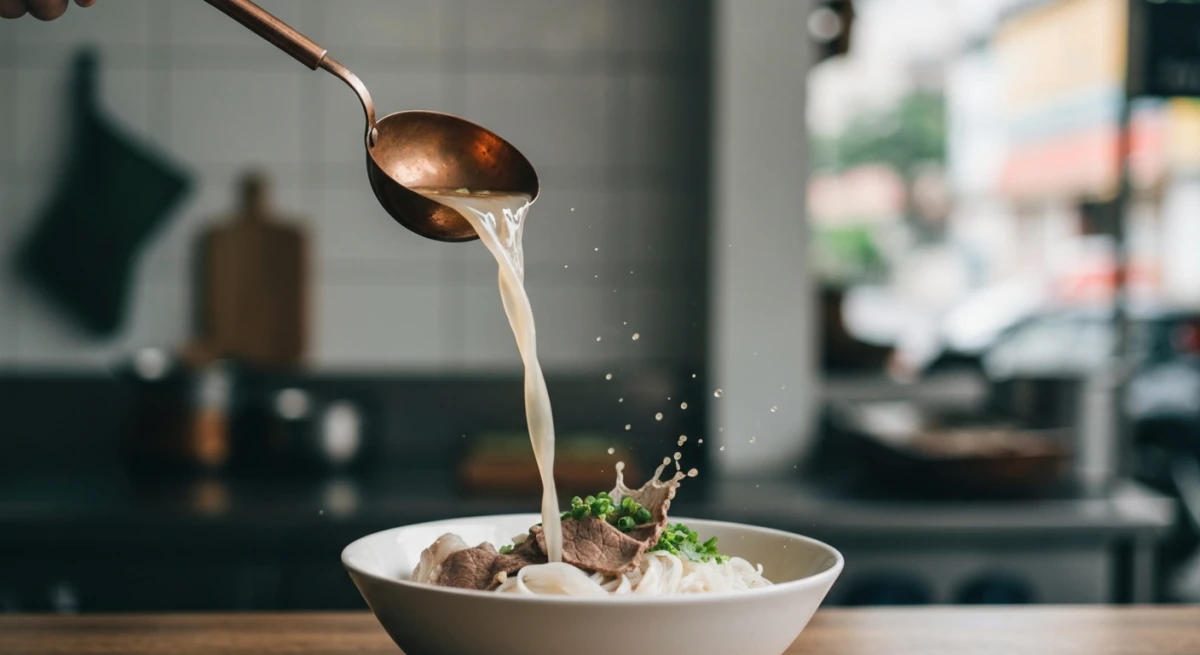
Saigon (Ho Chi Minh City) is a city that never really sleeps, and nowhere is this restless energy more delicious than on the bustling pavements of its central core. While this neighborhood is famous for its soaring skyscrapers and French colonial architecture, its true soul lives at street level. Exploring the vibrant street food Saigon District 1 has to offer is an essential pilgrimage for any food traveler. Amidst the hum of thousands of motorbikes, vendors set up tiny plastic stools, fire up charcoal grills, and simmer giant pots of aromatic broth that have been bubbling for decades, welcoming visitors to experience the real taste of Vietnam.
The Iconic Dishes of District 1: What to Eat & Where to Find Them
To truly understand the culinary landscape of Saigon, you must start with the iconic dishes that define the city's daily rhythm. Street food in District 1 is a beautiful collision of regional Vietnamese flavors—incorporating the sweetness of the South, the savory depth of the North, and the spicy kicks of Central Vietnam. Here are the absolute must-try dishes and the exact spots to find them.
1. Banh Mi: The Perfect Vietnamese Baguette
Banh mi is perhaps Vietnam's most famous culinary export, a beautiful relic of French colonialism adapted into a masterpiece of local street food. A perfect loaf has a shatteringly crisp, paper-thin crust and an airy, pillowy interior. Inside, it is slathered with rich, savory liver pate, velvety egg mayonnaise, and stuffed with a variety of cold cuts, headcheese, fresh cucumber slices, cilantro, and pickled daikon and carrots.
Where to eat it:
- Banh Mi Huynh Hoa (26 Le Thi Rieng, Pham Ngu Lao Ward): Known as the "heavyweight champion" of banh mi in Saigon, this legendary shop serves an incredibly dense, multi-layered sandwich packed to the brim with meat and pate. It is easily large enough for two people.
- Banh Mi Hong Hoa (54 Nguyen Van Trang, Pham Ngu Lao Ward): If you prefer a more traditional, lighter, and incredibly crispy baguette with an exceptional ratio of meat to fresh pickled vegetables, Hong Hoa is a local favorite that serves fresh, oven-warm bread all day long.
- Banh Mi 37 Nguyen Trai (39 Nguyen Trai, Pham Ngu Lao Ward): This famous street cart opens in the late afternoon and specializes in grilled pork banh mi—baguettes stuffed with freshly grilled, caramelized pork patties, drenched in a sweet-savory chili sauce.
2. Pho: The Soulful Noodle Soup
While Pho originated in Northern Vietnam, Saigon has developed its own distinct style. Southern Pho features a slightly sweeter, highly aromatic beef broth, thinner rice noodles, a generous serving of beef cuts (including rare beef, flank, brisket, and tendon), and is accompanied by a literal mountain of fresh herbs (sawtooth herb, Thai basil, mint) alongside sweet hoisin sauce and spicy chili sauce.
Where to eat it:
- Pho Minh (63/6 Pasteur, Ben Nghe Ward): Tucked deep inside a quiet alleyway off the busy Pasteur Street, Pho Minh has been serving hungry Saigonese since the 1940s. It offers a nostalgic, old-world atmosphere and a delicate, clear Northern-style broth that relies on clean, deep beef flavors.
- Pho Phuong (25 Hoang Sa, Da Kao Ward): Located right along the canal on the northern edge of District 1, this spot serves a spectacular, rich Southern-style bowl with perfectly tender beef and a broth that is complex, deeply spiced, and immensely comforting.
3. Bun Thit Nuong: Grilled Pork Vermicelli Bowls
If Pho is Saigon’s comfort soup, Bun Thit Nuong is its ultimate midday refresher. This cold noodle dish features a bed of fresh rice vermicelli noodles, shredded lettuce, cucumber, bean sprouts, and fragrant herbs. It is topped with smoky, charcoal-grilled pork, crispy deep-fried spring rolls, a spoonful of scallion oil, and crushed roasted peanuts. You pour sweet, savory, and slightly spicy garlic-chili fish sauce over the top, toss it all together, and dive in.
Where to eat it:
- Bun Thit Nuong Nguyen Trung Truc (1 Nguyen Trung Truc, Ben Thanh Ward): This sidewalk setup is the epitome of classic street food. At lunchtime, the air is thick with the sweet, smoky aroma of pork grilling over open charcoal. It draws a massive crowd of local office workers sitting on low stools.
- Bun Thit Nuong Chi Tuyen (175 Co Giang, Co Giang Ward): A legendary institution in District 1, Chi Tuyen is famous for adding ultra-savory, freshly stir-fried beef and giant, crispy spring rolls to their massive, incredibly satisfying bowls.
4. Com Tam: Broken Rice
Originally a humble peasant meal made from broken, unsellable rice grains left over from the milling process, Com Tam is now Saigon's most ubiquitous breakfast and lunch dish. The broken grains have a unique, fluffy texture that absorbs flavor perfectly. It is traditionally served with a sweet-and-savory grilled pork chop, shredded pork skin, a steamed egg-and-pork meatloaf, a fried egg, pickled vegetables, and a generous splash of sweet fish sauce.
Where to eat it:
- Com Tam Nguyen Van Cu (74 Nguyen Van Cu, Nguyen Cu Trinh Ward): Though situated near the border of District 1, this spot is legendary for serving what many consider the absolute best grilled pork chop in the city. The chops are enormous, thick, marinated to perfection, and grilled over charcoal until beautifully caramelized.
- Com Tam Bui Saigon (100 Thach Thi Thanh, Tan Dinh Ward): A clean, reliable, and incredibly delicious spot in the northern part of District 1 that serves classic broken rice dishes with phenomenal glaze and perfectly cooked eggs.
5. Bun Rieu Ganh: Crab and Tomato Noodle Soup
Bun Rieu is a rustic, red-hued noodle soup that features a flavorful broth cooked from pork bones, tomatoes, and fresh freshwater crab paste. The bowl is packed with rice vermicelli, tender pieces of fried tofu, chunks of congealed pig's blood, a succulent pork knuckle, and a spongy, savory crab-and-pork cake. It is served with shredded banana blossoms, water spinach, and a dollop of pungent shrimp paste for an explosion of umami.
Where to eat it:
- Bun Rieu Ganh Cho Ben Thanh (163 Le Thanh Ton, Ben Thanh Ward): Having operated as a simple street cart for over 40 years before moving into a cozy shophouse just outside the West Gate of Ben Thanh Market, this legendary spot serves a rich, deeply savory bowl of Bun Rieu that attracts local foodies daily.
The Best Street Food Hubs and Hidden Alleys in District 1
While you can find individual food carts scattered across almost every sidewalk, the true magic of street food in District 1 lies in its concentrated food hubs, traditional wet markets, and narrow, maze-like residential alleys. To get a true taste of local life, head to these specific geographical epicenters.
Co Giang Street: The Local Food Strip
Located in the southern corner of District 1, far away from the glitz of the Dong Khoi shopping district, Co Giang Street is a vibrant, low-slung residential avenue that transforms into a massive open-air food market every afternoon and evening. This is where locals come to eat, socialize, and unwind.
The street is particularly famous for two things: Bo La Lot (minced beef seasoned with spices, wrapped in fragrant wild betel leaves, and grilled over charcoal) and fresh, incredibly affordable sidewalk seafood and snails. As you walk down Co Giang, you will hear the sizzle of woks, the clatter of beer glasses, and the fragrant smoke of grilled meats rising into the warm evening air. It is raw, energetic, and completely unpretentious.
Ton That Dam Street: The Old Market (Cho Cu)
Ton That Dam is a short street that houses the "Old Market" (Cho Cu), one of the oldest traditional wet markets in Saigon. Tucked directly beneath the shadow of the ultra-modern Bitexco Financial Tower, this street offers a startling, beautiful contrast between the old and new worlds of Saigon.
While developers continue to modernize the surrounding financial district, Cho Cu remains stubbornly traditional. Walk down this alley-like street during the day to find vendors selling fresh produce, seafood, and a spectacular array of quick-bite street food. Here, you can sit down at decades-old stalls to enjoy a bowl of traditional hu tieu (pork and seafood noodle soup), crispy banh xeo (savory crepes), or grab a cup of slow-dripped Vietnamese iced coffee.
Cho Tan Dinh: The Culinary Night Capital of North District 1
Located in the northern part of District 1, Cho Tan Dinh (Tan Dinh Market) is famous for its striking pink architectural design, but food lovers know it as an absolute powerhouse for late-night street dining. While the market building itself closes in the evening, the perimeter of the market wakes up, transforming into a bustling culinary hub.
Tan Dinh is slightly pricier than markets in outer districts, but the quality of food here is exceptionally high. Must-try specialties around the market include banh canh cua (a thick, slippery tapioca noodle soup loaded with fresh crab meat and quail eggs), chao suon (velvety smooth rice congee cooked with tender pork ribs), and a legendary stall serving xoi ga wrapped in banana leaves that has been operating for generations.
The Honest Truth About Ben Thanh Market and Its Surrounds
As a traveler, Ben Thanh Market is almost certainly on your itinerary. While the historic market building is a must-visit for sightseeing, we must share an insider secret: do not make Ben Thanh’s indoor food stalls your primary dining spots.
While these tourist-centric stalls are convenient, they are highly commercialized, tailored to Western palates, and priced significantly higher than local stalls. Instead, use Ben Thanh as a starting landmark. Walk just three to five blocks away into the surrounding streets—such as Le Thanh Ton, Nguyen Trung Truc, or Truong Dinh—where you will find actual locals eating superior, authentic food at a fraction of the price.
Ultimate Self-Guided District 1 Street Food Walking Tour
To help you navigate this culinary maze without getting overwhelmed, we have designed a curated, block-by-block self-guided evening food tour. This route is entirely walkable, covers some of the most historic corners of District 1, and takes you from a late-afternoon caffeine kick to a sweet late-night dessert.
- Phase 1: 4:30 PM — The Traditional Caffeine Kick Start your culinary adventure at Ca Phe Vy (277 Le Thanh Ton). This is a classic Saigonese sidewalk cafe where patrons sit on low stools facing the busy street, sipping on a powerful, chocolatey ca phe sua da (iced coffee with condensed milk). It is the perfect place to people-watch, absorb the chaotic energy of Saigon's traffic, and get a burst of energy for the walking ahead.
- Phase 2: 5:15 PM — The Savory Starter Walk 5 minutes east to Nguyen Trung Truc Street. Find the smoky sidewalk stall of Bun Thit Nuong Nguyen Trung Truc. Order a bowl of their signature grilled pork vermicelli. This light, herb-heavy noodle dish is the perfect appetizer to awaken your palate. The combination of warm, smoky grilled pork, cold noodles, crunchy peanuts, and tangy fish sauce is pure culinary alchemy.
- Phase 3: 6:00 PM — The Alleyway Exploration Head south down Nguyen Trung Truc, cross Le Loi Boulevard, and slip into Ton That Thiep. This narrow street and its surrounding alleys are packed with small food carts. Keep your eyes peeled for a vendor selling Banh Trang Tron (rice paper salad). This hyper-local street snack features shredded rice paper tossed with green mango, dried beef, quail eggs, fresh herbs, peanuts, and a sweet-and-sour tamarind dressing. Eat it on the go as you walk.
- Phase 4: 7:00 PM — The Main Event Make your way over to Nguyen Hue Walking Street, the grand pedestrian boulevard of Saigon. After enjoying the sea of families, street performers, and skateboarders, slip down a nearby side street toward the Old Market area (Ton That Dam). Find a local stall serving Bot Chien (fried rice flour cakes). Watch the vendor fry the chewy rice cakes on a massive flat iron griddle until golden and crispy, crack an egg over them, and top it all with pickled green papaya and a sweet soy dipping sauce.
- Phase 5: 8:30 PM — The Sweet Conclusion Walk south towards the historic financial district and cross over to Nguyen Thai Binh Street. Find the unassuming storefront of Che me den at 149 Nguyen Thai Binh. This tiny, historic spot specializes in a traditional Cantonese-Vietnamese dessert: a rich, velvety, warm black sesame sweet soup. It is lightly sweet, aromatic, and believed in local folklore to promote health and longevity. It is the perfect, soothing end to a spectacular evening of eating.
The Art of Eating on the Street: Safety, Etiquette, and Pro Tips
Dining on the streets of Saigon is an immersive cultural experience, but it can be intimidating for first-timers. To eat like a seasoned local and keep your stomach happy, keep these essential practical tips in mind.
Embracing Low-Stool Culture
In Saigon, the sidewalk is a communal living room. When you dine at a street food stall, you will almost certainly be sitting on tiny, colorful plastic stools just inches from the ground. Embrace it! This low-lying dining style is not just a spatial necessity; it is a cultural leveler. Here, corporate executives in designer suits sit shoulder-to-shoulder with construction workers and backpackers, all enjoying the same legendary broth.
How to Spot a Safe and High-Quality Stall
Food safety is a common concern for travelers, but you do not need to avoid street food to stay healthy. In fact, street food is often fresher than restaurant food because of the high turnover rate. Use these expert rules to select your stalls:
- The Crowd Factor: Always look for stalls crowded with locals, particularly families and office workers. A high volume of customers means the food ingredients are flying off the shelves and being replenished constantly, ensuring freshness.
- The Single-Dish Master: Avoid stalls that have massive menus with dozens of different dishes. The best street food spots in Saigon specialize in doing one thing exceptionally well. If a vendor only sells Pho or Bun Thit Nuong, it means they have spent decades perfecting that single recipe.
- Boiling Hot Broths: If you are eating noodle soups, ensure the broth is kept at a rolling, steaming boil. Heat is the ultimate sterilizer.
Ordering and Sidewalk Etiquette
- The Wet Tissue Trap: At almost every street food stall, you will find a packet of wet wet-wipes placed on your table. Note that these are almost never free; they usually cost around 2,000 to 5,000 VND (about 10-20 cents) per pack, which will be added to your final bill. If you don't want to pay, simply bring your own tissues.
- The Condiment Symphony: Vietnamese street food is highly interactive. Stalls will provide an array of table condiments—lime wedges, fresh bird's eye chilies, garlic soaked in vinegar, hoisin sauce, and chili paste. Taste your food first, then use these condiments to customize the broth or dish to your exact personal taste.
- How to Pay: While high-end restaurants in District 1 accept credit cards, cash is still absolutely king on the sidewalk. Always carry small denominations of Vietnamese Dong (10,000, 20,000, and 50,000 VND notes). Vendors often cannot make change for a 500,000 VND note for a 30,000 VND meal. Increasingly, vendors also accept local bank transfers via QR codes (VietQR or MoMo apps), but cash remains the most foolproof method for tourists.
FAQs About Street Food in Saigon District 1
Is street food in District 1 safe to eat?
Yes, street food in District 1 is generally very safe. Because District 1 is the commercial and tourism hub of Saigon, food safety regulations are tightly monitored, and vendors rely heavily on maintaining a clean reputation to attract both locals and tourists. To be safe, eat at stalls with high customer turnover, ensure hot dishes are served steaming hot, and opt for bottled water.
Is the ice in street food stalls safe?
Yes. In the past, travelers were warned to avoid ice in Vietnam, but today, almost all commercial establishments and street vendors in District 1 purchase factory-made tube ice. If the ice has a uniform, cylindrical shape with a hole through the center, it is safe to consume as it is made with purified water.
How much does street food cost in District 1?
While District 1 is the most expensive district in Ho Chi Minh City, street food remains incredibly affordable. A standard bowl of Pho, Bun Thit Nuong, or Com Tam will typically cost between 35,000 and 70,000 VND ($1.50 to $3.00 USD). A Banh Mi ranges from 20,000 to 60,000 VND ($0.80 to $2.50 USD).
Are there vegetarian street food options in District 1?
Absolutely. Look for signs that say Chay (which means vegetarian/vegan in Vietnamese). While traditional street food is heavily meat-focused, Saigon has a deep-rooted Buddhist culture, meaning exceptional vegetarian street food is highly accessible. You can find vegetarian versions of Pho, Bun Riêu, and Banh Mi at dedicated vegetarian eateries (Quan An Chay) scattered throughout the district.
What time does street food start and end in District 1?
Street food operates on a strict culinary clock. Morning stalls (serving breakfast dishes like Com Tam and Pho) usually open as early as 5:30 AM and wrap up by 9:30 AM. Lunch stalls operate from 11:00 AM to 1:30 PM. The most vibrant street food scene, however, begins in the late afternoon around 5:00 PM and runs late into the night, with some seafood and noodle stalls remaining open until 1:00 AM or 2:00 AM.
Embodying the Soul of Saigon
Exploring the street food Saigon District 1 offers is far more than just a cheap way to fill your stomach; it is an intimate invitation into the daily lives, history, and culture of the Saigonese people. Every steaming bowl of soup, smoky pork chop, and crispy baguette tells a story of resilience, regional pride, and culinary mastery.
By stepping away from the sterile, air-conditioned dining rooms of high-end hotels and embracing the lively chaos of the sidewalk, you will discover the true beating heart of Ho Chi Minh City. Grab your plastic stool, raise a glass of iced tea, and prepare yourself for an unforgettable culinary adventure in the heart of Saigon.