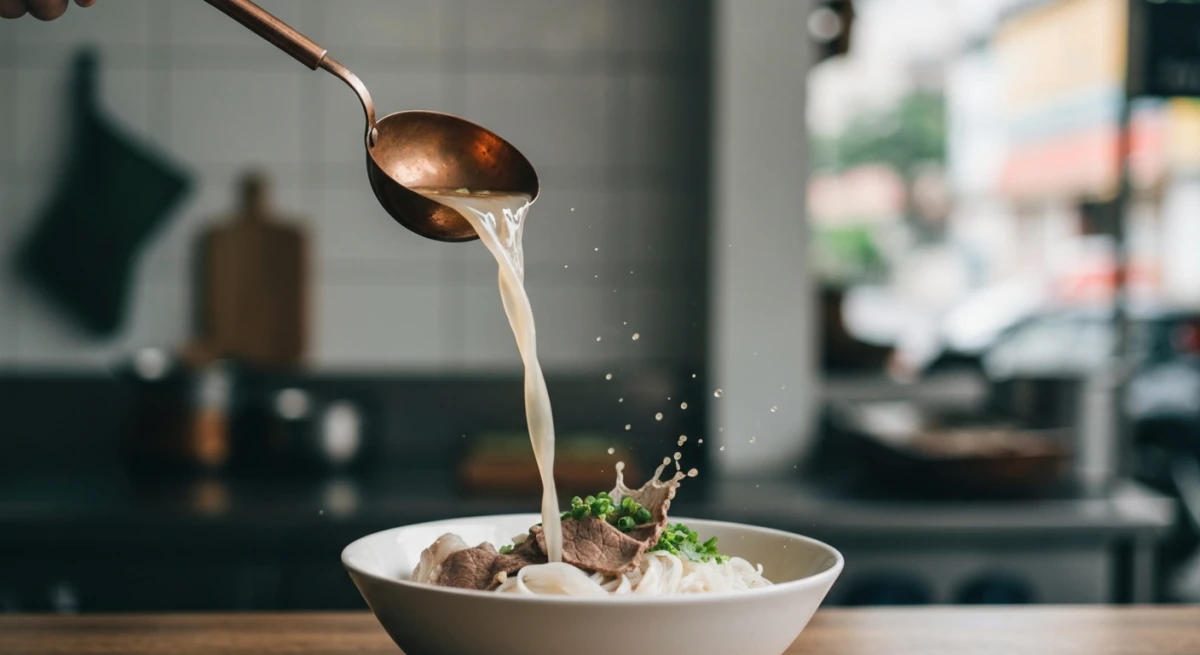
Ho Chi Minh City, still affectionately referred to as Saigon by its residents, is a dizzying, high-octane metropolis where life is lived out in the open on two wheels and tiny plastic stools. To truly understand this city, you have to eat your way through it. Finding the best local food in ho chi minh is not just about visiting the highest-rated restaurants on travel apps; it is an adventure that requires you to dive into narrow, steam-filled alleys, follow the smoky scent of charcoal grills, and sit shoulder-to-shoulder with locals at metal tables.
Saigon’s culinary landscape is a fascinating melting pot. As the economic powerhouse of Vietnam, the city has drawn millions of migrants from every corner of the country, each bringing their regional recipes. Here, Northern subtlety meets Southern abundance, resulting in a flavor profile that is bolder, sweeter, and more herb-forward than anywhere else in the nation. In this ultimate guide, we will unpack the must-try dishes, explain the eating customs, and reveal the absolute best spots to experience authentic Saigonese food.
1. The Big Three: Saigon's Definitive Breakfast Staples
To start your culinary journey like a true Saigonese, you must understand the holy trinity of morning meals. While the rest of the world might grab a pastry or a bowl of cereal, locals here fuel up with hearty, savory dishes that are deeply rooted in the city's history.
Cơm Tấm (Broken Rice)
If there is one dish that belongs entirely to Ho Chi Minh City, it is cơm tấm. Historically, broken rice consisted of fractured grains that fell apart during the milling process. Because these damaged grains could not be sold to premium markets, farmers and working-class families saved them for their own consumption. Over the decades, this "poor man's food" transformed into a beloved national treasure.
A classic plate of cơm tấm is a masterpiece of textures and temperatures. At its core is a bed of warm, slightly dry broken rice topped with a thick, honey-glazed sườn nướng (marinated, charcoal-grilled pork chop) that fills the morning air with a sweet, smoky aroma. This is accompanied by chả trứng (a steamed egg, pork, and glass noodle meatloaf) and bì (thinly shredded pork skin tossed with toasted rice powder). The plate is finished with a spoonful of mỡ hành (scallion oil), quick-pickled daikon and carrots, and a generous drizzle of highly concentrated, sweet fish sauce (nước mắm pha).
- Where to try it:
- Cơm Tấm Ba Ghiền (84 Đặng Văn Ngữ, Phú Nhuận District): A legendary establishment awarded a Michelin Bib Gourmand, famous for its massive, plate-sized pork chops that are exceptionally juicy and perfectly charred.
- Cơm Tấm Sà Bì Chưởng (179 Trần Bình Trọng, District 5): A modern, incredibly popular spot founded by famous Vietnamese gaming content creators that serves premium, highly consistent portions to a younger local crowd.
Bánh Mì
While the French introduced the baguette to Vietnam during the colonial era, the people of Saigon made it their own by lightening the dough with rice flour to create an incredibly airy, crispy crust, and stuffing it with savory local ingredients. Today, the bánh mì is the ultimate street food—portable, cheap, and bursting with flavor.
A classic Saigon-style bánh mì is layered with thick spreads of rich chicken liver pâté and mayonnaise, followed by a selection of cold cuts (such as chả lụa pork roll, headcheese, and cured ham). What balances the heavy, savory meats is the mountain of fresh garnishes: long strips of cucumber, fresh cilantro, fiery bird’s eye chilies, and tangy pickled daikon and radish.
However, for a truly immersive sit-down experience, you should try Bánh Mì Chảo (skillet-style). Served in a sizzling personal pan, you get runny fried eggs, laughing cow cheese, sausages, and meat patties bathed in a savory tomato-based gravy, designed to be scooped up with chunks of warm, crispy baguette.
- Where to try it:
- Bánh Mì Hòa Mã (53 Cao Thắng, District 3): Tucked away in a quiet alleyway, this historic stall has been serving skillet-style bánh mì since 1958. Grab a tiny plastic stool along the brick wall and enjoy a rustic breakfast as motorbikes zip past.
- Bánh Mì Bảy Hổ (19 Huỳnh Khương Ninh, District 1): Operating for over 80 years, this humble street cart is famous for its homemade pâté and highly affordable, traditional pork-stuffed baguettes.
Hủ Tiếu Nam Vang (Phnom Penh Noodle Soup)
Ask any local about the best local food in ho chi minh, and they will likely steer you toward hủ tiếu instead of pho. While pho is the king of Hanoi, hủ tiếu is the undisputed ruler of the south. This dish has multicultural roots, arriving in Saigon via Phnom Penh (Nam Vang) and heavily influenced by Teochew Chinese immigrants.
Hủ tiếu features thin, chewy tapioca noodles in a clear, intensely savory broth brewed from pork bones, dried squid, and rock sugar. The bowl is loaded with an array of toppings: minced pork, succulent whole shrimp, quail eggs, sliced pork heart, and liver. It is typically served in two ways: nước (wet, with the broth poured over the noodles) or khô (dry, where the noodles are tossed in a sweet, savory soy-based sauce, and the hot broth is served in a separate side bowl).
- Where to try it:
- Hủ Tiếu Nhân Quán (122D Cách Mạng Tháng 8, District 3): A bustling local chain known for its incredibly rich broth and generous portions of fresh seafood.
- Hủ Tiếu Thanh Xuân (62 Tôn Thất Thiệp, District 1): Serving since 1946, this legendary spot is famous for its unique crab-infusion dry sauce and nostalgic historical charm.
2. Savory Masterpieces: Crispy Crepes, Grilled Noodles, and Comfort Eats
As the midday sun transitions into the cooler evening breeze, Saigon’s culinary stage shifts. The streets transform into an open-air theater of sizzling pans, fragrant charcoal smoke, and the rhythmic chopping of herbs.
Bánh Xèo (Sizzling Vietnamese Crepe)
Named after the loud, sizzling sound (xèo) the batter makes when poured onto a scorching hot skillet, bánh xèo is a sensory delight. The batter is made of rice flour, coconut milk, and turmeric powder (which gives it its signature golden-yellow color, not eggs). It is filled with pork belly, small river shrimp, and mung beans, then folded over a generous handful of fresh bean sprouts.
The secret to enjoying bánh xèo lies in the eating technique, which is completely hands-on. You do not use chopsticks directly on the crepe. Instead, tear off a piece of the crispy crepe, place it onto a large mustard green or lettuce leaf, layer it with fresh herbs like Thai basil, mint, and fish mint (diếp cá), roll it tightly into a bundle, and dip it deep into a bowl of sweet-and-sour garlic fish sauce (nước chấm).
- Where to try it:
- Bánh Xèo Ăn Là Ghiền (74 Sương Nguyệt Ánh, District 1): A fantastic sit-down spot that specializes in extra-large, incredibly crispy crepes with a wide variety of fillings, from traditional pork to wild mushrooms.
- Bánh Xèo Đinh Công Tráng (46A Đinh Công Tráng, District 1): One of the most famous historical spots in the city, situated in a narrow alley where you can watch chefs cook dozens of crepes over roaring open fires simultaneously.
Bún Thịt Nướng (Cold Rice Noodles with Grilled Pork)
If you find the tropical heat of Ho Chi Minh City too intense for a steaming bowl of soup, bún thịt nướng is the perfect antidote. It is a dry, room-temperature noodle bowl that offers a flawless harmony of temperatures, textures, and clean flavors.
At the bottom of the bowl sits a fresh bed of shredded lettuce, cucumber, bean sprouts, and fragrant herbs. This is covered with soft rice vermicelli (bún), charcoal-grilled pork shoulder marinated in lemongrass and honey, and crispy fried spring rolls (chả giò). The bowl is garnished with crushed roasted peanuts, pickled vegetables, and scallion oil. To eat, you pour a generous amount of sweet, chili-flecked fish sauce over the entire bowl and toss it like a salad.
- Where to try it:
- Bún Thịt Nướng Kiều Bảo (139 Đề Thám, District 1): An absolute local favorite that offers massive, high-quality bowls for an unbelievably low price (under $1.50 USD). It comes with unlimited fresh herbs and a giant communal bucket of sweet fish sauce on every table.
- Bún Thịt Nướng Chị Tuyền (195 Cô Giang, District 1): Renowned for its heavily marinated, thick-cut grilled pork and exceptionally large, crispy spring rolls stuffed with wood-ear mushrooms and taro.
Bột Chiên (Pan-Fried Rice Cakes)
Popularized by the city’s large ethnic Chinese community, bột chiên is the ultimate late-night comfort food in Saigon. Cubes of dense, chewy rice flour cakes are fried on a giant, flat cast-iron skillet until the exteriors are golden and crispy while remaining soft and pillowy on the inside.
As the cakes finish frying, the cook cracks a couple of eggs over them and throws in a handful of chopped scallions, binding the crispy rice cubes into a cohesive, savory pancake. It is served hot off the skillet with a side of shredded green papaya to cut through the oil, accompanied by a thick, sweet-and-sour spiced soy sauce.
- Where to try it:
- Bột Chiên Đạt Thành (277 Võ Văn Tần, District 3): A legendary spot that has perfected the art of the crispy rice cake, always packed with locals seeking a late-night savory treat.
3. Deep Cuts: Bold, Fermented, and Seafood-Centric Specialties
To truly graduate from a casual traveler to a seasoned foodie, you must explore the deeper, bolder flavors of Saigon’s culinary underworld. These are the dishes that carry complex aromas and showcase the southern love for seafood and heavy fermentation.
Bún Mắm (Fermented Fish Noodle Soup)
Bún mắm is often referred to as the "Vietnamese gumbo," and it is not a dish for the faint of heart. The broth is brewed using mắm cá sặc or mắm cá linh—intensely savory, pungent fermented fish pastes sourced from the floating communities of the Mekong Delta. To balance the strong fermented profile, the broth is simmered with lemongrass, garlic, and eggplant, which absorbs the rich flavors.
The soup is loaded with thick, slippery rice noodles and piled high with hearty ingredients like crispy roasted pork belly (heo quay), plump prawns, squid, and firm white fish. What elevates bún mắm is the accompanying mountain of raw, crunchy river vegetables: banana flower blossoms, water spinach stems, and purple sesbania flowers. Squeezing a wedge of lime and adding a dab of chili paste cuts through the rich, pungent broth, creating an incredibly complex, highly addictive flavor profile.
- Where to try it:
- Bún Mắm 444 (375 Lê Quang Định, Bình Thạnh District): A clean, local favorite that crafts an exceptionally balanced, highly flavorful broth that isn't overly sweet.
- Bún Mắm Cô Ba Lâm (534 Vĩnh Khánh, District 4): A bustling morning spot located on the famous Vĩnh Khánh food street, serving a rustic, deeply traditional bowl.
Snail and Shellfish Culture (Ốc)
In Ho Chi Minh City, eating ốc (which translates literally to "snails," but refers to all kinds of shellfish, clams, crabs, and oysters) is not merely about consuming food; it is a vital social ritual known as nhậu (drinking and eating with friends). As soon as twilight hits, the sidewalk ốc joints set out their tables, stock up on local beers, and display basins of fresh seafood on beds of ice.
The variety of preparations is staggering. You can order mud creepers cooked in sweet, rich coconut milk (ốc len xào dừa), sweet snails stir-fried in rich garlic butter (ốc hương hoàng kim), clams steamed in lemongrass and chili broth (nghêu hấp sả), or scallops grilled over charcoal with scallion oil and crushed peanuts (sò điệp nướng mỡ hành). You use tiny safety pins or two-pronged forks to extract the delicate meat, dipping it into chili-salt-lime mixtures or sweet ginger fish sauce.
- Where to try it:
- Vĩnh Khánh Street (District 4): The ultimate destination for seafood lovers. This street comes alive after 6:00 PM with hundreds of tables spilling onto the sidewalks. Spotlights, live street performers, and the roar of scooters create an electrifying dining atmosphere.
- Ốc Đào (212/C79 Nguyễn Trãi, District 1): A slightly hidden alleyway oasis that is incredibly popular with locals and in-the-know tourists for its massive variety of fresh shellfish and superb dipping sauces.
4. Where to Find the Best Street Food Areas in Ho Chi Minh City
If you prefer to wander and sample multiple dishes in one go rather than visiting single-specialty restaurants, heading to a dedicated street food hub is your best strategy. These areas are concentrated culinary playgrounds where you can hop from stall to stall.
Hồ Thị Kỷ Night Market (District 10)
Tucked deep inside the city’s largest flower market, the Hồ Thị Kỷ Night Market is a bustling, neon-lit alleyway packed with over a hundred food stalls. Because of the historic Cambodian-Vietnamese population in this neighborhood, you will find a unique blend of flavors here. It is incredibly popular with local university students, meaning prices are low and the food trends are cutting-edge.
- Must-try items: Cambodian sweet grilled pork skewers, peach tea with fresh peaches, bánh tráng nướng (grilled rice paper pizzas), and chè (traditional sweet dessert soups).
Vĩnh Khánh Street (District 4)
Once a legendary gangster territory, District 4 has transformed into a vibrant, safe, and sensory-overload food street. Vĩnh Khánh is the undisputed capital of the city’s seafood and ốc culture. Running for nearly a mile, both sides of the street are lined with open-fronted restaurants and outdoor grills where cooks stir-fry seafood over massive roaring flames.
- Must-try items: Charcoal-grilled oysters with cheese, stir-fried sweet snails with salted egg sauce, and deep-fried soft-shell crab.
Nguyễn Thiện Thuật Apartment Alleys (District 3)
Built in the late 1960s, this historic apartment complex features beautiful, weathered mid-century architecture. At ground level, the narrow grid of alleys forms a massive, labyrinthine food market. It is one of the most authentic places to witness daily Saigonese life while enjoying time-tested family recipes.
- Must-try items: Bánh cuốn (steamed rice rolls stuffed with minced pork and wood-ear mushrooms) and bột chiên fried rice cakes.
5. A First-Timer’s Guide to Saigon Street Food Etiquette & Safety
Eating on the streets of Ho Chi Minh City can be intimidating for newcomers. The chaotic traffic, unfamiliar ingredients, and language barriers might make you hesitate. However, with a few basic guidelines, you can navigate the sidewalk stalls like a seasoned local.
Assessing Hygiene and Food Safety
The golden rule of street food safety is simple: follow the crowds. A food stall packed with locals on tiny plastic stools is the best indicator of two things—excellent flavor and a rapid turnover of ingredients. Because the food is cooked to order on high heat and sells out quickly, nothing sits out long enough to spoil.
The Truth About Ice (Trà Đá)
Many travelers worry about getting sick from the water or ice in Vietnam. In Ho Chi Minh City, ice (đá) is commercially manufactured in clean, filtered factories and delivered to stalls in large blocks or cylinders. It is generally very safe to consume. When you sit down, you will often be offered trà đá (iced green tea) for a nominal fee (around 2,000 to 5,000 VND). It is refreshing, safe, and the perfect palate cleanser.
Navigating the Table Condiments
Every street food table is stocked with an array of jars and bottles. Don't be afraid to use them!
- Chili Sauce & Hoisin: Commonly used for dipping meat or seasoning noodle broths.
- Garlic Vinegar: Often added to beef noodle soups like pho or hủ tiếu to cut through the richness of the broth.
- Bird's Eye Chilies: Extremely hot! Use sparingly.
- Lime Wedges: Always squeeze a wedge into your soup to brighten the broth with natural acidity.
What Are Those Wet Wipes?
When you sit down, the vendor will often place wrapped wet wipes (khăn lạnh) on your table. It is important to know that these are not free. They usually cost between 2,000 and 5,000 VND ($0.10 to $0.20 USD) each, which will be added to your final bill if you open them. They are incredibly useful for cleaning your hands after eating finger-foods like bánh xèo or ốc, so don't hesitate to use them—just don't be surprised when they appear on your bill.
How to Pay
Cash is still the absolute king at small street stalls, so always carry small denominations (10,000, 20,000, 50,000, and 100,000 VND notes). Vendors often struggle to make change for 500,000 VND bills on small purchases. However, if you are dining at established local joints, you will increasingly see QR codes printed on tables. Locals heavily use mobile banking apps or e-wallets (like MoMo or VNPay) to scan and pay instantly.
Frequently Asked Questions About Food in Ho Chi Minh City
Is street food in Ho Chi Minh City safe for tourists?
Yes, street food in Ho Chi Minh City is generally very safe. To minimize risk, choose stalls that are busy with local families, ensure your food is prepared fresh and served piping hot, and opt for bottled water if you have a highly sensitive stomach. The ice used in almost all urban establishments is commercially manufactured and safe.
What is the difference between Pho in Hanoi and Pho in Saigon?
Northern-style pho (Hanoi) is characterized by a clear, simple, and savory broth, wider noodles, and minimal garnishes (usually just green onions). Southern-style pho (Saigon) features a sweeter, highly aromatic broth spiced with cloves and star anise, thinner noodles, and is served with a mountain of fresh herbs (basil, saw-tooth herb), bean sprouts, hoisin sauce, and chili paste, allowing the diner to customize the bowl to their liking.
How much does a local meal cost in Ho Chi Minh City?
Street food in Ho Chi Minh City is incredibly affordable. A hearty bowl of noodles (like hủ tiếu or bún thịt nướng) or a plate of broken rice (cơm tấm) typically costs between 30,000 and 65,000 VND ($1.20 to $2.60 USD). A classic bánh mì cart will charge between 15,000 and 35,000 VND ($0.60 to $1.40 USD).
Are there vegetarian options in HCMC’s local food scene?
Absolutely. Look for signs that say "Chay" (which means vegetarian/vegan in Vietnamese). Buddhism is widely practiced, and many locals eat vegetarian food on the 1st and 15th days of the lunar month. You can find vegetarian versions of almost every classic dish, including bánh mì chay, phở chay, and hủ tiếu chay, which utilize tofu, mushrooms, and mock meats.
Embracing the Sidewalk Dining Culture of Saigon
Finding the best local food in ho chi minh is far more than a culinary checklist; it is an active immersion into the soul of the city. The dynamic energy of Saigon is best experienced from a low plastic stool on a crowded sidewalk, with a cold local beer in one hand, a pair of chopsticks in the other, and the endless symphony of humming motorbikes passing by. By seeking out these authentic, time-tested local spots, you aren't just tasting some of the most vibrant flavors in Southeast Asia—you are participating in a beautiful, daily cultural tradition that has defined Ho Chi Minh City for generations. Pack your appetite, leave your culinary comfort zone behind, and dive into the delicious world of Saigonese street food.