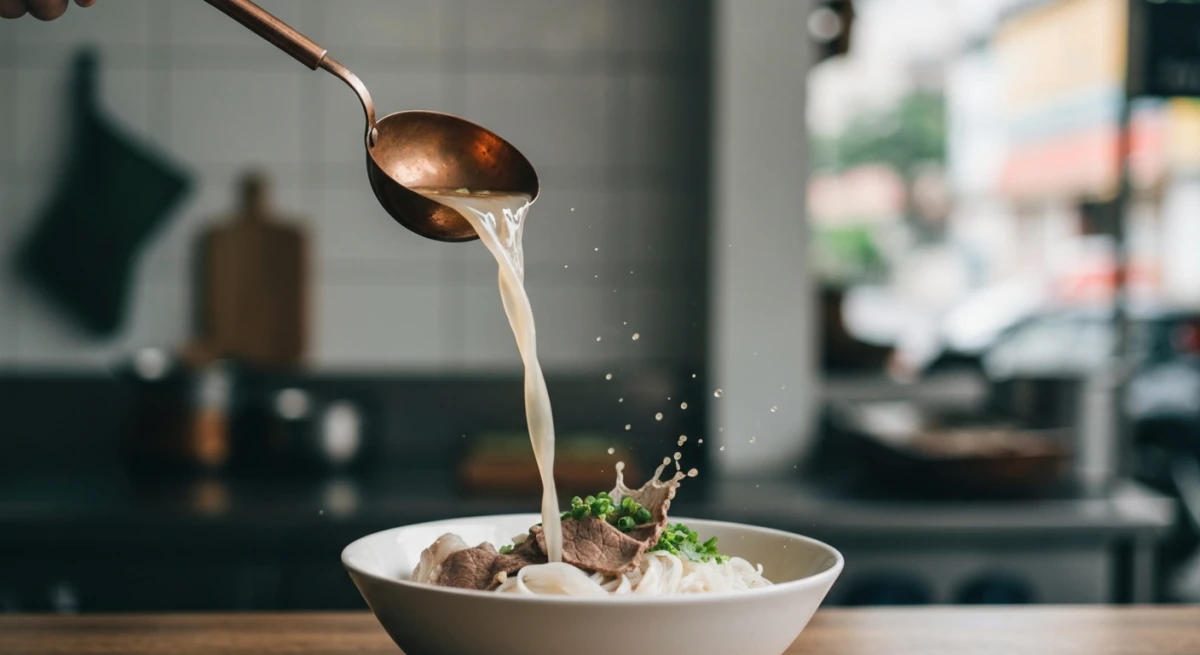
When you step onto the bustling streets of Ho Chi Minh City, your senses are immediately hijacked by a symphony of sounds, sights, and aromas. The roar of a million motorbikes blends with the sizzle of hot pans, and the sweet, smoky fragrance of charcoal-grilled pork drifts through the humid air. This is Saigon—a city that never truly sleeps, and one that lives to eat.
For any traveler or seasoned foodie, finding the best local food in saigon is more than just tickling your taste buds; it is an immersive plunge into the history, culture, and relentless energy of Southern Vietnam. Unlike Hanoi, where culinary traditions are strictly defined by centuries-old rules, Saigon is a culinary wild west. It is a city where Northern classics are sweetened, Central specialties are spiked with fresh herbs, and international influences—from French baguettes to Cambodian spices—are folded into local street food with effortless flair. This tropical metropolis benefits from its close proximity to the fertile Mekong Delta, securing a year-round bounty of fresh herbs, tropical fruits, and diverse seafood.
To help you bypass the tourist traps of Ben Thanh Market and experience Saigon like a true local, we have curated this ultimate, deeply researched culinary guide. Grab a low blue plastic stool, prepare your chopsticks, and let's dive into the finest flavors this metropolis has to offer.
The Soul of Saigon: Sizzling Street Food Classics
To understand Saigon, you must understand its streets. The sidewalk is not just a walkway; it is a kitchen, a dining room, and a community hub. The best local food in saigon is found in these open-air, high-turnover stalls where generation-spanning recipes are perfected over open flames. Here are the foundational dishes that form the bedrock of Saigon's daily diet.
Cơm Tấm (Broken Rice)
If Saigon had an official breakfast dish, it would undoubtedly be cơm tấm. Historically, "broken rice" consisted of fractured grains salvaged from the milling process that farmers could not sell. It was a cheap, filling staple for the working class. Today, it is a culinary masterpiece beloved by everyone from high-flying executives to street sweepers.
The centerpiece of a great plate of cơm tấm is sườn nướng—a thick, bone-in pork chop marinated in a secret blend of lemongrass, garlic, fish sauce, honey, and sometimes a splash of Coca-Cola or condensed milk for that deep caramelization. It is grilled over charcoal until smoky and tender, then served over a bed of fluffy broken rice. To complete the "grand slam" of cơm tấm (cơm tấm sườn bì chả), you must add bì (thinly shredded pork skin tossed in toasted rice powder) and chả trứng (a steamed pork-and-egg meatloaf packed with glass noodles and wood-ear mushrooms). The entire plate is drizzled with mỡ hành (scallion oil) and served with a small bowl of sweet, garlicky fish sauce and a side of pickled daikon and carrot to cut through the richness.
- Where to try it:
- Cơm Tấm Ba Ghiền (84 Dang Van Ngu, Phu Nhuan District): A legendary spot famous for serving pork chops so humongous they completely cover the rice beneath them. The smoky aroma hits you from a block away.
- Cơm Tấm Nguyễn Văn Cừ (74 Nguyen Van Cu, District 5): Frequently cited by locals as the most premium, perfectly caramelized pork chop in the city. It is pricier than your average street stall, but worth every single Dong.
Bánh Mì
While the French introduced the baguette, the Vietnamese transformed it into an international icon. A Saigon-style bánh mì is a masterclass in contrasting textures and flavors: a warm, light-as-air baguette with an ultra-crispy crust, split open and stuffed with rich liver pâté, creamy homemade mayonnaise, a medley of cured pork cold cuts, pickled white daikon and carrots, fresh cucumber strips, cilantro, and fiery bird's eye chilies.
There is an ongoing debate about what makes the perfect bánh mì. Some prefer the massive, meat-laden monsters, while others advocate for simpler, more balanced rolls where the bread itself takes center stage.
- Where to try it:
- Bánh Mì Huỳnh Hoa (26 Le Thi Rieng, District 1): Known as the heavyweight champion of bánh mì. This bakery stuffs their baguettes with up to five layers of cold cuts, ultra-rich pâté, and a mountain of pork floss. It is so rich that locals often split one baguette between two people. Expect long lines, but the assembly line is fast.
- Bánh Mì Bảy Hổ (19 Huynh Khuong Ninh, District 1): Operating for nearly a century, this humble cart offers a more traditional, balanced, and affordable sandwich. Their secret lies in the warm, freshly baked bread and a deeply savory, home-stewed pork filling.
Bún Thịt Nướng (Southern Grilled Pork Noodles)
While visitors often flock to Hanoi-style bún chả, Saigon's true lunchtime hero is bún thịt nướng. This cold rice vermicelli noodle bowl is packed with hot, lemongrass-marinated grilled pork, crispy chả giò (deep-fried spring rolls stuffed with pork and taro), fresh herbs, shredded lettuce, bean sprouts, pickled carrots, and crushed roasted peanuts.
Unlike bún chả, where the noodles are dipped into a warm broth, bún thịt nướng is served dry. You pour a generous splash of sweet, tangy chili-garlic fish sauce over the entire bowl, toss it like a salad, and enjoy the perfect bite of cold, crunchy, hot, sweet, and savory elements.
- Where to try it:
- Bún Thịt Nướng Nguyễn Trung Trực (9 Nguyen Trung Truc, District 1): Just a short walk from the Cafe Apartments, this sidewalk stall fills the street with delicious charcoal smoke every afternoon. Their spring rolls are incredibly crispy, and the grilled pork is exceptionally tender.
Bánh Xèo (Sizzling Savory Crepe)
Bánh xèo literally translates to "sizzling cake," named after the dramatic sound the liquid batter makes when poured onto a scorching-hot, oiled pan. The Southern Vietnamese version of this dish is massive—a giant, paper-thin, golden crepe made from rice flour, turmeric powder, and coconut milk.
It is stuffed with pork belly, small shrimp, mung beans, and a mountain of fresh bean sprouts. To eat it like a local, you do not use a fork and knife. Instead, you tear off a piece of the crispy crepe, wrap it in a large wild mustard green or lettuce leaf along with fresh herbs (like sweet basil and mint), roll it up tightly, and dip it into a sweet-and-sour fish sauce. The bitterness of the greens perfectly balances the rich, coconut-infused crunch of the crepe.
- Where to try it:
- Bánh Xèo Đinh Công Tráng (46A Dinh Cong Trang, District 1): A legendary open-air restaurant tucked into a quiet alley. You can watch the cooks manage dozens of sizzling pans over roaring fires, turning out perfectly crispy crepes at breakneck speed.
Saigon's Rich Noodle Broths: Beyond Standard Pho
While a comforting bowl of beef phở is readily available on every corner, Saigon's noodle landscape is vast and incredibly diverse. If you only eat pho, you are missing out on the true depth of the city's noodle culture. Here are the essential soups you must seek out.
Hủ Tiếu Nam Vang (Cambodian-Style Noodle Soup)
If there is one noodle soup that defines the multicultural history of Saigon, it is hủ tiếu Nam Vang. Originating in Phnom Penh (Nam Vang in Vietnamese) with Chinese-Cambodian roots, this dish was adapted to Southern Vietnamese tastes and became an absolute staple.
The broth is made by simmering pork bones, dried squid, and dried shrimp for hours, resulting in a sweet, clear, deeply savory soup. The bowl is loaded with tapioca-based rice noodles (which have a delightfully chewy texture), ground pork, sliced pork loin, quail eggs, fresh shrimp, and occasionally pork liver or heart. It is served alongside a mountain of fresh celery, Chinese chives, and lettuce.
The ultimate local move is to order it dry (hủ tiếu khô). The noodles are tossed in a rich, dark, slightly sweet soy-and-garlic sauce in one bowl, while the piping-hot, clear pork broth is served in a separate bowl on the side. This allows you to appreciate the chewy texture of the seasoned noodles before washing them down with the comforting soup.
- Where to try it:
- Hủ Tiếu Nam Vang Thanh Đạt (34 Co Giang, District 1): A wildly popular local chain that serves an exceptionally rich, garlic-forward bowl of hủ tiếu. They operate 24/7, making it a legendary spot for a late-night feast.
Bún Riêu Cua (Crab and Tomato Noodle Soup)
Bún riêu is a rustic noodle soup that is an absolute explosion of umami. The broth is a tomato-based pork soup infused with freshwater crab paste, giving it a complex, sweet-and-sour profile.
The bowl is packed with thin rice vermicelli noodles, soft wedges of stewed tomatoes, fried tofu puffs that absorb the broth like sponges, cubes of congealed pig's blood (huyết), and a floating patty of riêu (a delicate mixture of freshwater crab meat, minced pork, and egg). To elevate the dish, locals always stir in a spoonful of pungent, fermented shrimp paste (mắm tôm) and a squeeze of fresh lime juice.
- Where to try it:
- Bún Riêu Nguyễn Cảnh Chân (18 Nguyen Canh Chan, District 1): A legendary local spot where the broth is perfectly balanced, and the crab patties are incredibly soft and flavorful. Be sure to order a side of bắp chuối (shredded banana blossoms) to mix into your hot soup.
Bún Mắm (Fermented Fish Noodle Soup)
For those willing to venture off the beaten culinary path, bún mắm is the holy grail of Southern Vietnamese soups. Originating in the Mekong Delta, this dark, murky soup features a deeply complex broth fermented from mud carp fish paste (mắm cá sặc or mắm cá linh).
While the aroma is powerful and pungent, the taste is surprisingly sweet, savory, and balanced. The soup is loaded with thick rice noodles, crispy roast pork belly, fresh shrimp, squid, tender pieces of eggplant, and steamed fish cakes. It is served with an incredible array of wild Southern greens, including water lily stems, sesbania flowers, and shredded banana blossoms. It is a true taste of the Mekong wilderness in the heart of the metropolis.
- Where to try it:
- Bún Mắm Cô Ba Lâm (24 Nguyen Cong Tru, District 1): A clean, friendly local eatery that serves an exceptionally balanced broth. Their seafood is incredibly fresh, and their roast pork adds a delightful crunchy texture to the rich soup.
The Ultimate Street Food Crawl: District 4 and District 3 Alleys
To find the best local food in saigon, you have to venture out of the high-rise glitz of District 1 and head into the high-density residential neighborhoods. This is where the magic of alley culture (hẻm) and evening street food crawls truly shines.
Vinh Khanh Street: The Snail Capital of Saigon
No trip to Saigon is complete without experiencing ốc (which translates literally to snails, but colloquially refers to all manners of shellfish, clams, crabs, and snails). Eating snails is not just a meal; it is a vital social ritual known as nhậu (eating, drinking beer, and socializing with friends late into the night).
Vĩnh Khánh Street in District 4 is the undisputed, neon-lit epicenter of this culture. Every evening, the sidewalks are lined with hundreds of small metal tables, live seafood tanks, and charcoal grills sending plumes of fragrant smoke into the night air.
When dining at an ốc stall, you select your seafood and choose how you want it cooked. Here are the essential dishes to order:
- Ốc hương sốt trứng muối (Sweet snails in salted egg yolk sauce): Plump, sweet snails tossed in a rich, creamy, savory sauce made from salted duck egg yolks and butter. Order a loaf of plain bánh mì to soak up every drop of this liquid gold.
- Sò lông nướng mỡ hành (Grilled ark clams with scallion oil): Large, meaty clams grilled over charcoal, drizzled with fragrant green onion oil, and topped with crushed roasted peanuts. Dip them in a sweet-and-sour chili fish sauce.
- Ốc móng tay xào rau muống (Razor clams stir-fried with morning glory/water spinach): Meaty razor clams stir-fried in a roaring wok with garlic and fresh morning glory.
- Where to go:
- Ốc Oanh (534 Vinh Khanh, District 4): A legendary, Michelin-selected institution on Vinh Khanh. It is loud, chaotic, packed to the brim, and serves some of the freshest, most fiercely spiced seafood in the city.
Bàn Cờ Market: The Breakfast Alleyways of District 3
If you want a morning food adventure, head to the maze-like alleyways of Chợ Bàn Cờ (Ban Co Market) in District 3. This area is a dense labyrinth of residential lanes where the ground floors of homes convert into bustling breakfast stalls.
Seek out a stall serving Bột Chiên (pan-fried rice cakes). This is a popular street snack made from dense rice flour cakes that are cut into cubes, fried on a massive flat iron griddle until crispy on the outside and chewy on the inside, then bound together with whisked eggs. It is topped with pickled green papaya, scallions, and served with a tangy, sweet black soy sauce. Pair it with a cold glass of freshly squeezed sugarcane juice (nước mía) for the ultimate mid-afternoon pick-me-up.
- Where to try it:
- Bột Chiên Đạt Thành (277 Vo Van Tan, District 3): A fantastic local spot that has perfected the art of the crispy rice cake.
Hồ Thị Kỷ Flower Market: Cambodian Treats and Street Snacks
By day, Hồ Thị Kỷ is Saigon's largest wholesale flower market, filled with vibrant blossoms from Dalat and the Mekong Delta. By late afternoon, however, the central alleyway transforms into a bustling street food market packed with over a hundred stalls.
Due to the historical Cambodian-Vietnamese community residing in this neighborhood, you can find unique Cambodian-style snacks alongside classic Vietnamese treats. Try the hủ tiếu ốc (snail noodle soup) or indulge in chè Campuchia (Cambodian sweet dessert soups made with pumpkin custard, coconut milk, and durian).
- Where to go: Simply walk down Hồ Thị Kỷ Street (District 10) starting around 4:00 PM. Follow your nose and let the crowds guide you to the busiest stalls.
Insider Etiquette: How to Eat Like a Saigonese
While Saigon is incredibly welcoming, navigating its street food scene can be intimidating for first-timers. To make the most of your culinary journey and avoid the dreaded "Saigon belly," keep these insider tips in mind.
Mastering the Table Condiments
Every Vietnamese table is a DIY flavor lab. Unlike Western restaurants where dishes are seasoned entirely by the chef, Vietnamese street food is served as a canvas for you to paint.
- Limes and Chilies: Squeeze a wedge of fresh lime into noodle soups to brighten up the heavy broth. Add sliced red bird's eye chilies sparingly—they are incredibly spicy.
- Garlic Vinegar (Dấm Tỏi): Found in northern-style noodle stalls (like pho). A splash of this adds a sharp, tangy acidity.
- Fish Sauce (Nước Mắm): Use the sweet-and-sour fish sauce served alongside dry dishes as a dipping sauce or pour it directly over your food.
- Black Soy Sauce/Hoisin (Tương Đen) and Chili Sauce (Tương Ớt): Commonly used in Southern Pho. Do not squirt them directly into your broth first; instead, squeeze them into a small side dish to dip your beef slices.
Street Food Hygiene: The Golden Rules
You do not need to restrict yourself to fancy indoor restaurants to stay safe. Street food is often safer because the ingredients are purchased fresh from wet markets every morning and cooked at high temperatures right in front of you.
- Watch the Crowd: Only eat at stalls with a high turnover of local customers. If a stall is packed with local families and office workers, the food is fresh and safe.
- The Ice Myth: Many travelers avoid ice in Vietnam, fearing contaminated tap water. However, Saigon's street vendors almost exclusively buy industrially manufactured, purified tube ice (đá bi—cylindrical ice with a hole through the middle). If you see this ice, it is perfectly safe to drink. Avoid crushed, block-style ice, which is handled manually.
- Sanitize Your Utensils: It is a universal habit among locals to grab a tissue from the table dispenser and wipe down their chopsticks and spoons before eating. Many stalls also provide fresh lime wedges—rubbing lime juice over your utensils is a natural way to sanitize them.
Embracing the Fresh Herb Basket (Rau Sống)
Almost every savory dish in Saigon is served with a massive basket of fresh green herbs and leafy vegetables. These are not merely a garnish; they are an essential component of the flavor profile.
- Húng Quế (Thai Basil): Sweet and anise-scented, essential for Pho.
- Rau Răm (Vietnamese Coriander): Peppery and citrusy, served alongside snail dishes and balut.
- Kinh Giới (Vietnamese Balm): Lemongrass-scented, pairs beautifully with Bun Rieu.
- Ngo Gai (Sawtooth Herb): Strong, earthy coriander-like flavor, perfect for ripping into hot noodle broths.
FAQ: Navigating Saigon's Food Scene
Is street food in Saigon safe for foreigners?
Yes, street food in Saigon is generally very safe, provided you follow basic precautions. Stick to stalls that are busy with locals, ensure your food is cooked hot to order, and use the purified tube ice (đá bi) for your drinks.
What is the difference between food in Hanoi and food in Saigon?
Northern Vietnamese food (Hanoi) tends to be more delicate, balanced, and subtly seasoned, relying heavily on black pepper and clean broths. Southern food (Saigon) is much bolder—it is sweeter, spicier, utilizes significantly more fresh herbs, and frequently incorporates coconut milk and rich marinades.
Where is the best neighborhood to stay for a food-focused trip?
While District 1 is convenient for sightseeing, food lovers should look to District 3 or Phu Nhuan District. These central neighborhoods are highly walkable, packed with authentic local alleys, and offer a much more genuine, affordable dining scene compared to the touristy core of District 1.
Can vegetarians find good local food in Saigon?
Absolutely. Vietnam has a robust Buddhist tradition, which means vegetarian food (ăn chay) is widely available. Look for signs that say Quán Chay. These stalls serve incredible plant-based versions of classic dishes like hủ tiếu chay, phở chay, and cơm tấm chay using mock meats and fresh tofu.
Conclusion: Pull Up a Stool
The ultimate magic of Saigon is that its best culinary treasures cannot be found in elegant dining rooms with white tablecloths. They are found on dusty sidewalks, in dark, bustling alleyways, and on the corners of hectic intersections.
Finding the best local food in saigon is an active, messy adventure. It requires you to dodge traffic, navigate language barriers, squeeze onto tiny plastic stools, and embrace the heat. But when you take that first bite of perfectly caramelized broken rice, or sip a rich, complex noodle broth while the city sweeps past you, you will realize that there is no better place in the world to be.