Hanoi is a city that reveals itself through the sense of taste. As you wander through the labyrinthine alleyways of the Old Quarter, you are greeted by a symphony of sensory inputs: the rhythmic clack of chopsticks, the hiss of pork fat dripping onto red-hot charcoal, and the aromatic steam of star anise and cinnamon billowing from massive aluminum pots. Finding the best local food in Hanoi isn’t merely about filling your stomach; it’s an immersive cultural ritual. This comprehensive guide will take you beyond the typical tourist spots to discover the true, authentic culinary soul of Vietnam’s historic capital.
Historically, Hanoi’s cuisine has been shaped by its geographic position, centuries of Chinese influence, French colonial history, and the resourcefulness of its people. Unlike the sweeter, herb-heavy palate of southern Vietnam, northern Vietnamese cuisine focuses on balance, subtlety, and deep savory flavors. Here, black pepper replaces chili as the primary heat source, and broths are simmered for hours to extract pure, unadulterated umami. To eat like a local in Hanoi is to sit on a low plastic stool on a crowded sidewalk, elbow-to-elbow with strangers, diving into a steaming bowl of history.
The Soul of Hanoi: Iconic Noodle Bowls You Can't Miss
Noodles are the backbone of Hanoi’s culinary identity. While Pho is a global household name, Hanoi offers a diverse family of noodle dishes, each with its own dedicated time of day and flavor profile.
Phở Bò (Beef Noodle Soup) & Phở Gà (Chicken Noodle Soup)
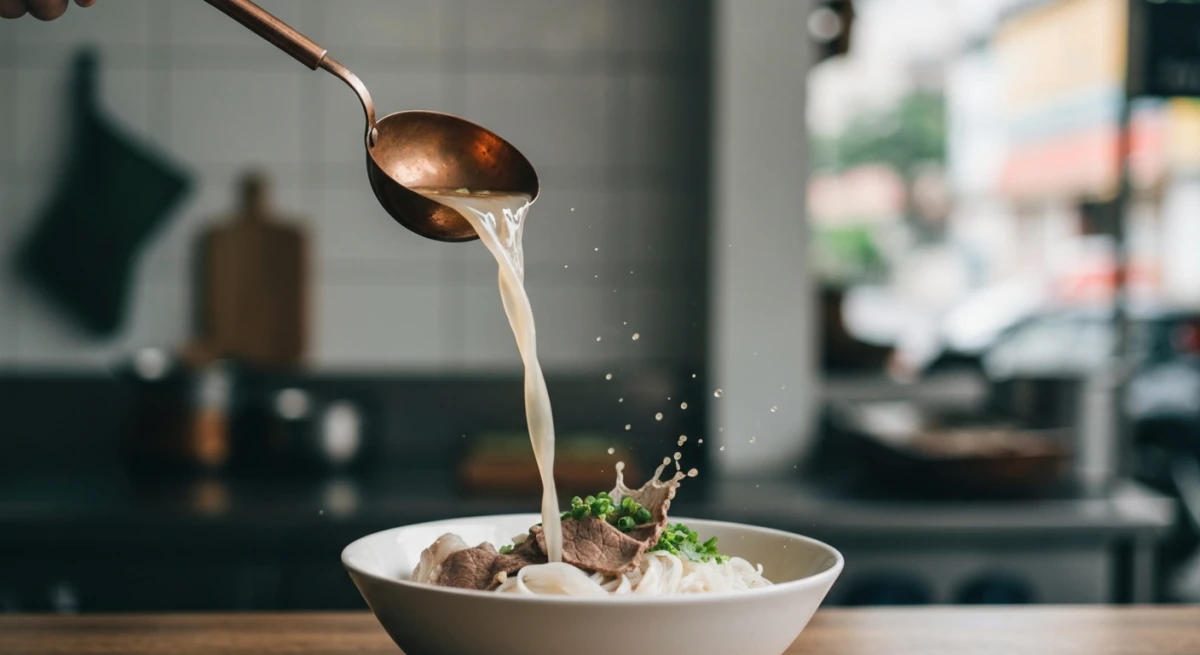
In Hanoi, Pho is not just a dish; it’s a daily religion. Northern-style Pho is characterized by a clear, intensely savory broth, wide flat rice noodles, and a minimalist garnishing of green onions and coriander. Unlike in Saigon, you won’t find bean sprouts or hoisin sauce here. Locals enhance their broth simply with garlic vinegar and a squeeze of fresh lime, pairing the meal with "quẩy" (fried dough sticks) to soak up the liquid.
- Phở Gia Truyền Bát Đàn (49 Bát Đàn): This legendary institution has been serving Pho for decades. Be prepared to stand in a queue, pay first, and carry your own bowl to a wooden table. The broth here is deeply woodsy, sweet from bone marrow, and the beef is sliced fresh to order.
- Phở 10 Lý Quốc Sư (10 Lý Quốc Sư): A Michelin-selected spot that offers a cleaner, more organized dining experience without sacrificing the rich depth of its classic beef broth. It is perfect for those who want a premium, consistent bowl.
- Phở Gà Nguyệt (5b Phủ Doãn): If you prefer chicken, this spot serves an incredible dry version ("phở gà trộn" tossed in a savory soy-based sauce) alongside the traditional soup version. The chicken is exceptionally tender, with a satisfyingly chewy yellow skin.
Bún Chả (Charcoal-Grilled Pork with Rice Vermicelli)
If Pho belongs to the morning, Bun Cha is the undisputed king of Hanoi lunches. This iconic dish consists of caramelized, charcoal-grilled pork patties and slices of pork belly swimming in a warm, sweet-and-sour dipping sauce made from fish sauce, vinegar, and sugar. It is accompanied by a mountain of fresh rice vermicelli, a platter of fresh herbs (perilla, mint, and coriander), and crispy "nem rán" (fried spring rolls). The contrast of smoky, sweet pork with cold noodles and crisp herbs is perfection.
- Bún Chả Hàng Quạt (7/74 Hàng Quạt): Tucked deep inside a narrow alleyway, this is arguably the best Bun Cha in the Old Quarter. The pork is grilled over open coals right at the alley entrance, infusing it with an incredible smoky char, and the dipping sauce is perfectly balanced.
- Bún Chả Hương Liên (24 Lê Văn Hưu): Renowned as "Obama Bun Cha" after Anthony Bourdain treated President Barack Obama here in 2016, this spot remains a fun rite of passage with high-quality pork.
- Bún Chả Ta (21 Nguyễn Hữu Huân): A fantastic, multi-story option in the Old Quarter that offers a cozy, homestyle atmosphere and exceptional crispy spring rolls packed with crab meat.
Bún Riêu Cua (Crab and Tomato Noodle Soup)
Bun Rieu is a rustic, comforting masterpiece that showcases the agricultural heart of the Red River Delta. The broth is crafted from fresh river crabs that are pounded into a paste, simmered with tomatoes, and soured gently with tamarind or "dấm bỗng" (rice wine vinegar). The result is a vibrant orange, tangy broth topped with fluffy crab paste cakes, fried tofu, green onions, and sometimes beef or pork rolls.
- Bún Riêu Cua Hàng Bạc (11 Hàng Bạc): A humble sidewalk stall where you can watch the owner construct your bowl with surgical precision. It’s tangy, rich, and intensely satisfying on a breezy Hanoi evening.
Beyond the Bowls: Savory Street Snacks and Crispy Bites
Hanoi’s street food culture excels at snacks that can be eaten on the go or enjoyed as a light mid-afternoon feast.
Bánh Mì
Unlike the ingredient-stuffed Southern version, Hanoi’s Bánh Mì is beautifully minimalist. It highlights ultra-crispy bread spread with velvety pork liver pâté, homemade butter, pork floss, and cucumber slices—a masterclass in texture.
- Bánh Mì Mama (54 Lý Quốc Sư): Conveniently located near the St. Joseph’s Cathedral, this humble street-side cart is run by ladies who assemble some of the crispiest, most flavorful Banh Mi in the city. The pâté is remarkably creamy, with just the right amount of black pepper heat.
- Bánh Mì 25 (25 Hàng Cá): This spot has grown from a tiny cart to a beloved culinary brand. While highly popular with travelers, they maintain excellent standards and offer a wide range of fillings, including delicious vegetarian options.
Bánh Cuốn (Steamed Rice Rolls)
Bánh Cuốn is a delicate, elegant breakfast dish. A thin, fermented rice batter is poured over a taut cloth stretched across a steaming pot of boiling water. Within seconds, a translucent crepe is formed, which is lifted with a bamboo stick, filled with minced pork and wood-ear mushrooms, and rolled up. It is sprinkled with crispy fried shallots and served with "chả lụa" (Vietnamese pork sausage) and a warm dipping sauce. Watching the vendors steam and roll each piece with lightning speed is a mesmerizing experience.
- Bánh Cuốn Gia Truyền Thanh Vân (14 Hàng Gà): A family-run eatery where you can pull up a stool right next to the steaming station. They use high-quality ingredients, and their filling includes options for minced shrimp or pork.
- Bánh Cuốn Bà Hoành (66 Tô Hiến Thành): Famous for its rustic style, where the rice sheets are served slightly thicker and accompanied by flavorful, charcoal-grilled pork instead of the traditional sausage.
Bánh Tôm (West Lake Prawn Fritters)
Bánh Tôm is a hyper-local specialty that originated around Hanoi’s scenic West Lake (Hồ Tây). Whole fresh freshwater prawns, shell and head intact, are embedded in a thick batter of shredded sweet potato and turmeric, then deep-fried until they become golden, crunchy discs. You wrap pieces of the fritter in fresh lettuce leaves and herbs, dipping the parcel into a sweet, sour, and spicy fish sauce.
- Nhà Hàng Thanh Tâm (43 Phủ Tây Hồ): Located near the historic Tay Ho Temple, this lakeside eatery serves incredibly fresh, crispy Banh Tom with a stunning view of the water.
Legendary Specialty Dining: Hanoi's Signature Sit-Down Classics
Not all of the best food in Hanoi is eaten standing up or on sidewalk stools. The city features iconic, interactive dining traditions that require sitting around a tabletop stove with friends.
Chả Cá Lã Vọng (Pan-Fried Turmeric Fish with Dill)
Cha Ca is one of Hanoi’s most celebrated culinary inventions—so famous that an entire street in the Old Quarter was renamed after it. Slices of firm white fish (traditionally hemibagrus, a type of river catfish) are marinated in a mixture of turmeric, galangal, and fermented rice. At your table, a waiter sets up a small clay stove and gas burner. The fish is sizzled in oil along with massive quantities of fresh dill and spring onions. Once the herbs wilt, you assemble your bowl: a bed of rice vermicelli, some fish, wilted herbs, roasted peanuts, and a drizzle of "mắm tôm" (fermented shrimp paste with lime juice and sugar, whipped until frothy). The combination of flavors is earthy, herbal, pungent, and utterly unforgettable.
- Chả Cá Lã Vọng (14 Chả Cá): The historic birthplace of the dish, run by the Doan family for over a century. While it is expensive and service can be brisk, it is a piece of living history.
- Chả Cá Thăng Long (6B Đường Thành): Highly favored by local families, this restaurant offers superb quality fish, pristine hygiene, and incredibly attentive service in a spacious setting.
- Chả Cá Anh Vũ (120 Giảng Võ): If you want to step completely out of the tourist zone, head here. It is packed with locals enjoying exceptionally fresh, thick cuts of fish.
Lẩu (Vietnamese Hotpot)
When the autumn breeze or winter chill hits Hanoi, locals flock to sidewalk hotpot joints. Lẩu is the ultimate communal meal. A simmering pot of flavorful broth (ranging from sour beef rib broth to spicy frog and bamboo shoot broth) is placed in the center of the table. Diners toss in platters of raw meats, seafood, mushrooms, tofu, and fresh greens, cooking them to order before dipping them in salt, lime, and chili.
- Phùng Hưng Street: Known as "Hotpot Street," this stretch of road comes alive in the evening with dozens of outdoor tables covered in simmering hotpots. It is an unmatched atmospheric experience.
Sweet Sips and Nighttime Desserts: Hanoi's Café and Dessert Culture
Hanoi’s culinary journey doesn't end with savory mains. The city’s beverage and sweet dessert scenes are deeply woven into the fabric of daily social life.
Cà Phê Trứng (Egg Coffee)
Created in 1946 by Mr. Nguyen Van Giang during a wartime milk shortage, Egg Coffee has become an emblem of Hanoi’s ingenuity. He whipped chicken egg yolks with condensed milk and sugar to create a thick, velvety meringue that floats beautifully on top of strong, bitter Vietnamese robusta coffee. The result is a luxurious drink that tastes remarkably like liquid tiramisu or warm coffee custard. It is traditionally served in a bowl of warm water to maintain its temperature.
- Café Giảng (39 Nguyễn Hữu Huân): The original birthplace. Walk down a long, narrow alleyway to find a bustling cafe filled with tiny stools. Ordering the hot egg coffee here is an absolute non-negotiable.
- Café Đinh (13 Đinh Tiên Hoàng): Run by Mr. Giang’s daughter, this rustic cafe is located on the second floor of an old French-colonial house. It offers an incredibly nostalgic atmosphere and a stunning view of Hoan Kiem Lake.
Chè (Traditional Sweet Soups)
To satisfy your sweet tooth on a hot afternoon, seek out a local Chè stall. Chè is a versatile dessert consisting of layers of sweetened beans (mung bean, red bean), grass jelly, water chestnut pearls, tapioca, and coconut cream, topped with a mountain of shaved ice.
- Chè 4 Mùa (4 Hàng Cân): Established in 1940, this classic shop changes its menu seasonally to reflect local tastes, offering warm, comforting sweet soups in the winter and refreshing, icy bowls in the summer.
A Neighborhood Food Crawl Guide
To help you navigate the city's food landscape efficiently, here is a breakdown of Hanoi's most iconic culinary micro-neighborhoods:
The Old Quarter (Hoàn Kiếm)
This is the epicenter of street food. Within its 36 ancient streets, every sidewalk hosts a culinary secret.
- Must-visit lane: Ngõ Đồng Xuân (located right next to Dong Xuan Market). This narrow alleyway is packed with budget-friendly stalls selling everything from pork rib congee to snail noodle soup ("bún ốc").
- Nightlife hub: Tạ Hiện Street (Beer Street). While famous for its cheap draft beer ("bia hơi"), it is also the best place to snack on grilled quail, cheese sticks, and butter-grilled meats.
Truc Bach & Ngu Xa
Located just north of the Old Quarter, this peaceful lakeside neighborhood is the birthplace of Phở Cuốn (Fresh Pho Rolls). Instead of being served in a broth, wide sheets of uncut pho noodles are used to wrap stir-fried beef, lettuce, and coriander, served with a sweet fish sauce.
- Where to go: Head to Ngũ Xã Street and look for Phở Cuốn Hương Mai or Phở Cuốn Chinh Thắng. Don't miss ordering Phở Chiên Phồng—crispy, deep-fried squares of puffed pho noodle dough topped with savory beef gravy.
West Lake (Tây Hồ)
Perfect for a breezy afternoon escape. This area is famous for lakeside dining, seafood, and the aforementioned Banh Tom. It offers a more relaxed, scenic environment compared to the hectic Old Quarter.
Local Etiquette and Insider Tips for Street Food Dining
Eating street food in Hanoi is an art form. To get the most out of your experience and dine with confidence, keep these practical tips in mind:
- Embrace the Plastic Stool: The low plastic chairs are a vital part of the street food ecosystem. They are designed to be easily stacked and moved, allowing vendors to maximize sidewalk space. Pull up a chair and lean in—it's part of the fun!
- Master the Condiment Station: Every table in a noodle shop will have a set of condiments: limes or kumquats, fresh bird's eye chilies, homemade chili sauce, and garlic infused in rice vinegar. Don't taste the broth and immediately add everything. Sip the broth plain first, then add garlic vinegar for acidity, a squeeze of lime for freshness, and a slice of chili for heat.
- Keep Small Cash Handy: Most street food vendors operate strictly on cash. They will struggle to break 500,000 VND notes for a 40,000 VND bowl of noodles. Keep a supply of 10,000, 20,000, and 50,000 VND notes in a separate pocket for quick transactions.
- Look for Specialization: The best local food in Hanoi is found at places that do only one thing. If a stall’s sign lists Pho, Banh Mi, Bun Cha, and fried rice all at once, keep moving. Look for stalls named after their single dish (e.g., "Phở Bò" or "Bún Chả"), which indicates they have spent generations perfecting that exact recipe.
- Hygiene and Safety: Food safety is a common concern for travelers. Stick to stalls that have a high turnover of local customers—this guarantees that the ingredients are fresh and haven't been sitting out. Additionally, watch the cooking process; at street food stalls, the "kitchen" is completely open and transparent.
FAQs About the Best Local Food in Hanoi
What makes Hanoi food different from Southern Vietnamese food?
Hanoi food (Northern style) is subtle, balanced, and savory, highlighting the natural flavors of the main ingredients. Southern Vietnamese food tends to be sweeter, spicier, and uses a much wider variety of fresh herbs, coconut milk, and chili peppers.
Is street food in Hanoi safe for tourists?
Yes, street food in Hanoi is generally safe. To avoid stomach issues, eat at stalls that are crowded with locals, choose cooked-to-order dishes that are served piping hot, and use bottled water.
What is "Bia Hơi" and where should I try it?
Bia Hoi is a light, preservative-free draft beer brewed fresh daily and delivered to local stalls in kegs. It is incredibly cheap (usually around 10,000 to 15,000 VND per glass). The best place to experience it is at the corner of Ta Hien and Luong Ngoc Quyen streets in the Old Quarter, or at local "Bia Hơi Hà Nội" establishments scattered across the city.
What is the average cost of a meal in Hanoi?
A standard bowl of noodle soup (Pho or Bun Cha) at a local street food stall typically costs between 40,000 and 65,000 VND (approximately $1.60 to $2.60 USD). A Banh Mi costs around 25,000 to 45,000 VND ($1.00 to $1.80 USD).
Conclusion: Savoring the Spirit of Hanoi
To truly understand Hanoi, you must eat your way through its streets. Every bowl of Pho, every smoky bite of Bun Cha, and every creamy sip of egg coffee carries with it the history, resilience, and warmth of the Hanoian people. Don't be intimidated by the chaotic traffic, the narrow alleys, or the language barrier. Pull up a tiny plastic stool, order with a smile, and let the best local food in Hanoi show you the heart of this mesmerizing city.