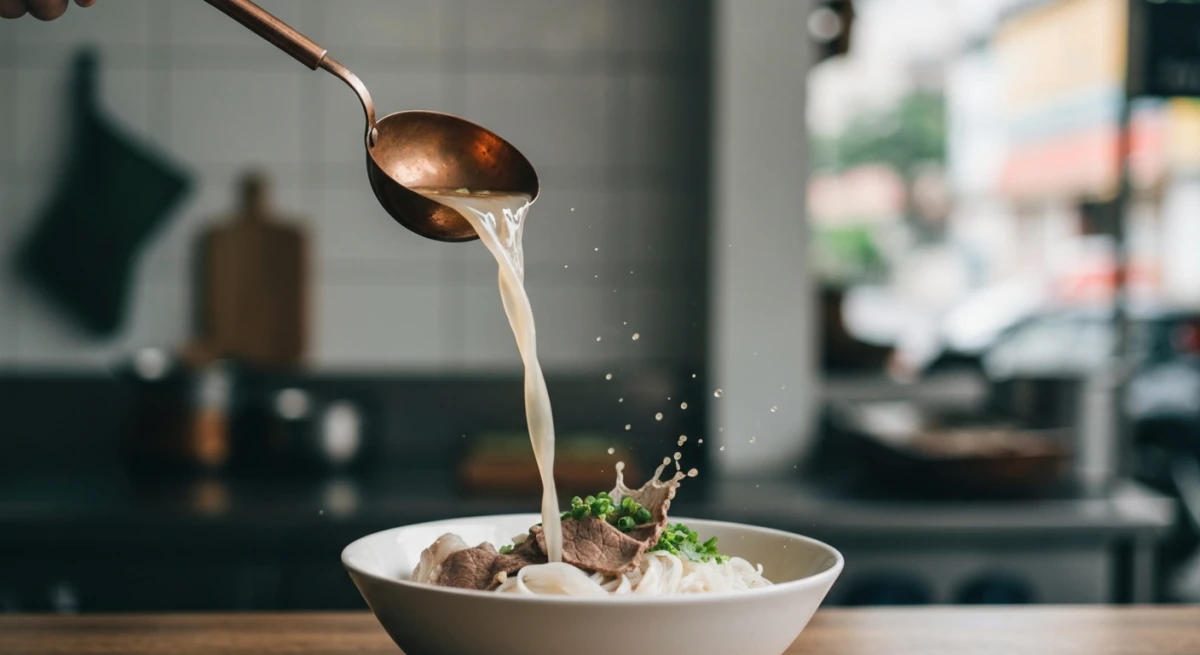
Strolling through the labyrinthine streets of Hanoi’s Old Quarter, your senses are immediately greeted by a vivid, sensory-overload symphony. The rich, spiced steam of beef broth simmering on sidewalk stoves; the smoky, charred perfume of pork patties sizzling over open coals; the sweet, comforting scent of condensed milk and dark, roasted robusta coffee. Hanoi is not merely Vietnam’s capital—it is the culinary heartbeat of the nation. For food lovers, seeking out the best local food Hanoi has to offer is not just a vacation activity; it is a profound cultural pilgrimage.
But with thousands of street stalls, hidden alleyway joints, and legendary family-run eateries, where do you begin? While tourist-heavy guides often point you to the same three places, eating like a true Hanoian requires looking deeper. This masterclass Hanoi food guide will lead you through the city's must-try classics, dissect the subtle philosophy of Northern Vietnamese cuisine, share hidden local-approved spots, and arm you with the ultimate street food survival guide.
The Soul of Hanoian Cuisine: Understanding the Northern Flavor Profile
Hanoian cuisine is deeply tied to history, geography, and a collective appreciation for elegant restraint. To fully appreciate the best local food Hanoi serves up, you must first understand how it differs from the rest of Vietnam. Unlike the fiery, herb-heavy dishes of Central Vietnam or the sweet, sugar-laden broths of the South, Northern Vietnamese cuisine is characterized by its clean, balanced, and subtle flavors.
- Taste Profile: Hanoian flavors are subtle and balanced. Sugar is rarely used as a primary seasoning; sweetness is instead drawn naturally from simmered bones, fresh seafood, and root vegetables. The primary flavor enhancers are black pepper, fresh bird’s eye chilies, lime, and vinegar. Sourness is achieved through natural elements like Dracontomelon fruit (sấu) or tamarind.
- The Importance of Fresh Herbs: A plate of fresh herbs (rau sống) accompanies almost every meal. In Hanoi, you will find milder, highly aromatic herbs like perilla (lá tía tô), Vietnamese balm (kinh giới), dill (thìa là), and coriander (rau mùi), rather than the punchy, anise-heavy Thai basil common in the South.
- The Plastic Stool Philosophy: In Hanoi, the dining table isn’t a grand wooden surface; it’s a tiny, ankle-high plastic stool set directly on a bustling sidewalk. Motorbikes zoom past inches from your elbow, and the steam from the broth hits your face. This street-level dining is not a gimmick; it is an egalitarian tradition where corporate workers in tailored suits sit knee-to-knee with construction workers and backpackers, united by a love for a perfect bowl of noodles.
The Unmissable Classics: 8 Best Local Food Hanoi Specialties (With Exact Spots)
Now, let’s dive into the core culinary institutions of the capital. Here are the 8 absolute must-eat dishes, including where the locals go and how to order like a pro.
1. Phở Bò & Phở Gà (Traditional Beef and Chicken Noodle Soup)
Phở is synonymous with Vietnam, but Hanoi is its spiritual birthplace. Unlike Southern pho, which features a sweeter broth, thinner noodles, and a forest of fresh herbs, traditional Hanoian pho is minimalist. The focus is purely on the broth—a crystal-clear, deeply aromatic infusion of beef bones simmered for over 12 hours with star anise, cinnamon, black cardamom, coriander seeds, and charred ginger.
- Phở Gia Truyền Bát Đàn (49 Bát Đàn, Hoàn Kiếm): A legendary institution. There is almost always a queue of locals waiting for a bowl of phở tái nạm (rare and well-done beef). The broth is incredibly rich and comforting.
- Phở Khôi Hói (50 Hàng Vải, Hoàn Kiếm): Awarded a Michelin Bib Gourmand, this spot is famous for allowing you to choose specific cuts of beef, such as beef heel muscle or tendon, and customize your bowl exactly how you want it.
- Local Insider Tip: Do not dump hoisin sauce or sweet chili sauce into your bowl—this is considered a cardinal sin in Hanoi as it masks the delicate broth. Instead, add a small squeeze of fresh lime, a few slices of fresh red chili, or a spoonful of garlic vinegar. Always order a side of quẩy (deep-fried dough sticks) to dip into the broth until they are beautifully soft and saturated.
2. Bún Chả (Charcoal-Grilled Pork with Rice Vermicelli)
While Pho is the breakfast king, Bún Chả is the undisputed ruler of lunchtime. This dish features charcoal-grilled pork patties (chả viên) and caramelized pork belly slices (chả miếng) submerged in a warm, sweet-and-savory dipping sauce made of fish sauce, vinegar, sugar, and lime, garnished with crunchy green papaya and carrot pickles. It is served with a plate of fresh rice vermicelli noodles (bún) and a massive basket of fresh herbs.
- Bún Chả Hương Liên (24 Lê Văn Hưu, Hai Bà Trưng): Universally known as the "Obama Bun Cha" because President Barack Obama and chef Anthony Bourdain famously dined here in 2016. It is busy, but the pork is consistently smoky and tender. Order the "Combo Obama" which includes bun cha, a fried seafood spring roll, and a cold Hanoi beer.
- Bún Chả Đắc Kim (1 Hàng Mành, Hoàn Kiếm): A heavier, more intense version of the dish, famous for its generous portions and crispy nem cua bể (crab spring rolls).
- Local Insider Tip: Do not pour the sauce over your noodles. Instead, take a small bunch of vermicelli, dip it directly into the warm pork-and-broth bowl, grab a piece of pork and a few herbs with your chopsticks, and bring the whole flavorful bite to your mouth.
3. Bánh Mì (The Iconic Vietnamese Baguette & Variations)
While Saigon is famous for its massive, everything-stuffed baguettes, Hanoi’s Bánh Mì is often lighter, prioritizing a perfectly crispy crust and high-quality, savory fillings.
- Bánh Mì Mama (54 Lý Quốc Sư, Hoàn Kiếm): A fantastic street-side stall serving up incredibly fresh baguettes stuffed with rich paté, pork floss, cucumber, cilantro, and a signature chili sauce that packs a punch.
- Bánh Mì 25 (25 Hàng Cá, Hoàn Kiếm): Highly popular among travelers for its clean setup, diverse menu (including excellent vegetarian options), and consistently flaky bread.
- Bánh Mì Sốt Vang (Beef Stew Baguette): For a unique twist, head to Bánh Mì Trâm (252 Cửa Nam). Instead of a stuffed sandwich, you get a hot bowl of fragrant beef stew slow-cooked with red wine and warm spices, served with a crispy baguette for dipping.
4. Chả Cá Lăng (Turmeric Fish with Dill and Scallions)
Chả Cá is so revered in Hanoi that there is an entire street in the Old Quarter named after it (Phố Chả Cá). This interactive dish features chunks of firm, local river fish marinated in turmeric, galangal, and ginger. It is cooked tableside in a sizzling pan of oil, buried under mountain-loads of fresh dill and green scallions.
- Chả Cá Thăng Long (19-21-31 Đường Thành, Hoàn Kiếm): A highly recommended, clean, and incredibly consistent venue. The staff will help you cook the fish to perfection.
- Chả Cá Lã Vọng (14 Chả Cá, Hoàn Kiếm): The historic birthplace of the dish. While some find it touristy, eating in this century-old wooden house is a bucket-list experience.
- Local Insider Tip: In your small bowl, combine a handful of rice vermicelli, some roasted peanuts, fresh herbs, a piece of sizzling turmeric fish with the cooked dill, and a spoonful of mắm tôm (fermented shrimp paste whipped with lime juice and sugar until foamy). If the pungent smell of shrimp paste is too strong, you can easily substitute it with sweet-and-sour fish sauce (nước chấm).
5. Bún Riêu Cua (Crab and Tomato Noodle Soup)
Bún Riêu is a masterclass in complexity. The broth is made from a base of crushed freshwater paddy crabs and stewed tomatoes, giving it a vibrant red hue and a beautifully sweet, sour, and savory flavor. It is typically served with rice vermicelli, fried tofu blocks, a dollop of rich crab roe, and topped with split water spinach stems and banana blossom salad.
- Bún Riêu Cua Hàng Bạc (11 Hàng Bạc, Hoàn Kiếm): A tiny, unassuming shop where you can sit on the curb and slurp down one of the most balanced, comforting bowls in the city.
- Local Insider Tip: Add a small spoonful of shrimp paste and a squeeze of lime to elevate the crab flavor. The inclusion of shredded banana blossom is essential for a refreshing, crunchy contrast to the hot broth.
6. Bánh Cuốn (Steamed Rice Rolls)
For a light breakfast or a delicate night-time snack, Bánh Cuốn is unmatched. Paper-thin sheets of fermented rice batter are steamed on a stretched fabric screen, then quickly rolled with a savory filling of minced pork, wood-ear mushrooms, and shallots. It is brushed with shallot oil and served with a warm bowl of mild fish sauce, often topped with slices of chả lụa (Vietnamese pork sausage).
- Bếp Tuệ An (Hanoi Old Quarter): A lovely, family-run spot that makes silky, delicate rolls right before your eyes.
- Bánh Cuốn Bà Hoành (66 Tô Hiến Thành, Hai Bà Trưng): Famous for its rustic, slightly thicker rolls and incredible crispy fried shallots.
7. Nộm Thịt Bò Khô (Green Papaya Salad with Dried Beef)
This is the ultimate afternoon street snack. Crisp, shredded green papaya and carrots are tossed with heaps of fresh Vietnamese balm, mint, roasted peanuts, and dynamic strips of sweet-and-spicy dried beef jerky. The entire dish is bound together by a sweet, sour, and tangy soy-fish sauce dressing.
- Nộm Mai Nga (25 Hàm Long, Hoàn Kiếm): The gold standard for papaya salad in Hanoi. It is incredibly refreshing, spicy, and satisfyingly crunchy.
8. Cà Phê Trứng (Egg Coffee)
To finish your culinary tour, you must experience Hanoi's most famous drinkable dessert. Invented during the 1940s milk shortages, egg coffee consists of a rich, robust shot of Vietnamese dark robusta coffee topped with a thick, decadent froth made of egg yolks whipped with condensed milk and sugar. It tastes like a warm, liquid tiramisu.
- Cafe Giảng (39 Nguyễn Hữu Huân, Hoàn Kiếm): The birthplace of egg coffee, founded by Mr. Nguyen Giang in 1946. It is hidden down a narrow alleyway but is an absolute must-visit.
- Cafe Đinh (13 Đinh Tiên Hoàng, Hoàn Kiếm): Located on the second floor of an old French colonial building overlooking Hoan Kiem Lake, this spot is grittier, highly atmospheric, and popular with local artists and students.
Beyond the Tourist Track: Hidden Gems and Lesser-Known Dishes
If you want to step away from the major tourist hotspots and eat like a seasoned local resident, add these unique dishes to your itinerary:
- Bánh Mì Chảo (Sizzling Pan Bánh Mì): Instead of a portable sandwich, this dish is served on a screaming-hot iron skillet. It features a rich pate block, a sunny-side-up egg, sausage, and a savory tomato gravy. You rip off pieces of a warm baguette and dip them directly into the skillet.
- Where to go: Bánh Mì Chảo Cột Điện Quán (71 Đặng Văn Ngữ, Đống Đa).
- Phở Cuốn & Phở Chiên Phồng (Rolled & Puffed Pho): Located on the peaceful Ngũ Xã island near West Lake, these dishes are a creative modern spin on traditional pho ingredients. Phở Cuốn consists of wide, uncut sheets of rice noodles wrapped around stir-fried beef, garlic, and herbs. Phở Chiên Phồng consists of square pieces of noodle dough deep-fried until they puff up like crispy pillows, served under a mountain of saucy stir-fried beef and mustard greens.
- Where to go: Phở Cuốn Hương Mai (25 Ngũ Xã, Ba Đình).
- Xôi Xéo (Turmeric Sticky Rice with Mung Bean): A classic, heavy Hanoian breakfast. Glutinous rice is cooked with turmeric for a brilliant yellow color, topped with shaved mung bean paste, crispy fried shallots, and a drizzle of liquid lard.
- Where to go: Xôi Yến (35B Nguyễn Hữu Huân, Hoàn Kiếm).
The Hanoi Street Food Survival Guide: Etiquette, Payments, and Hygiene
Eating on the streets of Hanoi can feel intimidating for first-timers. Use this practical survival guide to navigate the local food scene with confidence:
- Deciphering the Signs:
- Hygiene Hacks: Always look for high turnover. A stall with a constant crowd of locals sitting on plastic stools guarantees that the ingredients are fresh and moving quickly. Check the broth: a boiling cauldron of soup is naturally sterilized. Wipe down your chopsticks and spoons with a paper napkin before eating—you will see locals do this routinely.
- Money and Payments: Cash is absolutely vital for street vendors. Keep small bills (10,000, 20,000, and 50,000 VND) handy, as vendors may not have change for 500,000 VND notes. However, many established street shops now display a QR code. You can use local digital wallets like MoMo or bank transfer apps if you have a local SIM card and account, but cash remains the most seamless and universally accepted option.
- Ordering Etiquette: Walk up, point to what you want (most street stalls only specialize in one or two dishes), and hold up fingers for the number of portions. Find an open plastic stool and sit down. The food will usually arrive within minutes. When you are finished, catch the server's eye and say "Tính tiền" (pronounced ting-tee-en) to ask for the bill.
Frequently Asked Questions (FAQ)
Is street food in Hanoi safe to eat?
Yes, Hanoi street food is generally very safe to eat. To avoid stomach issues, eat at stalls that are crowded with locals, indicating fresh ingredients and high turnover. Stick to cooked foods served steaming hot, and drink bottled or canned beverages. The ice used in most established Hanoi tourist areas is commercially made and safe, but you can request your drinks without ice (không đá) if you prefer to play it safe.
What is the average cost of a street food meal in Hanoi?
Street food in Hanoi is incredibly affordable. A bowl of Pho, Bun Cha, or Bun Rieu will typically cost between 30,000 to 70,000 VND ($1.20 to $3.00 USD). A Banh Mi costs around 25,000 to 45,000 VND ($1.00 to $1.80 USD), and an Egg Coffee is about 30,000 to 45,000 VND ($1.20 to $1.80 USD).
Are there vegetarian options for local food in Hanoi?
Yes! While Northern Vietnamese food is meat-centric, the vegetarian movement is strong due to Buddhist traditions. Look for the word "Chay" (which means vegetarian). You can find outstanding vegetarian versions of classic dishes at specialized spots, and places like Bánh Mì 25 offer dedicated vegan and vegetarian menus.
When is the best time of day to go street food hunting?
Different street foods rule different times of the day. Morning (6:00 AM to 9:00 AM) is the best time for fresh Pho and hot Banh Cuon. Lunchtime (11:30 AM to 1:30 PM) belongs to smoky Bun Cha. Late afternoon is perfect for snacks like Nom Thit Bo Kho or sweet desserts, while evenings are great for hot pots (lẩu) and street BBQ (đồ nướng).
Conclusion
Hanoi’s culinary landscape is a living, breathing tapestry of history, resilience, and balance. By venturing beyond the standard tourist establishments and pulling up a tiny plastic stool on the sidewalk, you unlock the true character of this ancient city. From the delicate, slow-simmered broth of a morning Pho to the smoky, interactive experience of a sizzling plate of Cha Ca, the best local food Hanoi offers is an experience that will stay with you long after you fly home. Pack your appetite, leave your dining expectations at the door, and dive headfirst into one of the world's most spectacular culinary adventures.