To truly understand Ho Chi Minh City—still affectionately referred to by locals as "Saigon"—you must eat your way through it. The sensory experience of this Southern metropolis is intimately tied to its streets. It is the fragrant smoke of sweet, marinated pork grilling over open charcoal; the clinking of ice cubes in tall glasses of robust coffee; and the high-pitched hum of millions of motorbikes navigating the traffic. If you are looking to uncover the absolute best local food ho chi minh has to offer, you must step away from the sanitized hotel buffets and pull up a tiny plastic stool on a crowded pavement.
In this ultimate culinary guide, we will dive deep into Saigon’s legendary street food culture, exploring everything from the smoky broken rice plates of early morning to the late-night snail feasts washed down with local beer. We will bypass the generic tourist traps to highlight the authentic local institutions, including historic family-run stalls and Michelin-recognized street vendors, while providing practical survival tips to help you eat like a seasoned local.
1. The Soul of Saigon’s Culinary Identity
To appreciate the best local food ho chi minh serves, it helps to understand how the city's cuisine differs from other regions of Vietnam. While the food in Northern Hanoi is celebrated for its purity, subtle seasoning, and strict adherence to centuries-old culinary traditions, Saigon's food is bold, sweet, herbaceous, and unapologetically multicultural.
The flavor profile of the South is heavily shaped by its tropical climate and history of immigration. Thanks to the fertile Mekong Delta, southern cooking makes generous use of fresh coconut water, palm sugar, and an abundant variety of raw herbs. Saigon’s dishes lean noticeably sweeter than their northern counterparts, and chili is used with far more enthusiasm.
Furthermore, Saigon has always been a cultural melting pot. Over the centuries, the city has absorbed and adapted culinary influences from diverse communities:
- The Chinese Diaspora: Centered in District 5 (Chợ Lớn), Chinese immigrants introduced wok-tossing techniques, rich braises, and noodle varieties like hủ tiếu.
- The Khmer Neighbors: Cambodian influences brought earthy fermented fish pastes and a preference for complex, sour-savory flavor profiles.
- The French Colonial Era: This period left an indelible mark on the local food scene, giving rise to the Vietnamese baguette (bánh mì), beef stews (bò kho), liver pâté, and the sizzling cast-iron steak culture of bò né.
As a result, Saigon's food scene is kinetic and ever-evolving, offering a thrilling playground of sweet, sour, salty, and spicy notes.
2. The Breakfast and Lunch Classics You Must Try
For locals, breakfast and lunch are not merely quick pauses in the day; they are culinary rituals. If you want to experience the best local food ho chi minh style, start your day with these three legendary classics.
Cơm Tấm (Broken Rice)
Historically, cơm tấm was a humble peasant food. During the rice milling process, fractured and broken grains of rice were deemed unsellable and kept by the farmers for their own consumption. Over the decades, Saigonese cooks transformed this "waste" product into the city's most iconic dish. Broken rice has a unique, dry, and slightly fluffy texture that absorbs savory marinades and scallion oil beautifully.
A classic plate of cơm tấm sườn nướng features a sweet-savory charcoal-grilled pork chop marinated in lemongrass, garlic, and honey. It is accompanied by chả trứng (a savory steamed egg custard layered with minced pork and wood-ear mushrooms), bì (thinly shredded pork skin tossed in toasted rice powder), a fried egg with a runny yolk, a generous spoonful of scallion oil ("mỡ hành"), and a side of pickled daikon and carrot. The entire dish is tied together by a sweet-and-spicy garlic-chili fish sauce ("nước mắm ngọt").
- Cơm Tấm Ba Ghiền (84 Đặng Văn Ngữ, Phú Nhuận District): A legendary institution awarded a Michelin Bib Gourmand. They are famous for their colossal, thick-cut pork chop that literally hangs off the plate, deeply caramelized and infused with smoky charcoal flavor.
- Cơm Tấm Hồng Calmette (259 Calmette, District 1): Located right in the heart of the city, this spot offers a refined, perfectly balanced plate. The broken rice here is incredibly fluffy, and the sweet-savory glaze on the pork chop is second to none.
Bánh Mì
While you can find bánh mì all over Vietnam, Saigon’s version is the ultimate expression of the sandwich. Southern bánh mì is distinguished by its size, crispy crust, and incredibly generous fillings. It is a masterpiece of textures and temperatures.
The standard bánh mì thịt nguội (cold cut baguette) is sliced open and spread with a rich layer of house-made French-style pork liver pâté and a decadent spread of egg-yolk mayonnaise. It is then stuffed with various pork cold cuts (including chả lụa or Vietnamese ham and red-skinned jambon), savory pork floss, crisp cucumber spears, pickled white radish and carrots, fresh cilantro, and a fiery drizzle of bird’s eye chili.
- Bánh Mì Huỳnh Hoa (26 Lê Thị Riêng, District 1): Known as the "heavyweight champion" of Saigon sandwich stalls. This place is famous for its massive, multi-layered sandwich packed with nearly a pound of meat and incredibly rich, creamy pâté. It is so large that most travelers share one, and the long queue outside is a testament to its legendary status.
- Bánh Mì Hồng Hoa (54 Nguyễn Văn Tráng, District 1): For those who prefer a lighter, more balanced, but equally delicious bite. Their baguettes are baked fresh on-site throughout the day, ensuring a hot, shatteringly crisp crust with a soft, pillowy interior.
Bò Né (Sizzling Steak and Eggs)
Saigon’s answer to the classic Western steak breakfast, bò né literally translates to "avoiding beef" because of the way the grease splatters when the dish is served.
Thin strips of marinated beef, a sunny-side-up egg, a thick slice of creamy liver pâté, and sometimes a small pork meatball (xíu mại) are served on a scorching, cow-shaped cast-iron skillet bubbling with melted butter and onions. It arrives at your table sizzling violently. You eat it by tearing chunks of fresh, warm baguette and dipping them directly into the runny egg yolk, creamy pâté, and savory, caramelized meat juices.
- Bò Né Lệ Hồng (489/29/20 Huỳnh Văn Bánh, Phú Nhuận District): Hidden away in a narrow alley, this iconic neighborhood joint has been serving some of the most tender, flavorful sizzling beef in Saigon for decades. The marination is perfectly sweet and savory, and the energetic, fast-paced atmosphere is pure Saigon.
3. The Ultimate Noodle and Rice Paper Masterpieces
No culinary journey through Ho Chi Minh City is complete without diving headfirst into its rich noodle culture. Here are the essential noodle and savory wrap dishes that define the local palate.
Southern-Style Phở
If you have only eaten phở in northern Vietnam, you might be surprised by the Southern version. While northern phở is characterized by its clear, delicate broth and minimalist toppings, Southern-style phở is a robust, complex affair.
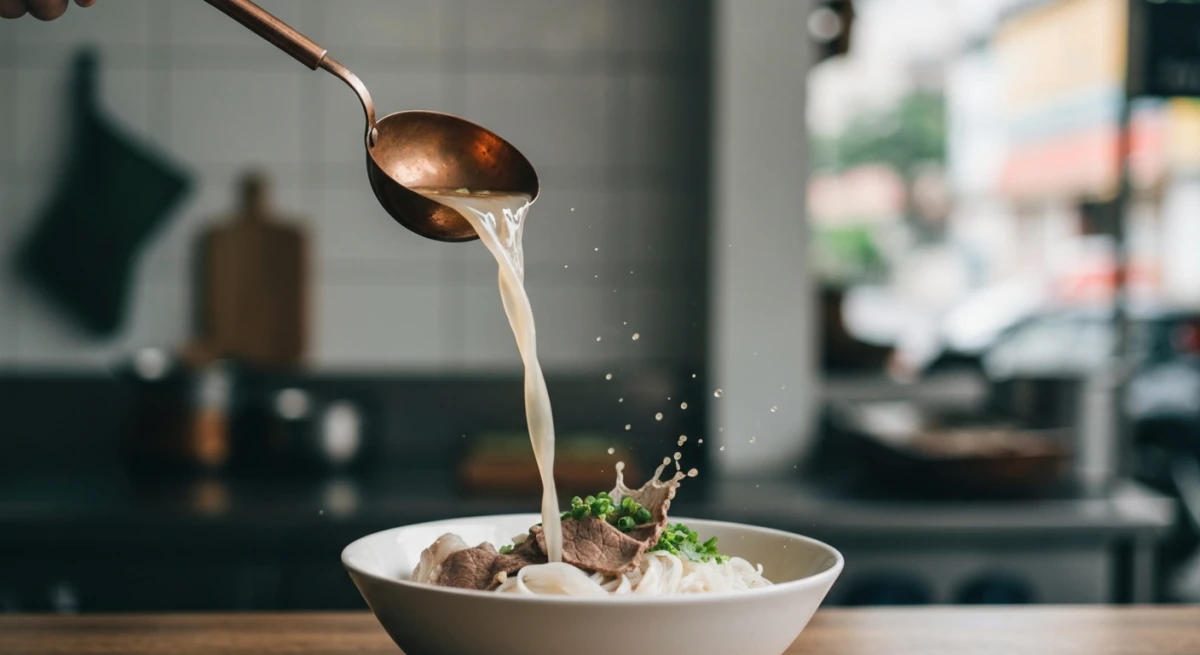
The broth is darker, slightly sweeter, and intensely fragrant, simmered for over 24 hours with beef bones, charred onions, ginger, cinnamon, star anise, and cloves. The noodles are slightly thinner and chewier. Most importantly, it is served with an absolute mountain of fresh greens: Thai basil, culantro, rice paddy herb, bean sprouts, and lime wedges. Diners are encouraged to customize their bowl, pulling herbs directly into the broth and adding generous squeezes of sweet hoisin sauce and spicy sriracha.
- Phở Lệ (413-415 Nguyễn Trãi, District 5): A Michelin Bib Gourmand winner located in Saigon’s Chinatown. Their broth is deeply rich, full-bodied, and slightly sweet, packed with high-quality cuts of rare beef, brisket, and springy beef balls (bò viên).
- Phở Hòa Pasteur (260C Pasteur, District 3): One of the oldest and most famous pho restaurants in the city. The tables are always piled high with fresh herbs and plates of quẩy (crispy, fried dough sticks) perfect for dunking into the steaming soup.
Bún Thịt Nướng (Grilled Pork Vermicelli)
For many food lovers, bún thịt nướng is the perfect Vietnamese noodle dish because of its incredible contrast of textures and temperatures.
At the bottom of the bowl sits a bed of cold, silky rice vermicelli noodles, shredded lettuce, fresh herbs, and sliced cucumber. This is topped with hot, smoky charcoal-grilled pork marinated in lemongrass and garlic, crispy fried spring rolls (chả giò), a spoonful of scallion oil, roasted peanuts, and tangy pickled carrots. The entire bowl is then drenched in a sweet-and-sour garlic-chili fish sauce, creating a harmonious bite that is fresh, savory, crunchy, and smoky all at once.
- Bún Thịt Nướng Chị Tuyền (195 Cô Giang, District 1): A Michelin Selected favorite that draws crowds daily. Their grilled pork is exceptionally tender with a pronounced lemongrass aroma, and their spring rolls are fried to blistered, golden perfection.
Hủ Tiếu Nam Vang (Phnom Penh Noodle Soup)
Hủ tiếu Nam Vang is a beautiful testament to Saigon’s multicultural heritage. Originating in Cambodia (Nam Vang is the Vietnamese name for Phnom Penh) and refined by Chinese immigrants, it has become one of Saigon’s most beloved comfort foods.
The dish features thin, chewy tapioca noodles in a light, sweet pork-bone broth. It is loaded with a variety of toppings, including sliced pork, minced pork, whole shrimp, quail eggs, and liver. You can order it nước (wet, with the broth in the bowl) or khô (dry, where the noodles are tossed in a rich, sweet-savory soy sauce blend and served with a bowl of hot broth on the side).
- Hủ Tiếu Nhân Quán (122D Cách Mạng Tháng Tám, District 3): This local favorite is famous for its exceptionally clean, sweet broth and pristine seafood toppings. It is open late, making it a perfect spot for a post-midnight noodle craving.
Bánh Xèo (Sizzling Crispy Crepes)
Bánh xèo literally translates to "sizzling cake," named after the sound the rice batter makes when poured onto a roaring hot skillet. These giant, crispy, golden crepes are colored with turmeric and enriched with coconut milk, stuffed with pork belly, shrimp, and bean sprouts.
Eating bánh xèo is an active, hands-on experience. You tear off a piece of the crispy crepe, wrap it inside a large mustard green or lettuce leaf alongside fresh herbs like mint and Thai basil, roll it all up tightly, and dip it into a sweet-and-sour fish sauce.
- Bánh Xèo 46A (46A Đinh Công Tráng, District 1): Made famous by legendary travel chefs, this open-air restaurant cooks their massive crepes over intense wood charcoal fires. The result is an incredibly thin crepe with shatteringly crisp edges and a wonderful smoky aroma.
4. Late-Night Rituals: Snails, Betel Leaves, and Claypot Coffee
When the sun sets and the tropical heat of the day begins to subside, Saigon truly comes alive. Finding the best local food ho chi minh has to offer after dark means immersing yourself in the city's vibrant evening social rituals.
Đi Ăn Ốc (The Saigon Snail and Seafood Culture)
In Saigon, eating snails (ốc) is not just about the food; it is a beloved social pastime known as đi ăn ốc. Groups of friends gather on low plastic stools along lively side streets, surrounded by towers of small plates featuring different varieties of sweet-water and sea snails, clams, scallops, and crabs.
The seafood is cooked to order in a mind-blowing variety of styles: stir-fried in rich garlic butter, coated in savory salted egg yolk sauce, steamed with fragrant lemongrass and ginger, or grilled over charcoal with green chili.
- Ốc Đào (212B/D28 Nguyễn Trãi, District 1): Tucked deep within a maze of alleys, this legendary spot is always packed. Be sure to order the ốc hương hoàng kim (sweet snail stir-fried in a rich, velvety salted egg yolk sauce) and ask for a fresh baguette to soak up every drop of the heavenly sauce.
Bò Lá Lốt (Grilled Beef in Wild Betel Leaves)
Bò lá lốt is one of the most aromatic and satisfying street foods in Saigon. Minced beef is mixed with garlic, lemongrass, and spices, wrapped tightly in green, heart-shaped wild betel leaves (lá lốt), and grilled over smoking charcoal.
As the leaves char, they release a distinctive, smoky, peppery herbal oil that infuses the tender beef inside. You place the grilled beef wraps onto rice paper, add sheet-like rice vermicelli (bánh hỏi), raw herbs, sliced green bananas, and starfruit, roll it all up, and dip it into mắm nêm—a wonderfully pungent, sweet-and-sour fermented anchovy dipping sauce.
- Bò Lá Lốt Cô Liêng (321 Võ Văn Tần, District 3): Serving Saigon since 1995, this Michelin Selected spot is highly acclaimed. The beef rolls are plump and juicy, and their homemade mắm nêm is perfectly balanced with pineapple and chili to temper the funkiness of the fermented fish.
Cà Phê Sữa Đá (Iced Sweetened Condensed Milk Coffee)
No culinary guide to Ho Chi Minh City is complete without its liquid fuel. Cà phê sữa đá is the absolute soul of Saigon. Strong, dark, chocolatey robusta beans are brewed using a traditional metal drip filter (phin). The rich coffee drips slowly directly onto a thick layer of sweet condensed milk, which is then vigorously stirred with ice to create a refreshing, incredibly sweet, and intensely caffeinated elixir.
- Cafe Cheo Leo (109-36 Nguyễn Thiện Thuật, District 3): Operating since 1938, Cheo Leo is Saigon’s oldest existing cafe. It preserves the historic cà phê vợt (stocking coffee) method, where coffee is brewed in traditional clay pots and filtered through cloth strainers over a charcoal stove, producing an exceptionally smooth, velvety cup of coffee.
5. Street Food Safety and Etiquette: A Practical Guide
Eating on the streets of Ho Chi Minh City is incredibly rewarding, but it can be intimidating for first-time visitors. Follow this practical guide to eat safely and navigate the local street food scene like a pro.
The Ice Rule (Tube vs. Block)
Many travelers avoid iced drinks out of fear of getting sick. In Saigon, you generally do not need to worry if you look at the ice shape.
- Tube Ice (Safe): If the ice in your drink is in the shape of a hollow cylinder with a hole through the middle, it was produced in a commercial ice factory using purified water. It is perfectly safe to consume.
- Block Ice (Avoid): Avoid shaved or crushed ice that has been chipped from large blocks of ice. These large blocks are often transported on the backs of motorbikes and can be exposed to road dust during transit.
Follow the Crowds (Turnover is Key)
The golden rule of street food safety is simple: look for the crowds. A stall packed with local families and young people is the best guarantee of quality and safety. High customer turnover means that ingredients are fresh and do not sit out in the tropical heat; they are cooked and served almost immediately.
Stick to Boiling Broths
If you have a particularly sensitive stomach but still want to dive into the street food culture, stick to noodle soups like phở or hủ tiếu. The huge pots of broth at these stalls are kept at a rolling boil all day long, which naturally sterilizes the ingredients.
Don't Fear the "Floor Trash"
In traditional, busy street food stalls in Vietnam, it is customary to throw used paper napkins, lime wedges, and peanut shells directly onto the floor beneath your table. The staff sweeps up the floor between seatings. While this may look messy to Western eyes, it is actually a sign of a high-volume, authentic local spot.
Keep Small Cash Handy
Most street food vendors do not accept credit cards, and they will struggle to give change for a 500,000 VND ($20 USD) note if your meal only costs 30,000 VND ($1.20 USD). Always keep a stack of smaller notes—such as 10,000, 20,000, and 50,000 VND bills—handy in your pocket for easy transactions.
6. Frequently Asked Questions
What is the average cost of a local meal in Ho Chi Minh City?
Street food in Saigon is exceptionally budget-friendly. A typical bowl of noodle soup (phở or hủ tiếu), a plate of broken rice (cơm tấm), or a bánh mì generally costs between 30,000 and 70,000 VND (approximately $1.20 to $3.00 USD). Even Michelin-recognized street food stalls rarely charge more than 100,000 VND ($4.00 USD) for a massive, satisfying meal.
Is street food in Ho Chi Minh City safe to eat?
Yes, street food in Saigon is highly safe, provided you use basic common sense. Stick to stalls with high turnover, drink bottled water, ensure your ice is commercially made tube ice, and look for vendors who prepare their dishes fresh to order.
Where is the best district for local food in Saigon?
While District 1 has many excellent and highly accessible food spots, venturing into neighboring districts yields the most rewarding culinary adventures. District 3 is fantastic for hidden alleyway eateries; District 4 is legendary for street seafood and snail stalls; and District 5 (Chợ Lớn) is the undisputed capital for Chinese-Vietnamese fusion and noodle soups.
What is the best local food ho chi minh style dish for beginners?
If you are new to Vietnamese street food, Bún Thịt Nướng (Grilled Pork Vermicelli) is the perfect entry point. It has a beautiful, fresh, and universally appealing flavor profile with no challenging textures or pungent ingredients. Bánh Mì is also an incredibly familiar and delicious option to start your culinary journey.
Conclusion
Eating the best local food ho chi minh has to offer is far more than a way to fill your stomach—it is an immersion into the history, culture, and relentless energy of Saigon. Each plastic stool represents an open invitation to slow down, connect with the locals, and experience flavors that have been perfected over generations. Do not be afraid of the noise, the humidity, or the language barrier. Step onto the pavement, follow the fragrant trail of grilling pork, and prepare yourself for some of the most memorable meals of your life.