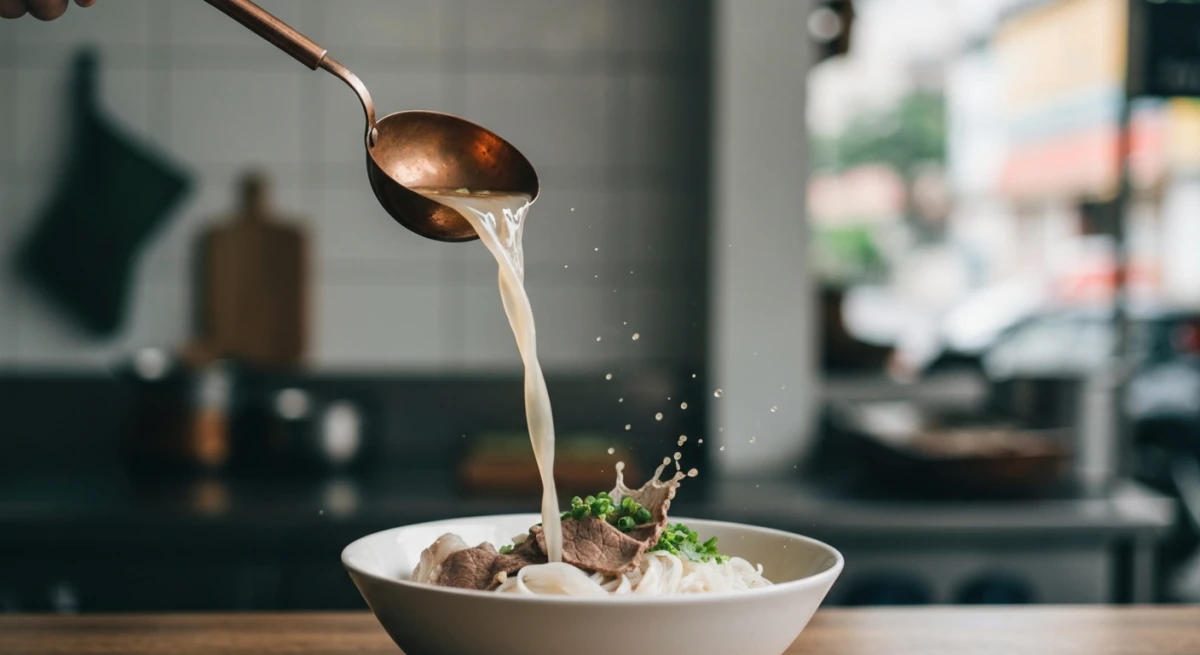
If you think you know Vietnamese cuisine because you have tried a steaming bowl of pho in Hanoi or a crispy banh mi in Ho Chi Minh City, prepare to have your culinary perspective completely transformed. Welcome to Da Nang—the undisputed capital of Central Vietnamese street food. Situated between the royal heritage of Hue to the north and the ancient trading port of Hoi An to the south, Da Nang has synthesized these regional influences into a coastal food culture that is entirely its own. From rich, peanut-drenched dipping sauces to springy jellyfish-topped noodles, searching for the best street food danang offers is a journey of textures, fire, and fresh sea air.
In this comprehensive guide, we will dive deep into the sensory overload that is Da Nang's street-side dining. We will skip the generic, tourist-trap recommendations and show you exactly where the locals go, how to eat like a native, and even which unassuming street stalls have earned prestigious Michelin recognition. Pull up a tiny plastic stool, grab your chopsticks, and let's explore the best street food danang has waiting for you.
Beyond the Beach: What Makes Da Nang's Street Food Scene So Legendary?
Before you dive headfirst into the street stalls, it helps to understand what makes Da Nang's food culture so distinct from the rest of Vietnam. In Hanoi, the flavors lean towards the delicate, balanced, and subtle. In Ho Chi Minh City, sweetness and a wealth of fresh herbs dominate. But in Central Vietnam, the food is punchy, unapologetically bold, and incredibly complex. Historically, the central region faced harsher weather and poorer soil, forcing locals to become culinary masters of resourcefulness—coaxing massive flavors out of simple, hyper-local ingredients.
Three pillars define Da Nang's street food scene:
- The Ocean as a Pantry: Because the city sits right on the coastline, seafood is not a luxury; it is a daily staple. Even the simplest noodle soups feature broths simmered with fresh ocean fish, crab paste, or dried shrimp.
- The Funky Masterpiece of Mam Nem: While southern and northern cuisines rely heavily on clear, sweet fish sauce (nuoc mam), Da Nang's soul lies in mam nem. This is a thick, unrefined, fermented anchovy sauce seasoned with minced pineapple, garlic, chili, and lime. It is pungent, intensely savory, and acts as the flavor backbone for some of the city's most legendary street dishes.
- Texture Contrasts: Da Nang street food is a masterclass in mouthfeel. A typical bite combines something soft and steamed (like rice cakes) with something ultra-crispy (like toasted sesame rice crackers or deep-fried pork rinds), balanced by a mountain of fresh, crisp herbs.
When you eat the best street food danang has to offer, you aren't just sitting down for a meal; you are participating in a multi-textured, highly interactive ritual. Many dishes require you to wrap, roll, rip, and dip the food yourself, making the act of eating just as exciting as the flavors.
The Ultimate Da Nang Street Food Checklist (And Where to Eat Them)
To help you navigate the bustling alleys and smoking sidewalk grills of the city, here is the definitive checklist of must-try street foods, complete with local-approved street addresses.
1. My Quang (Quang-Style Noodles)
If Da Nang had an official culinary ambassador, it would be My Quang. Originating from the surrounding Quang Nam province, this dish is completely unique in the Vietnamese noodle pantheon. Unlike pho, which is submerged in a clear broth, My Quang is a 'dry' noodle dish. It features wide, flat rice noodles—often colored a beautiful golden-yellow with turmeric—nestled in a bowl with just a ladleful of highly concentrated, savory broth. This broth is intensely flavorful, simmered for hours with pork bones, shrimp, and shallots.
The noodles are topped with a variety of proteins, traditionally pork belly, whole shrimp, and quail eggs. It is then finished with a shower of toasted peanuts, chopped scallions, and the essential banh trang nuong (a thick, toasted sesame rice cracker).
- How to Eat It: Do not eat it immediately! First, break the sesame rice cracker into bite-sized shards and drop them into the bowl. Toss the noodles, crackers, and the mountain of accompanying fresh greens (which must include shredded banana blossom, mint, and baby mustard greens) together so the rich broth coats every single element. Squeeze in a bit of lime and add fresh green chilies for an authentic central kick.
- Where to Eat It:
- My Quang Sua Hong Van: 59 Le Hong Phong, Hai Chau District. Famous for its unique jellyfish (sua) variant, which adds a clean, bouncy texture to the savory bowl.
- My Quang 1A: 1A Hai Phong, Hai Chau District. A historic spot serving excellent traditional pork and shrimp varieties.
2. Banh Xeo & Nem Lui (Sizzling Crepes & Grilled Pork Skewers)
Though you can find banh xeo across Vietnam, Da Nang's style is distinct. Here, the 'sizzling crepes' are smaller, thicker, and fried to an extreme crisp in small, cast-iron pans. The batter, made of rice flour, turmeric, and coconut milk, bubbles up and surrounds a filling of pork, small creek shrimp, and bean sprouts.
Banh xeo is almost always ordered alongside nem lui—savory skewers of minced pork, garlic, and spices wrapped around lemongrass stalks and grilled over glowing charcoal until smoky and caramelized.
- How to Eat It: This is where your table skills are tested. Take a sheet of dry, paper-thin rice paper. Lay down a handful of lettuce, mint, and perilla leaves. Rip off a piece of the crispy banh xeo and place it on top. Slide the savory pork from a nem lui skewer off its lemongrass stalk and place it next to the crepe. Add thin slices of green banana and sour star fruit (essential for cutting through the richness). Roll the entire package into a tight cylinder, dip it deep into the warm, thick peanut-and-pork-liver dipping sauce (tuong dau phong), and take a bite.
- Where to Eat It:
- Banh Xeo Ba Duong: K280/23 Hoang Dieu, Hai Chau District. Located at the end of a very narrow, highly atmospheric alleyway, this is the undisputed legend of Da Nang crepes.
- Banh Xeo 76: 85A Le Van Huu, Ngu Hanh Son District. Recently recognized by the Michelin Guide, offering pristine ingredients and incredible charcoal-grilled pork rolls.
3. Bun Mam Nem (Vermicelli with Fermented Anchovy Sauce)
For those who love bold, unapologetic flavors, bun mam nem is the ultimate street food high. This dry noodle salad features cold rice vermicelli (bun) topped with crispy-skinned roast pork (heo quay), boiled pork, or tender beef. It is layered with fresh herbs, shredded green papaya, roasted peanuts, and crispy fried shallots.
The star of the show, however, is the generous pour of spicy, garlicky, pineapple-infused mam nem. It has a pungent aroma that might intimidate beginners, but one bite of the crispy pork paired with the sweet, salty, and spicy fermented sauce will convert you instantly.
- How to Eat It: Toss everything thoroughly to ensure the thick sauce coats every strand of noodle. Be sure to ask for extra green chilies if you want to eat it like a true local.
- Where to Eat It:
- Bun Mam Co Lien: 52 Tran Binh Trong, Hai Chau District. A beloved local spot famous for its generous portions of crispy roast pork.
- Quan Ngoc: 20 Doan Thi Diem, Hai Chau District. Known for its perfectly balanced mam nem sauce.
4. Banh Trang Cuon Thit Heo (Pork Belly Rice Paper Rolls)
This dish is a masterclass in culinary simplicity. It consists of thin, succulent slices of boiled pork belly served alongside a forest of fresh herbs, cucumbers, green bananas, and soft rice paper. The key to the pork is that it must be 'thit heo hai dau da'—meaning the pork is cut in a way that each slice has a strip of skin and fat on both ends, which requires highly skilled butchery.
- How to Eat It: Lay a sheet of dry rice paper down, place a sheet of fresh steamed rice noodle (banh uot) on top of it, pile on a variety of fresh herbs (there are often up to 10 different types on the platter), add a slice of the pork belly, wrap it tightly, and dip it in seasoned mam nem.
- Where to Eat It:
- Quan Que Xua: 165-167 Nui Thanh, Hai Chau District. A Michelin-selected spot celebrated for its clean presentation and incredibly tender pork belly.
- Quan Mau: 35 Do Thuc Tinh, Cam Le District. An old-school institution that many locals consider the gold standard.
5. Bun Cha Ca (Fish Cake Noodle Soup)
If you want a lighter, broth-based meal, look no further than bun cha ca. This fish cake noodle soup is a breakfast favorite in Da Nang. The broth is naturally sweet, savory, and slightly tangy, made by simmering fish bones with pumpkin (bi do), fresh pineapple, cabbage, tomatoes, and bamboo shoots. It is colored a vibrant orange-red with natural annatto oil.
Inside the bowl, you will find generous pieces of both steamed and deep-fried fish cakes (cha ca), made from fresh mackerel or featherback fish, spiced with black pepper and dill.
- How to Eat It: Customize your bowl at the table by adding a small spoonful of pungent purple shrimp paste (mam ruoc), a squeeze of lime, and a heap of pickled onions and red chilies. Pair it with a side of raw split morning glory stems and herbs.
- Where to Eat It:
- Bun Cha Ca 109: 109 Nguyen Chi Thanh, Hai Chau District. Serving steaming bowls to locals for over 40 years.
- Bun Cha Ca Hon: 113/3 Nguyen Chi Thanh, Hai Chau District. Famous for its rich, flavorful broth and bouncy fish cakes.
6. Kem Bo (Avocado Ice Cream)
No street food tour is complete without dessert, and Da Nang's signature sweet treat is kem bo. It is a deceptively simple combination: a thick, rich base of freshly blended local avocado, topped with a scoop of sweet, house-made coconut ice cream, a drizzle of condensed milk, and a handful of toasted coconut flakes and crushed peanuts.
- How to Eat It: Use your spoon to mix the buttery, savory avocado with the sweet, creamy coconut ice cream. The contrast of the smooth fruit and the crunchy toasted coconut is pure heaven on a hot coastal evening.
- Where to Eat It:
- Kem Bo Co Van: Inside Cho Con (Con Market). This legendary food stall has been serving the best kem bo in the city for decades.
- Kem Bo Thien Thanh: 43 Le Duan, Hai Chau District. A great sit-down option with a wide variety of local fruit desserts.
7. Oc Hut (Sucked Snails)
If you want a true sensory and interactive local experience, look for a stall serving oc hut. These are small river snails or periwinkles stir-fried with vast amounts of lemongrass, ginger, garlic, and sliced red chilies. The heat is intense, but the savory-sweet-spicy sauce is absolutely addictive.
- How to Eat It: You do not use chopsticks here. Instead, pick up a snail and suck the seasoned meat directly from the shell (hence the name 'oc hut' or 'sucked snails'). Alternatively, use a small safety pin or toothpick to pry the tender morsel out. It is traditionally served with crispy rice crackers and crunchy strips of green papaya to help temper the fiery heat.
- Where to Eat It:
- Oc Hut Hanh: 277 Dong Da, Hai Chau District. A popular late-night hangout where locals gather to gossip, drink beers, and devour plates of spicy snails.
The Michelin Effect: Elite Da Nang Street Food Under $3
When the Michelin Guide expanded to Da Nang, it sent shockwaves through the local food scene. But instead of only honoring high-end resorts and modern fine-dining establishments, Michelin inspectors spent significant time on the streets, awarding several humble, family-run stalls with the prestigious Bib Gourmand (highlighting high-quality food at moderate prices) and Michelin Selected status.
Visiting these spots allows you to experience world-class, critically acclaimed food for the price of a cup of coffee. Here are the top Michelin-rated street food gems you cannot miss:
Quan Nhan (Duck Porridge)
- Address: 83 Phan Tu Street, My An Ward, Ngu Hanh Son District
- Status: Bib Gourmand Tucked away on a busy street near the university district, Quan Nhan is famous for its velvety chao vit (duck porridge). The owner sources a specific breed of free-range duck from nearby Cam Nam Island, known for its lean, sweet, and incredibly flavorful meat. The porridge is slow-simmered with rice, mung beans, and coix seeds in a rich duck broth, resulting in pure comfort in a bowl.
- Insider Tip: Don't just order the porridge. Get a plate of the poached duck or the zesty duck salad (goi vit), which is tossed with shredded cabbage, fresh herbs, banana blossom, and a fiery ginger fish sauce (nuoc mam gung).
Bun Bo Ba Roi
- Address: 5 Phan Thanh Tai, Binh Thuan, Hai Chau District
- Status: Bib Gourmand While bun bo (beef noodle soup) is famously associated with the nearby imperial city of Hue, Bun Bo Ba Roi serves a version that has captured the hearts of Da Nang locals since 2014. The family, who originally hails from Hue, simmers beef bones and knuckles overnight with lemongrass and Hue shrimp paste (mam ruoc) to create a deeply layered, umami-packed broth. They use medium-thick, slippery rice noodles and top the bowl with tender beef shank, homemade crab balls, and pork knuckles.
Banh Canh Yen
- Address: 253 Nguyen Hoang, Binh Hien Ward, Hai Chau District
- Status: Michelin Selected Banh canh is a thick, chewy noodle made from tapioca and rice flour, bearing a resemblance to Japanese udon. Banh Canh Yen specializes in a rich, savory snakehead fish (ca loc) version. The fish is carefully simmered, flaked, and seasoned before being added to a thick, starchy broth that clings to the bouncy noodles. It is comforting, rich, and deeply satisfying.
My Quang Sua Hong Van
- Address: 59 Le Hong Phong, Phuoc Ninh Ward, Hai Chau District
- Status: Bib Gourmand This spartan, open-front street stall has become a pilgrimage site for noodle lovers. While most My Quang spots focus on pork or chicken, Hong Van is famous for its jellyfish (sua) variant. The crunchy, translucent pieces of fresh jellyfish sit atop a bed of yellow turmeric noodles, bathed in a savory, orange-red shrimp broth. The contrast between the soft, warm noodles and the cold, crisp jellyfish is an absolute revelation.
Where the Streets Come Alive: Da Nang's Best Food Streets & Night Markets
If you prefer to wander and let your nose guide you, Da Nang has several concentrated 'food streets' and markets where you can sample dozens of different dishes in a single evening. Walking these streets offers a front-row seat to the city's vibrant, outdoor-centric social life.
1. Cho Con (Con Market)
Located at the corner of Ong Ich Khiem and Hung Vuong, Con Market is the beating heart of Da Nang's culinary scene. To experience the best of it, head straight to the indoor food court (Khu am thuc). Here, you will find neat rows of clean stalls, each run by a vendor specializing in a single dish. You can hop from stall to stall, sampling banh beo (steamed savory rice cakes in tiny cups), banh bot loc (chewy tapioca dumplings stuffed with shrimp and pork), nem tre (fermented pork wrapped in banana leaves), and sweet desserts.
- When to Go: 3:00 PM to 7:00 PM is prime time. Late in the afternoon, the outdoor alleyways around the market also fill up with vendors selling seasonal snacks.
2. Chau Thi Vinh Te Street
Located in the My An ward near the city's universities, this long, bustling street is a haven for budget-friendly eats. Because the clientele is largely local students, the prices here are incredibly low, and the energy is high. As you walk down the street, you'll pass smoking charcoal grills, tables spilling onto the sidewalks, and vendors doing one dish extremely well. It's the perfect place to try bot chien (crispy fried rice cakes with egg), grilled pork skewers, and refreshing fruit juices.
- When to Go: 5:00 PM to 10:00 PM.
3. Huynh Thuc Khang Street (The Breakfast Street)
If you are an early riser, make your way to Huynh Thuc Khang Street. The city of Da Nang officially designated this street as a local culinary hub, and it is completely dedicated to breakfast foods. From 6:00 AM to 11:00 AM, the street is packed with locals grabbing a quick bite before work. You can find everything from piping-hot bowls of My Quang and Bun Cha Ca to banh mi op la (fried eggs served in a sizzling pan with a warm baguette).
4. Helio Night Market
For travelers who want a cleaner, more modern, and highly energetic night market experience, Helio Night Market (located on 2/9 Street) is fantastic. It is extremely well-organized and clean, featuring hundreds of stalls serving local Da Nang street food, fresh seafood cooked to order, craft beer, and international street snacks. There is a large outdoor seating area with live music, making it a wonderful spot to spend a relaxed evening with friends or family.
- When to Go: 5:30 PM to 10:30 PM daily.
An Insider's Blueprint: How to Eat Street Food in Da Nang Like a Local
Eating on the streets of Vietnam can be intimidating for first-timers. To help you navigate the process smoothly and avoid any stomach troubles, here is an insider's blueprint for eating like a seasoned pro in Da Nang.
1. Decode the Sauce Table
When you sit down at a Da Nang street food stall, you will almost always find a tray of condiments on the table. Knowing how to use them is the key to unlocking the true potential of your meal:
- Nuoc mam toi ot (Garlic chili fish sauce): Sweet, tangy, and savory. Use this for dipping fried spring rolls, or spoon a little into your noodle broth.
- Mam nem (Fermented anchovy sauce): The dark, thick sauce. Pungent but delicious. Perfect for pork and noodle dishes.
- Ot sa te (Chili jam/paste): A sweet, smoky, and fiery chili paste fried in oil. A small spoonful adds incredible depth and heat to any noodle soup broth.
- Fresh lime wedges and green chilies: Squeeze lime into your soup to balance the salt, and take tiny bites of the green chilies between mouthfuls of noodles.
2. Street Food Hygiene and Safety Tips
Many travelers worry about getting sick from street food. However, by following a few simple rules, you can eat safely and confidently:
- Look for High Turnover: The best street food danang offers is always found at stalls with a crowd of locals. High turnover means the ingredients are fresh and haven't been sitting out.
- The Ice Rule: In Vietnam, ice is highly manufactured and generally safe. Look for 'da ong' (cylindrical ice with a hole in the middle). This is factory-made from purified water and is safe to drink. Avoid crushed ice, which is often chipped off larger blocks that may have been handled poorly during transport.
- Watch the Water: Stick to hot tea (tra da), which is made from boiled water, fresh sugarcane juice (nuoc mia), or bottled water.
- Sanitize Your Utensils: It is common practice in Vietnam to use a paper napkin to wipe down your chopsticks and spoon before eating. Most stalls have a box of napkins on the table for this exact purpose.
3. Essential Dining Vocabulary
Knowing just a few words of Vietnamese will bring a huge smile to the vendor's face and ensure you get exactly what you want:
- 'Khong cay' (pronounced khong kai): No spicy. Use this if you cannot handle heat, as Central Vietnamese food can be fiery.
- 'Tinh tien' (pronounced tinh tien): Bill, please.
- 'Mot to' (pronounced mot toh): One bowl of...
- 'Ngon qua' (pronounced ngon wah): Very delicious!
Frequently Asked Questions (FAQ)
What is the most famous street food in Da Nang?
My Quang is widely considered the most famous and iconic street food in Da Nang. It represents the culinary soul of the region, utilizing thick rice noodles, a highly concentrated savory broth, fresh local herbs, and toasted sesame crackers.
Is street food in Da Nang safe to eat?
Yes, street food in Da Nang is highly safe, provided you choose busy stalls with high customer turnover. The high volume of diners ensures that the food is freshly cooked and ingredients are replenished constantly. Stick to cooked foods served piping hot, and use factory-made ice (cylindrical ice with a hole).
How much does street food cost in Da Nang?
Da Nang is incredibly affordable. A typical bowl of noodles (like My Quang or Bun Cha Ca) costs between 30,000 to 50,000 VND ($1.20 to $2.00 USD). A plate of Banh Xeo or a serving of Kem Bo usually costs around 20,000 to 40,000 VND ($0.80 to $1.60 USD).
Where can I find the best street food at night in Da Nang?
For a lively, late-night street food crawl, head to Chau Thi Vinh Te Street (the university student street) or the Helio Night Market. Both areas are packed with food stalls that stay open until late in the evening.
What are some vegetarian street food options in Da Nang?
While Central Vietnamese cuisine is heavily meat- and seafood-focused, you can find excellent vegetarian street food. Look for stalls displaying the sign 'Quan Chay' (Vegetarian Eatery). You can enjoy vegetarian versions of My Quang (My Quang Chay), crispy crepes, and noodle soups made with mushrooms and tofu. The Michelin-selected restaurant Shamballa also offers an elevated vegetarian dining experience.
Ready to Feast? Your Da Nang Culinary Adventure Awaits
There is a saying among travelers in Vietnam: "Go to Hanoi for the sights, Ho Chi Minh City for the business, and Da Nang for the food." After spending a few days exploring the city's alleyways, markets, and beachfront stalls, you will understand exactly why.
Da Nang's street food scene is a beautiful reflection of its people: warm, bold, resourceful, and deeply connected to the land and sea. Whether you are tucking into a Michelin-starred bowl of duck porridge on Phan Tu Street or navigating the smoky, lively tables of Banh Xeo Ba Duong, you are experiencing a living culinary heritage that has been perfected over generations. Pack your sense of adventure, leave your formal wear behind, and go discover the best street food danang has to offer.