Hanoi is a city that breathes through its sidewalks. To truly understand Vietnam's capital, you must step away from white-tablecloth restaurants and embrace the dizzying sensory overload of the historic streets. Motorbikes weave past ancient French-colonial facades, the air is thick with the sweet aroma of charcoal-grilled pork, and the rhythmic clanging of ladles against giant metal stockpots serves as a permanent local soundtrack. If you are hunting for the best street food hanoi old quarter has to offer, you do not just need a list of eateries—you need a tactical map to navigate this living, breathing culinary labyrinth.
For generations, the Old Quarter has functioned as a hyper-dense epicenter of Northern Vietnamese cuisine. Here, the sidewalk is a communal dining room. Patrons sit shoulder-to-shoulder on low plastic stools, mere inches from buzzing traffic, diving into bowls of steaming noodles that have been perfected over decades. In this comprehensive, expert-authored guide, we go beyond the superficial tourist recommendations to show you the absolute best street food in Hanoi's Old Quarter. You will discover iconic culinary masterpieces, secret alleys hidden in plain sight, a step-by-step evening walking food route, and essential survival tips to dine safely like a seasoned local.
1. The Golden Five: Iconic Hanoi Street Food Masterpieces
To begin your culinary journey, you must first master the legendary dishes that define Hanoi's culinary identity. These five classics are non-negotiable experiences, each representing a complex balance of sweet, sour, salty, and spicy notes.
Phở Bò: The Spiritual Heart of Hanoian Broth
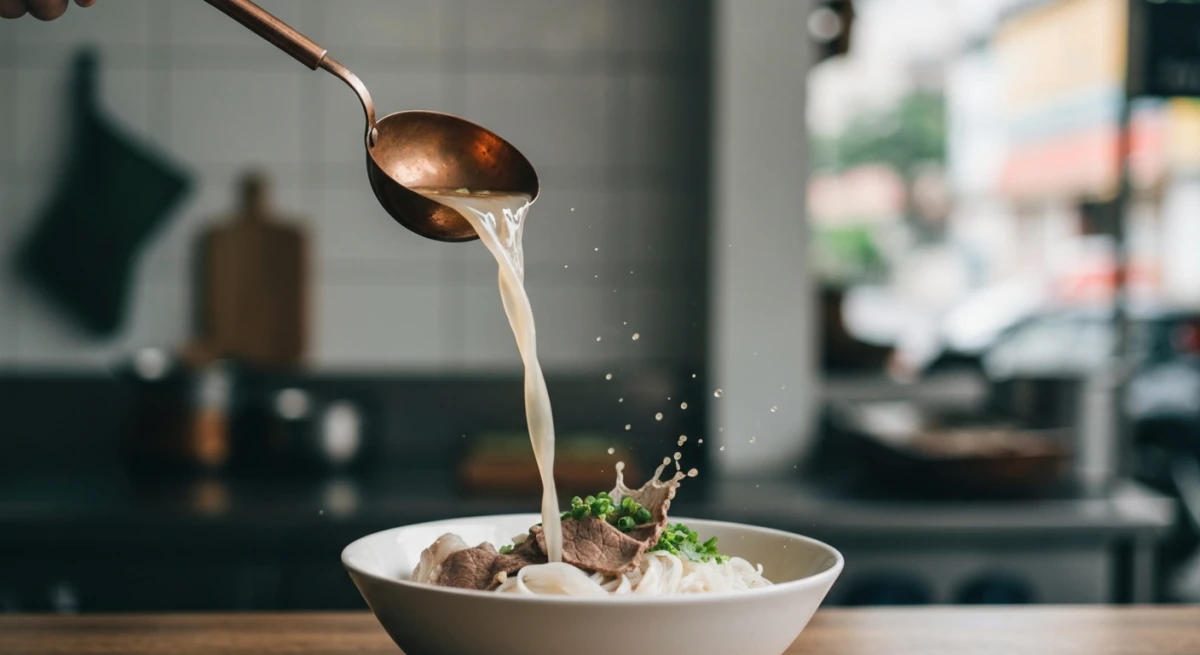
While Phở is celebrated globally, Northern Vietnamese Phở (Phở Bắc) is a distinct art form. Unlike its Southern counterpart, which features a sweeter broth, thick bean sprouts, and heavy hoisin sauce, Hanoian beef Phở is a study in minimalist elegance. The broth is clear, pristine, and deeply savory, cooked by simmering beef shinbones, charred ginger, toasted shallots, star anise, black cardamom, and cinnamon for up to 24 hours. The focus is entirely on the depth of the broth and the texture of the hand-cut flat rice noodles (bánh phở).
- How to eat it like a local: When your steaming bowl arrives, taste the broth first before adding any condiments. Then, squeeze a small wedge of fresh lime and add a splash of homemade garlic vinegar (giấm tỏi) and a few slices of fresh bird's eye chili. Order a side of quẩy (crispy, unsweetened fried dough sticks) to dip directly into the broth, letting them soak up the rich beef marrow flavors.
- Where to go:
- Phở Gia Truyền Bát Đàn (49 Bát Đàn Street, Hoàn Kiếm): A legendary institution operating for over half a century. Expect a queue during morning and evening rush hours. Walk up, order Phở Tái Nạm (rare beef and tender flank), pay first, and carry your own steaming bowl to a tiny wooden table. (Price: 55,000 to 75,000 VND / $2.20 - $3.00 USD).
- Phở Sướng (Trung Yên Alley, Hàng Bạc): Tucked away in a narrow corridor, this shop serves a richer, slightly sweeter broth with incredibly tender, premium cuts of beef. (Price: 60,000 to 80,000 VND / $2.40 - $3.20 USD).
Bún Chả: The Sizzling Charcoal Ritual
If Phở is Hanoi's morning soul, Bún Chả is its midday obsession. This dish consists of charcoal-grilled pork belly slices (chả miếng) and seasoned minced pork patties (chả viên) submerged in a warm, light dipping broth made from fish sauce, vinegar, sugar, and lime. The broth is crowded with crunchy, pickled green papaya and carrot slices. It is served alongside a generous plate of cold rice vermicelli noodles (bún) and a mountain of fresh herbs, including purple perilla, Vietnamese balm, and mint.
- How to eat it like a local: Grab a small bunch of vermicelli noodles, dunk them directly into the warm pork-infused dipping broth, add a handful of fresh herbs, and eat everything together in one glorious, smoky bite.
- Where to go:
- Bún Chả Ta (21 Nguyễn Hữu Huân Street, Hoàn Kiếm): This Michelin-recommended spot elevates the humble street food experience across multiple narrow floors. Their dipping sauce is exceptionally balanced, and they offer phenomenal crispy crab spring rolls (Nem Cua Bể) as a side. (Price: 60,000 to 95,000 VND / $2.40 - $3.80 USD).
- Bún Chả Đắc Kim (1 Hàng Mành Street, Hoàn Kiếm): An iconic, bustling corner stall famous for its massive, heavy portions and incredibly rich, fatty grilled pork. It is highly satisfying but best saved for when you have a massive appetite. (Price: 70,000 to 90,000 VND / $2.80 - $3.60 USD).
Bánh Mì: The French-Vietnamese Culinary Fusion
The Vietnamese baguette is a testament to cultural adaptation. Introduced by the French, Hanoians lightened the heavy wheat crust by incorporating rice flour, creating a wafer-thin, shatteringly crisp exterior and an airy, pillowy crumb. In the Old Quarter, a classic Bánh Mì is not overloaded with raw vegetables like in the south; instead, it is a savory, meat-centric masterpiece. It is layered with rich pork liver pâté, homemade egg yolk mayonnaise, headcheese, cured pork (chả lụa), a light sprinkling of cucumber, cilantro, and a signature streak of local chili sauce.
- How to eat it like a local: Eat it fresh and hot. The bread loses its signature crispness quickly in Hanoi's humid climate.
- Where to go:
- Bánh Mì 25 (25 Hàng Cá Street, Hoàn Kiếm): Widely popular with travelers for a reason. They serve meticulously clean, highly consistent Bánh Mì with fresh fillings, including excellent vegetarian and vegan options featuring stir-fried mushrooms and avocado. (Price: 30,000 to 45,000 VND / $1.20 - $1.80 USD).
- Bánh Mì Phố Cổ (38 Đinh Liệt Street, Hoàn Kiếm): A true local hidden gem. Their secret lies in the quality of their warm, intensely savory pork liver pâté and roasted char siu pork. (Price: 25,000 to 40,000 VND / $1.00 - $1.60 USD).
Bánh Cuốn: Silky Artistry in Motion
Watching Bánh Cuốn being made is as delightful as eating it. A ladle of fermented rice flour batter is poured onto a tightly stretched white cloth over a pot of boiling water. The chef spreads it into a paper-thin circle, covers it for 30 seconds to steam, and then uses a long bamboo stick to deftly lift the translucent sheet. It is stuffed with seasoned minced pork and minced wood ear mushrooms, rolled up, and sprinkled with golden, crispy fried shallots.
- How to eat it like a local: Dip the delicate rolls into a warm bowl of light fish sauce sweetened with sugar and tangy lime. Most locals order it with chả quế (cinnamon pork paste) or ask for a poached egg (trứng chần) cooked directly inside the delicate rice sheet.
- Where to go:
Cà Phê Trứng: Liquid Tiramisu Born of Necessity
While not strictly a street food, Egg Coffee (Cà Phê Trứng) is Hanoi's most iconic beverage. Created in 1946 by Nguyen Van Giang, a bartender at the Sofitel Legend Metropole hotel, the drink was born out of a severe milk shortage during the First Indochina War. Giang whisked egg yolks with sweetened condensed milk to create a thick, airy foam that perfectly mimicked steamed milk. Today, it is served in a small bowl of hot water to keep the coffee warm, layered over dark, bitter, robust Vietnamese Robusta espresso.
- How to eat it like a local: Do not stir the layers immediately! Use a small spoon to eat the sweet, custard-like egg foam first, then slowly drink the dark, bold coffee beneath through the thick cream.
- Where to go:
- Café Giảng (39 Nguyễn Hữu Huân Street, Hoàn Kiếm): The legendary birthplace of the drink. Walk down a long, narrow alleyway to find a hidden courtyard packed with low wooden tables and locals sipping hot egg coffee. (Price: 35,000 to 40,000 VND / $1.40 - $1.60 USD).
- Café Đinh (13 Đinh Tiên Hoàng Street, Hoàn Kiếm): Run by Giang's daughter, this rustic, second-story café overlooks Hoàn Kiếm Lake. It is incredibly atmospheric, filled with vintage music, local students, and a slightly more bitter, less sweet version of the classic brew. (Price: 30,000 VND / $1.20 USD).
2. Deep in the Ngõ: Secret Alleys Where True Foodies Gather
To find the absolute best street food in Hanoi's Old Quarter, you must look beyond the main thoroughfares. The real culinary treasures are hidden inside the ngõ—the historic, narrow alleys that run deep into the interior of the city blocks. These two alleys are legendary food havens that host some of the most authentic, budget-friendly stalls in the city.
Ngõ Trung Yên: The Alley of Fish and Duck
Tucked away off Đinh Liệt Street, Ngõ Trung Yên is a 200-meter-long corridor of culinary bliss. In the mornings, it operates as a micro-market, with vendors selling fresh herbs, poultry, and vegetables. By lunchtime, it transforms into an incredibly vibrant outdoor dining hall.
- Bún Cá Sâm Cây Si (5 Ngõ Trung Yên, Hàng Bạc): This stall is famous for its Bún Cá (fish noodle soup). It features a sweet, tangy broth made from fish bones, tomatoes, and dill. The soup is loaded with deep-fried, crispy chunks of freshwater fish and green vegetables. Do not miss their signature Cá Cuốn Thịt—pork paste wrapped inside a fish fillet, seasoned with dill, and fried to a perfect golden-brown. (Price: 45,000 to 55,000 VND / $1.80 - $2.20 USD).
- Bún Ngan Nhàn: Located further down the alley, this legendary, highly sought-after stall serves exquisite Bún Ngan (creole duck noodle soup). The broth, enriched with dried bamboo shoots and sweet duck meat, is incredibly deep and complex. Be prepared for long wait times, as locals flock here daily. (Price: 50,000 to 70,000 VND / $2.00 - $2.80 USD).
Ngõ Chợ Đồng Xuân: The Market Food Haven
Located immediately adjacent to the historic Đồng Xuân Market, this narrow, bustling alleyway is packed with food stalls that have been run by the same families for generations. It is arguably the most concentrated, high-quality cheap-eats corridor in the Old Quarter.
- Bún Ốc Thúy (Ms. Thuy's Snail Noodles): Operating for nearly 70 years in a tiny, 15-square-meter corner, Ms. Thuy serves a spectacular bowl of snail noodle soup. The broth is light, tart, and sour, featuring fermented rice vinegar (mẻ), tomatoes, and plump, perfectly cleaned freshwater paddy snails (ốc). It is served with shaved banana flower and fresh perilla leaves. (Price: 35,000 to 45,000 VND / $1.40 - $1.80 USD).
- Bánh Tôm Cô Ầm (Ms. Am's Shrimp Cakes): Located right at the entrance of the alley, this stall serves sizzling, crispy shrimp cakes. The batter is made from wheat flour, tapioca starch, eggs, turmeric, and julienned sweet potato, which adds a beautiful natural sweetness and crunch. Two fresh, whole head-on shrimp are pressed onto the batter before being deep-fried to perfection. Dip it in their tangy fish sauce paired with green papaya pickles. (Price: 15,000 to 25,000 VND / $0.60 - $1.00 USD per cake).
3. The Ultimate DIY Evening Food Crawl Route
If you want to experience the magic of Hanoi’s street food in a single evening, do not pay for an expensive guided tour. This curated, self-guided walking route covers five incredible culinary stops over a relaxed 2-hour period. It spans less than 1.5 kilometers, making it easy to navigate on foot.
[Start: 5:30 PM] Bánh Cuốn Thanh Vân (Hàng Gà)
        │ (Walk 5 mins / 350m down Hàng Phèn to Bát Đàn)
        ▼
[Stop 2: 6:15 PM] Phở Gia Truyền Bát Đàn (Bát Đàn)
        │ (Walk 8 mins / 600m east down Hàng Bồ to Đinh Liệt)
        ▼
[Stop 3: 7:00 PM] Bánh Mì Phố Cổ (Đinh Liệt)
        │ (Walk 1 min / 80m to Trung Yên Alley)
        ▼
[Stop 4: 7:30 PM] Bún Cá Sâm Cây Si (Trung Yên Alley)
        │ (Walk 5 mins / 400m east down Ngõ Gạch to Nguyễn Hữu Huân)
        ▼
[End: 8:15 PM] Café Giảng (Egg Coffee Dessert)
Stop 1: 5:30 PM — The Delicate Starter
Begin your evening at Bánh Cuốn Gia Truyền Thanh Vân (14 Hàng Gà Street). Order a single plate of pork and wood ear mushroom steamed rice rolls to share. This light, delicate dish is the perfect way to prime your palate without filling your stomach too quickly.
Stop 2: 6:15 PM — The Savory Masterpiece
Walk 5 minutes east down Hàng Phèn to Bát Đàn Street and join the queue at Phở Gia Truyền Bát Đàn (49 Bát Đàn Street). Order a bowl of Phở Tái (rare beef). Squeeze a fresh lime wedge, add a touch of garlic vinegar, and share this deeply comforting bowl of soup with your travel companion.
Stop 3: 7:00 PM — The Handheld Crunch
Head east down Hàng Bồ, crossing the heart of the Old Quarter until you reach Đinh Liệt Street. Stop at Bánh Mì Phố Cổ (38 Đinh Liệt) and grab a classic mixed meat Bánh Mì. The crispy crust and rich, warm pâté will provide a marvelous textural contrast to the soft noodles you enjoyed at the previous stops.
Stop 4: 7:30 PM — The Hidden Alley Delight
From the Bánh Mì shop, walk just 80 meters north and slip into the entrance of Ngõ Trung Yên Alley. Walk halfway down the corridor to Bún Cá Sâm Cây Si (5 Ngõ Trung Yên). Pull up a blue plastic stool and order a couple of their legendary Cá Cuốn Thịt (pork-stuffed fried fish rolls). They are crispy, incredibly savory, and serve as the perfect high-protein street snack.
Stop 5: 8:15 PM — The Liquid Dessert
Conclude your DIY food crawl by walking 5 minutes east down Ngõ Gạch, crossing through to Nguyễn Hữu Huân Street. Make your way to Café Giảng (39 Nguyễn Hữu Huân Street). Walk down the narrow lane and head upstairs. Order a hot, velvety Cà Phê Trứng (Egg Coffee) or a Cà Phê Trứng Đậu Xanh (Mung Bean Egg Coffee) to toast the end of a highly successful culinary adventure.
4. The Sidewalk Survival Guide: Etiquette, Hygiene, and Cash Hacks
Dining on the sidewalks of Hanoi's Old Quarter is an unforgettable experience, but it can be intimidating for first-time visitors. To navigate the streets like a seasoned professional, keep these five essential survival rules in mind:
1. Embrace the "Plastic Stool Culture"
Do not wait to be formally seated. When you arrive at a busy street food stall, look for an open stool and simply sit down. Space is at an absolute premium in the Old Quarter; do not be surprised if you are seated closely next to strangers. Embrace the cozy, communal energy.
2. Spot the "High Turnover" Green Flag
If you have a sensitive stomach, look for stalls with a high turnover of local diners. High-density crowds of Hanoians are the ultimate guarantee of fresh ingredients, clean food preparation, and rapid food rotation. Stalls that prepare only one or two specific dishes are generally much safer and higher quality than tourist-oriented spots with massive, multi-page menus.
3. Practice the Lime-and-Tissue Chopstick Hack
At nearly every street food table, you will find a small container of chopsticks, spoons, fresh limes, and a box of paper tissues. Before dining, grab a tissue, squeeze a few drops of fresh lime juice onto it, and thoroughly wipe down your chopsticks and spoons. The citric acid acts as a natural sanitizer.
4. Carry Small Cash Denominations (VND)
Cash is absolutely king on the streets of Hanoi. Credit cards are rarely accepted at informal sidewalk stalls. Always carry small Vietnamese Dong (VND) bills, specifically 10,000, 20,000, and 50,000 VND notes. If you try to pay for a 30,000 VND meal with a large 500,000 VND bill, the vendor may not have enough change, or you may cause unnecessary hassle. Break your large bills at convenience stores like Circle K before starting your food hunt.
5. Check for Printed Prices (Bảng Giá)
To avoid "tourist pricing" or unexpected bills, look for a printed menu or a laminated price board (bảng giá) displayed on the wall or on the cart. If no prices are listed, always politely ask "Bao nhiêu?" (How much?) before you order to establish the price upfront.
5. Frequently Asked Questions (FAQ)
Is street food in Hanoi Old Quarter safe for travelers?
Yes, street food in Hanoi is remarkably safe, provided you follow basic hygiene principles. Look for stalls that are packed with local families, as this indicates a high turnover of ingredients. Stick to cooked, boiling-hot foods, and ensure your meat is fully cooked. Avoid drinking tap water; instead, drink bottled water or the freshly brewed iced green tea (Trà đá) served at almost every stall, which is made using boiled water.
What is the average cost of street food in the Old Quarter?
Street food in Hanoi is incredibly budget-friendly. A hearty bowl of Phở or Bún Chả typically costs between 45,000 and 75,000 VND ($1.80 - $3.00 USD). A Bánh Mì ranges from 25,000 to 45,000 VND ($1.00 - $1.80 USD), and an egg coffee costs around 35,000 VND ($1.40 USD). You can easily enjoy a full day of spectacular eating for under $10 USD.
Are there vegetarian street food options in Hanoi's Old Quarter?
Yes, although traditional Vietnamese cuisine is highly meat-centric, the Old Quarter has an increasing number of vegetarian options. Look for the word "Chay" (Vegetarian). Spots like Bánh Mì 25 offer fantastic vegan options. For a traditional sit-down vegetarian meal, you can visit local Buddhist vegetarian buffets (Cơm Chay) scattered throughout the district.
What is the best time of day to go on a food hunt?
To experience Hanoi's street food culture at its peak, hunt during the local breakfast rush (7:00 AM to 9:00 AM) or the vibrant dinner rush (6:00 PM to 8:30 PM). Many of the best, highly specialized street vendors operate on a strict schedule, closing as soon as their daily batch of broth or meat sells out.
How do I order drinks at a street food stall?
Most street food stalls do not serve soft drinks or alcohol on their printed menus, but they will gladly fetch them for you. The most popular local accompaniment is Trà đá (iced green tea, costing around 5,000 VND) or Nhân trần (sweet herbal tea). You can also ask for Bia Hà Nội (Hanoi Beer) or Bia Sài Gòn to enjoy with your savory dishes.
Conclusion
There is no culinary experience on earth quite like eating your way through Hanoi's Old Quarter. It is a place where culinary secrets are passed down through generations, and where some of the world's most sophisticated flavor profiles are served on tiny plastic stools on the side of the road. By stepping out of your comfort zone, embracing the chaotic charm of the alleyways, and following the fragrant trails of woodsmoke, you will discover why Hanoi is globally celebrated as one of the ultimate street food capitals on Earth. Pack your appetite, pocket some cash, and prepare to have your culinary expectations permanently redefined.