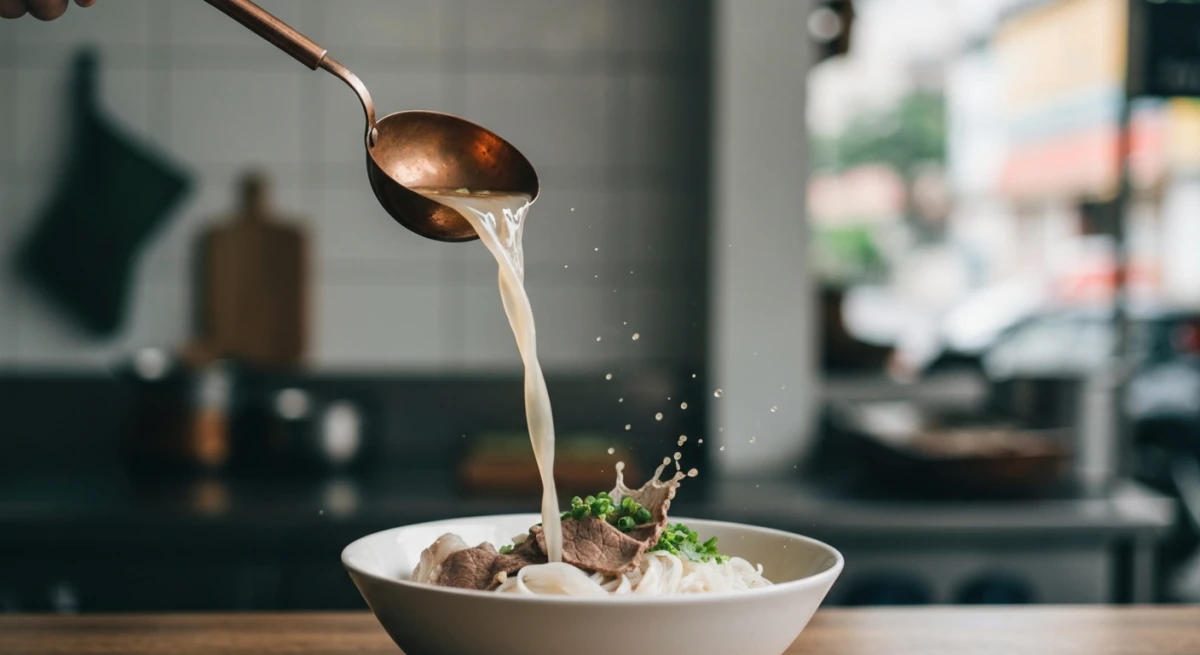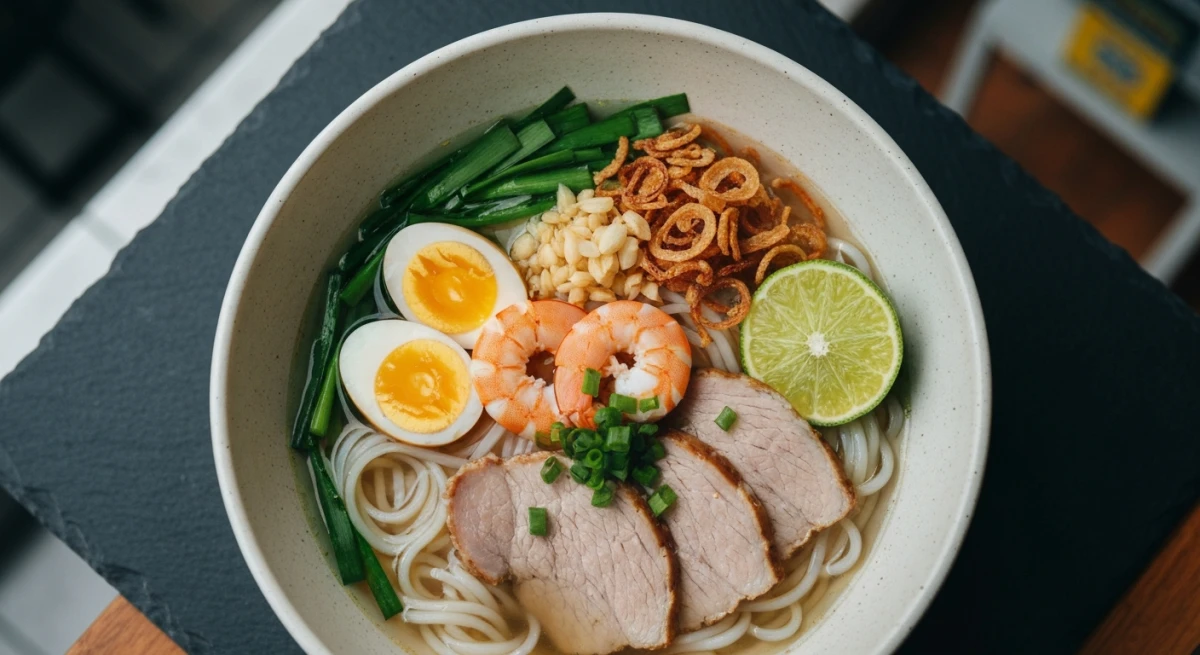
When the sun dips below the horizon in southern Vietnam, a transformation occurs. The chaotic, motorbike-choked arteries of Saigon shed their daytime business persona and morph into the world's greatest open-air dining room. From the hum of low plastic stools scraping against asphalt to the fragrant plumes of lemongrass-scented smoke rising from charcoal grills, hunting for the best street food Ho Chi Minh City has to offer is not just a culinary activity—it is a sensory rite of passage.
For the uninitiated, Saigon's food scene can feel overwhelming. It is a dizzying maze of 24 districts, thousands of hidden alleys (known locally as hẻm), and a vernacular of food that differs wildly from the delicate, northern-style Pho you might be familiar with. Southern Vietnamese cuisine is bold, sweet, herb-heavy, and deeply influenced by historical trade routes, Chinese immigration, and Khmer flavors. If you want to understand the true pulse of this metropolis, you have to eat where the locals eat: on the sidewalk, shoulder-to-shoulder with strangers, as motorbikes zip past mere inches away.
In this ultimate guide, we are bypassing the sanitized hotel buffets and diving straight into the concrete. Whether you are an adventurous eater looking for steaming bowls of offal stew or a first-timer searching for the ultimate crispy banh mi, this is your definitive, up-to-date roadmap to navigating the best street food Ho Chi Minh City has to offer.
1. The Essential Saigon Street Food Masterpieces
To eat your way through Saigon is to participate in a living culinary history. While you can find dishes from every corner of Vietnam here, the southern capital has put its own sweet, savory, and herb-laden stamp on them. Here are the non-negotiable dishes you must try, and the exact spots where they are perfected.
Cơm Tấm (Broken Rice)
If there is one dish that defines the working-class soul of Saigon, it is cơm tấm. Originally a humble meal made from broken rice grains that were unsellable after the milling process, it has risen to become a beloved culinary icon enjoyed by street sweepers and CEOs alike. The broken grains have a unique, slightly dry texture that perfectly absorbs the sweet-savory juices of a caramelized, charcoal-grilled pork chop (sườn nướng).
An authentic plate of cơm tấm is a masterclass in texture and balance. It features the pork chop marinated in lemongrass, garlic, and fish sauce; a wedge of steaming egg meatloaf (chả trứng); shredded pork skin coated in toasted rice powder (bì); and a runny fried egg (ốp la). The entire dish is drizzled with scallion oil (mỡ hành) and served with a splash of sweet, garlicky fish sauce (nước chấm) and pickled vegetables.
- Where to try it: Cơm Tấm Ba Ghiền (84 Dang Van Ngu, Phu Nhuan District). This legendary spot, once recognized by the Michelin Guide, serves pork chops the size of dinner plates, grilled over open flames right on the street.
- Local Tip: Don't pour all your fish sauce over the rice at once. Drizzle it incrementally so you can control the moisture and sweetness of the broken rice.
Bánh Mì Huỳnh Hoa vs. Bánh Mì Bảy Hổ
No visit to Saigon is complete without a bánh mì, the world-famous Vietnamese sandwich that represents the ultimate fusion of French colonial baking and Vietnamese flavor profiles. The key is the bread: a light, airy baguette with an incredibly crispy crust that shatters upon the first bite. Inside, it is smeared with rich pork liver pâté, airy French-style mayonnaise, and stuffed with a variety of cold cuts, head cheese, roasted pork, pickled daikon and carrots, fresh cucumber, cilantro, and fiery bird's eye chilies.
Saigon is home to a fierce, ongoing debate about who serves the ultimate version. On one side is Bánh Mì Huỳnh Hoa, often dubbed the "Lesbian Bánh Mì" after its founders. It is an absolute beast of a sandwich, piled high with over half a dozen layers of meat and a thick layer of decadent pâté. On the other side is Bánh Mì Bảy Hổ, a historic stall that has been serving a simpler, highly traditional, and incredibly balanced sandwich for over 80 years at a fraction of the price.
- Where to try it: Bánh Mì Huỳnh Hoa (26-32 Le Thi Rieng, District 1) for the heavy, meat-lovers version; Bánh Mì Bảy Hổ (19 Huynh Khuong Ninh, District 1) for a nostalgic, perfectly balanced bite.
- Local Tip: If you can't handle spice, make sure to say "không ớt" (no chili). The green bird's eye chilies hidden inside these sandwiches pack a legendary punch.
Ốc (Street Snails & Shellfish)
In Ho Chi Minh City, eating snails (ăn ốc) is not just about the food; it's a culture, a social ritual, and a verb. In the evenings, locals gather in groups at open-air ốc stalls to drink cold domestic beers (usually Tiger or Saigon Special) and gossip over plates of various shellfish. This practice is known as nhậu—the Vietnamese art of drinking and eating for leisure.
Don't let the word "snails" intimidate you. The menu at a typical ốc stall is massive, featuring freshwater mud creepers, sea snails, clams, oysters, and scallops cooked in a dazzling array of sauces. You can order them sautéed in sweet coconut milk (xào dừa), stir-fried with rich garlic butter (xào bơ), roasted with chili salt (rang muối), or grilled over charcoal with green peppercorns (nướng tiêu).
- Where to try it: Ốc Oanh (534 Vinh Khanh, District 4). Located on Saigon's most famous seafood street, this place is loud, chaotic, and incredibly delicious. Try the ốc hương xào bơ (sweet snail sautéed in garlic butter) served with a warm baguette to soak up the sauce.
- Local Tip: When eating mud snails (ốc len xào dừa), you have to block one end of the shell with your finger and suck vigorously from the opening to slide the meat out alongside the sweet coconut cream.
Bánh Xèo (Sizzling Savory Crepes)
Named after the loud sizzling sound (xèo) the batter makes when poured onto a searing-hot iron skillet, bánh xèo is a crispy, golden masterpiece. While the northern version is smaller and softer, the southern-style bánh xèo is massive, thin, and impossibly crispy. The yellow color doesn't come from eggs, but rather from turmeric powder mixed into a batter of rice flour and coconut milk.
Inside, the crepe is stuffed with pork belly, plump prawns, mung beans, and a mountain of fresh bean sprouts. To eat it, you don't use utensils. Instead, you tear off a piece of the crispy crepe, wrap it inside a large mustard leaf or lettuce leaf along with fresh herbs (like mint, fish mint, and Thai basil), roll it up tightly, and dip it into a sweet, tangy fish sauce dip (nước chấm).
- Where to try it: Bánh Xèo 46A (46A Dinh Cong Trang, District 1). Though popular with tourists (made famous in part by Anthony Bourdain), it still cooks its crepes over traditional charcoal stoves, giving them an unmatched smoky flavor.
- Local Tip: Wrap your crepe tightly! The mustard leaf provides a spicy bite that cuts through the richness of the fried pork and coconut-infused batter.
Bò Lá Lốt (Beef Wrapped in Wild Betel Leaves)
Step onto any street cooking bò lá lốt and your nose will immediately lead the way. This dish consists of minced beef seasoned with garlic, shallots, lemongrass, and five-spice, wrapped tightly into finger-sized parcels using wild betel leaves (lá lốt). These parcels are then brushed with oil and grilled over glowing charcoal embers.
As the betel leaves char, they release an incredibly aromatic, slightly medicinal, and smoky perfume that infuses the tender beef inside. The grilled rolls are served topped with crushed roasted peanuts and scallion oil, accompanied by a plate of rice vermicelli noodles (bún), rice paper sheets (bánh tráng), a mountain of wild herbs, green bananas, starfruit, and mắm nêm—a pungent, fermented pineapple fish sauce that is sweet, sour, and intensely savory.
- Where to try it: Bò Lá Lốt Cô Giang (19 Co Giang, District 1). A classic, no-frills roadside joint where you can watch the grill master handle hundreds of skewers a minute.
- Local Tip: Mắm nêm can be quite intense for first-timers due to its fermented nature. If you find it too strong, you can always ask for regular nước mắm chua ngọt (sweet and sour fish sauce) instead.
Phá Lấu (Offal Stew in Coconut Milk)
For the truly adventurous foodie, phá lấu is a rite of passage. Influenced by Chinese Teochew cuisine, this dish is a comforting street-side stew made from pork or beef offal (tripe, lungs, spleen, and intestines) that has been thoroughly cleaned, braised in a rich blend of five-spice, and simmered in a creamy coconut milk broth colored with annatto seed.
The result is surprisingly tender meat with an incredibly complex, sweet, and savory broth. It is traditionally served in small ceramic bowls, accompanied by a crusty baguette (phá lấu bánh mì) or instant noodles (phá lấu mì), along with a small dipping bowl of sweet-and-sour chili-tamarind sauce that cuts through the rich, creamy broth.
- Where to try it: Phá Lấu Cô Thảo (243/29G Ton Dan, District 4). Tucked deep inside the labyrinthine alleys of District 4, this legendary stall has been simmering the same aromatic broth for decades.
2. Ho Chi Minh City's Legendary Food Streets & Districts
While finding individual stalls is fun, the real magic of Saigon's food culture lies in its dedicated street food corridors. These are areas where entire blocks are claimed by vendors, transforming the sidewalks into buzzing, neon-lit gauntlets of culinary delight. If you want to experience the absolute best street food Ho Chi Minh City has to offer in its natural habitat, head to these four legendary zones.
Vĩnh Khánh Street (District 4) – The Kingdom of Seafood & Snails
Once the stomping ground of notorious Saigon gangsters, District 4 has evolved into one of the city's premier culinary destinations, and Vĩnh Khánh Street is its crown jewel. Running for over a kilometer, this street is a sensory overload of massive proportions. From 5:00 PM onwards, the sidewalks disappear under a sea of red and blue plastic tables, and the air fills with the smell of grilling seafood, lemongrass, and charcoal.
This is the ultimate destination for ốc (snails) and seafood. As you sit on your low plastic stool, you will be entertained by a rotating cast of street performers, from fire-breathers to mobile karaoke singers on motorbikes. It is loud, chaotic, intensely energetic, and represents the absolute peak of Saigon's nhậu lifestyle.
- Key Dishes: Grilled scallops with scallion oil and peanuts (sò điệp nướng mỡ hành), chili-salted crab claws (càng ghẹ rang muối), and stir-fried morning glory with garlic (rau muống xào tỏi).
- How to get there: A quick 10-minute taxi or Grab ride from District 1 over the Calmette Bridge.
Vạn Kiếp Street (Bình Thạnh District) – The Local Youth Favorite
Straddling the border between the bohemian Bình Thạnh District and the leafy Phú Nhuận District, Vạn Kiếp Street is a narrow, bustling thoroughfare that serves as a culinary lifeline for local university students and young professionals. Because it is slightly outside the primary tourist zone, prices here are exceptionally low, and the flavors remain completely uncompromised.
What makes Vạn Kiếp unique is its sheer density of diverse food options. Within a single 500-meter stretch, you can find stalls selling everything from northern-style bun cha to southern-style sweet soups, crispy quail eggs, and legendary noodle dishes.
- Key Dishes: Bánh Canh Cua (a thick, gooey crab tapioca noodle soup), Nem Nướng (grilled pork skewers served with rice paper and fresh herbs), and Bột Chiên (pan-fried rice cakes with eggs).
- Vibe: Highly local, fast-paced, and incredibly pocket-friendly.
Hồ Thị Kỷ Street (District 10) – The Flower Market Food Alley
By day, Hồ Thị Kỷ is Ho Chi Minh City's largest wholesale flower market, filled with stunning walls of lilies, roses, and orchids imported from Da Lat. By night, however, the narrow residential alleys weaving through the market transform into a bustling street food bazaar that is particularly famous for its unique Cambodian-Vietnamese fusion dishes.
Due to a large Cambodian-Vietnamese diaspora living in this neighborhood, you can sample dishes here that are difficult to find anywhere else in the city. The alleyways are tight, and you will have to weave past slow-moving motorbikes and eager diners, but the reward is a culinary adventure unlike any other.
- Key Dishes: Cambodian-style grilled beef skewers marinated in lemongrass and turmeric (bò nướng sả), sweet grilled bananas wrapped in sticky rice (chuối nướng), and an array of colorful Cambodian sweet soups (chè).
- Vibe: Intimate, aromatic, and deeply community-oriented.
Hà Tôn Quyền Street (District 5) – Chinatown's Dumpling Heaven
District 5, widely known as Chợ Lớn (Big Market), is Ho Chi Minh City's historic Chinatown. Established in the late 18th century, this vibrant district features historic Chinese pagodas, traditional medicine shops, and a culinary landscape heavily influenced by Cantonese, Teochew, and Hakka flavors.
If you love dumplings, there is only one destination: Hà Tôn Quyền Street. This street is globally famous for its concentration of sủi cảo (wonton/dumpling) shops. Here, generational cooks wrap fresh dumplings by hand throughout the day, boiling them to order in massive, steaming cauldrons of rich pork and dried flounder broth.
- Key Dishes: Sủi cảo thập cẩm (dumplings stuffed with whole plump shrimp and minced pork, served in broth with fish maw, squid, and pork skin), and crispy fried dumplings (sủi cảo chiên).
- Vibe: Traditional, nostalgic, and bursting with rich, comforting aromas.
3. How to Eat Safely and Like a Local in Saigon
One of the most common anxieties for travelers visiting Vietnam is the fear of food poisoning, often colloquially dubbed "Saigon belly." However, avoiding street food out of fear is the single biggest mistake you can make. The street food in Saigon is often fresher than what you will find in high-end restaurants, simply because the ingredients are bought fresh from the wet markets every morning and cooked directly in front of you.
To ensure your culinary journey is seamless and stomach-friendly, keep these unwritten rules of Saigon street food in mind:
The "Low Stool, High Turnover" Rule
When choosing a street food vendor, ignore the aesthetic of the stall. Instead, look for two things: low plastic stools and a crowd of locals. A high volume of local diners means two crucial things: first, the food is undeniably delicious; second, and more importantly, the ingredients are moving incredibly fast. A busy stall has no space to store leftover ingredients from the day before; everything is cooked, sold, and replenished in a continuous, rapid cycle.
The Ice Myth: Is It Safe?
Many travelers are terrified of drinking anything with ice (đá) in Vietnam. However, Ho Chi Minh City's ice infrastructure is highly modernized. Almost all street vendors purchase their ice from commercial purification factories.
- How to tell: Look at the shape of the ice. If the ice consists of uniform, hollow, cylindrical tubes (known as "tube ice"), it is factory-made with purified water and is completely safe to consume. Avoid ice that comes in large, dirty-looking blocks that are crushed by hand with a hammer, as these are typically used for cooling food crates rather than consumption.
Embrace the Herbs, but Inspect Them
Vietnamese street food is served with a mountain of fresh herbs (rau thơm), which act as natural digestives and provide crucial flavor contrasts. You will see plates piled high with mint, Thai basil, sawtooth coriander, fish mint, and perilla. While these are incredibly delicious, they are grown in soil and must be washed.
Take a quick look at the herb plate before diving in. If the herbs are vibrant green, crisp, and free of dirt, go ahead and tuck in. If they look wilted or damp from tap water that hasn't drained, you may want to skip them or dip them into hot noodle soups to sterilize them first.
The "Trash on the Floor" Indicator
For Western travelers, seeing used tissues, lime wedges, and wooden skewers discarded on the concrete floor beneath a street food table can be a shock. In Vietnam, however, this is not a sign of poor hygiene; it is a sign of a highly successful business.
In the fast-paced environment of Saigon street food, staff focus entirely on cooking and serving. Sweeping the floor is saved for the end of the night or during lulls in service. A floor littered with napkins simply means the vendor has been slammed with happy, paying customers all evening. Clean tables, not clean floors, are what you should look for.
The Holy Condiment Trinity
Every street food table in Saigon features a tray of condiments. Learning how to use them is the key to unlocking the true potential of your dish:
- Chili Sauce & Tuong Den (Hoisin): Essential for adding heat and sweetness to southern-style soups like Pho or Hu Tieu.
- Pickled Garlic & Chilies: Scoop a few slices of pickled garlic into your beef noodle broth; the acidity cuts through the richness of the fat.
- Limes & Kumquats: Always squeeze a fresh lime wedge over your noodles or into your salt-and-pepper dipping sauces. The citrus juice brightens up the entire dish.
4. The Ultimate Self-Guided Saigon Night Food Tour
If you only have one night in Ho Chi Minh City and want to experience a curated journey through its best street food, follow this highly optimized, self-guided evening itinerary. This route takes you from the bustling heart of District 1, through the local alleys of District 4, and finishes with a refreshing dessert in District 10.
5:30 PM: The Crispy Appetizer in District 1
Start your evening at Bánh Xèo 46A (46A Dinh Cong Trang, District 1). Arrive just as they open their evening service to secure a table near the front. Order one classic southern-style bánh xèo (crispy crepe with pork and shrimp) and a plate of gỏi cuốn (fresh summer rolls with peanut dipping sauce). Watch the cooks expertly swirl the turmeric batter over charcoal stoves. This is a light, fresh start to your evening.
- Cost: Approximately 120,000 VND ($5 USD)
6:45 PM: The Main Event on the Snail Street (District 4)
Hop into a Grab car or onto the back of a GrabBike and head over the bridge to Ốc Oanh (534 Vinh Khanh, District 4). The street will be buzzing with energy. Find a table on the sidewalk and order:
- Ốc hương xào bơ (sweet snails in garlic butter sauce) served with a crusty baguette (bánh mì) for dipping.
- Sò điệp nướng mỡ hành (grilled scallops topped with scallion oil, fried shallots, and crushed peanuts).
- A cold Tiger beer to wash it down.
Take your time here. Soak in the chaotic atmosphere, listen to the street musicians, and enjoy the theater of Saigon street life.
- Cost: Approximately 250,000 VND ($10 USD)
8:30 PM: The Sweet Finish in the Flower Market (District 10)
To wrap up your culinary safari, take a 15-minute Grab ride to the Hồ Thị Kỷ Flower Market (District 10). Walk deep into the food alleyways. Look for a stall selling Chè (Vietnamese sweet dessert soups). Find a vendor with a colorful array of ingredients and order a bowl of Chè Ba Màu (Three-Color Dessert), which features layers of sweet mung bean paste, red beans, green pandan jelly, crushed ice, and rich coconut cream.
If you still have a sliver of room left, grab a freshly grilled Cambodian-style beef skewer from one of the nearby street carts for a sweet-savory final bite.
- Cost: Approximately 40,000 VND ($1.60 USD)
Frequently Asked Questions About Saigon Street Food
Is the street food in Ho Chi Minh City safe for tourists?
Yes, street food in Ho Chi Minh City is remarkably safe, provided you follow basic food safety guidelines. Look for stalls with high customer turnover, as this ensures the ingredients are fresh and have not been sitting out. Avoid raw vegetables if you have an extremely sensitive stomach, and stick to "tube ice" (cylindrical ice with a hole through the middle) which is made from purified water.
How much does street food cost in Ho Chi Minh City?
Street food in Saigon is incredibly budget-friendly. A standard bowl of noodles, plate of broken rice (cơm tấm), or a stuffed bánh mì will typically cost between 30,000 VND and 70,000 VND ($1.20 to $3.00 USD). More premium street food experiences, such as a multi-plate snail feast (ốc) with beers, will cost around 150,000 VND to 300,000 VND ($6.00 to $12.00 USD) per person.
What is the difference between street food in Saigon and Hanoi?
Saigon (southern) street food tends to be sweeter, richer, and uses a significantly larger variety of fresh herbs, coconut milk, and sugar. Hanoi (northern) street food focuses more on delicate, balanced, and subtle savory flavors, with less emphasis on sweet and spicy elements. Additionally, portions in Saigon are often slightly larger, reflecting the abundance of fresh produce in the fertile Mekong Delta.
Are there vegetarian street food options in Saigon?
Absolutely. Vietnam has a deep Buddhist heritage, which means vegetarian food (ăn chay) is widely available, particularly during the lunar new moon and full moon phases. Look for signs that say "Quán Chay" or "Cơm Chay." You can find vegetarian versions of almost every major street food dish, including phở chay, bánh mì chay, and hủ tiếu chay, which use tofu, mushrooms, and gluten-based mock meats to replicate the textures of the classic dishes.
What is the best time of day to eat street food in Saigon?
While you can find street food at any hour of the day, the absolute prime time is from 5:30 PM to 9:00 PM. This is when the sun goes down, temperatures cool, and the night markets and dedicated food streets (like Vinh Khanh or Ho Thi Ky) come alive with locals socializing after work. Some breakfast stalls specializing in cơm tấm or phở also open incredibly early, from 6:00 AM to 9:00 AM.
Conclusion
Exploring the best street food Ho Chi Minh City has to offer is far more than a way to fill your stomach; it is an intimate, unfiltered look into the heartbeat of southern Vietnam. In Saigon, the sidewalk is a communal living room where barriers melt away over steaming bowls of broth and cold beers. By stepping out of your comfort zone, pulling up a tiny plastic stool, and embracing the chaotic beauty of the street, you will discover the true culinary soul of this unforgettable city. So pack your appetite, leave your fancy clothes at the hotel, and let Saigon's streets guide you to your next great meal.