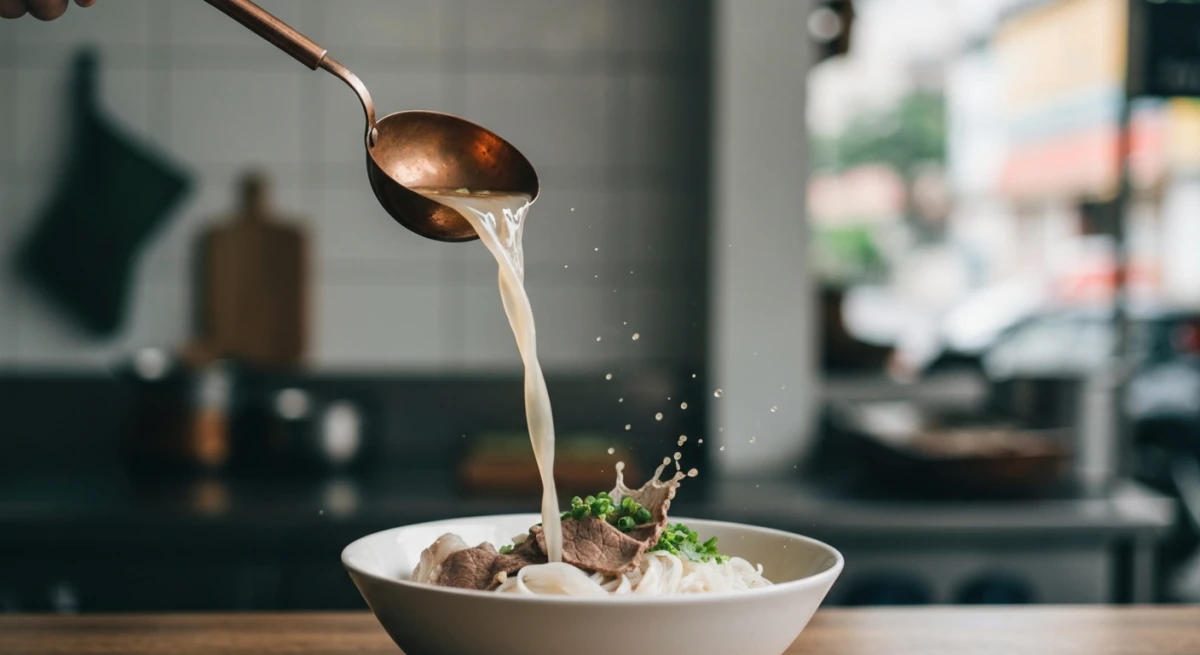
When you think of Vietnamese cuisine, images of steaming bowls of Northern Pho or crispy Southern Banh Mi likely dance across your mind. But if you truly want to experience the culinary soul of Vietnam—where bold spices, coastal freshness, and centuries of multicultural trade collide—you must travel to the Central Coast. Specifically, you must dive headfirst into the vibrant, sensory world of da nang noodles.
Da Nang, a dynamic seaside city nestled between lush mountains and the East Vietnam Sea, is home to a noodle culture that is entirely distinct from the rest of the country. Here, noodle dishes are not just sustenance; they are a daily ritual, an artistic expression, and a reflection of the region's resourceful history. Whether it is the robust, turmeric-infused crunch of Mi Quang, the sweet and savory ocean breeze of Bun Cha Ca, or the pungent, polarizing flavor bomb of Bun Mam Nem, Da Nang’s streets are paved with unforgettable bowls.
In this ultimate guide, we will take you on an in-depth culinary journey through the iconic bowls of da nang noodles that define this coastal haven, explain the fascinating history and precise mechanics behind their flavors, teach you how to eat them like a local, and share the exact street-side stalls where you can taste the absolute best bowls in the city.
Mì Quảng: The Undisputed Crown Jewel of Da Nang's Culinary Identity
To understand the culinary heritage of Central Vietnam, one must start with Mì Quảng (Quang-style noodles). This dish is so deeply woven into the local culture that it is served at every major life event, from ancestral death anniversaries and family gatherings to Tet (Lunar New Year) celebrations. In Da Nang, it is eaten for breakfast, lunch, dinner, and everything in between.
The Linguistic Paradox of the Noodle
There is a fascinating linguistic and historical quirk behind Mì Quảng's name. In the Vietnamese language, "mì" traditionally refers to yellow wheat noodles (introduced by Chinese immigrants), while "bún" or "phở" refers to rice noodles. Yet, the noodles in Mì Quảng are made entirely from rice flour. Why this naming paradox?
To understand this, we must look back to the 16th and 17th centuries. The nearby ancient town of Hoi An and the surrounding Quang Nam province (of which Da Nang was historically a part) served as one of Southeast Asia's most prosperous maritime trading hubs. Chinese and Japanese merchants settled in the region, bringing their noodle-making techniques, such as Chinese wheat noodles ("mian") and Japanese udon. Local Central Vietnamese cooks, resourceful and creative, adapted these foreign techniques using their most abundant local agricultural staple: rice. They ground local rice into a thick batter, steamed it into sheets, and sliced it into wide, flat, chewy ribbons. They kept the name "mì" to denote the thick, flat shape of the noodle, but crafted it with the unmistakable fragrance and supple texture of Vietnamese rice. To distinguish it from wheat noodles, some locals even use the regional spelling "mỳ Quảng."
Anatomy of a Masterpiece: The Semi-Dry Wonder
If you order Pho, you receive a bowl filled to the brim with aromatic broth. Mì Quảng, however, defies this convention. It is a semi-dry noodle dish. The broth is not a soup to be slurped, but rather an intensely concentrated, deeply savory sauce. Only a mere ladleful of this rich liquid is poured over the bed of wide rice noodles—just enough to coat each strand when tossed.
The broth is traditionally prepared by simmering pork bones, shallots, garlic, and locally sourced unrefined peanut oil (dầu phụng), which gives it a distinct, nutty aroma. Fresh turmeric is frequently added to the broth, imparting a beautiful golden hue and an earthy warmth.
The protein toppings vary wildly, showcasing the resourcefulness of Central Vietnamese home cooks. The classic version features fresh shrimp and slow-cooked pork belly (Mì Quảng Tôm Thịt), often accompanied by a soft-boiled quail egg. Other beloved variations include:
- Mì Quảng Gà: Tender, free-range chicken simmered with bones for a deeply sweet flavor.
- Mì Quảng Ếch: Farm-raised frog legs marinated in lemongrass, turmeric, and chili, prized for their delicate, succulent texture.
- Mì Quảng Cá Lóc: Flaky snakehead fish, pan-seared with local spices.
- Mì Quảng Phú Chiêm: Hailing from the historic Phú Chiêm village in Điện Bàn, this rustic version features a rich, reddish-orange broth thickened with crushed field crab paste and topped with tiny, crunchy river shrimp and pork.
The Textural Trio: Crunch, Herb, and Nut
What truly sets Mì Quảng apart is its multi-dimensional texture. Every bowl is served with a mountain of fresh local greens, including banana blossoms (bắp chuối), baby mustard greens, water mint, and lettuce. To complete the experience, the bowl is garnished with roasted peanuts and a large, toasted sesame rice cracker (bánh tráng mè). The cracker is not just a side dish; it is an active utensil. Locals break the crispy cracker directly into the bowl with their hands, using the shards to scoop up the chewy noodles, savory meat, and fresh herbs, creating a perfect symphony of textures in every single bite.
Bún Chả Cá: The Coastal Soul of the City in a Bowl
As a gorgeous coastal city wrapping around the dramatic Son Tra Peninsula, Da Nang has its heart firmly planted in the ocean. This maritime connection is perfectly expressed in Bún Chả Cá (fish cake noodle soup). While you can find fish cake noodles in other parts of Vietnam, the Da Nang version is heralded by culinary enthusiasts as the absolute finest.
The Secret of the Sweet and Sour Broth
The true test of any Bún Chả Cá stall lies in its broth. Unlike the heavy pork-bone broths of the south, Da Nang's fish cake noodle soup features a broth that is incredibly clean, light, and naturally sweet. To achieve this, local chefs simmer the bones and heads of marine fish (such as tuna and mackerel) for hours. But the real magic comes from the addition of slow-cooked vegetables. Large, rustic chunks of pumpkin (bí đỏ), white cabbage (bắp cải), fresh tomatoes, and sweet pineapple (thơm) are simmered directly in the broth. This unique combination acts as a natural sweetener, cutting through any potential fishy odors and leaving a beautifully balanced sweet-and-sour flavor profile that feels immensely refreshing in Da Nang's tropical climate. To elevate the umami, some traditional cooks also add a hint of dried bamboo shoots (măng khô).
Crafting the Perfect Chả Cá (Fish Cake)
The star of the bowl is the fish cake itself. Authentic Da Nang chả cá is made from fresh local catches like mackerel (cá thu), lizardfish (cá mối), or featherback fish (cá thác lác). The fish meat is painstakingly scraped from the bones and seasoned with black pepper, garlic, shallots, and a touch of salt. Crucially, the fish paste must be vigorously kneaded and pounded by hand against the sides of a large bowl. This intensive manual process aligns the proteins, giving the fish cakes their signature bouncy, chewy, and firm texture without the need for artificial additives.
When you order a bowl of Bún Chả Cá, you will typically receive a mix of two styles of fish cakes:
- Chả Cá Chiên (Fried Fish Cakes): Deep-fried to a gorgeous golden-brown, offering a rich, caramelized exterior and a savory, dense bite.
- Chả Cá Hấp (Steamed Fish Cakes): Steamed to preserve the natural, clean sweetness of the fish, often flecked with black wood-ear mushrooms and fresh dill.
For the ultimate seafood lover, many stalls offer the option to add a whole, tender slice of poached tuna (cá ngừ) or mackerel directly to the steaming broth.
Bún Mắm Nêm: The Bold, Fermented Masterclass in Contrast
If Mì Quảng is the friendly ambassador of Da Nang noodles and Bún Chả Cá is the soothing coastal breeze, then Bún Mắm Nêm is the wild, untamed rebel. This dry noodle dish is not for the faint of heart, but for those willing to venture past its pungent aroma, it offers one of the most complex and deeply addictive flavor profiles in Southeast Asia.
The Spectacular Stink of Mắm Nêm
To understand this dish, one must understand mắm nêm. Unlike standard clear Vietnamese fish sauce (nước mắm), which is filtered and refined, mắm nêm is a rustic, unrefined fermented anchovy sauce. Small anchovies (cá cơm) are packed into ceramic jars with sea salt and allowed to ferment under the hot Central Vietnamese sun for several months. The resulting sauce is thick, cloudy, dark violet-brown, and intensely aromatic. To prepare it for the noodle bowl, local vendors temper its raw, pungent power by blending it with crushed garlic, fiery bird's eye chilies, fresh lime juice, sugar, and finely minced pineapple. The enzymes in the pineapple help soften the strong fish proteins, resulting in a sauce that is a masterclass in flavor balancing: simultaneously salty, sweet, sour, intensely spicy, and deeply savory.
The Symphony of Textures in the Bowl
Bún Mắm Nêm is served dry and cold, making it a fantastic midday meal. At the bottom of a deep ceramic bowl sits a generous bed of fresh, thin rice vermicelli noodles (bún), layered over a vibrant garden of shredded lettuce, mint, Thai basil, and fish mint (rau diếp cá). On top of the noodles, the vendor arranges a dazzling array of toppings:
- Heo Quay (Crispy Roasted Pork): Slices of pork belly roasted to perfection, featuring succulent meat, melting fat, and a glass-like, ultra-crunchy skin.
- Mít Non (Boiled Young Jackfruit): A uniquely Central Vietnamese addition. Young, green jackfruit is boiled until tender, finely shredded, and tossed into the bowl. It has a mild flavor but a fibrous, earthy texture that acts as a sponge for the pungent dressing.
- Nem Chua and Chả Bò: Fermented pork rolls that add a pleasant, vinegary tang, and dense, savory beef sausage flecked with black peppercorns.
The bowl is finished with a heavy dusting of toasted, crushed peanuts, a dollop of sweet-and-spicy red chili jam (ớt chưng), and a generous drizzle of the prepared mắm nêm. To eat it, you must use your chopsticks to vigorously toss the ingredients together, ensuring every strand of cool vermicelli is coated in the bold, aromatic sauce and mixed with the crunchy pork, fibrous jackfruit, and fresh herbs.
Cao Lầu, Bánh Canh, and Beyond: Exploring Other Noodle Variations
While Mì Quảng, Bún Chả Cá, and Bún Mắm Nêm form the holy trinity of Da Nang noodles, the city's culinary landscape is rich with other exceptional noodle variations that reflect the historical and geographical interconnectedness of Central Vietnam.
Cao Lầu: The Legend of Hoi An in Da Nang
Though historically and culturally tied to the UNESCO-listed ancient town of Hoi An (just 40 minutes south), Cao Lầu is widely celebrated and masterfully prepared in Da Nang. Cao Lầu is perhaps the most mysterious noodle in Vietnam due to its highly restricted, traditional preparation. True Cao Lầu noodles can only be made using water drawn from the ancient, thousand-year-old Ba Le Well in Hoi An. This mineral-rich water is mixed with a specific lye made from the ashes of local trees harvested from the Cham Islands (Cù Lao Chàm). The alkaline ash-water gives the noodles their signature smoky, grayish-yellow color, and a remarkably firm, chewy, almost pasta-like texture that is entirely unique. The noodles are steamed multiple times rather than boiled. They are served warm with minimal, savory pork-broth reduction, topped with tender slices of char siu pork, fresh herbs, crisp bean sprouts, and crunchy, deep-fried squares of Cao Lầu noodle dough that mimic croutons. It is a dish that carries the weight of centuries of multicultural trade on its shoulders.
Bánh Canh: The Comfort of Chewy Tapioca
For those seeking a deeply comforting, hearty bowl, Bánh Canh is the answer. The name literally translates to "cake soup," referring to the thick, slippery noodles made from a blend of rice flour and tapioca starch (or sometimes wheat flour). These noodles are reminiscent of Japanese udon but feature a much chewier, more translucent texture. In Da Nang, Bánh Canh comes in several legendary local iterations:
- Bánh Canh Ruộng (Field Thick Noodle Soup): Historically cooked in rustic pots near agricultural fields, this dish has become a beloved late-night street food. It features a rich, dark, slightly spicy broth simmered with snakehead fish, crab meat, and quail eggs, often served with a side of deep-fried breadsticks (quẩy) for dipping.
- Bánh Canh Ghẹ (Crab Thick Noodle Soup): A luxurious coastal treat featuring a thick, orange-tinted broth packed with sweet, fresh mud crab meat and dense fish cakes.
Bún Bò Đà Nẵng: Lemongrass-Infused Beef Noodle Soup
While Bún Bò Huế is the internationally recognized flagship beef noodle soup of Central Vietnam, Da Nang has its own distinct regional variation. Da Nang-style beef noodle soup features a slightly sweeter, highly robust broth heavily infused with crushed lemongrass and chili oil. It is typically served with generous cuts of beef brisket, tender pig's knuckles, and slices of local pork or beef sausage, accompanied by a mountain of shredded cabbage and banana flower.
How to Eat Da Nang Noodles Like a True Local
To the uninitiated, sitting down at a low plastic table on a bustling Da Nang sidewalk can be an intimidating experience. The table is crowded with an array of mysterious jars, plastic baskets overflowing with leafy greens, and various squeeze bottles. To truly appreciate da nang noodles, you must master the local table-side etiquette and flavor-customization rituals.
The Two-Handed Technique
First, abandon any hesitation about making noise or getting your hands messy. Eating street noodles in Da Nang is a fully immersive, sensory experience. Equip yourself with a pair of chopsticks in your dominant hand and a flat soup spoon in the other. This dual-wield approach allows you to lift the noodles with your chopsticks while simultaneously catching the rich broth and toppings with your spoon, ensuring a complete, balanced bite every time.
The Herb-Mountain Rule
Never ignore the basket of fresh herbs (rau sống). In Western dining, herbs are often a mere garnish; in Vietnam, they are a fundamental component of the dish. The cool, crisp mint, bitter mustard greens, and anise-scented Thai basil are designed to cut through the richness of the pork belly, fried fish cakes, and concentrated broths. Do not simply lay the herbs on top. Tear them into smaller pieces with your hands and tuck them beneath the warm noodles. The residual heat of the bowl will slightly wilt the greens, releasing their aromatic essential oils directly into the broth.
Navigating the Condiment Carousel
Before taking your first bite, taste the broth in its pure state. Once you understand the baseline flavor, it is time to customize. Every local table features:
- Lime Wedges: A squeeze of fresh lime adds a bright, citrusy acidity that elevates the savory flavors.
- Ớt Chưng (Chili Jam): This sweet, smoky, and deeply spicy oil is made by frying dried red chilies with garlic, lemongrass, and peanut oil. It adds a beautiful red hue and a lingering warmth.
- Mắm Ruốc: If you are eating Bún Chả Cá, look for the small jar containing a thick, purple paste. This is fermented shrimp paste. Adding just a tiny, pea-sized dollop to your fish soup instantly deepens the savory umami of the broth.
- Pickled Shallots and Garlic: Often steeped in sweet vinegar, these crunchy additions provide a bright, acidic pop that cleanses the palate between rich bites.
Where to Find the Best Da Nang Noodles: Verified Street Food Spots
To help you bypass the tourist traps and experience authentic, time-tested flavors, here is a curated list of legendary, family-run noodle joints in Da Nang that locals swear by.
Where to Eat Mì Quảng
- Mì Quảng Bà Mua
- Address: 19-21 Tran Binh Trong, Hai Chau District (with multiple branches across the city).
- The Vibe: Clean, bustling, and highly consistent.
- What to Order: The Mì Quảng Đặc Biệt (Special Mixed Bowl), which comes loaded with a perfect balance of shrimp, pork, chicken, boiled egg, and a massive sesame rice cracker.
- Mì Quảng Nhu
- Address: 63 Pham Van Nghi, Thanh Khe District.
- The Vibe: A beloved local breakfast joint that often sells out by mid-morning.
- What to Order: Their Mì Quảng Phú Chiêm. The broth is unbelievably rich, enriched with local river crab paste, and priced incredibly affordably.
Where to Eat Bún Chả Cá
- Bún Chả Cá 109
- Address: 109 Nguyen Chi Thanh, Hai Chau District.
- The Vibe: A legendary institution that has been serving the city for over five decades, now run by the third generation.
- What to Order: The Bún Chả Cá Đặc Biệt, featuring a spectacular mix of steamed and fried fish cakes in their signature pumpkin-and-pineapple broth.
- Bún Chả Cá Hờn
- Address: 139/9 Hung Vuong, Hai Chau District.
- The Vibe: Tucked down a narrow alleyway, this Michelin-recommended spot is perpetually packed with locals on tiny plastic chairs.
- What to Order: Their special bowl topped with fresh, thick slices of grilled tuna (cá ngừ) alongside their perfectly bouncy fish cakes.
Where to Eat Bún Mắm Nêm
- Bún Mắm Cô Vân
- Address: K23/14 Tran Ke Xuong, Hai Chau District.
- The Vibe: Located in Da Nang's famous "Bún Mắm alley," this cozy spot offers an authentic, unpretentious sensory experience.
- What to Order: Bún Mắm Heo Quay (with crispy roasted pork). Their house-blended mắm nêm sauce is legendary for its perfect balance of spice, sweetness, and pungent depth.
- Bún Mắm Liên
- Address: 52 Tran Binh Trong, Hai Chau District.
- The Vibe: A local favorite known for its clean presentation and incredibly crispy pork belly.
- What to Order: The mixed bowl with roasted pork belly, boiled pig ears (for extra crunch), and tangy nem chua.
Frequently Asked Questions
Are Da Nang noodles gluten-free?
Yes, most traditional Da Nang noodle dishes, including Mì Quảng, Bún Chả Cá, and Bún Mắm Nêm, utilize noodles made entirely from rice flour or a blend of rice and tapioca starch. However, you should exercise caution with the toppings and sauces: char siu pork (often used in Cao Lầu) may contain soy sauce with wheat, and certain deep-fried toppings or breadsticks (quẩy) contain gluten. Always inform the vendor if you have a severe gluten allergy.
Why is Mì Quảng called "mì" if the noodles are made of rice?
Historically, "mì" referred to wheat-based noodles brought to the region by Chinese merchants during the trading boom of the 16th century. Local cooks in the Quang region adapted the flat, thick noodle shape using local rice flour rather than imported wheat, but they kept the name "mì" to describe the structural shape. It is a testament to the cultural integration of Chinese merchant culture and local Vietnamese agriculture.
Is the fermented fish sauce in Bún Mắm Nêm safe to eat for tourists?
Yes, absolutely. While the intense aroma of mắm nêm can be surprising to first-time travelers, the sauce is thoroughly fermented, heavily seasoned with natural antimicrobials like garlic, chili, and high-acid lime juice, and entirely safe. It is a highly celebrated probiotic food. If you are concerned about your stomach adjusting, start with a small drizzle of the sauce or ask the vendor to serve the sauce on the side.
What is the average price of a bowl of noodles in Da Nang?
Street-food noodle bowls in Da Nang are incredibly affordable. A standard bowl of Mì Quảng, Bún Chả Cá, or Bún Mắm Nêm typically ranges from 25,000 VND to 50,000 VND ($1.00 to $2.00 USD). Upgraded, special bowls (đặc biệt) at established restaurants may cost up to 70,000 VND ($2.80 USD).
Conclusion
The incredible world of da nang noodles is a testament to the creativity, history, and coastal abundance of Central Vietnam. Each steaming bowl of Bún Chả Cá and every crunchy, turmeric-tinged bite of Mì Quảng tells a story of maritime trade, local agricultural resilience, and a deep-seated love for bold, unapologetic flavors. When you visit Da Nang, do not make the mistake of sticking only to familiar national staples like Pho. Pull up a tiny plastic stool, embrace the bustling street atmosphere, grab your chopsticks, and lose yourself in the rich, savory, and unforgettable tapestry of the city's spectacular noodle scene. Your culinary adventure of a lifetime awaits.